Ward Hill Industrial Park
Ward Hill Industrial Park is a useful orientation point for commercial addresses in the area. Give us your building address and the correct visitor or service entrance so the crew does not rely on the park name alone.

Water damage restoration in Ward Hill is a property recovery service that removes unwanted water, dries affected materials, and repairs damage after leaks or flooding. We respond to calls from residential streets and commercial properties around Ward Hill Road, Hilldale Avenue, and Research Drive, where the building and the source of water determine the right drying plan. We check the affected rooms, identify wet materials, and explain which areas need extraction, controlled drying, or removal.
Ward Hill includes newer construction with modern plumbing as well as commercial and industrial buildings with flat roofs. Those different structures need different inspection points. A pipe leak behind a finished wall is not handled like water entering a roof assembly. We use moisture readings and thermal imaging to map the wet area, then position drying equipment based on the materials and access available. We also serve nearby properties around Amesbury Road and Kenoza Avenue.
Our service area is part of Haverhill in Essex County, Massachusetts. For water damage restoration near Ward Hill, we coordinate emergency water extraction, structural drying, and repair planning through one call. We document conditions for your records and help organize the information an insurer may request. Call (833) 546-4116 when water is active or when a damp smell, ceiling stain, or buckled floor points to hidden moisture.
Ward Hill properties need a response matched to the water source, the materials, and how far moisture traveled. Winter brings frozen-pipe risk; wind-driven rain can expose roof trouble, and spring runoff tests low areas around buildings. If you search for water damage restoration near me Ward Hill MA, tell us whether water is still entering and which rooms are affected. We handle residential and commercial calls, remove standing water, dry salvageable materials, and identify repairs that need a separate trade.
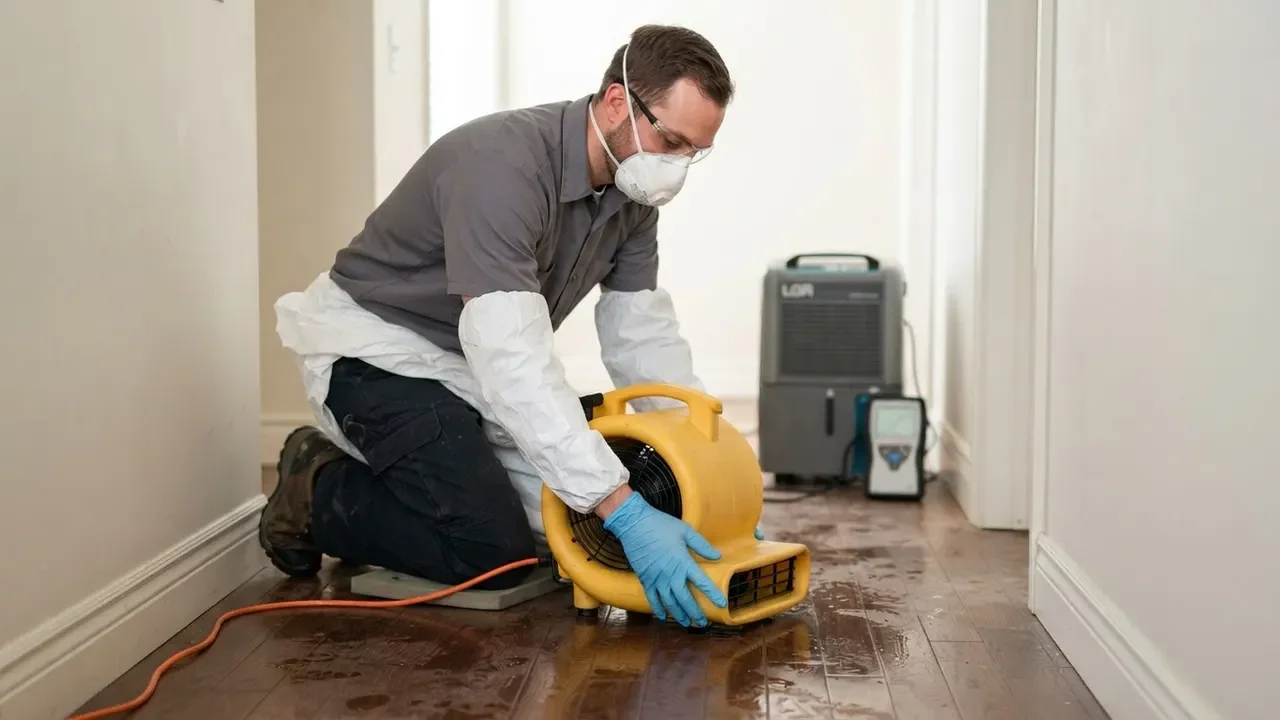
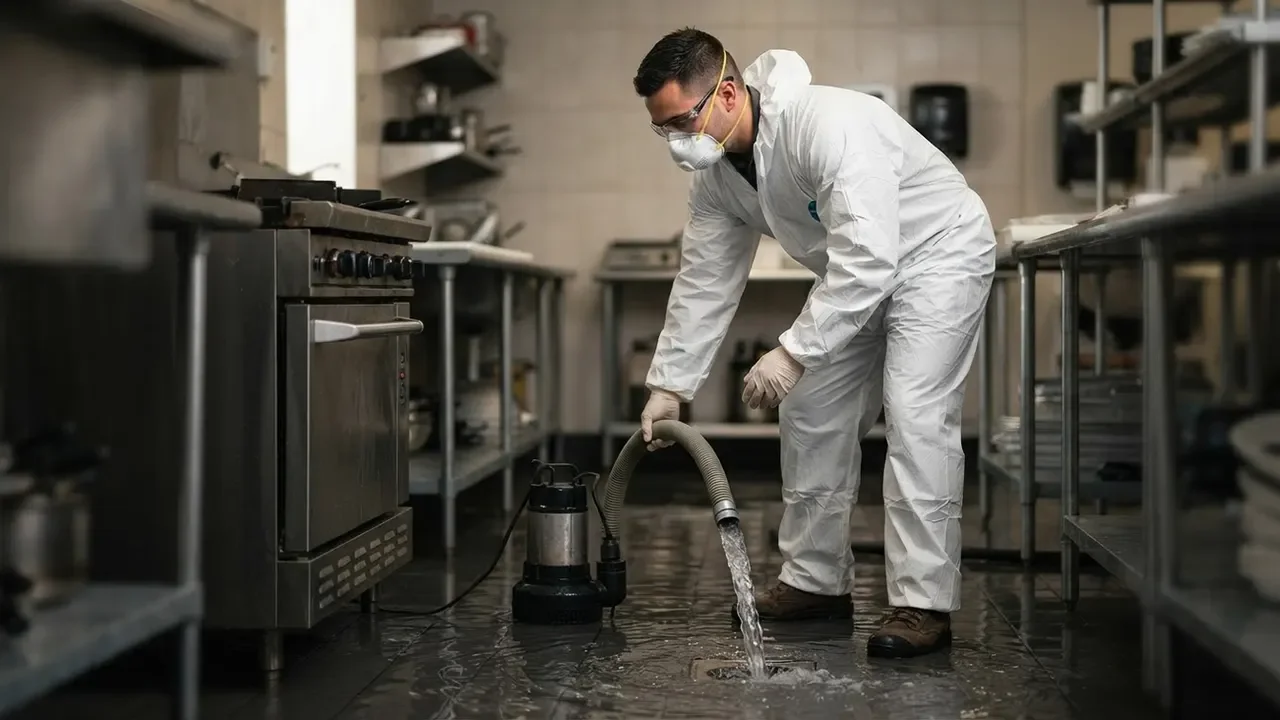
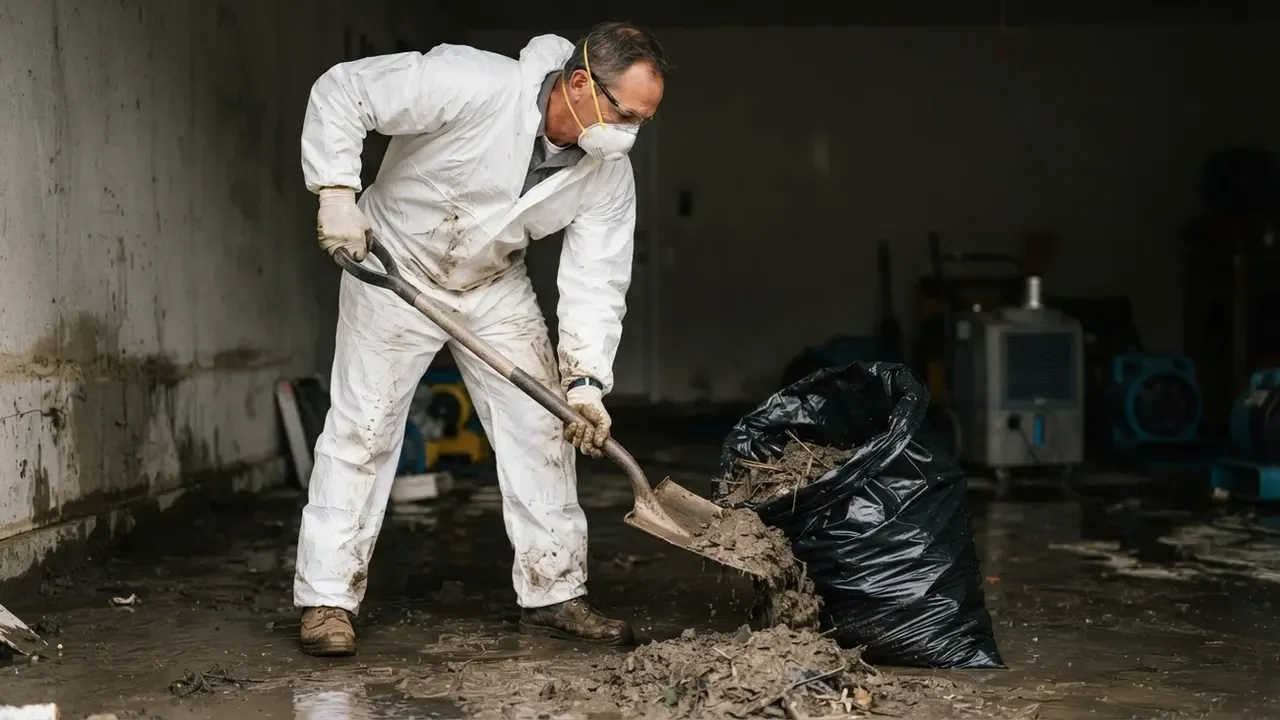
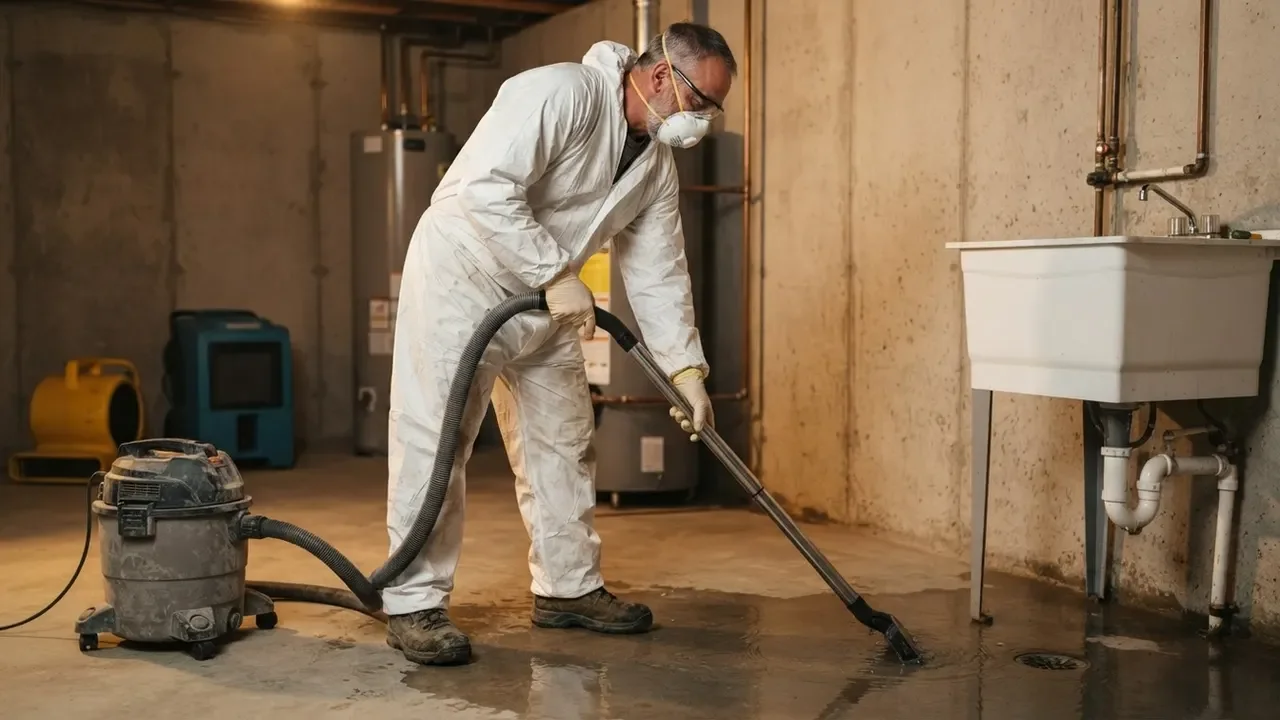
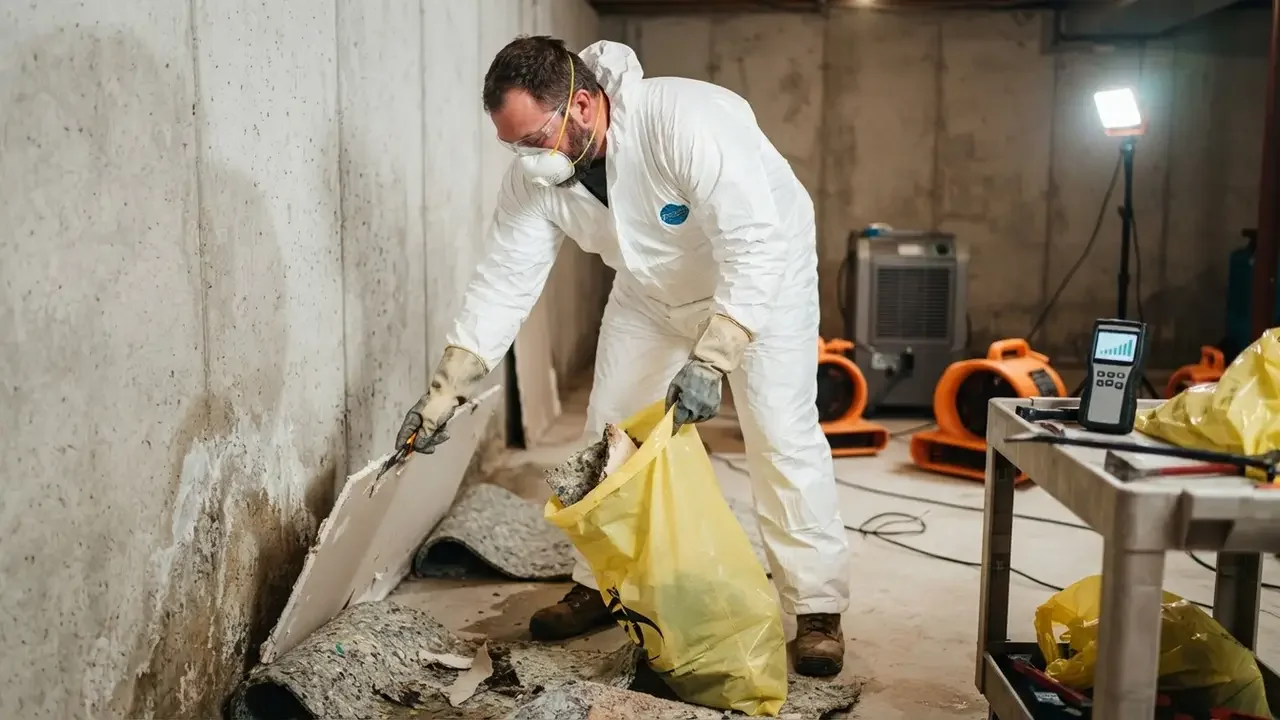
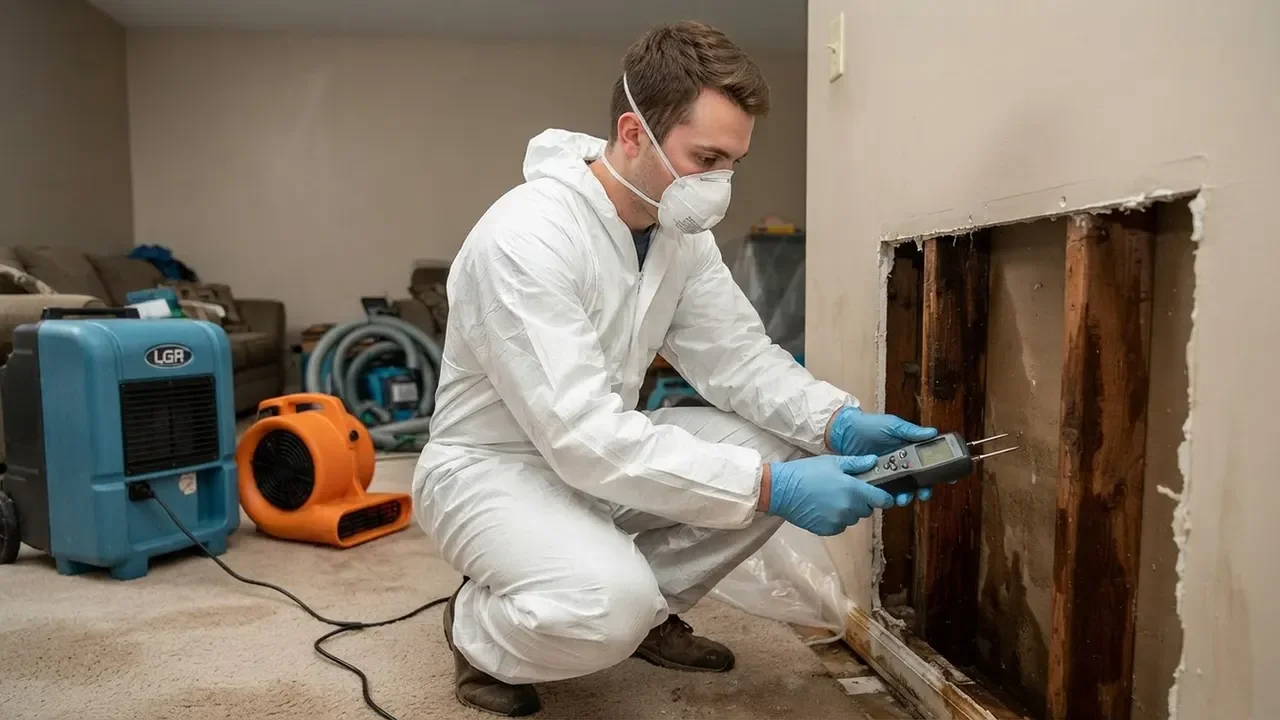
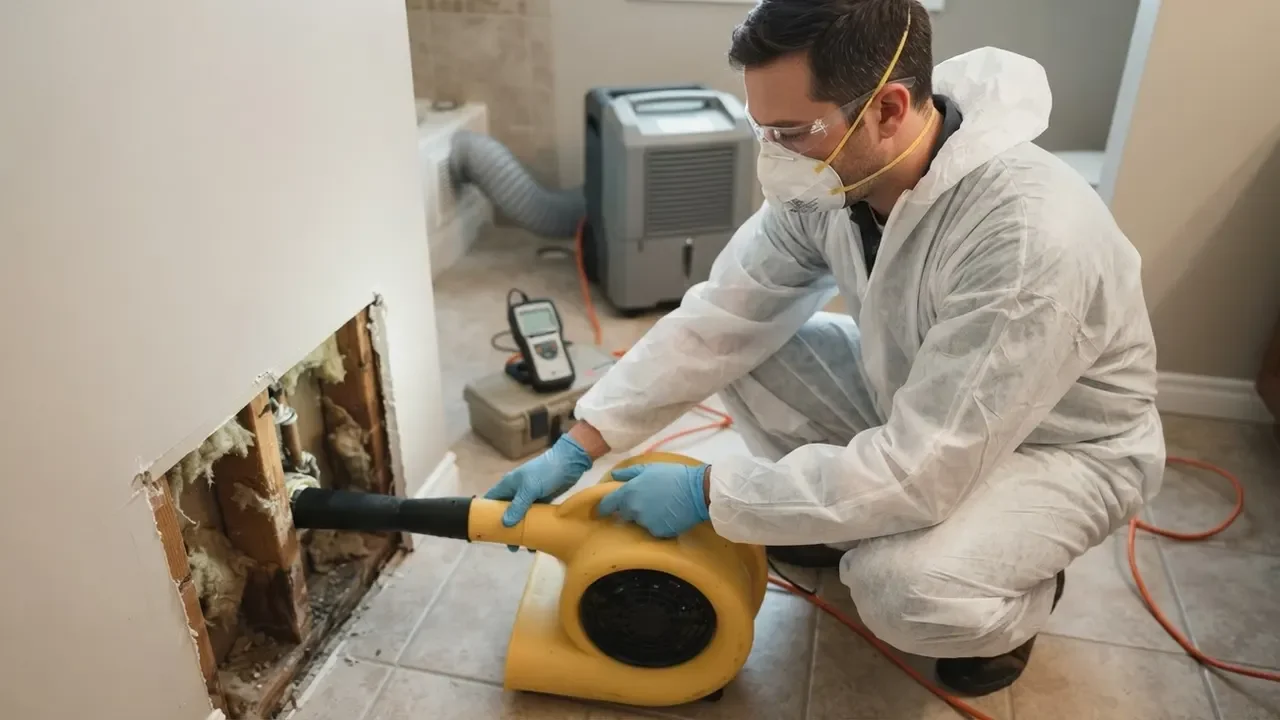
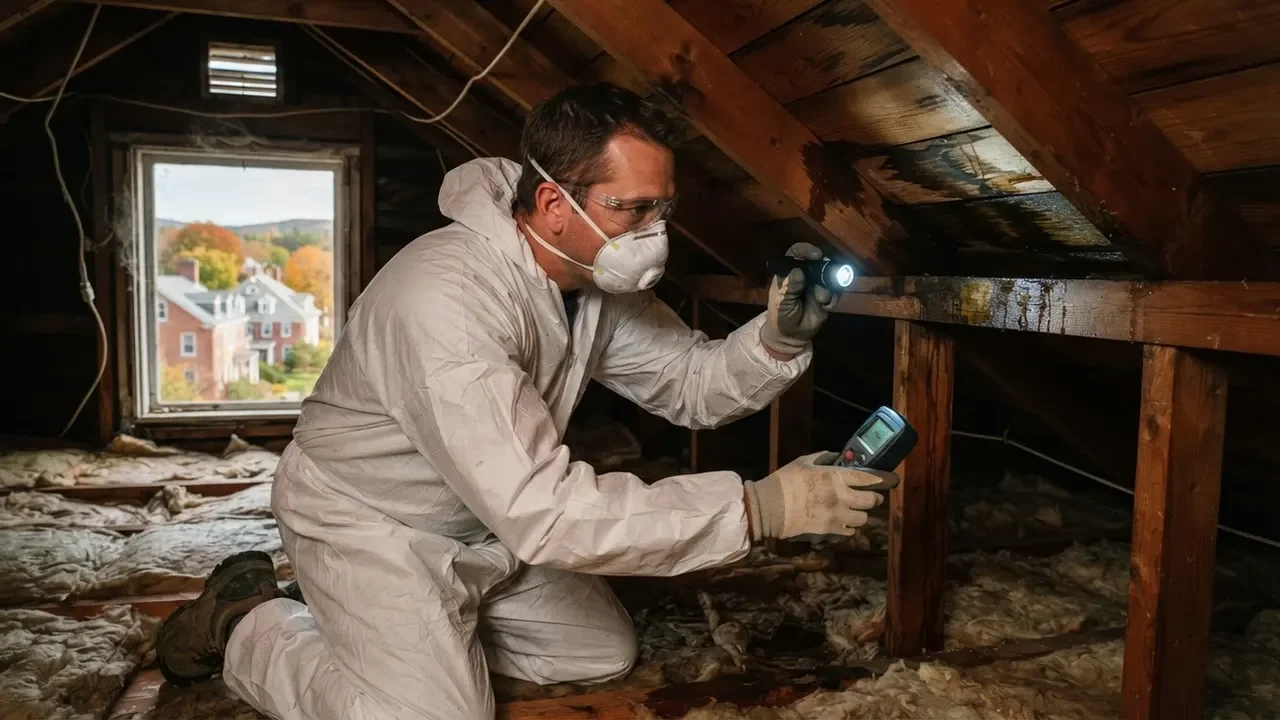
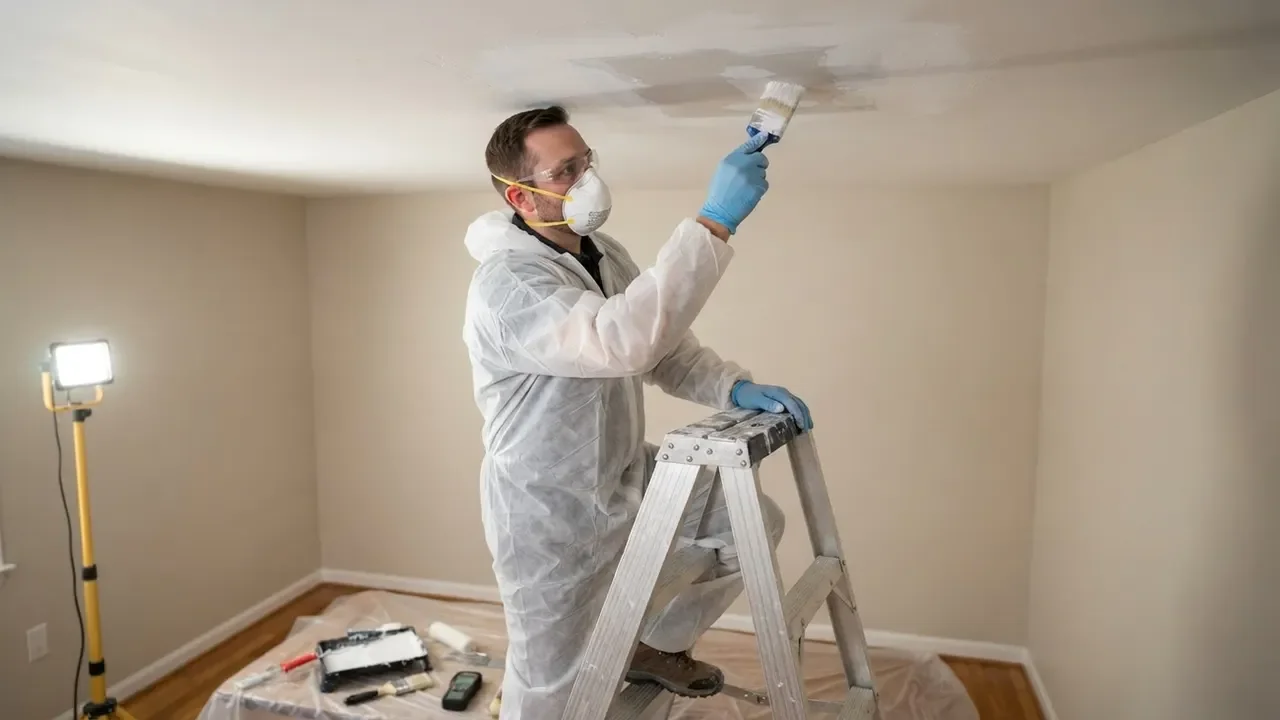
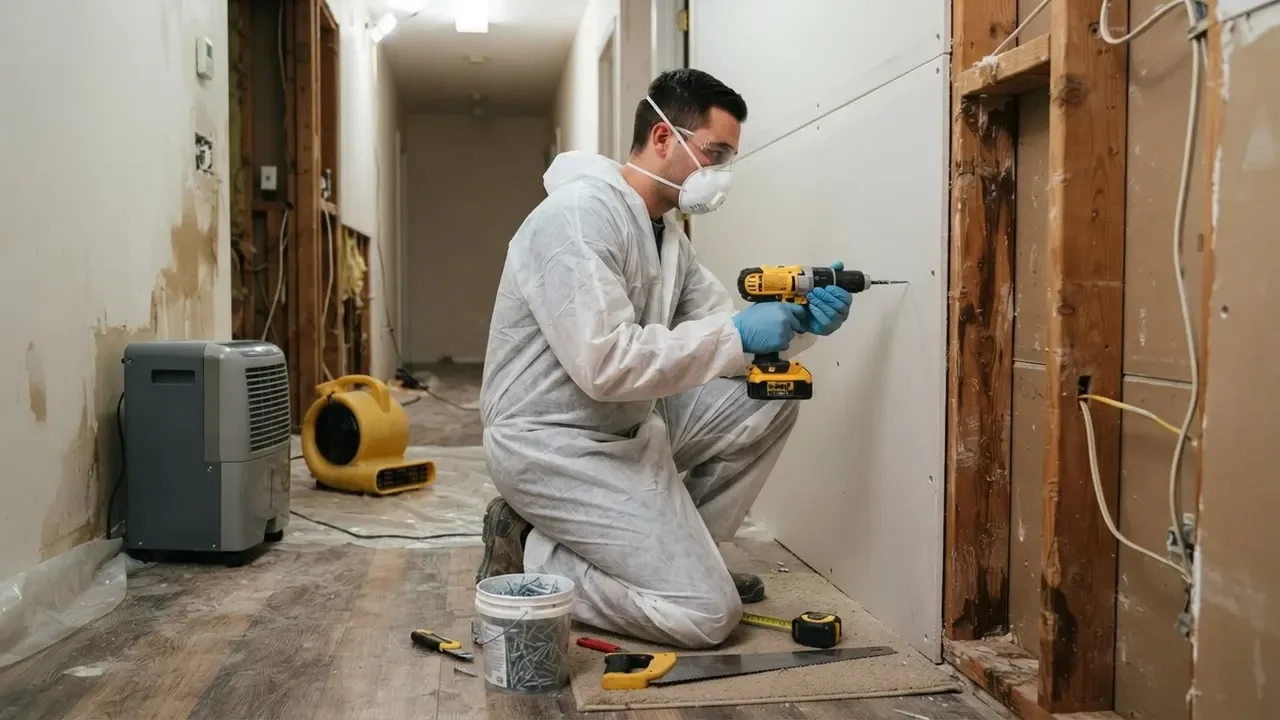

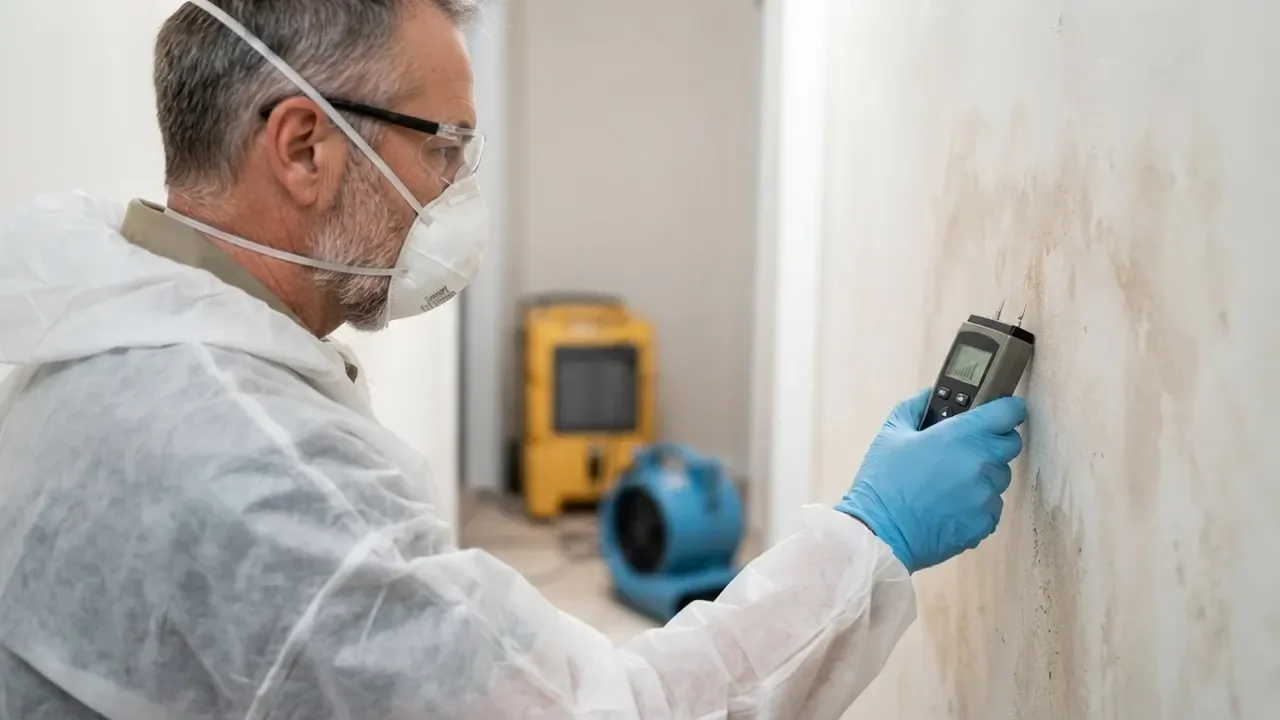
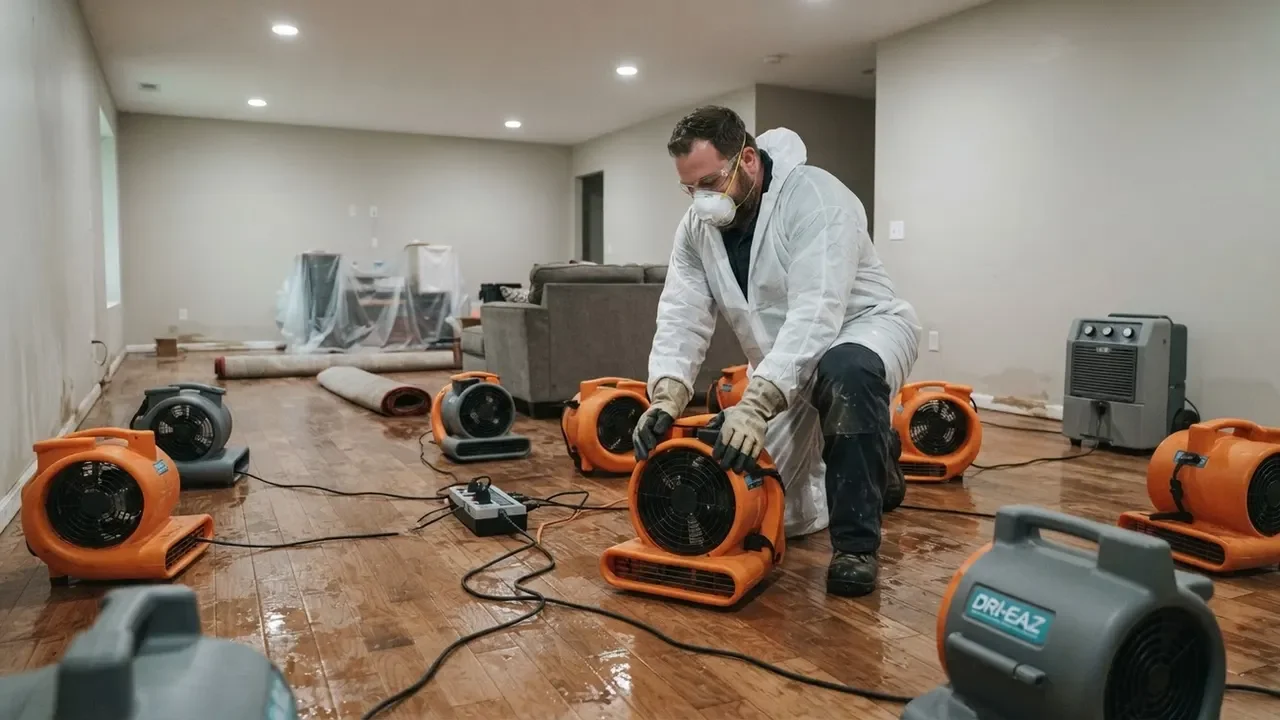
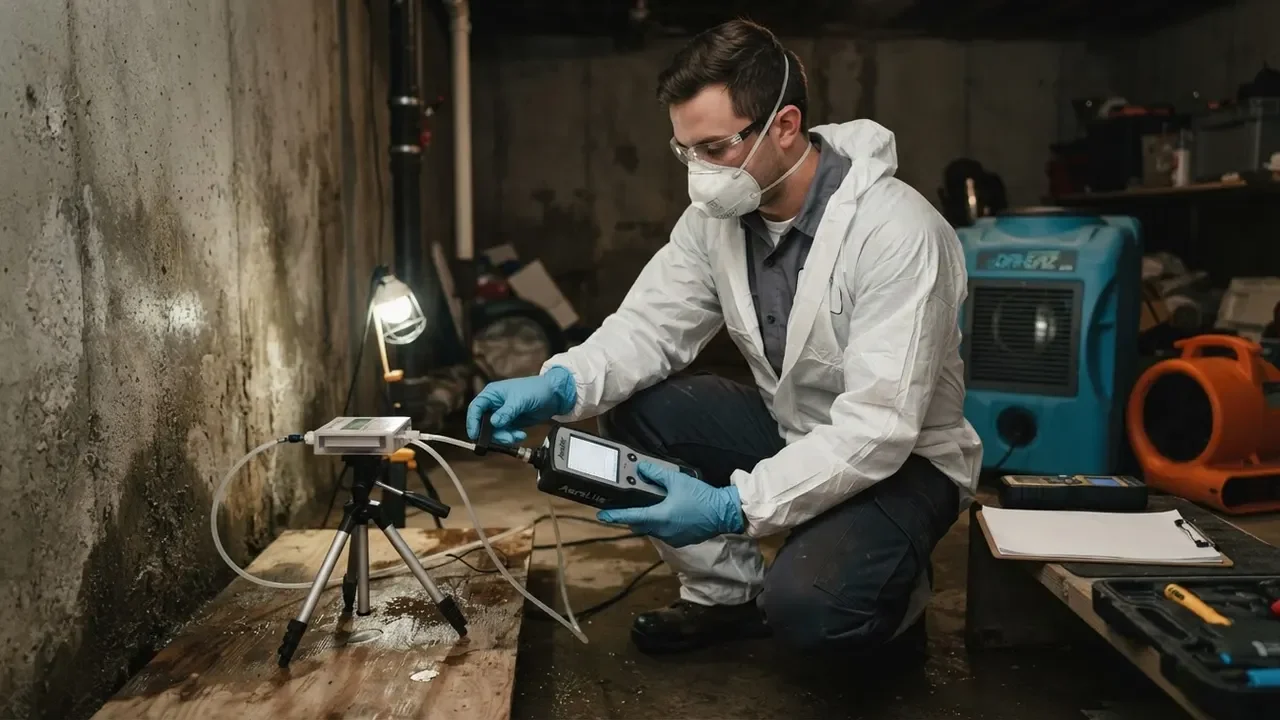
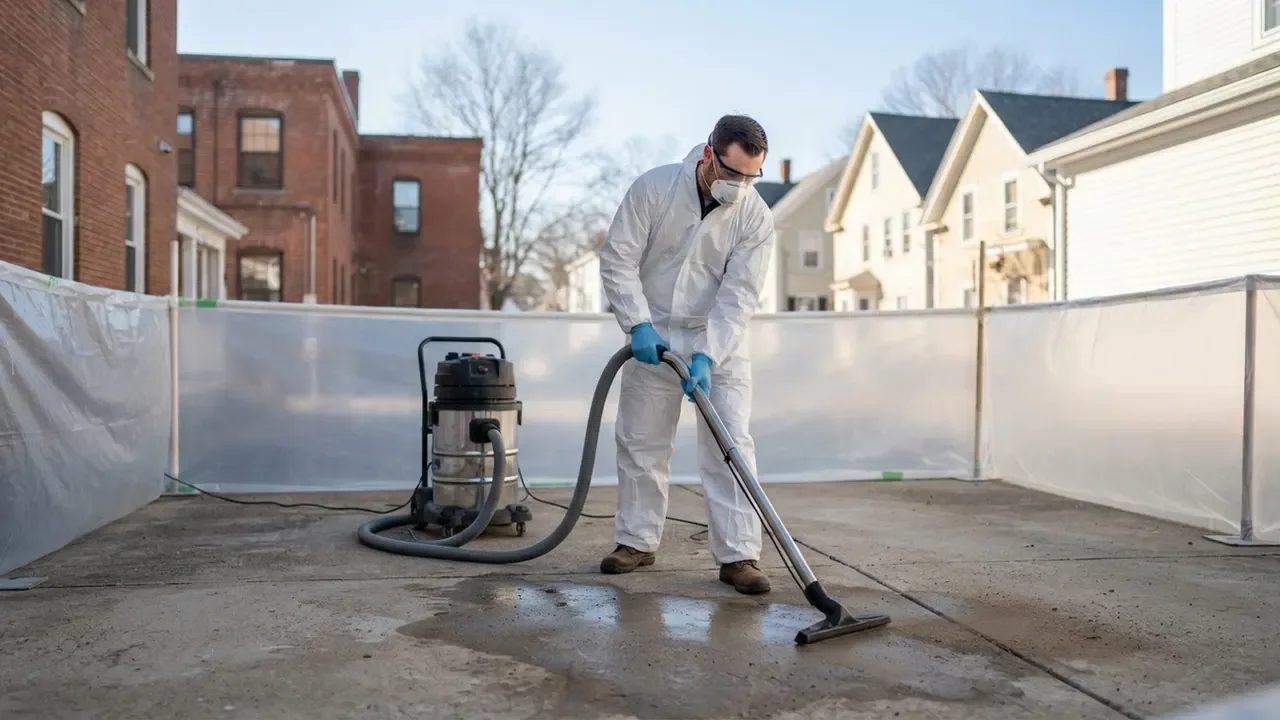
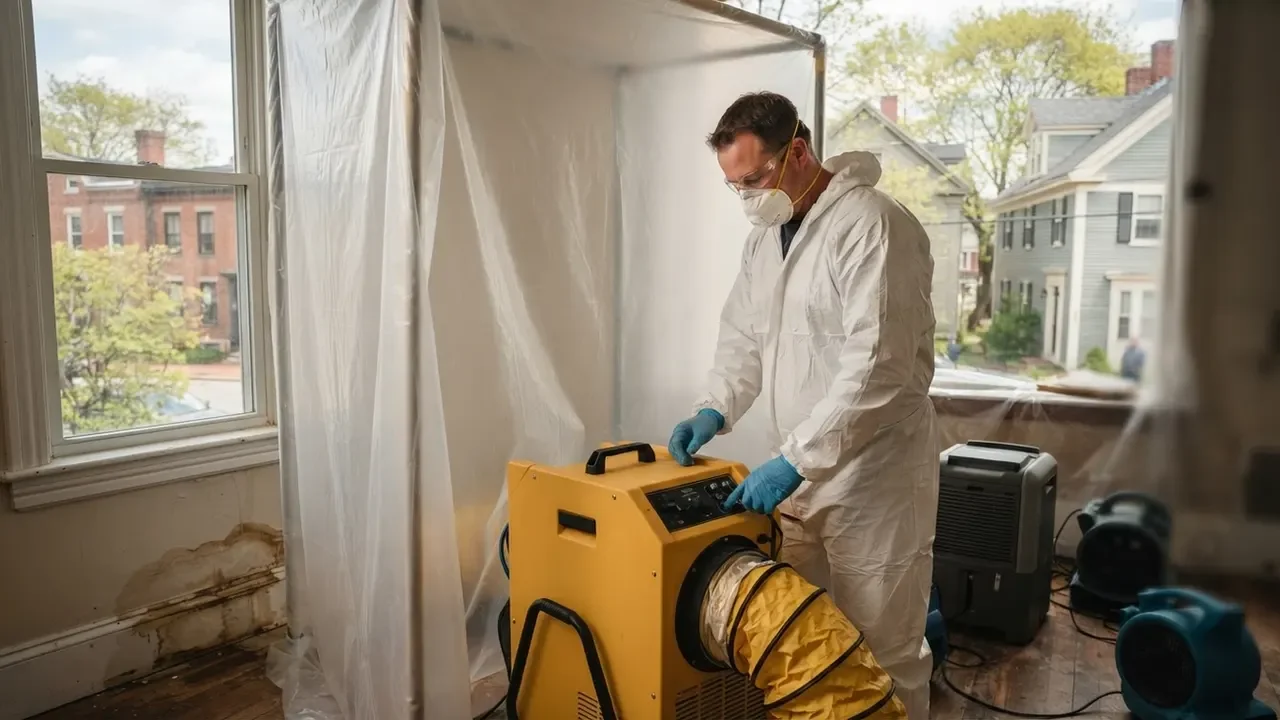
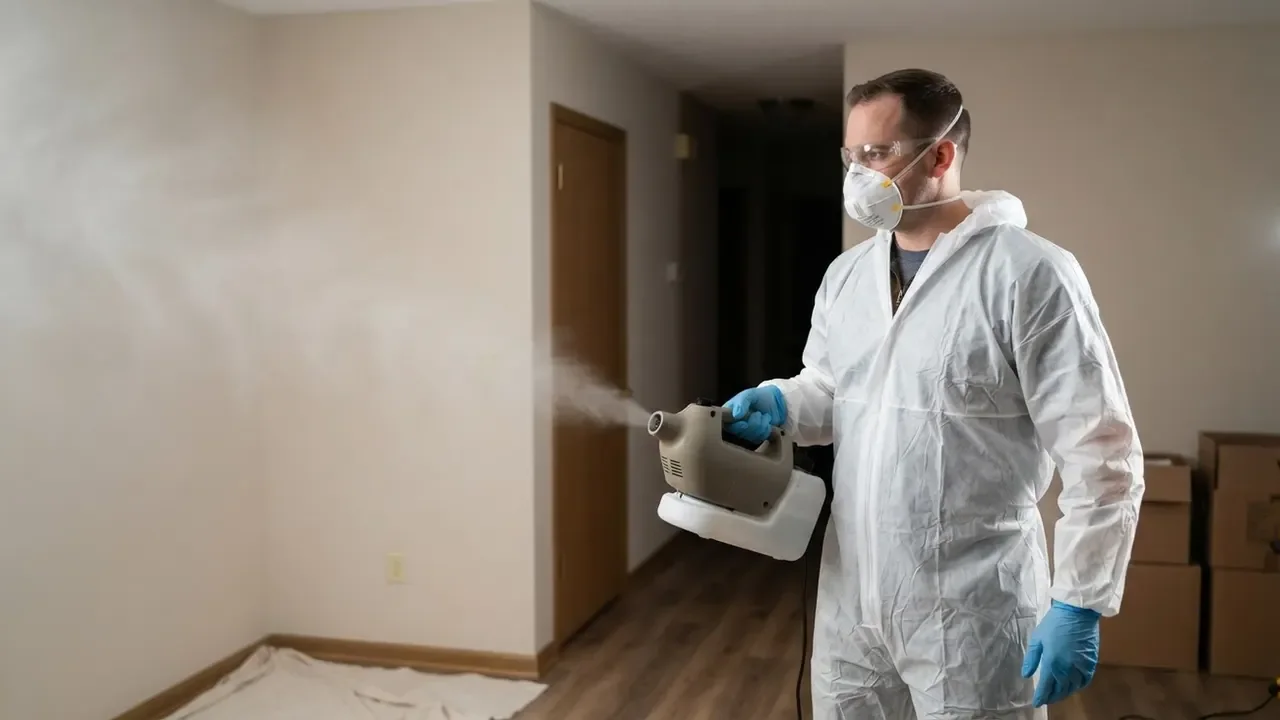
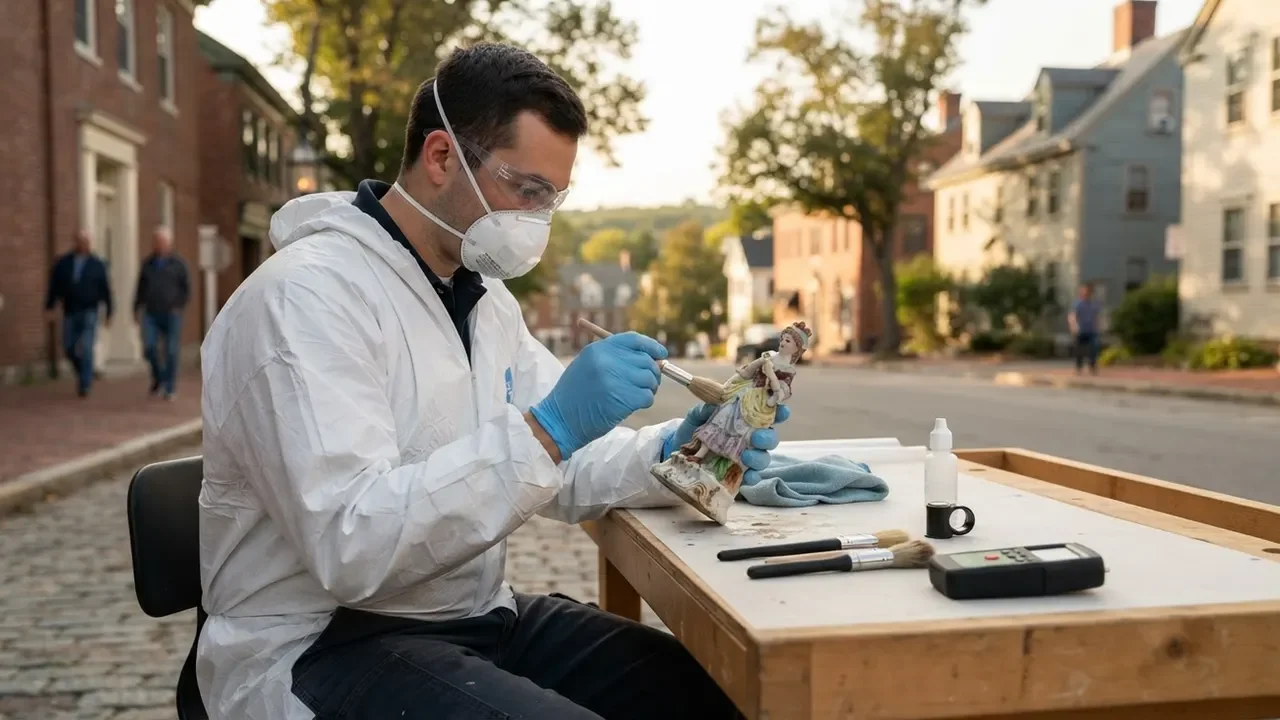
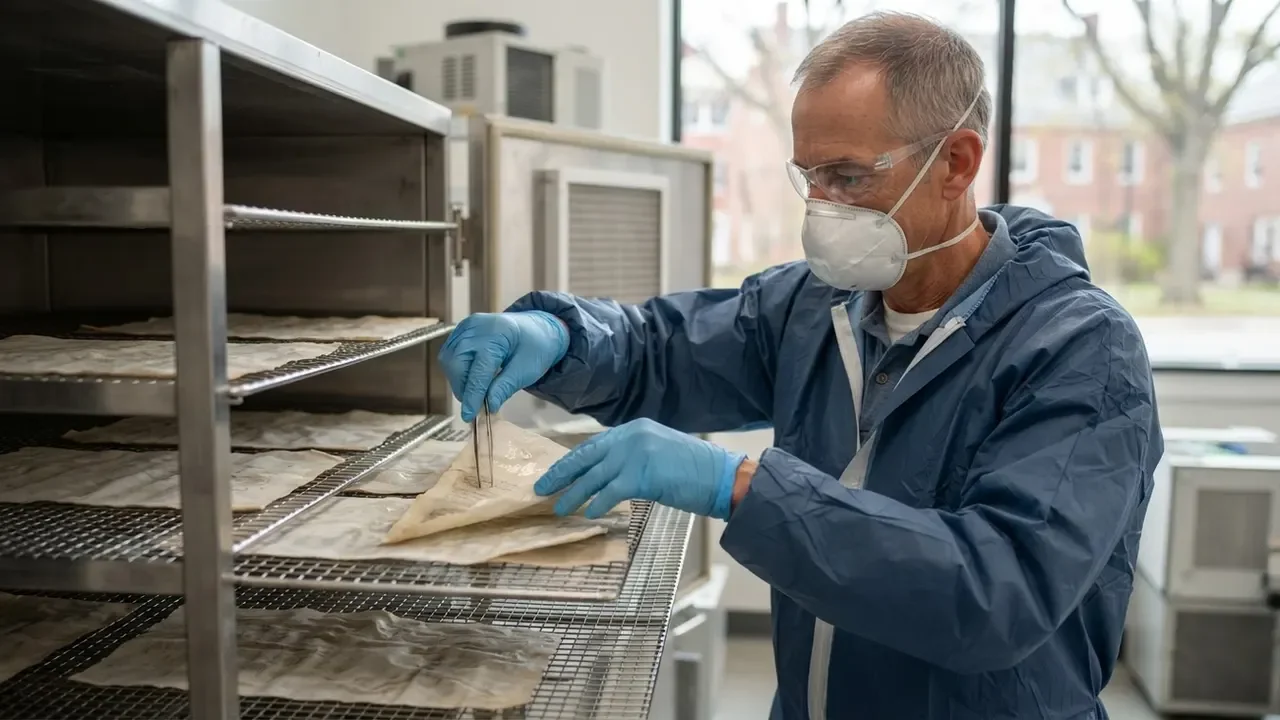
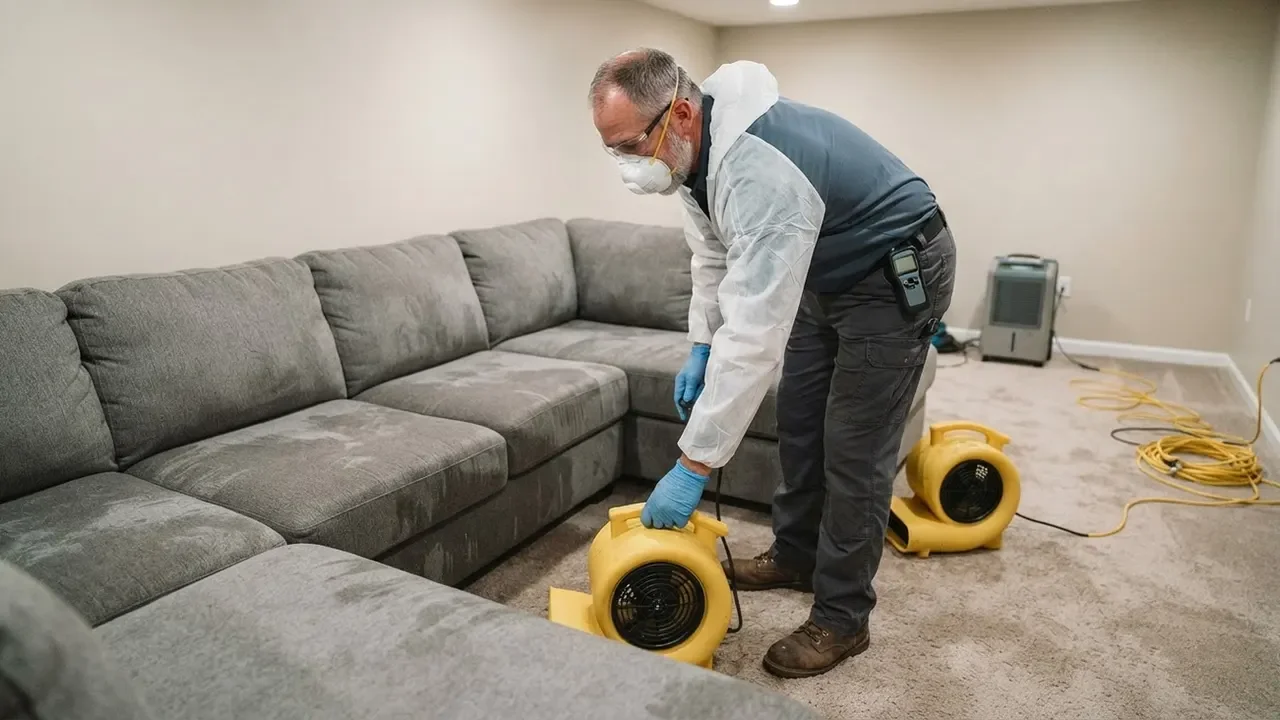
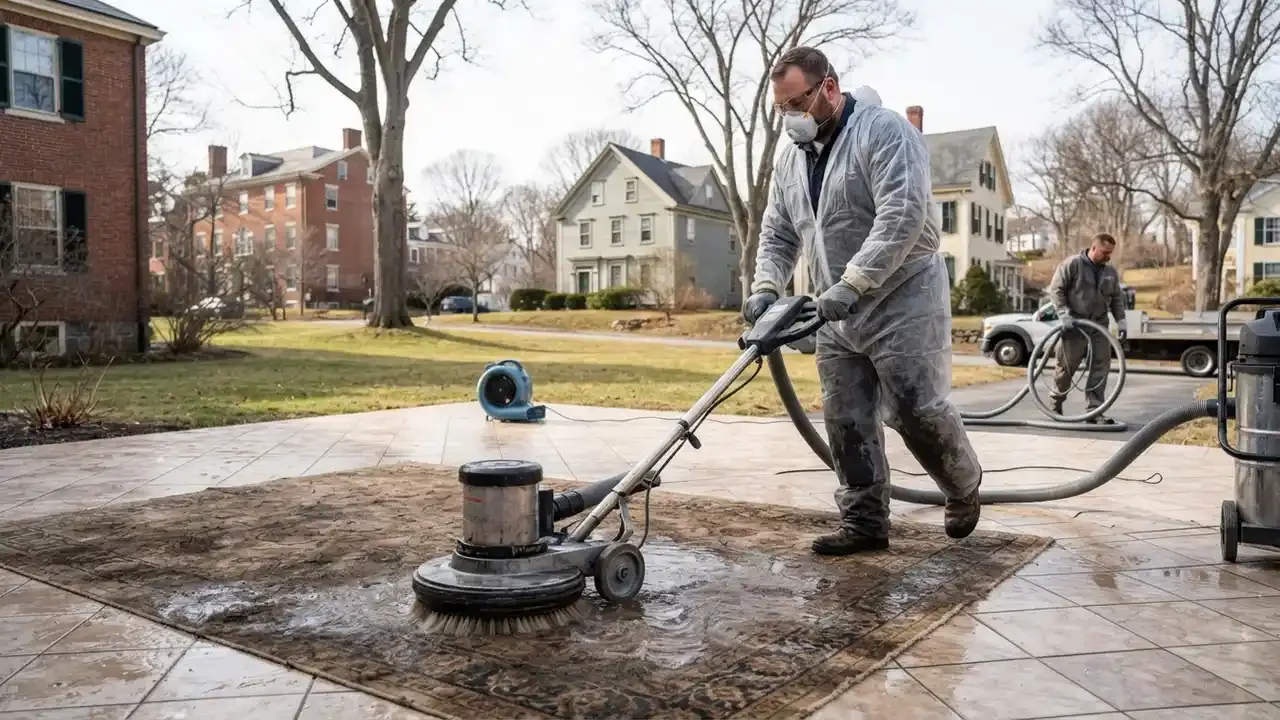
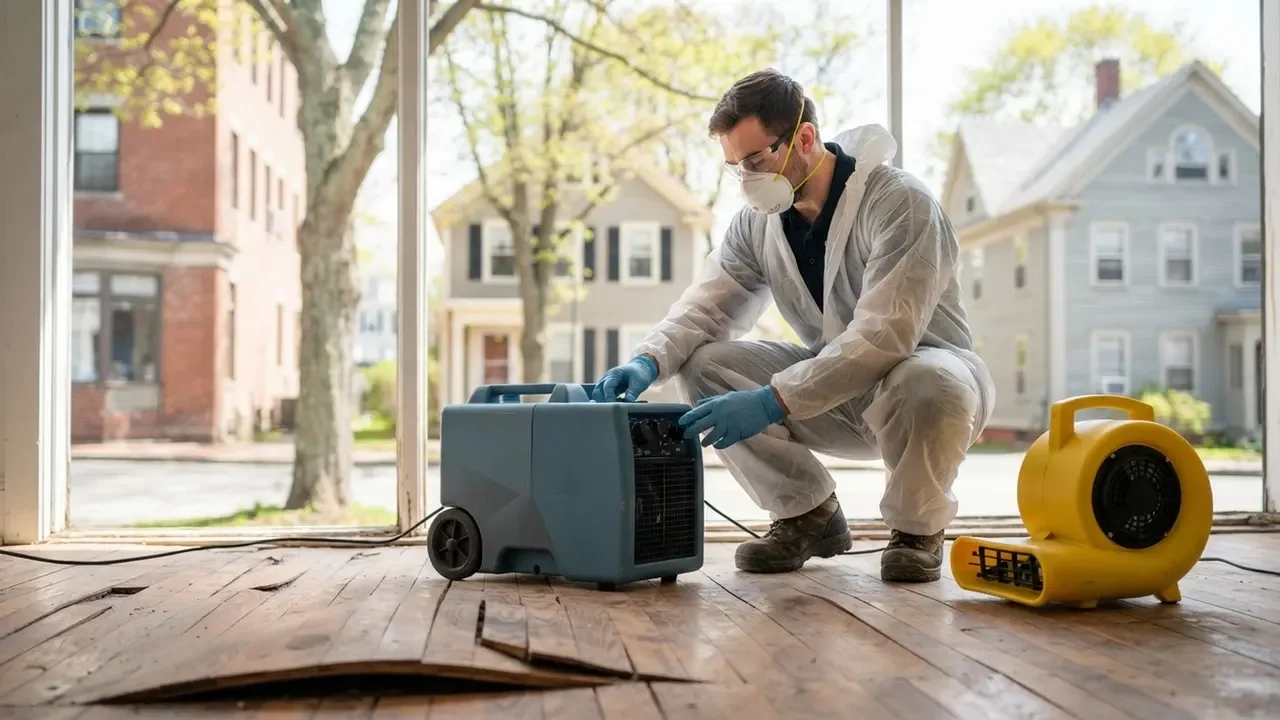
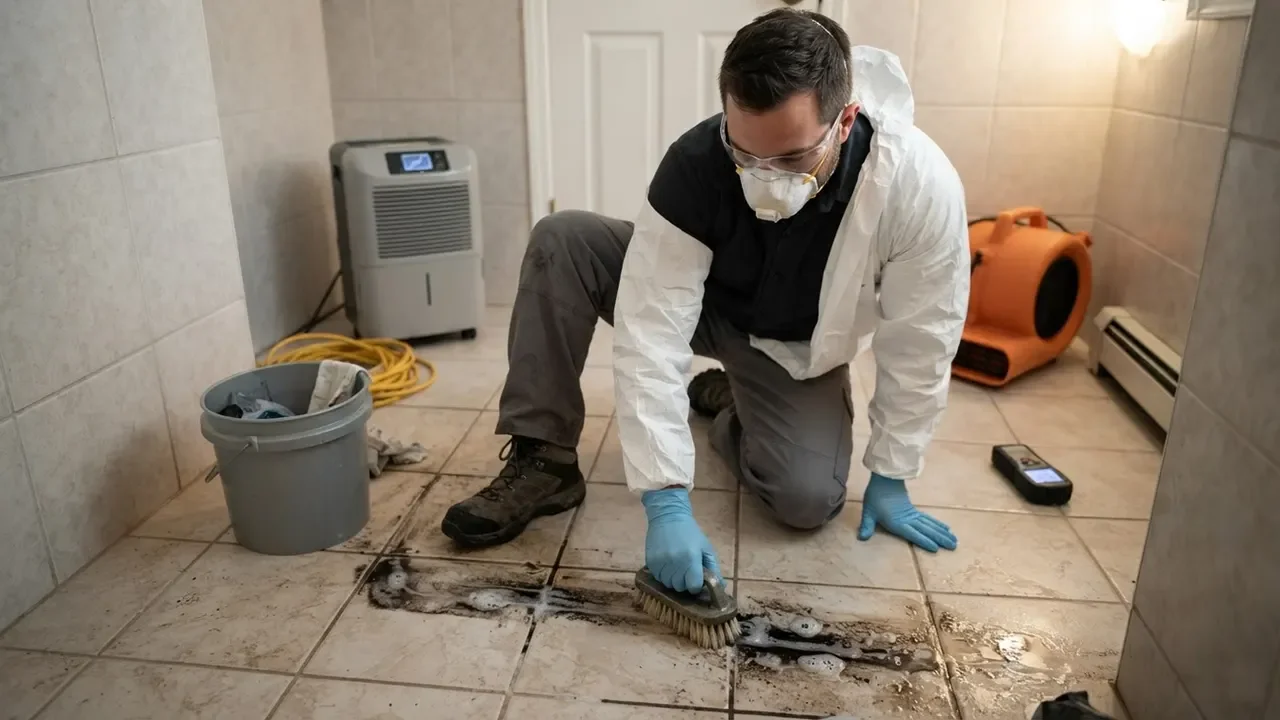
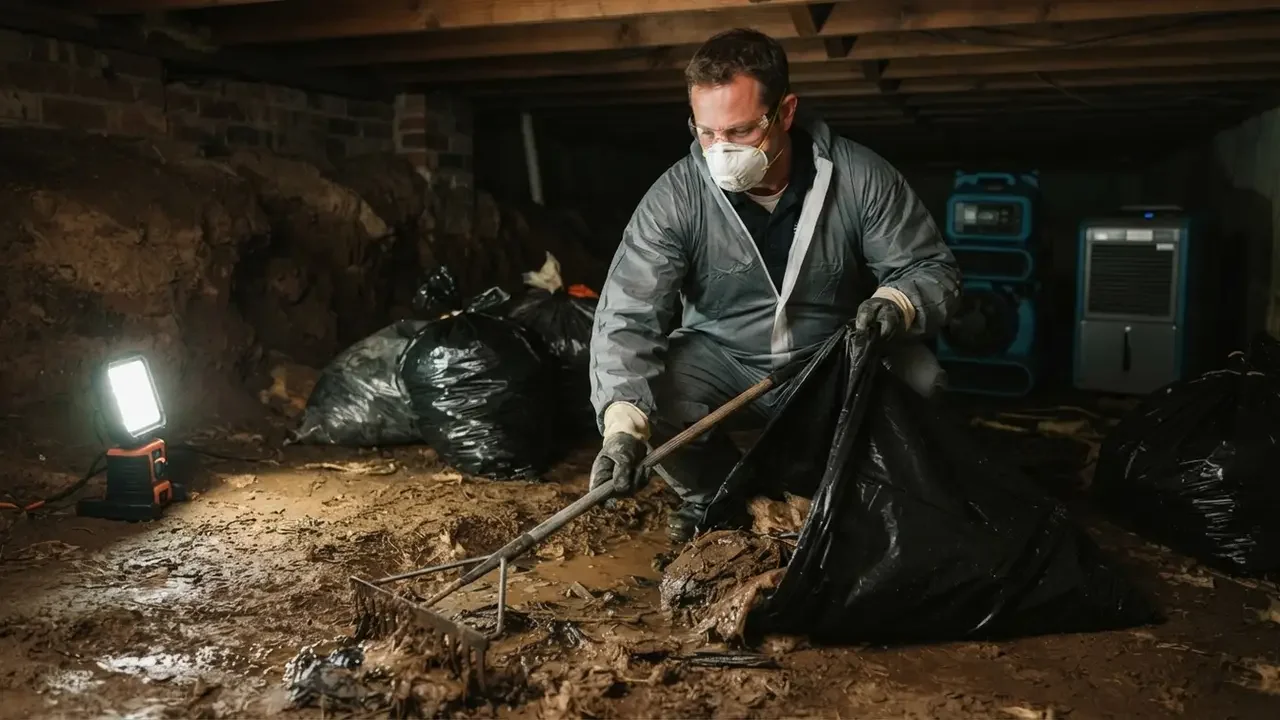
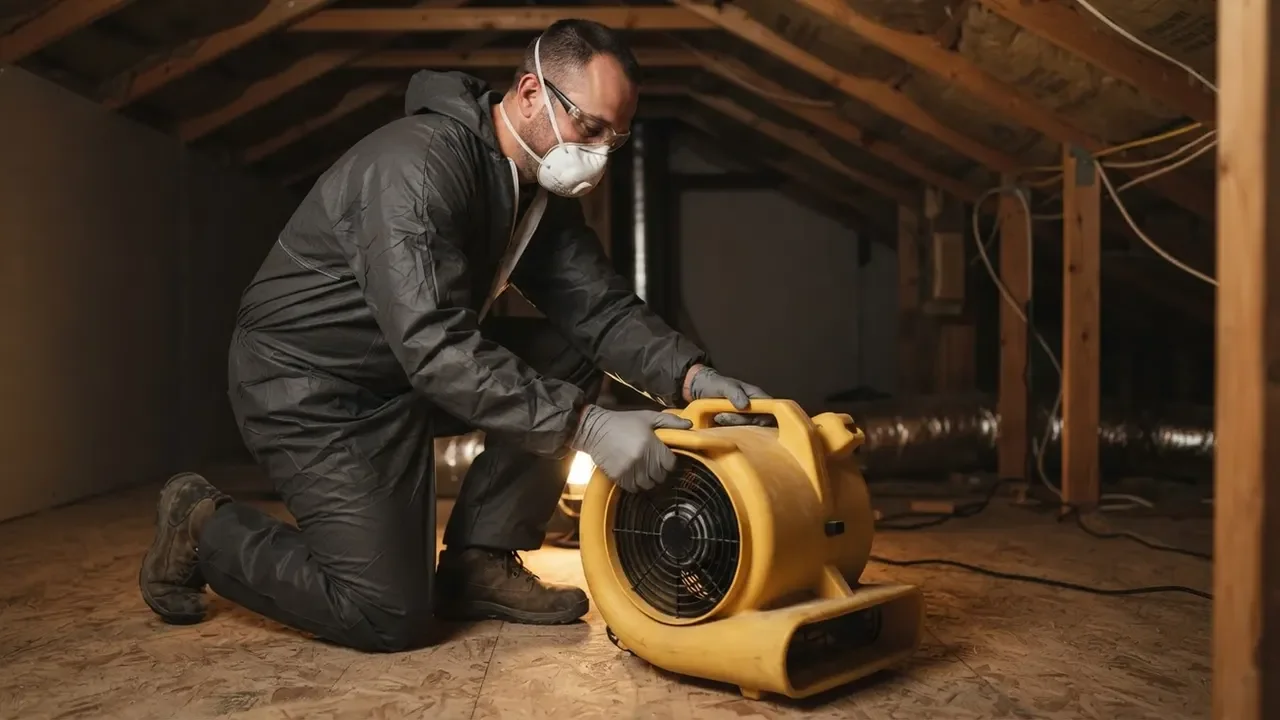
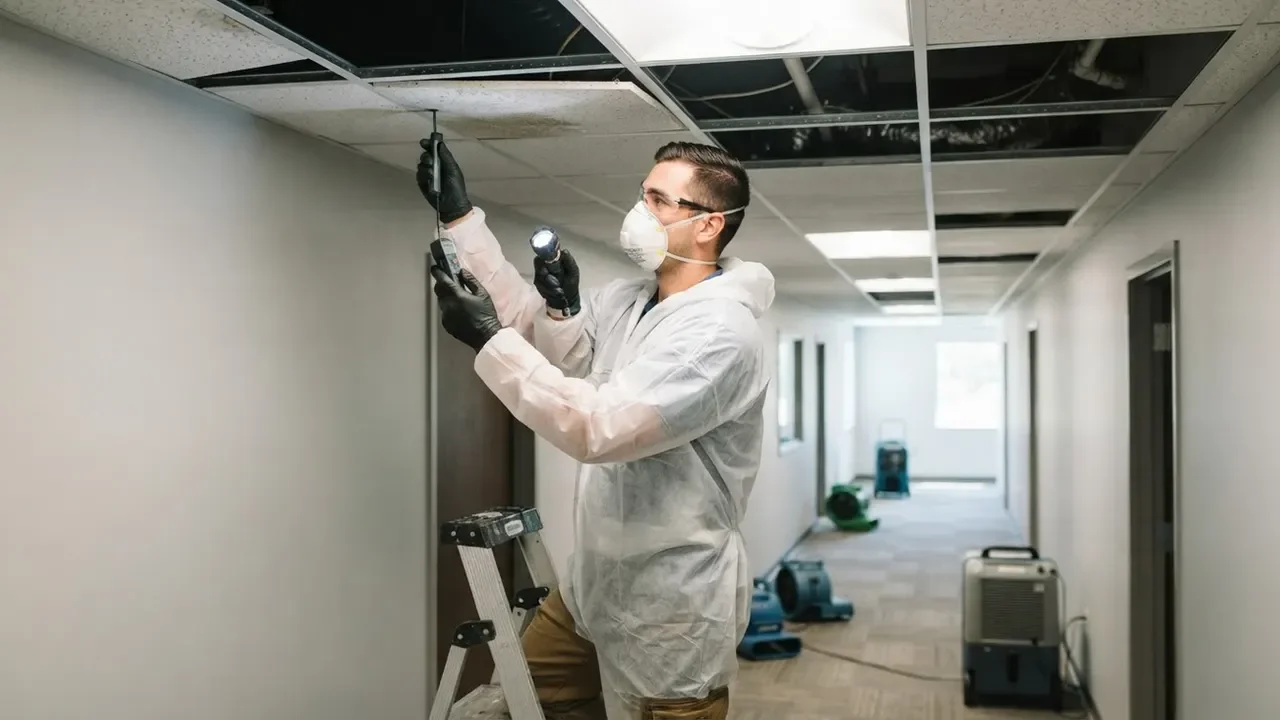
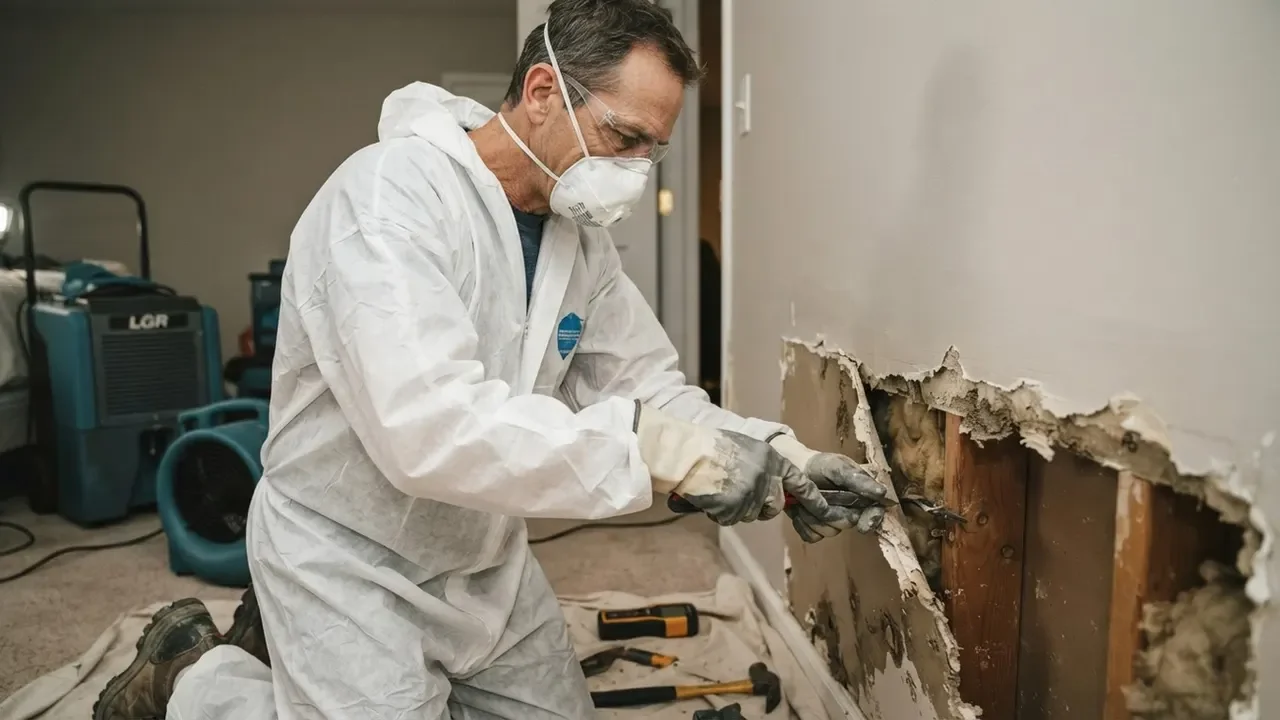
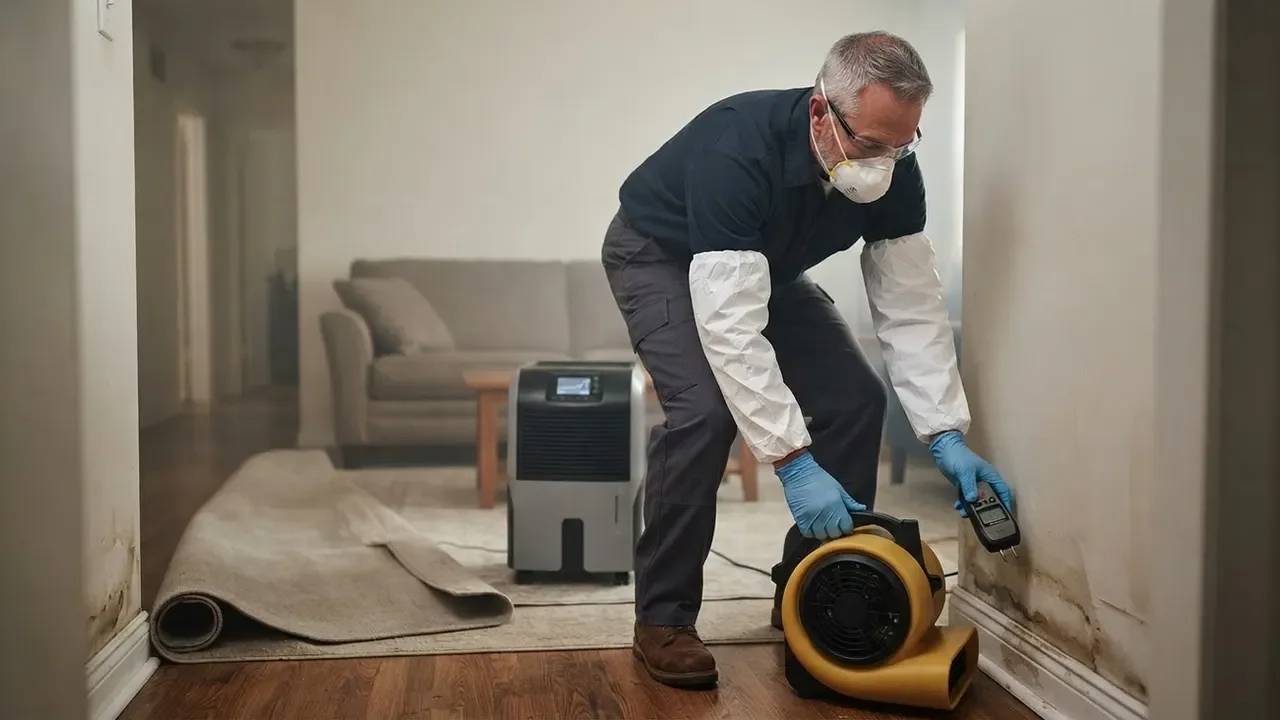
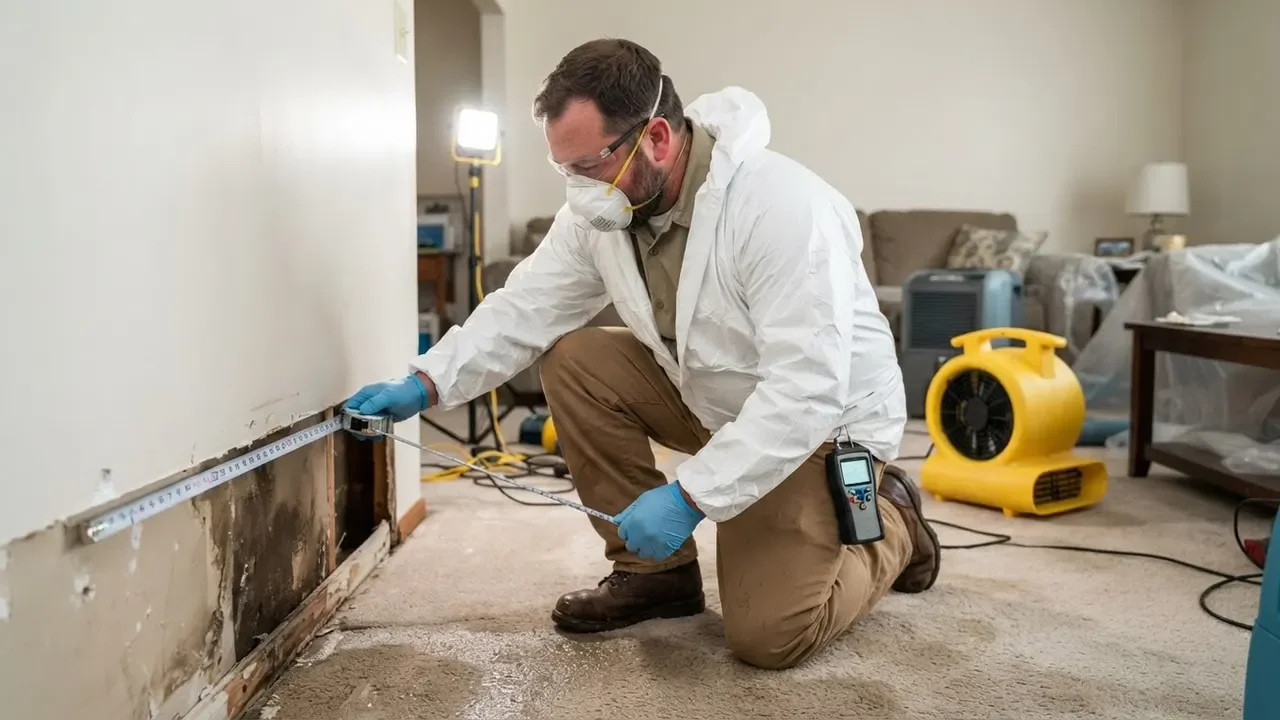
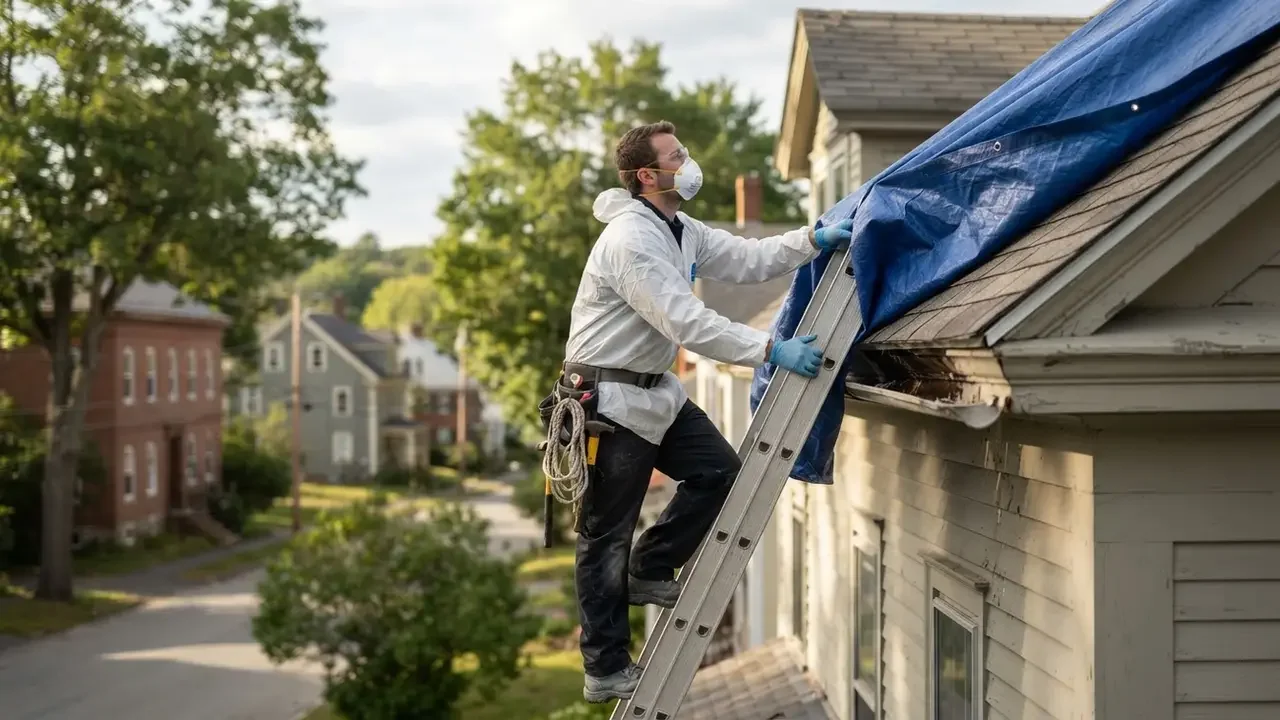
Ward Hill sees the same New England stresses that challenge buildings across Haverhill: freezing temperatures, wind-driven rain, thaw periods, and heavy seasonal rainfall. Newer construction with modern plumbing can still develop supply-line failures, while commercial and industrial buildings with flat roofs require careful checks after storms. Large parking lots with drainage issues and sloped ground can complicate exterior water movement, but each property must be assessed on its own. Ward Hill water damage restoration addresses the source and the wet materials rather than assuming one cause fits every call.
Cold winter conditions can expose vulnerable plumbing to freezing, especially where pipes run near exterior walls or unheated spaces. A small split can release water into insulation and wall cavities before a stain appears, so the visible damage may understate the wet area.
High winds can stress roof edges, flashing, and penetrations on commercial buildings. Water may travel along framing before appearing as ceiling water stains, making the interior mark an unreliable guide to the roof opening.
Hilly terrain can move rainwater toward a low entry or foundation opening. If nearby drainage is blocked or the ground is already saturated, water can collect at the threshold and enter a basement or crawl space.
A slow fixture or appliance leak can remain unnoticed until flooring changes color, grout darkens, or a musty odor develops. Water can move under tile or carpet and reach the subfloor while the surface looks mostly intact.
Call for water damage restoration when you see active water, a spreading stain, or a floor that changes shape after a leak. Ward Hill properties can be affected by burst pipes during freezing weather, roof leaks after high winds, or runoff entering a lower level. If you are searching for basement water removal in Ward Hill MA, mention the depth, source, and whether the water may be contaminated. A fast call helps us identify safety concerns and limit the affected area.
Ceiling stain grows after rain
A stain that expands after a storm suggests water is still entering or has collected above the ceiling. Keep clear of a sagging area and avoid puncturing it yourself. We inspect the interior path, check accessible spaces, and help arrange temporary roof protection if an opening is confirmed.
Floorboards cup or lift
Raised edges or cupping can mean moisture has reached hardwood or the subfloor. The visible surface may not show how far water traveled. Prompt inspection helps us measure the floor and decide whether controlled drying is realistic or damaged sections need removal.
Musty odor persists after cleanup
A persistent musty smell can point to damp carpet padding, insulation, or a hidden wall cavity. Air freshener does not remove the moisture source. We locate wet materials, measure them, and clean or remove affected sections so the odor treatment follows actual source control.
Basement water returns after pumping
Water that returns after removal may indicate continued entry, a failed sump pump, or a drainage problem. Avoid repeated cleanup without checking the source. We remove standing water, inspect the affected perimeter, and identify when plumbing or drainage repair is needed.
Outlet area or wiring gets wet
Water near outlets, electrical panels, or appliances creates a serious shock hazard. Do not touch wet equipment or enter standing water if electrical safety is uncertain. Keep people away and contact emergency services or a qualified electrician as needed before restoration work begins.
We use familiar Ward Hill-area destinations as orientation points, then confirm your exact address and entrance before arrival. Ward Hill Industrial Park and Research Drive help identify the commercial side of the service area, while Haverhill Crossings and Northern Essex Community College are broader reference points for nearby routes. Whittier Tech and Cedardale also help callers describe where they are in relation to Ward Hill. These references guide navigation only; we do not assume a property is located at a landmark or use a landmark as a substitute for your service address.
Ward Hill Industrial Park is a useful orientation point for commercial addresses in the area. Give us your building address and the correct visitor or service entrance so the crew does not rely on the park name alone.
Haverhill Crossings is a recognizable retail reference in the broader Haverhill area. It can help callers describe their general direction, while the exact Ward Hill street address remains necessary for locating a property.
Northern Essex Community College is a regional point of reference near the Ward Hill service area. Mentioning it can clarify general location for a caller, but we confirm the specific street and property entrance before dispatch.
Whittier Tech is a familiar local orientation point for people traveling through the Ward Hill area. Use it to describe the general vicinity, then provide your full address and any building access instructions.
Plus surrounding Essex County neighborhoods, with same-day routing on most appointments.
As November gives way to winter, Ward Hill homeowners should watch exposed plumbing, unheated spaces, and roof areas after high winds. Spring brings thaw and runoff concerns; summer storms can produce sudden roof leaks, and fall is a good time to clear drainage paths before colder weather. If you need emergency water damage restoration in Ward Hill Massachusetts, report whether the problem followed rain, a freeze, or a plumbing failure. Knowing the timing helps us focus the first inspection.
Thawing ground and periods of heavy rain can send runoff toward lower doors and basement entries. Check for water marks, damp stored items, or a sump pump that runs unusually often. A wet basement should be inspected for both water entry and concealed moisture along the floor perimeter.
Tip: Keep gutters and drainage paths clear where accessible, and test your sump pump before prolonged rain. Move stored belongings off the floor so a small amount of water does not soak boxes or fabric.
Summer storms can bring sharp rainfall and high winds that expose roof weaknesses. A ceiling stain may show up after the storm has passed, even when the water is no longer actively dripping. Check attic areas only when access is safe and the structure is stable.
Tip: After a storm, photograph visible damage and place a container under a drip if safe. Keep clear of sagging ceilings and call for an inspection when a stain grows or water reaches electrical areas.
Fall weather is a useful warning period before freezing conditions arrive. Leaves and debris can obstruct drainage, while wind can loosen roof materials. A small leak left unattended can become harder to manage once temperatures fall and access is limited.
Tip: Check visible roof and drainage conditions from a safe position, and address plumbing issues before sustained cold. Do not climb onto a wet or damaged roof; use a qualified contractor for inspection and repair.
Freezing weather raises the risk of burst pipes in exposed or poorly heated areas. A leak discovered at night can spread through walls and floors quickly, while snow and wind can also worsen roof damage. Keep an eye on rooms that have plumbing but receive little heat.
Tip: Know where your main water shutoff is and keep the path to it clear. If a pipe fails, shut off water only if safe, avoid electrical hazards, and call for extraction and drying promptly.
Ward Hill is part of our wider Haverhill service region, so crews can help nearby neighborhoods when a leak or flood affects a home or business. We coordinate calls across the Merrimack Valley and Essex County while keeping each job tied to its actual address, building layout, and access needs. If you are between Ward Hill and another Haverhill area, call with the street name and ZIP code and we will route your request to the right service coverage.
(City)
Downtown Haverhill is part of the same Haverhill service region; callers can share the property address to confirm the correct crew route.
View Downtown Haverhill(City)
Riverside is another Haverhill service area. We coordinate requests by street address and building access rather than assuming a fixed travel time.
View Riverside(City)
Mount Washington sits within the broader Haverhill coverage area, and service planning depends on the property location and current road access.
View Mount Washington(City)
Bradford is served as part of the Haverhill region. Share the ZIP code and affected entrance so we can route the response accurately.
View Bradford(City)
Highlands is included in our nearby Haverhill service coverage, with calls scheduled around the property address and the work required.
View Highlands(City)
Ayers Village is another location in the wider coverage area. We confirm the address and access details before planning an extraction or inspection visit.
View Ayers VillageReal answers from our team for the questions we hear most often before a job starts.
If water is spreading through your Ward Hill home or business, call (833) 546-4116 now. We accept emergency calls 24/7 and will ask about the source, affected rooms, and any immediate safety concern. Our team can assess extraction and drying needs, document the damage, and explain the next step for your property. Keep clear of standing water near electrical equipment while you call.
Call (833) 546-4116 when water is entering your home or business, or when a damp room needs inspection. Our referral line is available 24 hours a day to connect you with independent companies serving Haverhill, MA, including areas near 01831 and 01835. Tell us what happened, where the water is, and whether it is still flowing.
Phone
(833) 546-4116Address
Haverhill, Massachusetts
Hours
Mon–Fri: 7AM – 7PM
Sat: 8AM – 4PM
Sun: Emergency Only
24/7 Emergency Available