Haverhill Water Damage Restoration
Call (833) 546-4116

Furniture and Upholstery Water Damage Restoration in Haverhill

Save soaked sofas, chairs, and cherished household furnishings


Furniture and Upholstery Water Damage Restoration in Haverhill helps homeowners and businesses address wet sofas, chairs, cushions, and other furnishings after leaks or flooding. Our team extracts moisture, checks hidden dampness, and selects cleaning and drying methods suited to the fabric and water source. upholstery water damage restoration Haverhill MA is especially important after a burst pipe, basement flooding, or a leak that leaves cushions wet and musty.

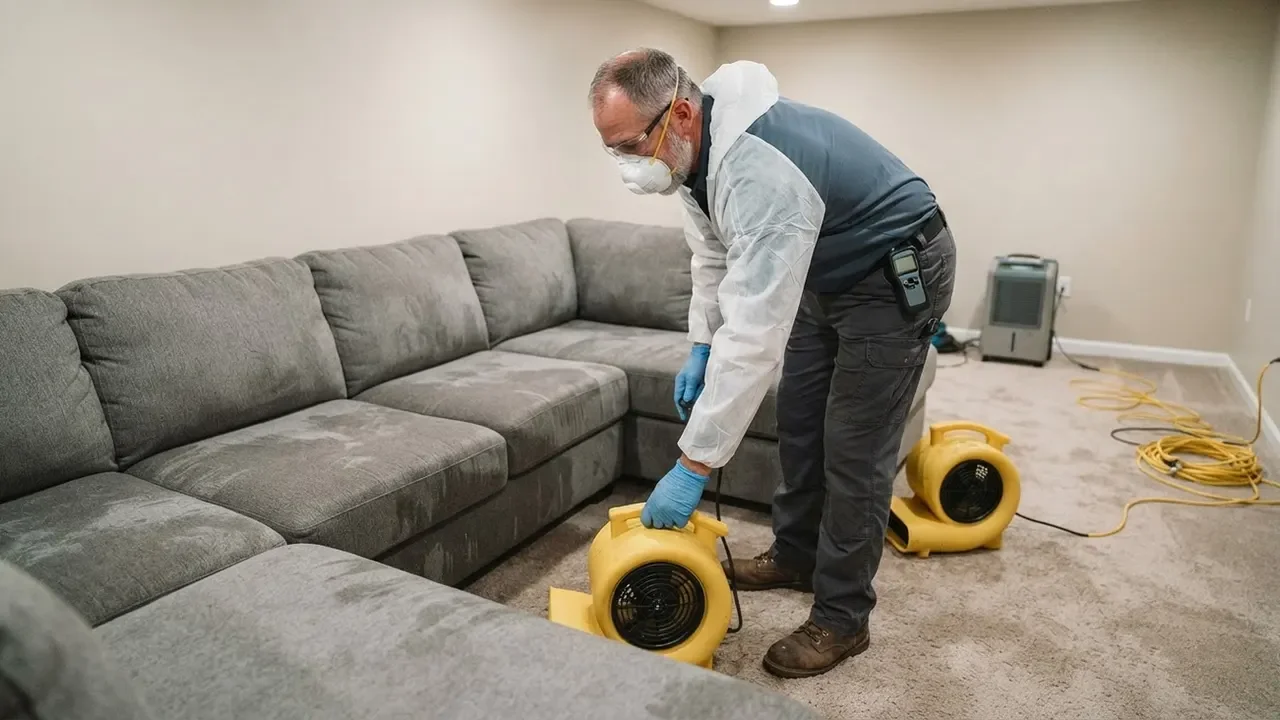
Furniture and Upholstery Water Damage Restoration in Haverhill: restoration technician setting up targeted air movers around
24/7 Emergency Same-Day Response
Warranty Backed Workmanship Guaranteed in Haverhill

What Furniture Restoration Includes

Furniture restoration includes inspection, documentation, moisture extraction, suitable surface cleaning, and controlled drying for salvageable items. We also check the flooring and nearby materials that can keep upholstery damp. Odor treatment and restoration of walls or floors are coordinated when needed, so you understand which parts of the room are being addressed and why.

Furniture Condition Assessment

We inspect upholstery, seams, cushion fill, and accessible frame areas, then record visible damage and the water source. This helps us determine whether the piece is suitable for cleaning and drying. We also check the contact area beneath furniture for moisture transfer.

Water Extraction

We remove accessible moisture from cushions and upholstery using equipment suited to the material. Extraction reduces the water load before drying begins. We take care not to over-wet delicate fabrics during cleaning and check nearby carpet or flooring for water held beneath the item.

Cleaning and Deodorizing

Where the fabric and water category allow, we clean affected surfaces and address residues that contribute to odor. We test a small area first for color stability. Deodorizing follows source removal and drying; it is not used as a substitute for dealing with damp cushion cores.

Drying and Moisture Checks

We position air movers and dehumidification to support drying of furniture and the surrounding room. Moisture checks guide progress in cushions and nearby materials. You receive an update on what has dried and whether any connected flooring or wall area still needs attention.

Damage Documentation

We record affected items and visible conditions with notes and photographs where appropriate. This creates a useful reference for your own records and insurance conversation. Documentation describes the damage and work performed; coverage decisions remain with your insurance provider.

Furniture and Upholstery Water Damage Restoration in Haverhill


Furniture and Upholstery Water Damage Restoration in Haverhill is a contents restoration service that removes water, cleans affected upholstery, and dries furniture after a leak or flood. We first identify the water source and classify the material, then use an extraction wand or controlled vacuuming to remove accessible moisture. A moisture meter helps check cushions, frames, and nearby flooring rather than relying on surface feel alone. The right treatment depends on fabric construction, dye stability, padding, and whether the water was clean, gray, or contaminated.

Haverhill homes face winter frozen-pipe leaks, roof leaks after storms, and basement flooding that can soak furniture before the water is noticed. We assess the furniture alongside nearby carpet padding, hardwood flooring, and baseboards so dampness is not left under a sofa or chair. For homeowners searching furniture water damage restoration near me Haverhill MA, we can coordinate extraction, cleaning, deodorizing, and drying with the larger room-restoration work. Early action matters: wet padding can hold moisture long after upholstery feels dry.
What to Expect During Restoration

Furniture and Upholstery Water Damage Restoration in Haverhill follows a measured sequence: stop active water, assess the contents, remove moisture, clean suitable materials, and verify drying. We explain what happens at each step so you know which pieces are being treated and what needs further attention.

01

Schedule

Call or book online — a real human picks up and confirms a 2-hour arrival window.

02

Diagnose

A tech inspects on-site, then walks you through the cause and your options.

03

Fix

The job is completed to code and done right the first time — no shortcuts, no surprises.

04

Guarantee

Every job backed by a written workmanship warranty — and we stand behind it.

Tools and Restoration Methods

Tools & Equipment

Moisture meter

We use readings to compare damp and unaffected areas in cushions, flooring, and nearby materials. Measurements help guide drying decisions, but we interpret them alongside material type and visual inspection.

Extraction wand

An extraction wand removes accessible water from suitable upholstery and nearby carpet. We select the method and pressure carefully to avoid unnecessary saturation or damage to delicate fabric.

Air mover

Air movers increase airflow across wet surfaces and around furniture. We position them to support even drying and avoid directing excessive force at delicate upholstery or loose fabric.

Dehumidifier

A dehumidifier removes moisture from room air, supporting the drying of furniture and nearby building materials. We monitor conditions and adjust the setup as the room dries.

Thermal imaging camera

A thermal imaging camera can help identify temperature patterns that warrant closer inspection around walls or floors. We verify suspected dampness with direct checks instead of treating an image as proof by itself.

Methods & Standards

Material-first assessment

We identify fabric, backing, cushion fill, and frame construction before selecting a process. A water-resistant synthetic sofa and a delicate natural-fiber chair do not receive identical treatment. We also account for the water source and contact time, then explain the practical restoration options.

Controlled extraction and drying

We remove accessible moisture first, then use airflow and dehumidification to support drying. Equipment placement is adjusted to the room and furnishings. Moisture checks help confirm progress, while protection beneath furniture reduces the chance of transferring dampness to dry flooring.

IICRC-informed restoration

Our approach follows applicable principles in ANSI/IICRC S500 for professional water damage restoration. We assess water conditions, affected materials, and drying progress rather than relying on a fixed formula. The standard informs the work; the appropriate treatment still depends on the specific furniture and loss.

Source-led odor treatment

We address moisture and residue before applying any deodorizing treatment. If odor is coming from cushion fill, backing, carpet padding, or a damp wall, we target that source. This sequence helps avoid temporary masking and supports a more durable result.

When to Restore Wet Furniture

01

A Frozen Pipe Leaks Overnight in a Bradford Home and Soaks a Sofa Before the Water Is Shut Off.

What we do: We assess the water source and affected furnishings, then extract water from the sofa and nearby floor. We check cushion fill, upholstery seams, and the wall or baseboard behind the furniture. Drying equipment is set to address both the item and room, with follow-up moisture checks.

→ You get a clear decision on which pieces can be treated and what room drying remains. Acting early reduces the time cushions and flooring stay wet.

02

Basement Flooding in Haverhill Leaves Stored Chairs and Upholstered Furniture Standing in Water.

What we do: We first identify whether the water is contaminated, then separate affected contents from the wet floor. Each item is assessed for its material and exposure. We coordinate furniture decisions with basement water removal and check carpet padding or subfloor where present.

→ Furniture is not cleaned using a one-size-fits-all method. You learn which items are suitable for restoration and which need a safer alternative.

03

A Roof Leak After a Fall Storm Drips Onto a Living-Room Chair Near an Exterior Wall.

What we do: We document the chair and nearby damage, move it away from continued exposure, and assess upholstery and wall moisture. Once the opening is protected, we extract and dry suitable materials. We also check for ceiling water stains and moisture behind the chair.

→ The chair and the room are addressed together, reducing the chance of residual odor or repeated wetting while the leak is repaired.

04

An Appliance Leak in a Downtown Haverhill Apartment Wets a Sofa and the Shared Wall Beside It.

What we do: We inspect the sofa, floor, and affected wall, then document conditions for your records. We coordinate extraction and drying while keeping items clear of damp surfaces. Where neighboring materials are affected, we explain the connected work needed to dry the space.

→ You receive an organized account of the affected contents and room, useful when communicating with property management or your insurer.

How Furniture Restoration Works in Haverhill

Haverhill's cold-season freezes can turn a small pipe failure into a wet living room before morning. Spring rain and strong storms can also expose roof leaks, while basement flooding can reach stored furniture and carpet padding. In older homes, water may move behind baseboards or into hardwood flooring before the upholstery looks heavily soaked. We check both the contents and the surrounding construction, using moisture readings to guide what needs drying. For upholstery water damage restoration near me open now Haverhill, tell us whether the water came from a pipe, roof, appliance, or backup so we can plan the right response. Our team serves Essex County neighborhoods including Bradford, Riverside, and Highlands. We follow applicable safety and restoration practices, document observed conditions, and coordinate furniture work with room drying. For contaminated water, we assess porous upholstery carefully before recommending cleaning. A clear water source and quick access to wet items help us make an efficient first assessment.

Neighborhoods We Serve

  • Bradford

    Winter pipe leaks can wet furniture in finished rooms before residents spot water at a basement ceiling. We check the upholstery and the floor beneath it together.

  • Downtown Haverhill

    In multi-unit buildings, a leak can affect furniture and shared walls. We document the contents and check adjacent surfaces while coordinating the room's drying needs.

  • Highlands

    Basement and storm-related moisture can reach stored upholstered items. We assess the water source and separate potentially contaminated contents before treatment.

  • Riverside

    After heavy rain or a plumbing leak, furnishings near exterior walls may be affected alongside flooring. We inspect contact points and wall-side moisture.

Local Conditions We Plan For

  • Freezing winter temperatures raise the risk of burst and frozen pipes

    A sudden leak can wet furniture during overnight hours, and cold indoor conditions can slow drying. We prioritize extraction, protect nearby materials, and use measured drying checks to confirm progress rather than relying on surface feel.

  • Heavy rain and roof leaks can soak upholstery near exterior walls

    Water may travel from a ceiling or wall before dripping directly onto furniture. We assess the likely path, check concealed contact areas, and coordinate contents drying with repairs to the water entry point.

  • Basement flooding can affect stored furniture and floor coverings

    Water may involve carpet padding, subfloor, and upholstery at once. We determine the water source and contamination risk, then coordinate furniture decisions with basement extraction and structural drying.

Sofa After a Pipe Leak

Before

A burst pipe left a living-room sofa wet across two seat cushions, with water pooled under the front legs. The fabric felt clammy, but the homeowners could not tell whether the foam was soaked or whether the hardwood beneath it had taken on moisture. A musty smell began as the room warmed.

After

We extracted accessible water, checked the cushions and floor, and dried the area with controlled airflow and dehumidification. Follow-up checks over 48 hours showed improving moisture readings. The upholstery was cleaned where suitable, and the homeowners received notes on the furniture and floor condition.

Maintenance: Keep the leak source repaired and leave space around the sofa for airflow. After future spills, lift cushions if safe, blot rather than scrub, and arrange prompt assessment if the cushion core or flooring feels damp.

Before

Several upholstered chairs sat in basement water after a storm. The lower fabric and legs were wet, and a nearby rug remained saturated. Because the water source was uncertain, the owners were concerned about carrying contamination upstairs or keeping unsafe furniture.

After

We assessed the water conditions, separated the chairs from the wet rug, and documented each item before deciding on treatment. Suitable pieces were cleaned and dried; other porous materials were not treated as ordinary clean-water damage. Room drying continued until checks showed the affected area had improved.

Maintenance: Store upholstered furniture above the floor in flood-prone areas and keep a clear route to move items safely. Check basement humidity and address water entry promptly, especially after heavy rain.

Before

A roof leak during a storm dripped onto a reading chair beside an exterior wall. The seat was visibly damp, and the wall behind it showed a ceiling water stain. The chair had not yet developed a strong odor, but the cushion stayed wet to the touch.

After

We moved the chair away from the leak, documented the affected fabric, and checked the wall and floor nearby. Once the water entry was addressed, we extracted and dried the suitable upholstery. The item and surrounding area were rechecked over the following 24 to 72 hours.

Maintenance: After storms, inspect ceilings and exterior-wall corners for fresh staining or drips. Keep furniture clear of a wet wall until the source is repaired and the area has been checked for moisture.

Problems Solved by Furniture Restoration

Furniture exposed to water can look dry on the outside while its cushion core, frame, or flooring contact point stays damp. We identify those hidden problem areas, then match extraction, cleaning, and drying to the item. For water damaged furniture restoration near me Haverhill, the first useful step is a prompt assessment.

Problem

A Sofa Feels Dry but the Cushions Still Hold Water

Moisture trapped inside foam or batting can create a musty smell and prolong dampness in the room, even after the upholstery surface feels dry.

Our Fix

We inspect cushions and seams, extract accessible water, and use moisture checks to follow drying. If the fill is too saturated or contaminated for safe recovery, we explain that finding instead of masking the odor. We also check the floor below the sofa so the source of dampness is addressed.

Problem

Water Marks and Dye Changes Appear on Chairs

Staining can spread as water dries, and an unsuitable cleaning product may set a mark or cause color loss across the fabric.

Our Fix

We identify the fabric and test an inconspicuous area before cleaning. The treatment is selected to limit additional wetting and protect the material. We document the visible condition and explain which marks are water-related, which may be pre-existing, and what outcome is realistic.

Problem

Furniture Sits on Wet Carpet After a Basement Leak

The furniture can hold moisture against carpet padding and subfloor, leaving a persistent odor and slowing the drying of both the room and the upholstery.

Our Fix

We carefully separate the furniture from wet flooring, extract water, and assess the carpet, padding, and floor beneath. Airflow and dehumidification are arranged for the whole affected area. This coordinated work helps prevent moisture from remaining under furniture after the visible water is gone.

Problem

A Musty Smell Returns After Surface Cleaning

A returning odor often means moisture or residue remains in a cushion core, backing, or nearby building material, rather than simply on the fabric surface.

Our Fix

We trace the odor to the likely damp material, check cushions and nearby surfaces, and address the moisture before deodorizing. If wet drywall or flooring is contributing, we include it in the room plan. This avoids relying on fragrance to cover a problem that needs drying.

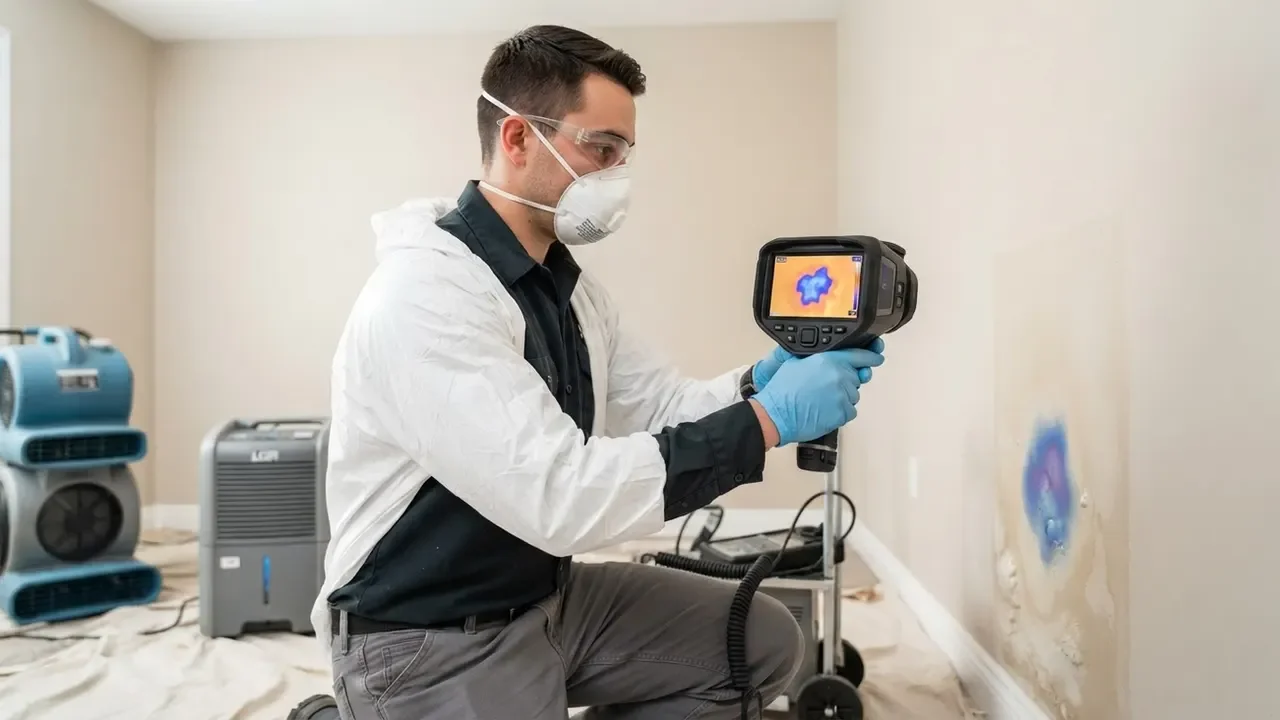
Water damage restoration in Haverhill: close-up of a thermal imaging camera screen displaying a color-coded heat map

Practical Benefits for Your Furniture

Our goal is to recover what is safely salvageable and give you a clear plan for every affected piece. We separate furniture from wet building materials, document its condition, and match the treatment to the item instead of applying one process to every fabric.

  • Recover Salvageable Pieces

    We inspect upholstery, cushion fill, seams, and frames before recommending cleaning or disposal. That distinction can protect a quality sofa from unnecessary replacement while keeping compromised items out of the home. Haverhill furniture water damage restoration starts with the condition of each piece, not a blanket promise that every item can be saved.

  • Reduce Lingering Odors

    Water trapped in cushion cores and upholstery backing can leave musty odors after the surface dries. We extract moisture, clean suitable materials, and dry them with controlled airflow. When odor remains, we identify its source before choosing an appropriate deodorizing treatment rather than masking it with fragrance.

  • Limit Secondary Damage

    Moving wet furniture off carpet or hardwood reduces prolonged contact between damp materials. We protect the floor, inspect the area beneath each item, and check adjacent baseboards. This helps catch moisture that could otherwise contribute to swelling, staining, or mold growth in a concealed spot.

  • Document Each Item

    We record visible damage, material type, and treatment steps so you have a practical item-by-item record for your claim file. Photographs and notes help distinguish pre-existing wear from water-related changes. You can use that documentation when discussing coverage with your insurer.

Restoration Standards and Proof

Industry Standards

  • IICRC Water Damage Restoration Technician — issued by Institute of Inspection, Cleaning and Restoration Certification
  • IICRC Applied Structural Drying — issued by Institute of Inspection, Cleaning and Restoration Certification
  • IICRC Applied Microbial Remediation Technician — issued by Institute of Inspection, Cleaning and Restoration Certification

Furniture Restoration Know-How

We approach furniture as both a contents problem and part of the building's drying plan. Fabric type, cushion construction, water category, and time wet all change the recommended treatment. Our technicians use moisture checks and controlled drying, and follow applicable IICRC guidance for water restoration work. We do not claim every item is recoverable; we explain the condition we find and act accordingly. For Haverhill customers, our local experience includes winter leaks, basement water, and storm-related intrusion that affect both furnishings and the rooms around them.

  • We assess upholstery fabric, backing, cushion fill, and frame materials before selecting an extraction or cleaning method.
  • Moisture readings help us track dampness inside cushions and adjacent flooring rather than judging only by touch.
  • We distinguish clean-water exposure from sewage backup or other contamination before treating porous furniture.
  • Our team coordinates contents drying with room drying to avoid leaving moisture beneath furniture or in carpet padding.
  • We document observed conditions and completed work so you can keep a clearer record for an insurance discussion.
Get Started Today
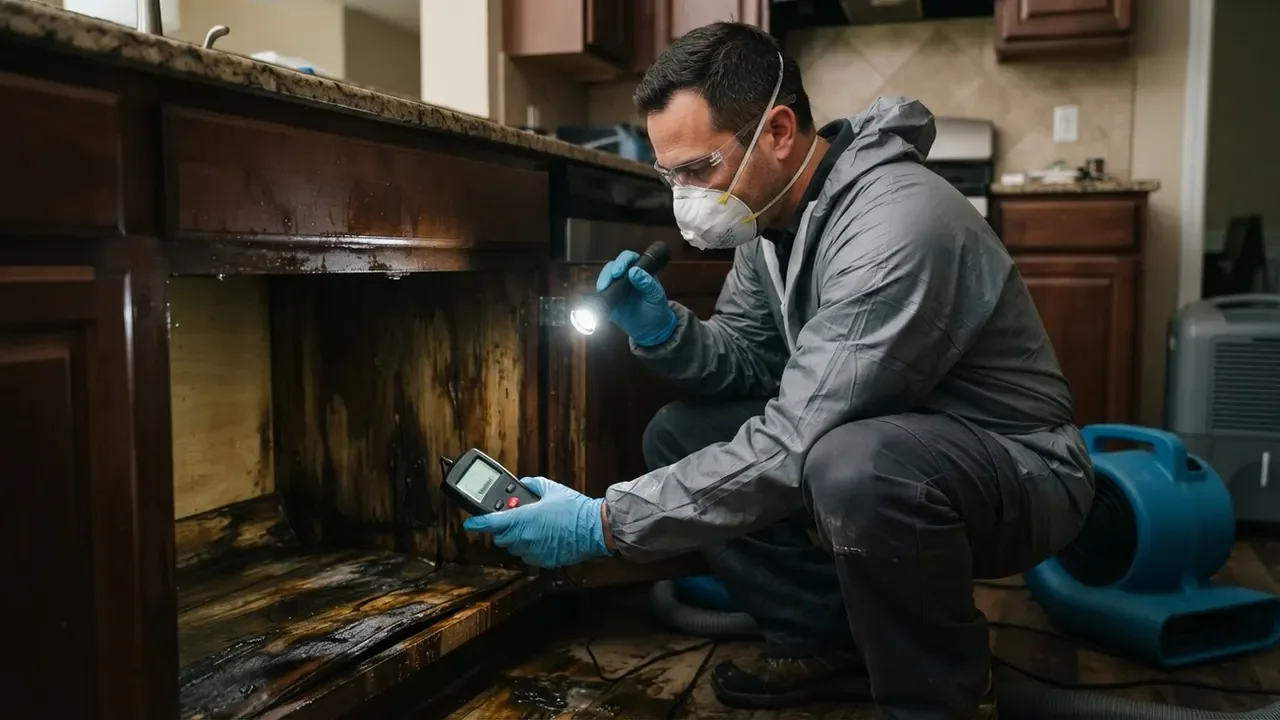
Water damage restoration in Haverhill: restoration technician inspecting a water-damaged kitchen cabinet interior with a

Furniture Restoration Questions

Real answers to the questions we hear most often from local homeowners and property managers.

How much does furniture water damage restoration cost in Haverhill MA?
Furniture restoration commonly varies per affected item, depending on size, material, contamination, and drying needs. A small dining chair costs less to treat than a large sectional with water inside several cushions. We assess the pieces and give upfront pricing before work proceeds. In typical pricing, room-wide extraction or odor treatment can add cost when flooring or other contents are also affected.
Can water damaged upholstery be saved in Haverhill?
Yes, upholstery exposed to clean water is often a restoration candidate when treated promptly, but recovery depends on fabric, cushion fill, and how long it stayed wet. We inspect for dye transfer, odor, structural damage, and contamination before choosing a method. Sewage backup or prolonged saturation can make porous materials unsuitable for cleaning. For water damaged furniture restoration near me Haverhill, call while items are still wet rather than waiting for odor or staining.
How long does upholstery water damage restoration take in Haverhill Massachusetts?
Most upholstery drying takes 24 to 72 hours, while inspection and initial extraction often take one to three hours. Dense foam, cool indoor temperatures, limited airflow, or wet flooring beneath furniture can extend the schedule. We check moisture during the process and adjust equipment as needed. Cleaning and drying are separate steps, so the final timing depends on the item's material and the amount of water absorbed.
Does insurance cover furniture restoration in Haverhill MA?
Insurance may cover furniture restoration when the water loss is a covered event, such as a sudden pipe failure, but the policy determines eligibility. Photograph the damage, keep receipts, and avoid discarding affected items before documenting them. We can provide item notes and treatment details for your claim file; your insurer makes the coverage decision. Sewage, flood, gradual leaks, and maintenance issues can be treated differently under policy terms.

Related Restoration Services

Water Damage Restoration

Furniture damage often signals a larger moisture problem in the room. We address the affected contents alongside wet building materials, checking the source and the route water traveled. Coordinating both parts helps prevent a restored sofa from being placed back over a damp floor or beside wet drywall.

View Water Damage Restoration

Emergency Water Extraction

Fast extraction reduces the time water sits in upholstery and under furniture. We remove standing water from the room, then assess cushions and frames for absorbed moisture. This service is useful after a burst pipe or appliance leak when a sofa, rug, or chair is surrounded by water.

View Emergency Water Extraction

Flood Cleanup

Floodwater can carry contaminants that change whether upholstered items are safe to restore. We separate affected contents, address standing water, and evaluate porous materials before cleaning. Furniture treatment is coordinated with room cleanup so residue and moisture are not left behind.

View Flood Cleanup

Basement Water Removal

Basement flooding can reach stored chairs, sofas, and upholstered pieces before homeowners find the leak. We remove water, check furniture contact points, and inspect carpet padding and subfloor. Restoring the room and its contents together helps limit musty odors and repeat moisture issues.

View Basement Water Removal

Sewage Backup Cleanup

A sewage backup creates a contamination concern, not just a drying problem. We assess whether upholstered items can be safely cleaned or need removal, while addressing affected surfaces and water. Porous cushions exposed to contaminated water require careful evaluation before any restoration decision.

View Sewage Backup Cleanup

Storm Damage Restoration

Wind-driven rain or a roof leak can soak furniture near windows and exterior walls. We identify the entry point, protect affected belongings, and dry the room as well as the upholstery. This coordinated approach helps avoid returning furniture to a damp area after a storm.

View Storm Damage Restoration

Restore Your Furniture in Haverhill

Wet upholstery needs attention before moisture settles deeper into cushions or flooring. Our team follows IICRC-informed restoration practices and explains the next step plainly. Call (833) 546-4116 to arrange furniture and upholstery water damage restoration in Haverhill.

Call Now Call for Help

Contact Haverhill Restoration

Call (833) 546-4116 when water is entering your home or business, or when a damp room needs inspection. Our referral line is available 24 hours a day to connect you with independent companies serving Haverhill, MA, including areas near 01831 and 01835. Tell us what happened, where the water is, and whether it is still flowing.

Or call us right now at (833) 546-4116 — we answer.
Or email us at hello@haverhillwaterdamagema.com

Haverhill Water Damage Restoration


  • Address

    Haverhill, Massachusetts

  • Hours

    Mon–Fri: 7AM – 7PM
    Sat: 8AM – 4PM
    Sun: Emergency Only
    24/7 Emergency Available

Call (833) 546-4116 Get Quote
Call Quote