Haverhill Water Damage Restoration
Call (833) 546-4116

Water Damage Inspection Haverhill MA for Clear Answers

Find hidden moisture before repairs spread.


Our water damage inspection Haverhill MA helps homeowners, landlords, and local businesses pinpoint water entry, map affected materials, and choose the next step. We check visible damage and hidden moisture after a burst pipe, roof leak, basement flooding, or sewage backup. If you need a water damage assessment Haverhill MA after a leak or storm, call (833) 546-4116 for direct help from our local team.

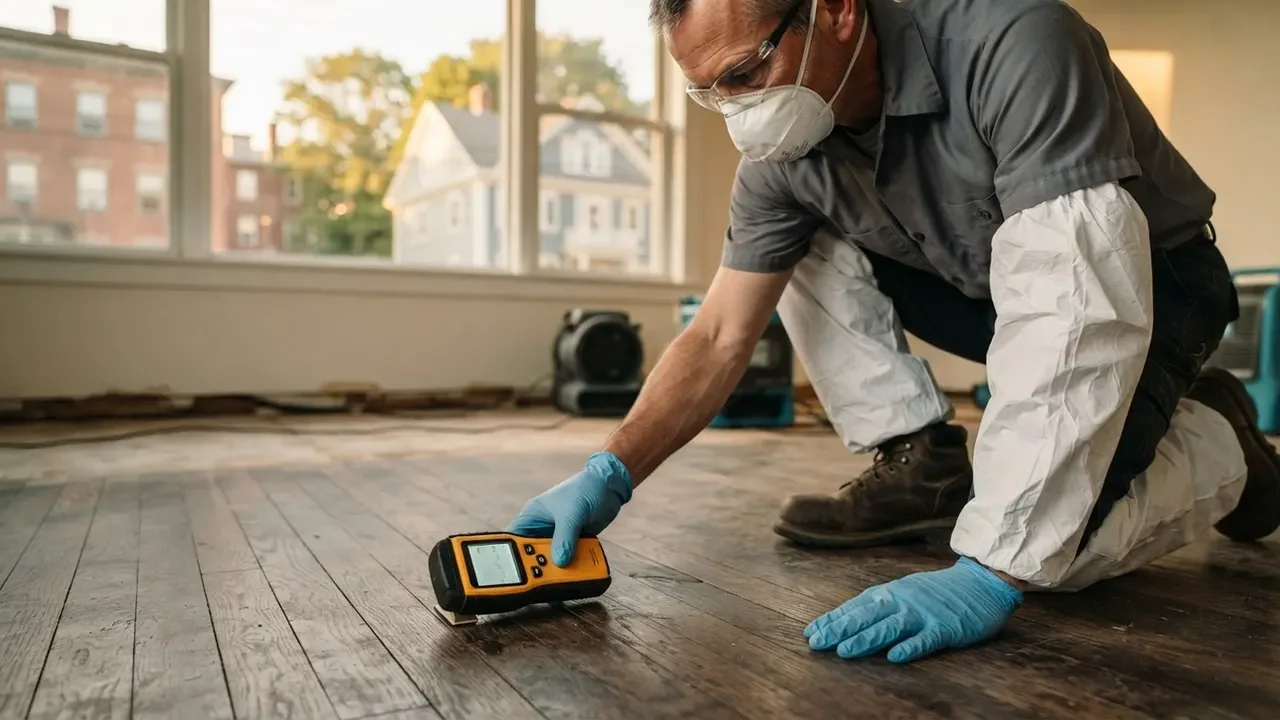
Water Damage Inspection and Assessment in Haverhill: restoration technician using a non-penetrating moisture meter on a
24/7 Emergency Same-Day Response
Warranty Backed Workmanship Guaranteed in Haverhill

What the Inspection Covers

Our inspection covers visible damage, likely source pathways, moisture readings, and a practical summary of affected materials. We check accessible adjoining areas and explain whether drying, extraction, or a closer examination is the next step. Specialized mold testing, plumbing diagnosis, and repairs are separate services when the findings call for them; we focus the inspection on evidence that helps you make a sound decision.

Source Review

We ask when the loss began and inspect likely entry points such as a pipe connection, roof area, appliance line, or foundation edge. Finding the source helps distinguish active water entry from leftover moisture and guides what should happen first.

Room-by-Room Visual Check

We look at visible stains, swelling, peeling finishes, soft flooring, and damaged trim. Then we check nearby rooms and material edges where water could travel. You can walk through the findings with us as we identify the areas that need readings.

Moisture Measurements

We use a moisture meter to compare affected surfaces with nearby unaffected material. Readings help show whether drywall, baseboard, flooring, or subfloor remains damp. We record locations so later checks can be compared against the same points.

Targeted Thermal Check

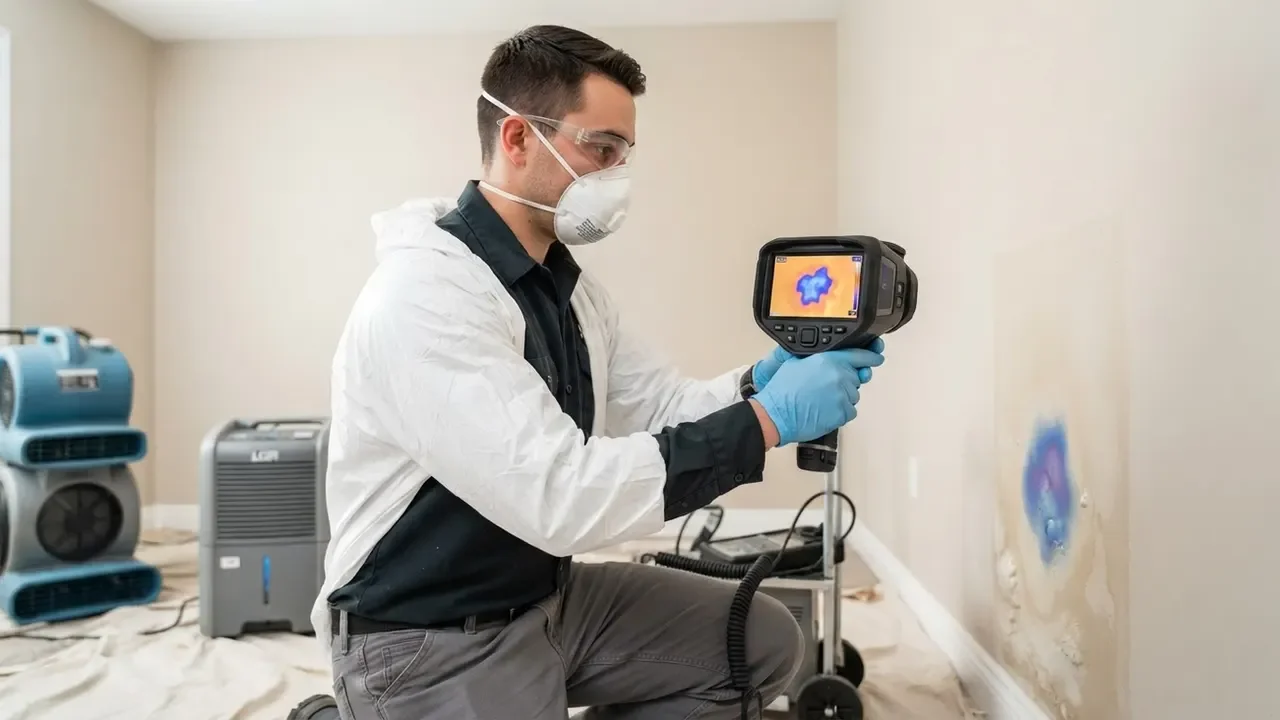
A thermal imaging camera can help flag temperature patterns that deserve a closer look behind a surface. We confirm suspected moisture with direct checks where accessible. The camera guides inspection; it does not independently confirm water damage.

Findings and Priorities

We summarize the likely source, observed damage, affected materials, and immediate priorities. You learn whether extraction, controlled drying, or another trade should follow. Photos and notes help keep the next conversation focused on the conditions we actually observed.

Water Damage Inspection Haverhill MA


Water damage inspection Haverhill MA is a property evaluation that identifies water sources, measures moisture, and documents affected materials so the right drying or repair work can begin. We inspect rooms, ceilings, floors, and accessible wall cavities, then compare moisture readings with unaffected areas. A moisture meter and thermal imaging camera help reveal damp drywall, insulation, hardwood flooring, or subfloor that looks dry on the surface. You get findings tied to specific locations, not a guess based on a stain.

Haverhill homes face winter frozen-pipe failures, spring thaw seepage, roof leaks after wind-driven rain, and basement flooding near low spots. Older finishes can hide a slow leak behind baseboard or beneath carpet padding. Our Haverhill water damage inspection services trace visible symptoms back toward likely sources and identify where further testing is useful. For a water damage inspection in Mount Washington Haverhill, we check the affected level and adjoining spaces so moisture does not get missed around stairs, utility rooms, or foundation walls.
What to Expect During Inspection

Water damage inspection Haverhill MA follows a straightforward sequence: establish the source, check the affected area, measure moisture, and explain what the readings mean. We keep you informed as we move through the property, and urgent standing water or electrical hazards take priority.

01

Schedule

Call or book online — a real human picks up and confirms a 2-hour arrival window.

02

Diagnose

A tech inspects on-site, then walks you through the cause and your options.

03

Fix

The job is completed to code and done right the first time — no shortcuts, no surprises.

04

Guarantee

Every job backed by a written workmanship warranty — and we stand behind it.

Inspection Tools and Methods

Tools & Equipment

Moisture meter

We use it to compare moisture in drywall, trim, and flooring with nearby unaffected areas. Rechecking marked locations helps show whether conditions are changing during drying.

Thermal imaging camera

The camera highlights temperature patterns that may guide a closer moisture check. We confirm findings with direct measurements rather than treating an image as a standalone diagnosis.

Infrared thermometer

We use surface temperature readings to understand conditions around suspected wet areas and compare nearby materials. Temperature is supporting information, not a substitute for moisture measurement.

Bore scope

Where access is suitable, a bore scope can help view a concealed cavity through a small opening. It provides a limited visual check and does not replace a full material assessment.

Hydrostatic pressure test kit

A qualified plumbing professional may use pressure testing to investigate suspected concealed plumbing leakage. Inspection findings can help identify when that separate diagnostic step is appropriate.

Methods & Standards

Comparative moisture mapping

We take readings in the suspected wet area and compare them with similar material nearby. This context helps distinguish an elevated reading from a normal variation in the building. We note the locations so repeat checks can track drying rather than relying on memory.

Source-to-impact tracing

We start at the likely source and follow visible pathways toward stains, swelling, or soft materials. The route may pass through a ceiling, wall edge, or floor transition. We document what is accessible and explain where a plumber or roofer should investigate further.

ANSI/IICRC S500-informed assessment

We use practical documentation and moisture-monitoring principles aligned with ANSI/IICRC S500 guidance for water damage restoration. That means recording affected materials, noting conditions, and tying next steps to observed evidence. It does not replace a policy decision, code review, or specialist diagnosis.

Controlled follow-up readings

When drying is underway, we can revisit marked locations to compare readings over time. Changes help show whether materials are drying as expected or need a different approach. We consider the material and room conditions rather than applying one universal moisture target.

When to Schedule an Inspection

01

A Frozen Pipe Opens Overnight and Water Appears Along a Haverhill Kitchen Wall.

What we do: We begin by confirming whether the water source is controlled and checking for safety concerns. Then we inspect the wall, adjacent cabinets, baseboard, and flooring, comparing readings across nearby materials. The findings show whether water stayed localized or traveled into another room.

→ You know which materials need urgent drying and which areas can remain undisturbed, helping you move from emergency response to an organized repair plan.

02

Rain Leaves a Basement Puddle Near the Sump Pump and Dampness Along the Foundation.

What we do: We document the water level and affected floor area, inspect the foundation edge, and note whether the sump pump is operating. Moisture checks help distinguish standing water from damp wall or stored contents. We explain whether removal and follow-up drying are needed.

→ You get a mapped starting point for cleanup and a record of conditions to compare after the water is removed.

03

A Roof Leak Creates Ceiling Water Stains After a Storm in Bradford or Riverside.

What we do: We inspect the stain pattern and check accessible upper areas for wet insulation or continued entry. The inspection records interior impact while you arrange roof protection or repair. We identify which ceilings and adjoining walls should be monitored or dried.

→ You can coordinate roof work with interior drying and avoid treating a visible stain as the full extent of the damage.

04

A Landlord Finds Damp Carpet Padding After a Tenant Reports a Persistent Musty Odor.

What we do: We check the carpet, padding, baseboard, and nearby wall surfaces, then trace possible sources such as a plumbing leak or exterior seepage. We record readings by room and explain whether extraction, drying, or a separate mold evaluation is appropriate.

→ The property manager gets clear documentation for follow-up work and a defined area to address instead of relying on odor alone.

How Inspection Works Across Haverhill

Haverhill's winter freeze-thaw cycles put plumbing in exterior walls, unheated spaces, and basement utility areas at risk. When temperatures drop below freezing, an overnight burst can wet more than the visible room; we check adjoining floors, wall edges, and the path toward the shutoff. Spring rain and snowmelt bring a different pattern, with seepage at foundation walls, basement flooding, and damp crawl spaces. In older homes, plaster, layered flooring, and enclosed cavities can complicate readings, so we compare materials rather than assume one measurement fits all. Our water damage assessment Haverhill MA service also accounts for apartments and mixed-use buildings where water can cross between units. For a water damage inspection near me open now Haverhill, call (833) 546-4116 and tell us whether water is active, the affected floor, and any safety concern. We document the observed conditions and explain what should happen next. Where repairs involve regulated work, we coordinate with appropriately qualified trades and applicable Massachusetts requirements.

Neighborhoods We Serve

  • Downtown Haverhill

    Older multi-unit and mixed-use properties can have shared walls and stacked plumbing. We check the affected unit and accessible adjoining areas to help identify how far moisture traveled.

  • Bradford

    After wind-driven rain or a roof leak, we look beyond the ceiling stain to nearby attic-facing surfaces and upper wall edges where water can collect.

  • Mount Washington

    Basement and foundation concerns call for checking floor edges, stored contents, and accessible utility spaces, especially after heavy rain or snowmelt.

  • Riverside

    For a pipe leak or water intrusion, we map the affected floor and adjoining materials so cleanup can focus on measured conditions rather than the visible wet spot alone.

Local Conditions We Plan For

  • Winter freezes expose vulnerable plumbing in unheated spaces

    A frozen pipe can release water into a wall or ceiling before a stain appears. We check adjacent materials and likely travel routes after the source is shut off, then identify where extraction and drying should begin.

  • Spring thaw and heavy rain raise basement seepage concerns

    Water can enter along foundation edges or through low openings, leaving dampness without a deep puddle. We inspect the perimeter, flooring, and stored contents to map the affected zone and help plan removal.

  • Older finishes can conceal moisture behind visible surfaces

    Layered flooring, enclosed cavities, and older wall finishes can make a stain a poor guide to the full wet area. We use comparative readings and targeted checks, explaining where access is limited and where further inspection is warranted.

Tracing a Kitchen Pipe Leak

Before

A small kitchen stain followed a leak under the sink, but the cabinet base and nearby flooring felt dry. The homeowner was unsure whether water had reached the wall or the room next door. Without measurements, removing the cabinet or ignoring the stain both seemed like a gamble.

After

We checked the cabinet, baseboard, wall edge, and floor transition, then recorded readings at 8 locations. Moisture was concentrated beneath the sink and did not extend into the adjoining room. The homeowner had a defined drying area and a documented basis for the repair decision.

Maintenance: After the plumbing repair, check the cabinet base and wall edge for new swelling or odor. Keep the area open while drying, and compare readings at the same marked points before closing or repainting the surface.

Before

After heavy rain, a Haverhill basement had dampness along one foundation wall and a musty odor near stored boxes. There was no deep standing water, so the owner could not tell whether the issue was limited to the floor edge or extended into contents and trim.

After

The inspection mapped a 12-foot section of wall and checked the adjacent floor, baseboard, and stored items. Readings were higher at two wall-edge locations, while the opposite side of the room was dry. The owner could prioritize cleanup and monitor the same points after rain.

Maintenance: Keep stored items raised off the floor and leave a small gap between boxes and foundation walls. Check the marked locations after the next heavy rain, and arrange follow-up if readings or musty odors return.

Before

A ceiling stain appeared below an upstairs bathroom, but the leak source was unclear. The surface had dried to the touch, and the homeowner worried water remained above the ceiling or had reached the nearby wall and flooring.

After

We examined the stain, checked accessible edges, and compared readings at 6 ceiling and wall locations. One section remained damp while the surrounding area read closer to unaffected material. The findings helped direct a focused plumbing check and targeted drying instead of broad ceiling removal.

Maintenance: After the leak is repaired, watch the same ceiling and wall locations for renewed discoloration, softness, or odor. Do not repaint until the affected materials are dry and the source remains controlled.

Solve Hidden Moisture Problems Early

A water mark is only one clue; moisture can travel behind finishes or settle beneath flooring. Our inspection connects visible symptoms with measured conditions, helping Haverhill property owners decide what needs action. If you are looking for water damage inspection near me Haverhill MA, tell us what changed and when you first noticed it.

Problem

Ceiling Stain Returns After the Visible Leak Seems Fixed

Moisture may remain in insulation, framing, or the ceiling cavity, causing the stain to grow and materials to weaken.

Our Fix

We inspect the ceiling and accessible area above it, compare moisture readings around the stain, and look for a roof or plumbing pathway. You get a clear record of which sections remain damp and whether drying or repair should follow.

Problem

Basement Smells Musty but No Water Is Visible

Damp foundation edges, stored contents, or crawl space moisture can continue affecting porous materials even after surface water disappears.

Our Fix

We check likely seepage routes, floor edges, and accessible storage areas, then map moisture where readings support further attention. Our findings help you separate a damp material issue from a broader basement condition that needs another trade.

Problem

Hardwood Boards Begin to Cup After a Small Spill

Water can move through seams and remain in the subfloor, allowing the floor to change shape after the surface looks dry.

Our Fix

We inspect the affected boards and nearby transitions, take comparative readings, and document where moisture is present. That baseline helps guide drying and follow-up checks before a repair decision is made.

Problem

A Frozen Pipe Leaks Inside a Wall During Winter

Water can spread through insulation and framing before it reaches a visible surface, leaving multiple rooms affected.

Our Fix

After the leak is controlled, we trace the likely route from the pipe area, check both sides of the wall where accessible, and measure adjoining floors and trim. You receive priorities for extraction, drying, and repair.

Water damage restoration in Haverhill: close-up of a thermal imaging camera screen displaying a color-coded heat map

Know What Needs Attention

A careful inspection gives you a practical picture of the damage before walls or floors are opened. We identify what is wet, what is at risk, and which conditions need immediate control, so you can prioritize safety and repairs instead of chasing stains.

  • Find hidden moisture

    Water can travel beyond the spot where it first appears. We use moisture readings and targeted thermal checks to look for damp framing, insulation, and subfloor around the visible damage. A water damage inspection near me Haverhill appointment is especially useful when a ceiling stain grows, a floor feels soft, or a musty odor returns after cleanup.

  • Limit unnecessary demolition

    You should not have to remove sound materials just to find the wet area. We map readings across affected and dry surfaces, then explain where a small opening or closer look is warranted. That helps keep intact drywall, tile, and hardwood in place while directing attention to materials that need drying or removal.

  • Set drying priorities

    Inspection results help determine whether extraction, air movement, or dehumidification should come first. We record moisture conditions and check whether water has reached carpet padding or a subfloor. That information gives you a clear starting point for drying and helps track whether materials are moving toward an acceptable dry condition.

  • Document the damage

    You receive a clear account of the affected rooms, suspected source, observed conditions, and recommended next steps. Photos and measurement notes can help you explain the loss to a property manager or insurer. We keep the findings specific, including visible ceiling water stains, wet baseboard, or signs of crawl space moisture.

Standards and Practical Proof

Industry Standards

  • IICRC Water Damage Restoration Technician — issued by Institute of Inspection, Cleaning and Restoration Certification
  • IICRC Applied Structural Drying — issued by Institute of Inspection, Cleaning and Restoration Certification
  • IICRC Applied Microbial Remediation Technician — issued by Institute of Inspection, Cleaning and Restoration Certification
  • EPA Lead-Safe Certification — issued by U.S. Environmental Protection Agency

Field Knowledge That Guides Decisions

Our local experience covers water losses in homes, apartments, and commercial spaces across Haverhill and Essex County. We follow practical moisture-mapping habits informed by ANSI/IICRC S500 principles, documenting conditions before recommending drying or removal. Our technicians distinguish a surface mark from a material that remains wet, and they explain where readings were taken. We do not claim a business tenure or credential we cannot substantiate; instead, we show you the observed conditions and the reasoning behind each next step.

  • Inspection decisions follow ANSI/IICRC S500 concepts for water damage restoration and drying documentation.
  • We compare readings across materials instead of relying on one isolated moisture-meter result.
  • Thermal imaging helps target checks; direct measurement confirms material moisture conditions.
  • We recognize risks from sewage backup, frozen pipes, basement flooding, and roof leaks.
  • Photos, room notes, and readings make the inspection findings easier to discuss with insurers.
Get Started Today
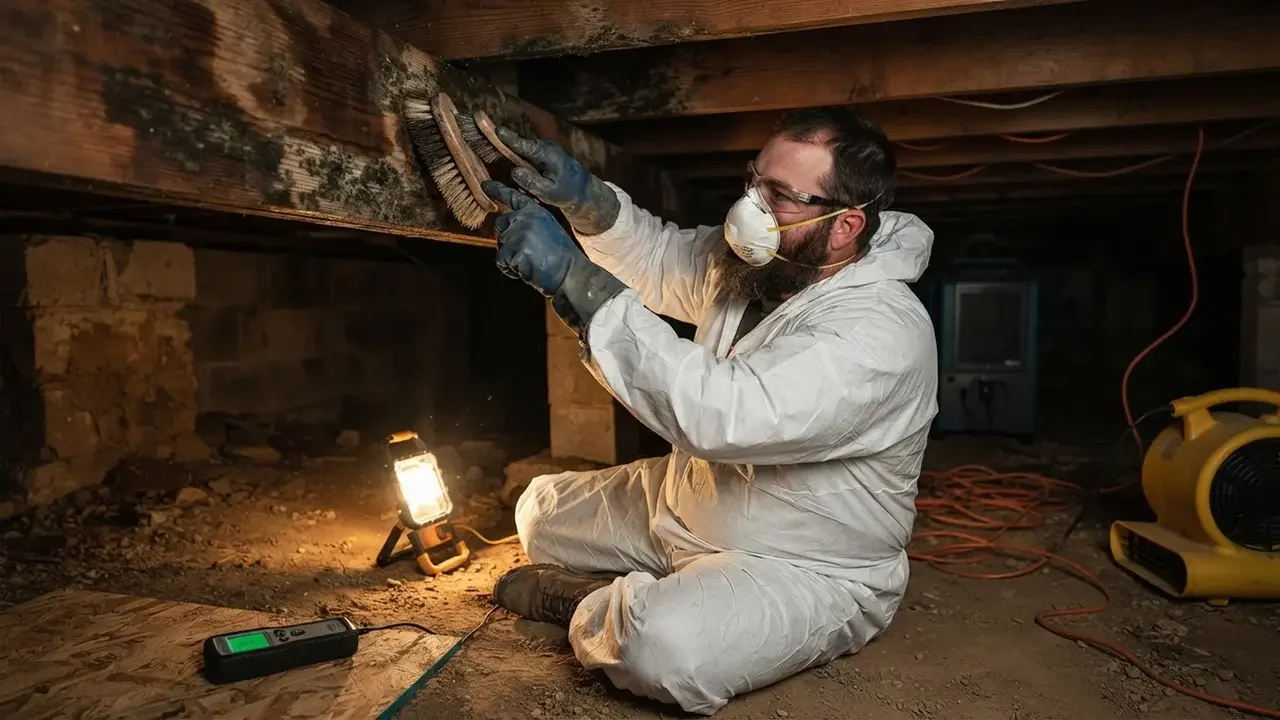
Water damage restoration in Haverhill: restoration technician in full PPE carefully scrubbing a mold-affected wooden beam in

Water Damage Inspection Questions

Real answers to the questions we hear most often from local homeowners and property managers.

How much does a water damage inspection cost in Haverhill MA?
A focused inspection often varies in Haverhill, depending on the affected area and testing needed. A single-room check with visible damage is usually simpler than a multi-level search for concealed moisture. For typical pricing, access, after-hours response, and specialized testing can change the total. We explain the price before work begins and identify whether additional drying or repair is a separate step.
What does a water damage assessment include in Haverhill?
A water damage assessment includes a walkthrough, source review, visual checks, moisture readings, and a summary of affected materials and next steps. We examine nearby rooms and compare wet readings with unaffected surfaces. If you need a water damage inspection and assessment with moisture detection Haverhill MA, we can use targeted thermal imaging to guide checks while confirming conditions with direct measurements.
How long does a water damage inspection take in Haverhill Massachusetts?
A one-room inspection often takes 60 to 120 minutes, while a larger or multi-level loss can take several hours. Time depends on access, the number of materials to test, and whether water is still entering. We start with the source and safety, then map moisture and review findings with you. Drying is a separate process and can continue for multiple days.
Does insurance cover water damage assessment in Haverhill MA?
Insurance coverage depends on your policy, the cause of the water, and the insurer's review; an assessment itself is not a guarantee of payment. We document observed damage and readings so you have useful information for your claim discussion. Sudden pipe failures and gradual seepage may be treated differently. Keep photos and receipts, and contact your insurer promptly about its reporting requirements.

Related Water Damage Services

Water Damage Restoration

Inspection findings show which materials need drying, cleaning, or repair. For Haverhill properties, we use the assessment to plan the next work area and avoid treating unaffected rooms as damaged. Your plan can move from moisture mapping into cleanup and restoration once the source is controlled.

View Water Damage Restoration

Emergency Water Extraction

Standing water needs removal before a complete inspection can map all affected surfaces. We identify the wet zone, use an extraction wand where appropriate, and check adjoining flooring after removal. This is useful after a pipe break or basement flooding in Haverhill.

View Emergency Water Extraction

Flood Cleanup

Flood cleanup follows an assessment of the water source, affected rooms, and materials that can be safely handled. We document floor and wall conditions, then identify extraction and cleaning priorities. In Haverhill, this can help after heavy rain pushes water into a basement or ground-level space.

View Flood Cleanup

Basement Water Removal

A basement assessment checks standing water, wall seepage, flooring, and nearby storage before removal begins. We note whether a sump pump is operating and map moisture at the foundation edge. The findings help direct safe water removal and follow-up drying.

View Basement Water Removal

Sewage Backup Cleanup

A sewage backup requires careful identification of contaminated areas before cleanup. We assess where wastewater traveled, which porous materials were contacted, and what access restrictions are needed. The findings guide removal and sanitation priorities for Haverhill homes and commercial spaces.

View Sewage Backup Cleanup

Storm Damage Restoration

After wind-driven rain or roof damage, inspection helps distinguish the entry point from the areas water reached indoors. We check ceilings, attic-adjacent surfaces, and insulation, then document what needs temporary protection or drying. That gives restoration work a defined starting point.

View Storm Damage Restoration

Book Water Damage Inspection Haverhill MA

A new stain, soft floor, or musty odor deserves a measured check before repairs begin. Our team documents the affected areas and explains your next step. Call (833) 546-4116 for direct help from Haverhill Water Damage Restoration.

Call Now Call for Inspection

Contact Haverhill Restoration

Call (833) 546-4116 when water is entering your home or business, or when a damp room needs inspection. Our referral line is available 24 hours a day to connect you with independent companies serving Haverhill, MA, including areas near 01831 and 01835. Tell us what happened, where the water is, and whether it is still flowing.

Or call us right now at (833) 546-4116 — we answer.
Or email us at hello@haverhillwaterdamagema.com

Haverhill Water Damage Restoration


  • Address

    Haverhill, Massachusetts

  • Hours

    Mon–Fri: 7AM – 7PM
    Sat: 8AM – 4PM
    Sun: Emergency Only
    24/7 Emergency Available

Call (833) 546-4116 Get Quote
Call Quote