Haverhill Water Damage Restoration
Call (833) 546-4116

Roof Leak Water Damage Repair Haverhill MA

Stop the leak damage and get your rooms drying


Our roof leak water damage repair Haverhill MA service helps homeowners and property managers facing ceiling stains, dripping water, or soaked rooms after a storm. We locate the affected areas, remove standing water, and set up controlled drying before damp materials deteriorate. Call us for roof leak repair Haverhill MA when water is entering now or a stain keeps spreading; we'll explain the next steps and get to work.

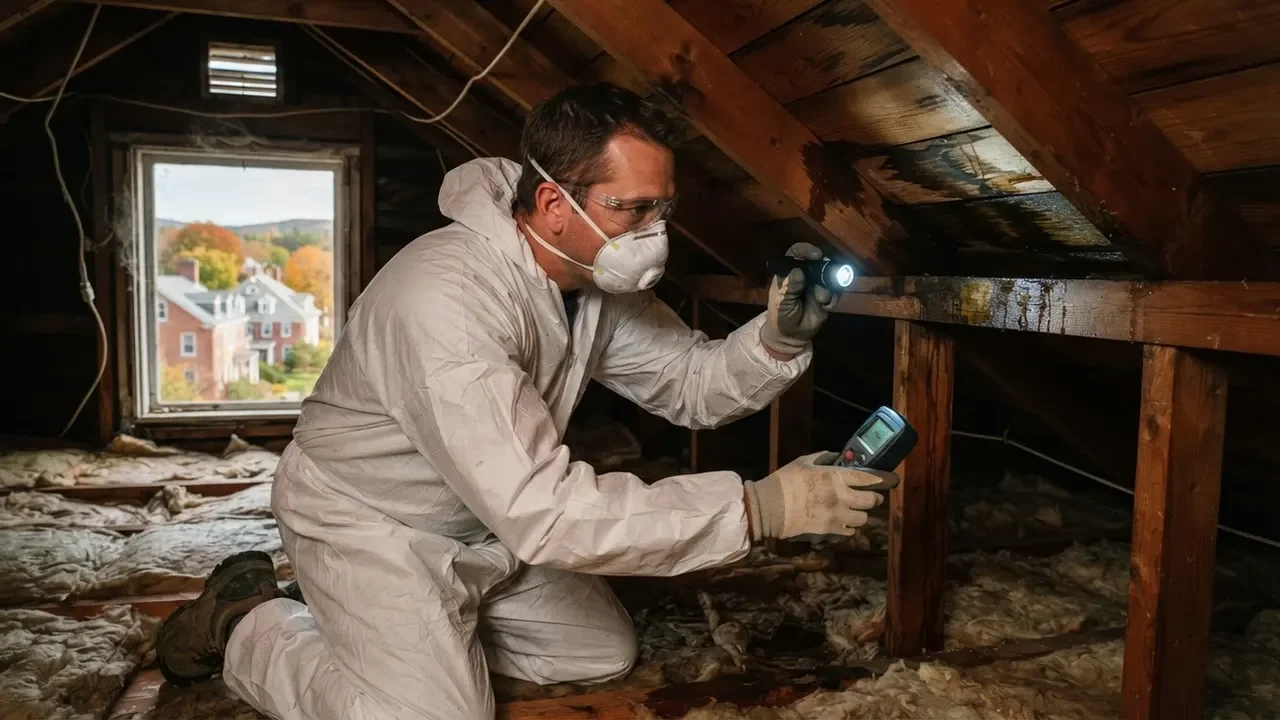
Roof Leak Water Damage Repair in Haverhill: restoration technician inspecting water stains on an attic ceiling joist
24/7 Emergency Same-Day Response
Warranty Backed Workmanship Guaranteed in Haverhill

What Roof Leak Service Includes

Our service covers interior assessment, water extraction where needed, selective removal of unsalvageable wet material, structural drying, and moisture checks. We document affected areas and explain the next repair steps. Permanent roof construction, major reconstruction, and specialized hazardous-material work are handled as separate trades or scopes; we identify those needs rather than presenting drying as a roof repair.

Leak Impact Inspection

We inspect the visible stain and nearby rooms, then check accessible attic areas and materials along the likely water path. Moisture readings help identify damp drywall, insulation, framing, and flooring. We photograph findings and explain which areas need immediate attention.

Water Extraction

If water has pooled on a floor or soaked carpet, we extract it with suitable equipment before setting drying controls. We protect nearby belongings and check carpet padding and the subfloor where access allows. The aim is to remove free water, not just dry the surface.

Selective Material Removal

Saturated insulation or weakened drywall may need removal so the cavity can be inspected and dried. We keep openings limited to the affected area when practical, control debris, and explain the reason for each removal. Sound materials are assessed for drying rather than automatically discarded.

Structural Drying Setup

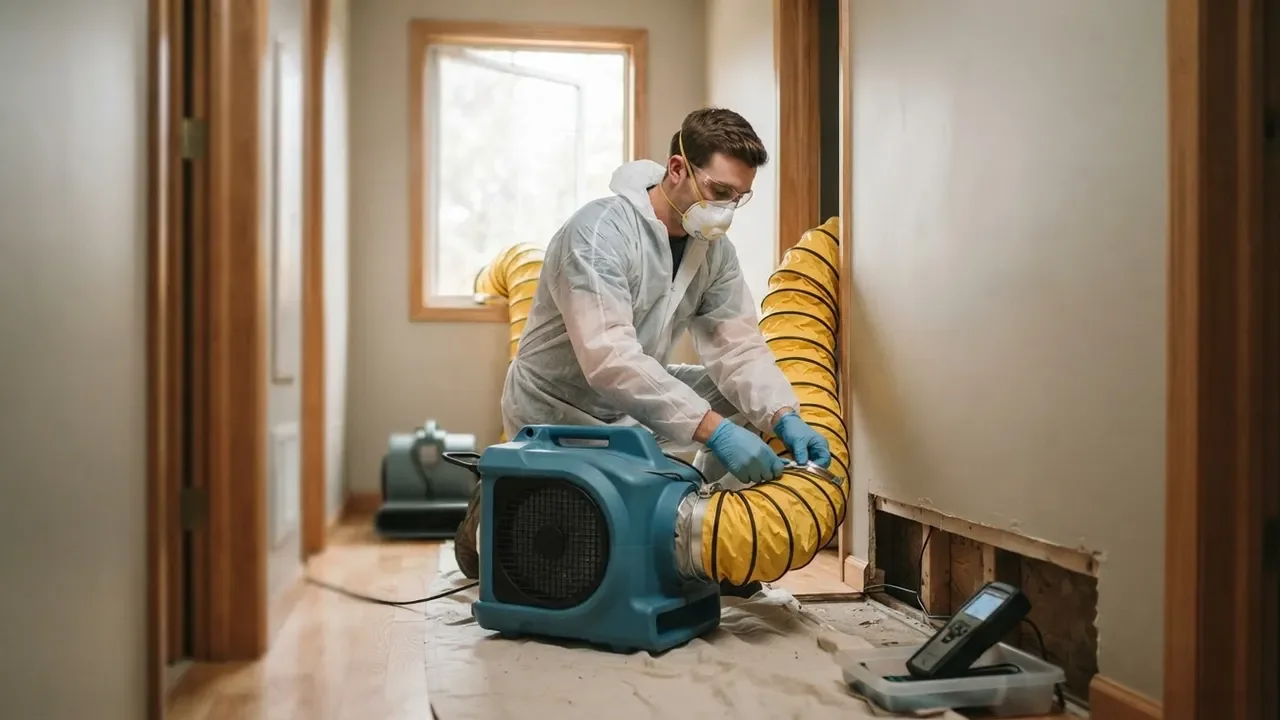
We place air movers and a dehumidifier according to room size, airflow, and material readings. Equipment runs continuously during the active drying phase, with progress checked at least daily. We adjust placement if a wall, ceiling edge, or floor is drying more slowly.

Final Moisture Review

At the end of drying, we compare readings with unaffected reference areas and review the work zone with you. We identify surfaces ready for rebuilding and note any remaining roof or finish repairs. This check helps prevent closing a damp cavity behind new materials.

Roof Leak Water Damage Repair Haverhill MA


Roof leak water damage repair Haverhill MA is a structural drying and cleanup service that removes water and damp materials after rain or melting snow enters through a roof. We trace moisture from the ceiling into insulation, framing, drywall, and flooring rather than treating the visible stain alone. Our crew uses moisture readings to map the affected area, extracts water where needed, and positions air movers and a dehumidifier to dry sound materials. We document conditions and explain which repairs are restoration work and which require a roofing trade.

Haverhill homes face roof leaks after wind-driven rain, ice buildup, and freeze-thaw cycles loosen shingles or open flashing seams. A small ceiling mark can conceal wet insulation or water tracking along framing, especially in older attics and finished upper floors. Our roof leak cleanup Haverhill MA response checks the attic and rooms below, then removes trapped moisture before musty odors or mold growth take hold. If you are searching for roof leak water damage repair in Ward Hill Haverhill, we can assess the affected rooms and begin drying.

What to Expect During Service

Roof leak water damage repair in Haverhill follows a practical sequence: control active water, map the damage, remove water, dry the structure, and verify progress. We keep you informed as each phase changes. A simple room may need only extraction and drying; concealed wet insulation or multiple floors add time and equipment.

01

Schedule

Call or book online — a real human picks up and confirms a 2-hour arrival window.

02

Diagnose

A tech inspects on-site, then walks you through the cause and your options.

03

Fix

The job is completed to code and done right the first time — no shortcuts, no surprises.

04

Guarantee

Every job backed by a written workmanship warranty — and we stand behind it.

Tools and Drying Methods

Tools & Equipment

Moisture meter

We take direct readings from drywall, framing, and flooring to map wet materials and compare them with unaffected areas. Repeated readings help determine whether drying is progressing.

Thermal imaging camera

We scan ceiling and wall surfaces for temperature patterns that can indicate hidden moisture. We confirm suspicious areas with direct inspection and moisture readings rather than treating an image as proof.

Air mover

We direct airflow across wet surfaces and exposed framing to support evaporation. Placement is adjusted for room layout and checked during drying so airflow reaches the affected materials.

Dehumidifier

We remove moisture from room air as damp materials release it. The unit runs with air movers during active drying, with daily checks guiding equipment adjustments.

Extraction wand

We remove free water from suitable carpet and hard-floor surfaces before structural drying begins. Extraction reduces the water load and helps limit migration into padding and subfloor.

Methods & Standards

ANSI/IICRC S500-informed assessment

We assess the water source, affected materials, and extent of moisture before choosing a response. The applicable ANSI/IICRC S500 principles guide documentation, extraction, and drying decisions. We tailor the work to the property and explain findings in practical terms.

Moisture mapping and comparison

We record readings across affected materials and compare them with a dry reference area of similar construction. This creates a useful progress baseline and helps identify concealed wet sections. We repeat checks during drying rather than relying on appearance alone.

Controlled structural drying

After extraction and any necessary removal, we place air movers and dehumidification equipment to support evaporation without indiscriminate heat. We monitor conditions at least daily, adjust equipment, and continue until readings support the next repair stage.

Targeted removal and containment

When saturated porous material cannot be dried effectively, we isolate the work zone and remove only the affected section where practical. This exposes damp framing for inspection and drying while limiting debris in occupied rooms.

When to Call Our Roof Leak Team

01

Rain Enters a Bradford Attic and Leaves Wet Insulation Above a Bedroom Ceiling.

What we do: We inspect the attic and ceiling below, mark the damp area, and remove insulation that is too saturated to dry in place. Air movers and a dehumidifier dry accessible framing, while readings show whether moisture has moved into the bedroom wall. We document the opening for follow-up roof work.

→ You get a dry-out plan based on measured conditions, less risk of trapped moisture, and a clear list of materials ready for repair.

02

A Winter Thaw in Ward Hill Sends Water Through Flashing and Down an Upstairs Wall.

What we do: We check the roof leak's interior path from the upper wall to the floor below, then extract water from affected surfaces. If the wall cavity is damp, we open only the necessary section and dry the framing before replacement. We protect furnishings and record readings as conditions change.

→ The wet path is addressed from ceiling to floor, reducing the chance that a small upper-level leak leaves damage behind a finished wall.

03

A Storm Pushes Water Through a Downtown Haverhill Roof Opening Over a Carpeted Room.

What we do: We first make the work area safe, move contents, and extract water from carpet and padding where appropriate. Our crew checks the subfloor and nearby baseboards, then sets drying equipment and monitors moisture. Temporary roof protection can be arranged where suitable while permanent repairs are scheduled.

→ Water is removed before it spreads farther into the floor assembly, and you have a documented handoff for interior and roof repairs.

04

A Recurring Ceiling Mark Appears in a Riverside Home Even After the Rain Stops.

What we do: We inspect the attic and ceiling cavity for retained moisture, check adjacent framing, and compare readings with dry areas. If the leak is no longer active, we still dry damp materials and remove insulation that cannot be salvaged. We explain what should be repaired before the ceiling is closed.

→ You learn whether the mark is old staining or an active moisture problem, and finish work can proceed on a verified dry surface.
How Roof Leak Repair Runs in Haverhill

Roof leak water damage repair in Haverhill, Massachusetts starts with the route water took, not just the room where it appeared. Winter freeze-thaw cycles, snowmelt, and wind-driven rain can expose weak flashing or loosen shingles; a leak may then follow rafters before staining a ceiling. In older homes and converted upper floors, attic access, layered finishes, and insulation can make the wet area larger than the visible mark. We inspect safely, use moisture readings, and protect occupied rooms while setting equipment. For roof leak repair Haverhill MA, we handle interior extraction and drying and identify where a roofer must stop the water at its source. A contained room often dries in three to five days, with daily readings guiding the schedule. We serve Essex County addresses in Downtown Haverhill, Bradford, Riverside, and Ward Hill, and coordinate the work around access and household routines. Our technicians also check for damp baseboards and flooring below the leak, because water can travel beyond the ceiling cavity before it becomes visible.

Neighborhoods We Serve

  • Downtown Haverhill

    Older mixed-use buildings and upper-floor apartments can have limited attic access. We check ceilings and adjoining walls so a leak does not get treated as a surface stain alone.

  • Bradford

    Homes near sloped rooflines can hide water in attic insulation before a bedroom ceiling shows damage. We inspect accessible framing and record readings across the wet path.

  • Ward Hill

    A leak around a roof transition can send water down a wall and into flooring. We check the full route and dry affected materials before finish repairs.

  • Riverside

    Wind-driven rain can wet rooms near exterior walls and roof edges. We inspect nearby baseboards and floor assemblies in addition to the obvious ceiling mark.

Local Conditions We Plan For

  • Freeze-thaw cycles and winter snowmelt stress roof details

    Water can enter at flashing or shingle edges during a thaw, then travel along framing before reaching a finished room. We inspect the attic path and check insulation as well as the ceiling below.

  • Wind-driven rain reaches roof edges and flashing seams

    Rain pushed under an edge can wet wall cavities or upper-floor ceilings without creating an obvious roof opening from inside. We use moisture readings across adjacent surfaces to find the extent before drying.

  • Older finishes and limited attic access slow inspection

    Layered ceilings or tight attic access can make the water route harder to confirm. We inspect reachable areas first, use targeted readings, and explain where a small opening is needed to verify hidden conditions.

Bedroom Ceiling After Storm

Before

A storm left a brown stain above a Bradford bedroom and damp drywall around the ceiling light. The attic insulation felt wet near the eave, but the full extent was unclear. The family had placed a bucket under a slow drip and moved furniture, yet the room still smelled damp the next morning.

After

We removed saturated insulation in the affected section, extracted water from the floor, and set air movers with a dehumidifier. Daily moisture checks showed the framing drying over four days. The ceiling cavity was reviewed before new drywall work, and the family had photos and readings for the repair handoff.

Maintenance: After the roof is repaired, check the attic after the next heavy rain and keep gutters clear of debris. Watch for a fresh stain or musty odor; early reporting can limit the area that needs opening.

Before

Water entered near a roof transition and ran down an upstairs wall, leaving bubbling paint and damp baseboard. The room's floor edge felt cool, and the leak had appeared during more than one thaw. A surface patch would have hidden the wet wall cavity without addressing its moisture.

After

Our inspection traced dampness from the ceiling edge into the wall and floor transition. We opened the affected section, removed wet insulation, and dried the framing with directed airflow. Readings returned toward the dry comparison area in five days, giving the owner a sound basis for drywall and trim repairs.

Maintenance: Have the roof transition checked and keep the repaired wall accessible until the dry-out is confirmed. Look at the baseboard after rain or snowmelt, and report swelling or renewed staining rather than repainting over it.

Before

A Downtown Haverhill roof opening allowed stormwater to drip onto carpet and soak the padding. The visible puddle was small, but the carpet edge near the wall stayed damp. Furniture legs and a stored rug were also at risk of absorbing moisture from the floor.

After

We moved the contents, extracted water from the carpet, and checked the padding and subfloor at the room edge. A dehumidifier and air movers ran for four days, with moisture checks confirming progress. The rug was separated for assessment, and the affected floor area was documented for follow-up.

Maintenance: After permanent roof work, inspect the carpet edge and nearby baseboard for renewed dampness. Keep furniture slightly clear of exterior walls during wet weather, and call if a musty odor returns.

Solve Roof Leak Damage Before It Spreads

If you are wondering what to do when a roof leak damages your ceiling in Haverhill MA, start by keeping clear of sagging material and calling for an inspection. Water can spread from one ceiling mark into insulation, framing, walls, and flooring. We trace the path, remove water, and dry materials before repairs conceal the affected area.

Problem

A Ceiling Stain Keeps Growing After Each Rainstorm

Repeated wetting can soften drywall, soak insulation, and create a concealed damp pocket that takes longer to dry than the visible stain suggests.

Our Fix

We inspect the ceiling and attic access, compare moisture readings around the stain, and identify whether water is still traveling. Our team extracts water where present, removes material that cannot be dried safely, and sets up drying for the remaining structure. We also point out the roof opening that needs permanent repair.

Problem

Water Drips Near a Light or Electrical Fixture

Moisture around wiring and fixtures creates a safety concern, while a ceiling cavity may be holding more water than the drip reveals.

Our Fix

We keep people clear of the affected area and coordinate safe isolation before working near electrical components. Then we inspect the ceiling cavity, capture water, and check surrounding materials. We do not treat a fresh paint patch as a solution; the cavity must be assessed and dried first.

Problem

A Musty Smell Remains After the Roof Was Patched

The odor may come from damp insulation, carpet padding, or framing that stayed wet after the visible leak stopped.

Our Fix

We check for residual moisture with a meter and inspect accessible cavities rather than masking the smell. If wet porous material cannot be dried effectively, we remove it and clean remaining surfaces. We then run controlled drying and verify readings before recommending finish repairs.

Problem

Water Reaches Hardwood or Carpet Below the Leak

Moisture can move under flooring and affect the subfloor, leading to swelling, lifted edges, or persistent dampness that is hard to see.

Our Fix

We extract surface water, inspect flooring transitions, and check the subfloor and nearby baseboards where accessible. Drying is adjusted to the material so the floor is not exposed to uncontrolled heat. We track readings and explain whether the flooring can remain or needs a repair plan.

Water damage restoration in Haverhill: team of restoration technicians strategically placing industrial air movers and a

Dry Rooms, Clear Next Steps

Roof leaks disrupt your home quickly: water spreads behind paint, saturates insulation, and reaches floors or furnishings. We focus first on stopping active water entry safely, then on extraction, drying, and a clear record of what was affected. You'll know what we found, which materials can dry in place, and what needs removal before repairs proceed.

  • Find Hidden Moisture

    A ceiling stain marks the exit point, not always the source or full extent of the water. We check nearby drywall, baseboards, attic insulation, and flooring with a moisture meter, then compare readings with unaffected areas. That helps us identify a concealed wet section before a cosmetic patch traps moisture inside.

  • Limit Interior Damage

    Removing water promptly reduces the time drywall, carpet padding, and wood stay wet. We use an extraction wand for pooled water and position an air mover to direct airflow across exposed surfaces. In suitable conditions, drying equipment runs continuously and readings are checked at least daily until targets are met.

  • Keep Work Organized

    We photograph visible damage, record moisture readings, and note the rooms and materials involved. That practical record helps you discuss the loss with your insurer and plan repairs without relying on memory. For ceiling water damage from roof leak Haverhill, we also check whether water traveled into a neighboring wall or floor.

  • Protect Repair Decisions

    Drying first helps distinguish salvageable material from drywall or insulation that has lost integrity. We explain the findings before removal, keep affected areas contained, and avoid closing a wall until moisture checks support it. You get a repair path based on measured conditions, not just the size of the stain.

Field Knowledge, Measured Work

Roof leak cleanup calls for more than drying a visible ceiling mark. Our local experience covers water movement through attic insulation, framing, plaster and drywall, as well as the floor assemblies below. We use moisture readings to guide removal and equipment placement, and follow applicable ANSI/IICRC S500 water-restoration principles for assessment, documentation, and drying. Our technicians explain what the readings mean in plain language and keep the work area organized. We do not claim a business tenure or credential number that has not been established; our focus is a careful inspection and a verified dry-out.

  • We map moisture beyond the visible stain, including nearby walls, baseboards, and floors, before deciding where extraction or selective opening is needed.
  • Our crew documents room conditions and moisture readings so you can track what changed during drying and share useful records with your insurer.
  • Air movers and a dehumidifier are adjusted to the room and material, with progress checks at least once daily during active drying.
  • We separate water mitigation from roof construction, coordinating the interior dry-out while identifying roof openings that need a roofing repair.
  • Our team follows applicable ANSI/IICRC S500 guidance and uses practical containment to keep dust and debris out of occupied areas.
Get Started Today
Water damage restoration in Haverhill: professional-grade portable air scrubber with its exhaust ducting running out a

Roof Leak Repair Questions

Real answers to the questions we hear most often from local homeowners and property managers.

How much does roof leak water damage repair cost in Haverhill MA?
A small interior dry-out often varies while multi-room water removal and drying can vary. Typical pricing in Haverhill depends on water volume, access, materials, and how long equipment must run. Roof construction, major reconstruction, and hazardous-material work are separate scopes. We inspect the affected area and give you upfront pricing before restoration work proceeds.
What should I do when a roof leak damages your ceiling in Haverhill?
Move people and belongings away from a sagging ceiling, and avoid nearby lights or outlets if water is present. If the ceiling is bulging, do not puncture it; water and weakened material can fall suddenly. Place a bucket under a safe drip, photograph the damage, and call for help. Our crew can assess ceiling water damage from roof leak Haverhill, extract water, and check insulation and framing.
Does insurance cover roof leak repair in Haverhill Massachusetts?
Home insurance may cover sudden, accidental interior water damage, but coverage for the roof opening itself depends on the policy and cause. Gradual wear or deferred maintenance is often treated differently. Take photos, keep damaged items where practical, and report the loss promptly. We document affected rooms, materials, and moisture readings to help you discuss the claim; your insurer makes the coverage decision.
How long does roof leak water damage repair take in Haverhill MA?
A contained room often needs three to five days of structural drying, while inspection and extraction may take two to six hours. Wet insulation, multiple rooms, or hidden moisture can extend the schedule. We check readings at least daily and remove equipment when the materials meet drying targets. Reconstruction, including drywall replacement and paint, follows the dry-out and can add several days.

More Help for Water Damage

Water Damage Restoration

A roof opening can wet more than the ceiling: water may reach framing, insulation, and flooring. Our broader restoration work coordinates extraction, drying, selective removal, and repair planning across affected rooms. We track moisture so you know whether the leak stayed localized or spread through the structure.

View Water Damage Restoration

Emergency Water Extraction

When rain is pooling on a floor or soaking carpet, extraction removes free water before it migrates farther. We use an extraction wand on appropriate surfaces, protect nearby contents, and follow with drying equipment. Fast removal also helps prevent carpet padding from staying saturated.

View Emergency Water Extraction

Flood Cleanup

Stormwater entering through a roof can collect in finished rooms and mix with debris. Flood cleanup addresses standing water, affected contents, and surfaces that need cleaning before drying. We assess the water source and materials first, then select a cleanup approach suited to the conditions.

View Flood Cleanup

Basement Water Removal

A roof leak may send water down wall cavities or stairwells and eventually into a basement. We remove standing water, check lower-level materials, and dry the affected space. If water continues entering, a sump pump can help manage accumulation while the source is addressed.

View Basement Water Removal

Sewage Backup Cleanup

A roof leak is usually a different water source from sewage, but a property can experience both after severe weather or plumbing failure. Sewage backup cleanup requires separate containment and sanitation steps. We identify the source before choosing equipment or treating affected surfaces.

View Sewage Backup Cleanup

Storm Damage Restoration

Wind and heavy rain can damage roofing, break windows, and wet interior finishes in one event. Storm damage restoration combines emergency protection with extraction and structural drying. We document interior conditions and coordinate the mitigation sequence while roof repairs are arranged.

View Storm Damage Restoration

Call for Roof Leak Damage Help

If water is entering your home, call us at (833) 546-4116. Our team will help you take the next safe step, assess the damage, and begin interior mitigation. We provide upfront pricing before restoration work proceeds.

Call Now Call for Help

Contact Haverhill Restoration

Call (833) 546-4116 when water is entering your home or business, or when a damp room needs inspection. Our referral line is available 24 hours a day to connect you with independent companies serving Haverhill, MA, including areas near 01831 and 01835. Tell us what happened, where the water is, and whether it is still flowing.

Or call us right now at (833) 546-4116 — we answer.
Or email us at hello@haverhillwaterdamagema.com

Haverhill Water Damage Restoration


  • Address

    Haverhill, Massachusetts

  • Hours

    Mon–Fri: 7AM – 7PM
    Sat: 8AM – 4PM
    Sun: Emergency Only
    24/7 Emergency Available

Call (833) 546-4116 Get Quote
Call Quote