Bradford Common
Bradford Common is a recognizable local orientation point. Giving its name alongside your street can help clarify which part of Bradford your address is in, but we still confirm the exact location before dispatch.

water damage restoration in Bradford is a property recovery service that removes unwanted water, dries affected building materials, and addresses damage after leaks, flooding, or sewage events. We serve homes and businesses across Bradford, including streets around Bradford Common, South Main Street, and Chadwick Street. Many local properties have basements, and water can travel from a laundry room or utility area into finished space before the visible puddle appears. We trace the affected area rather than treating only the surface.
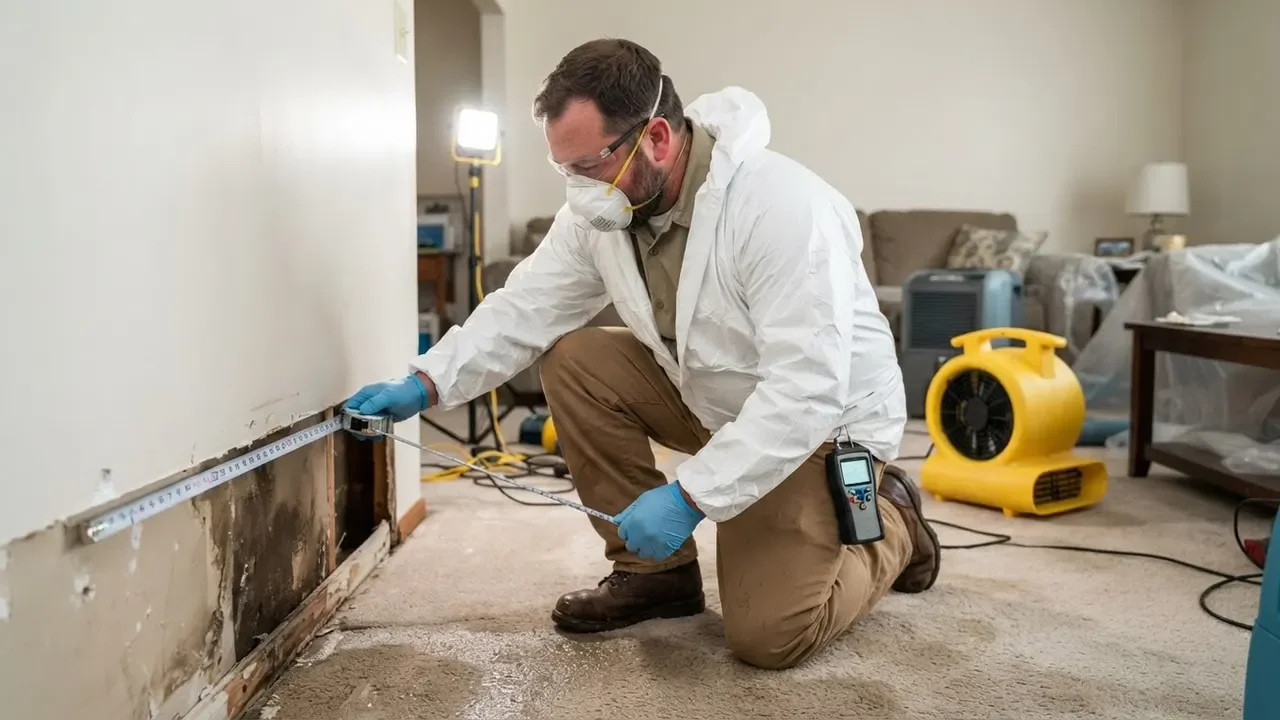
Our process starts with a walkthrough, source and safety checks, and moisture readings. We use a moisture meter and thermal imaging camera to find wet drywall, insulation, subfloor, and concealed pockets that need attention. Once extraction is complete, we position air movers and a dehumidifier according to the room layout and material condition. For sewage backup or suspected mold growth, containment and cleaning methods change to match the hazard.
You get a clear account of what is wet, what can be dried, and what needs removal. We document affected areas for your records and coordinate claim information when requested. If a frozen pipe breaks overnight or storm runoff enters a basement, call Haverhill Water Damage Restoration at (833) 546-4116.
Bradford properties need different responses depending on whether water came from a clean supply line, roof opening, storm runoff, or sewage backup. We handle extraction, cleanup, drying, and repair coordination for homes, rentals, and commercial spaces. A basement loss can involve carpet padding and subfloor as well as the visible water, so we check beyond the floor covering. If you need basement water removal in Bradford MA, call with the address, water source if known, and whether power is affected; that helps us prepare the right equipment.
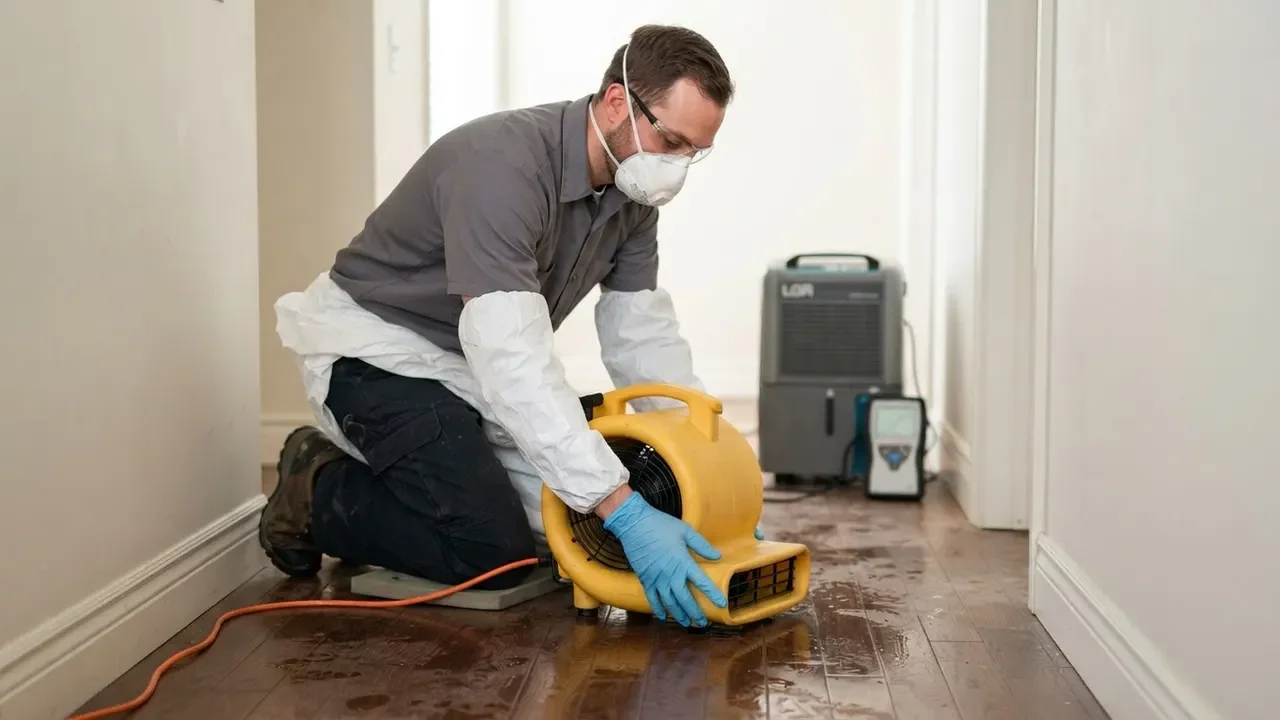
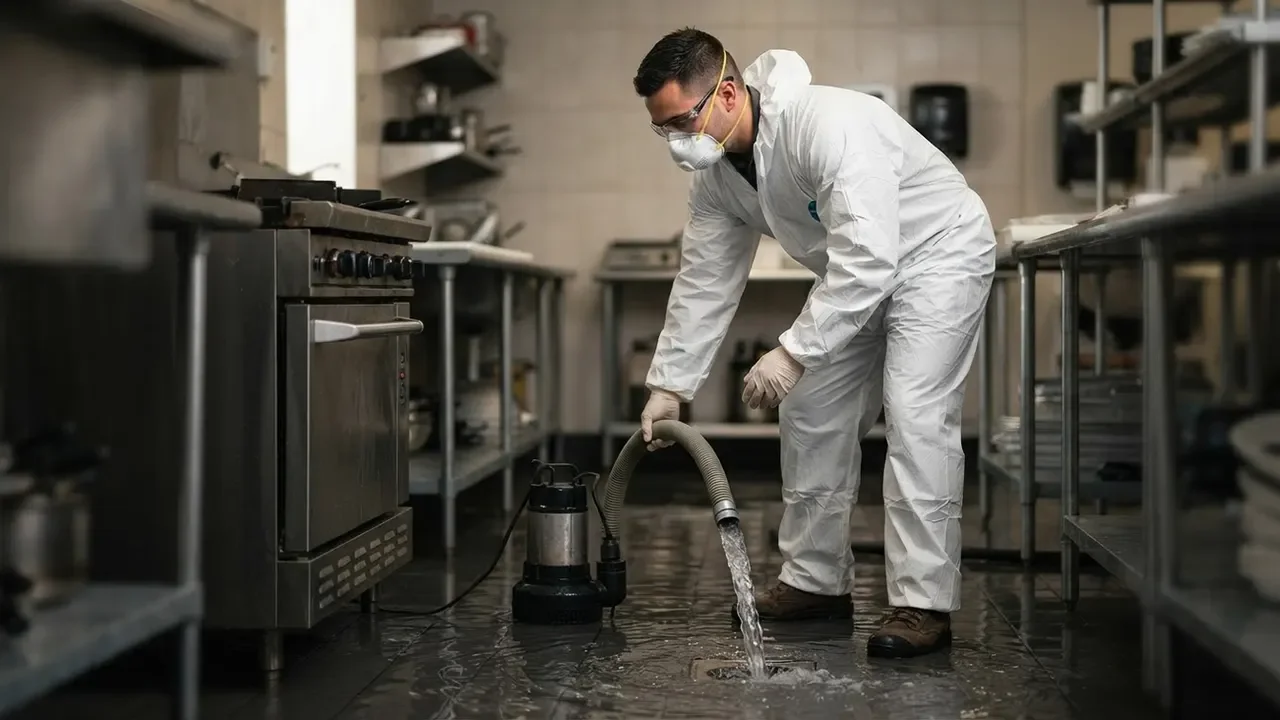
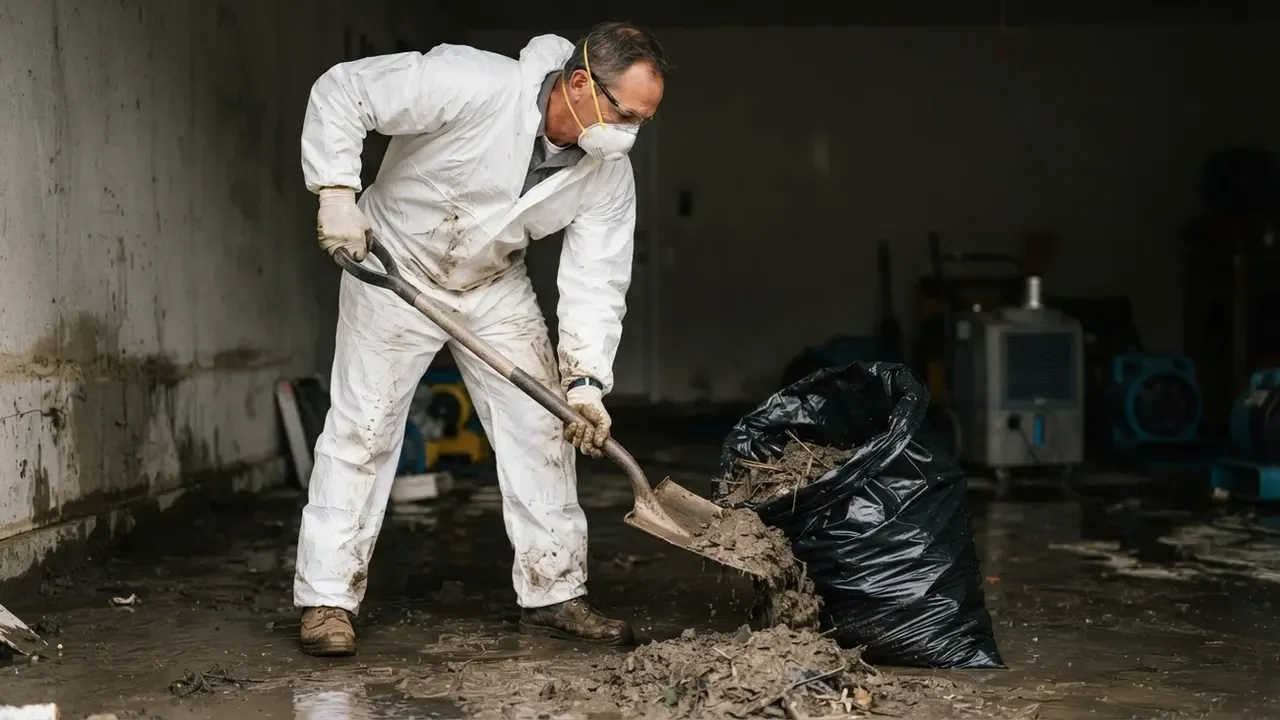
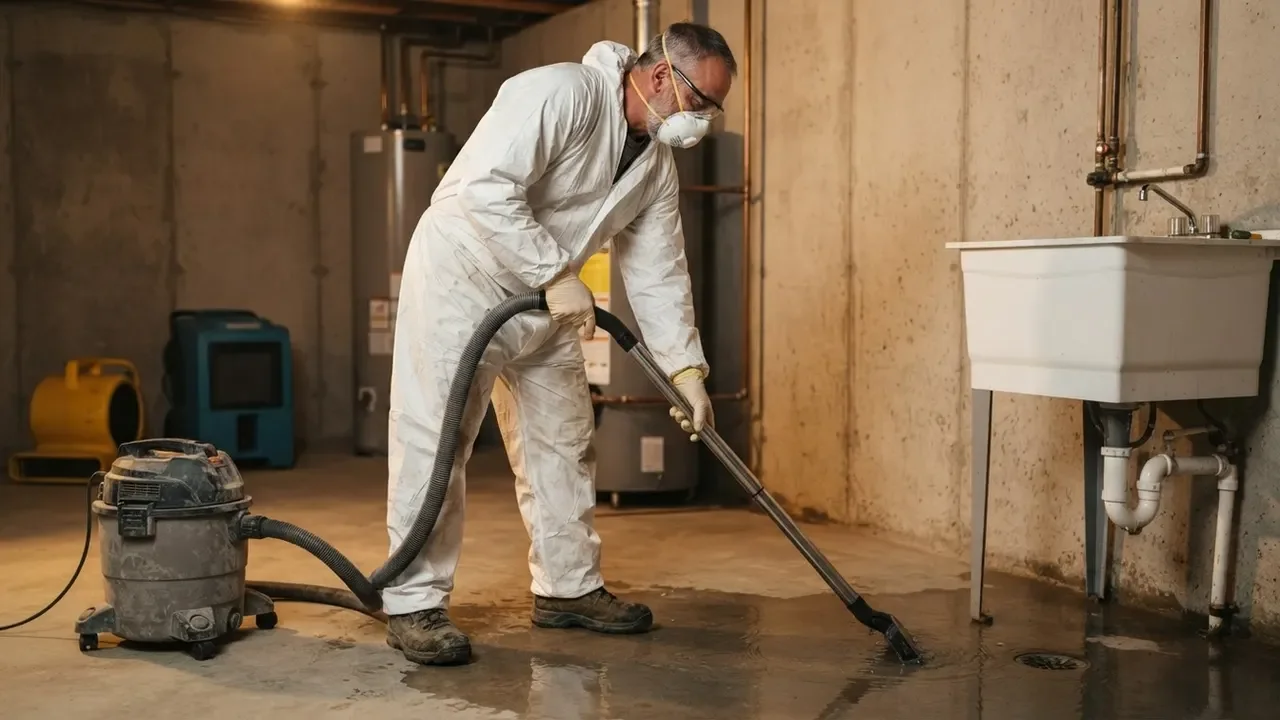
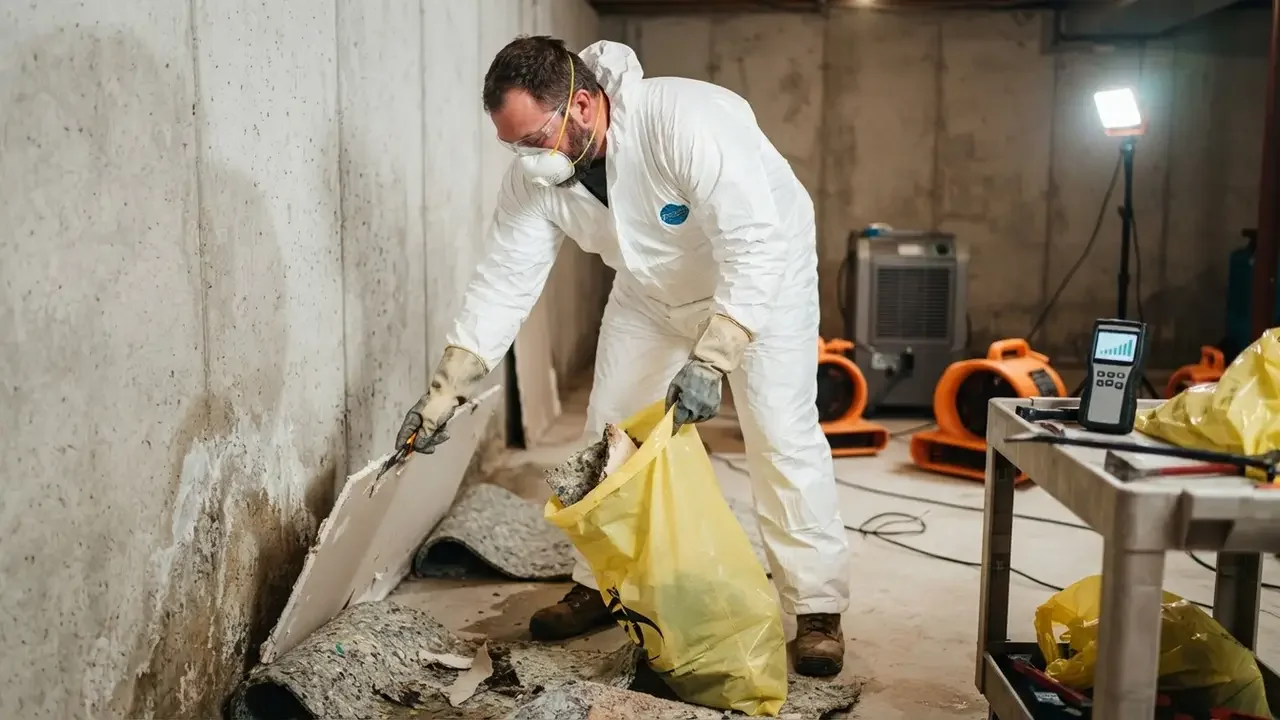
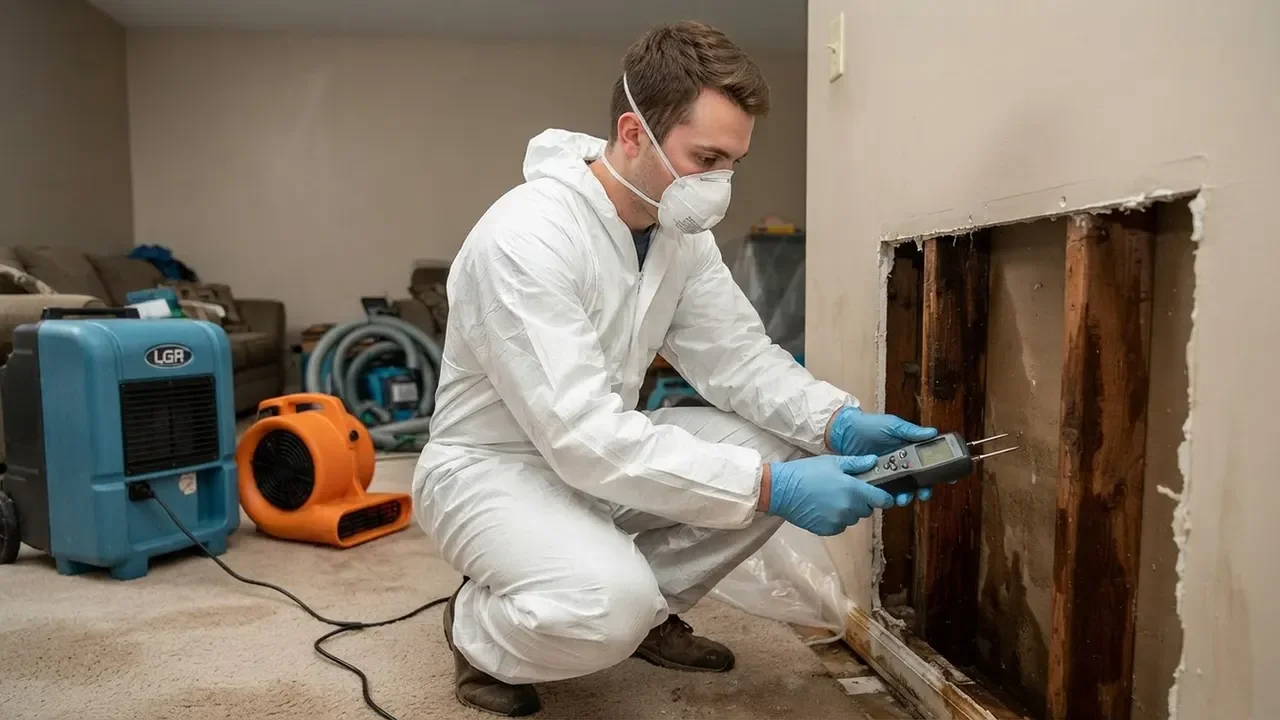
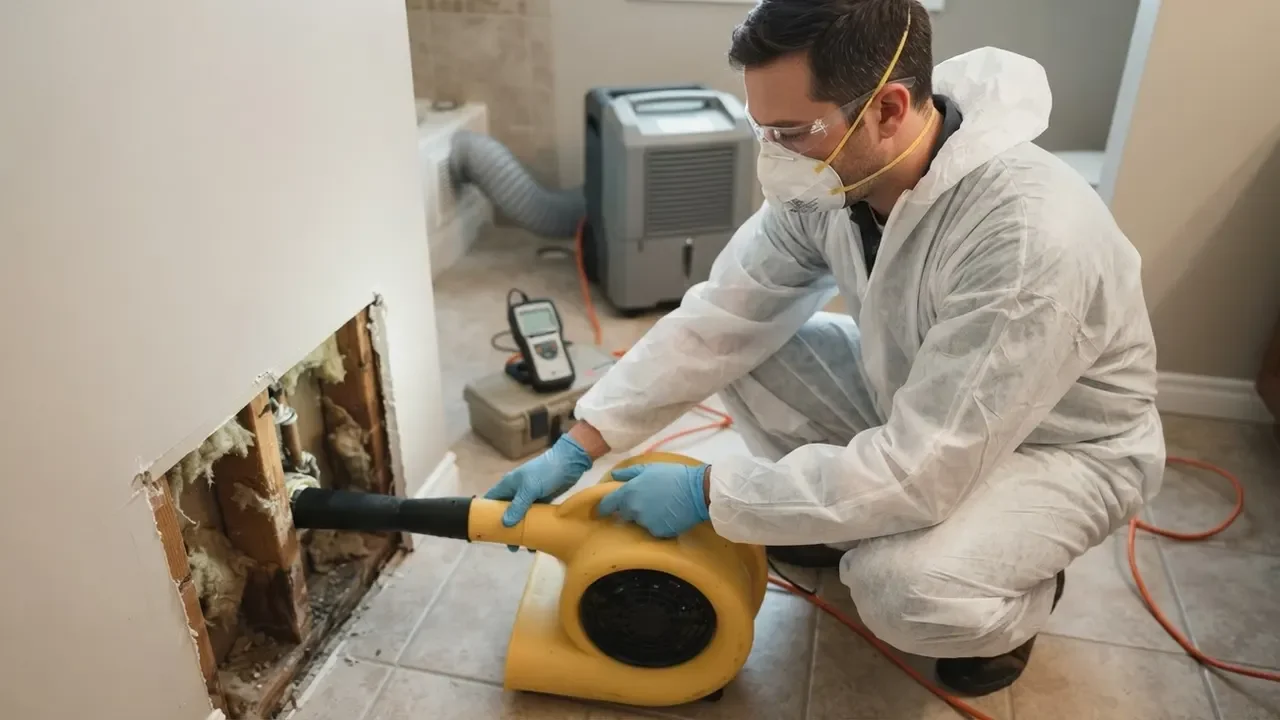
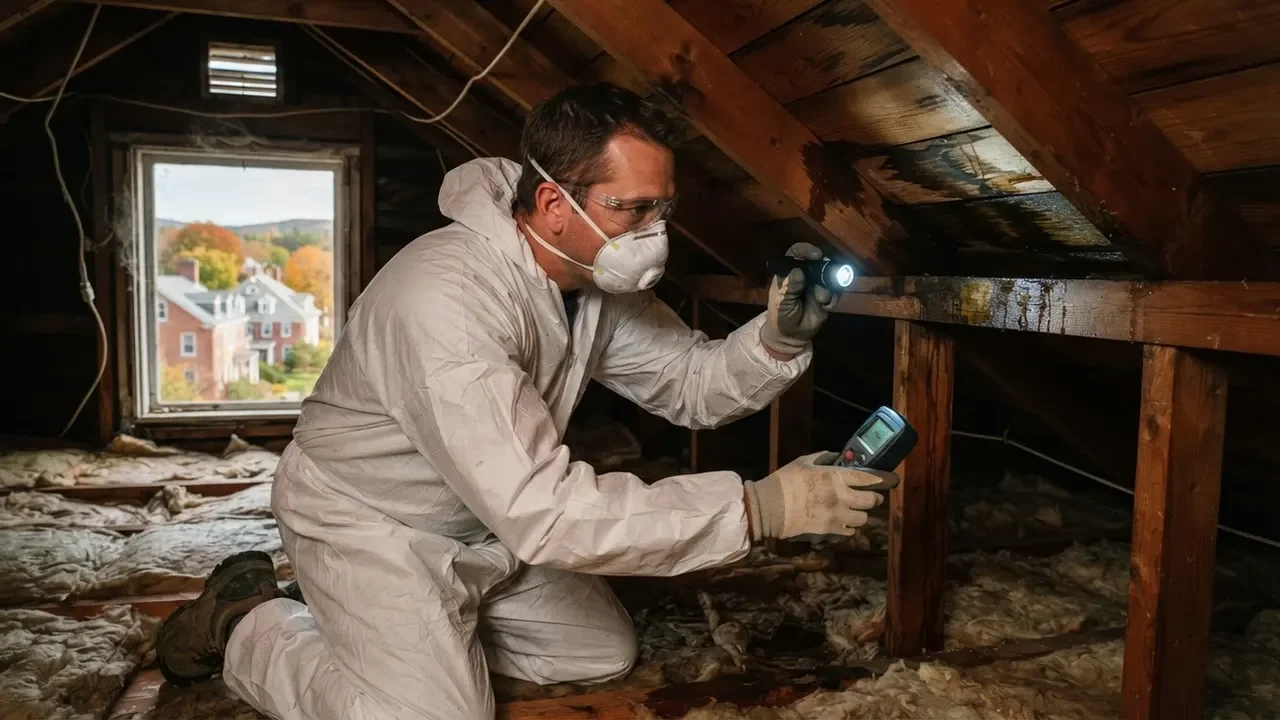
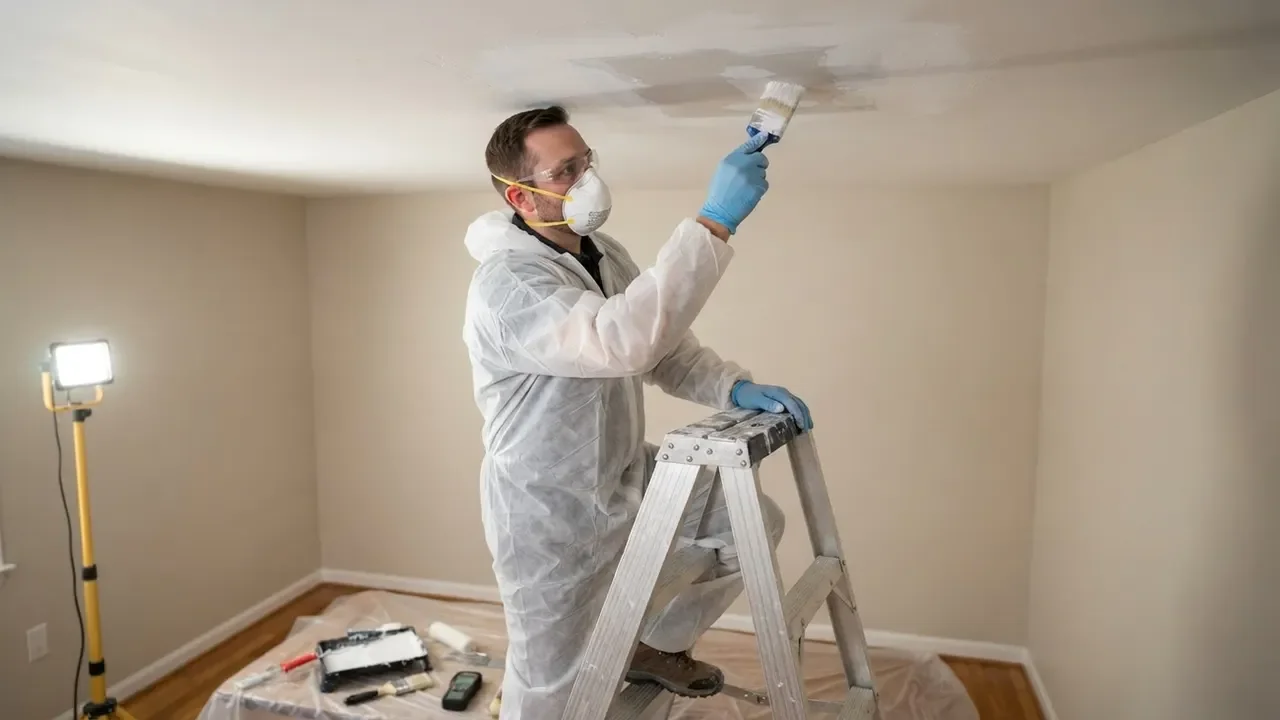
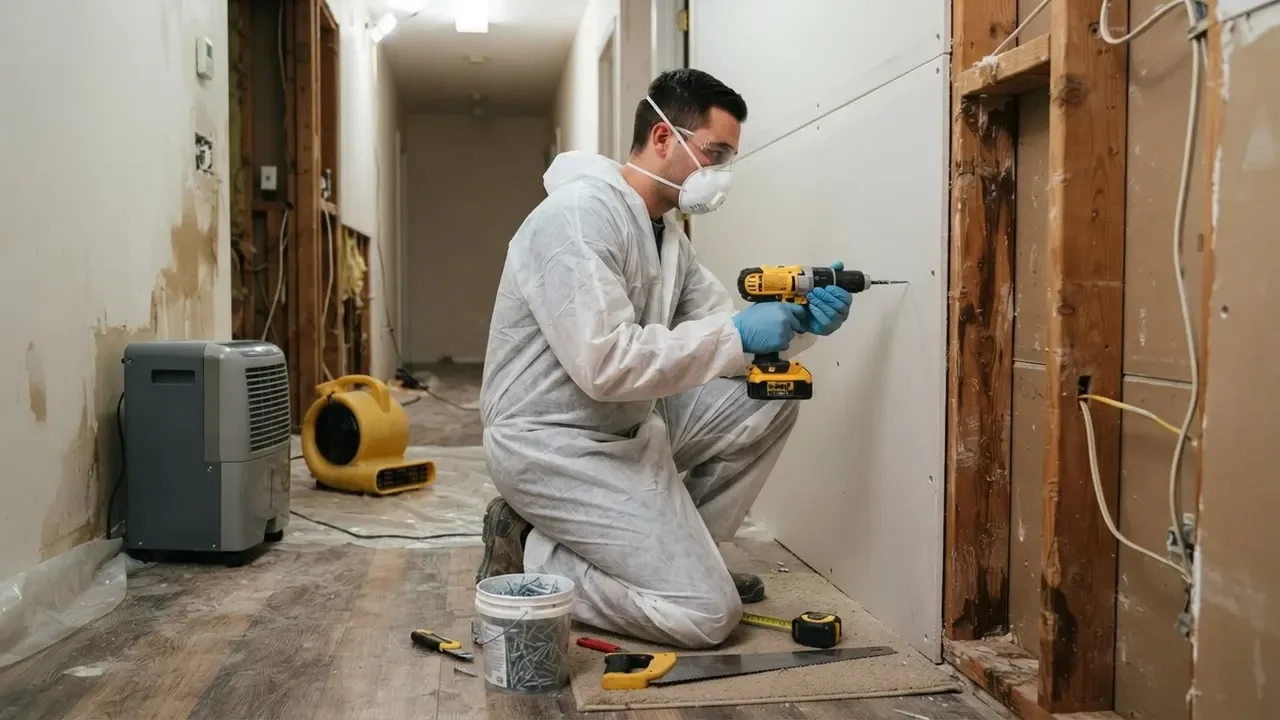
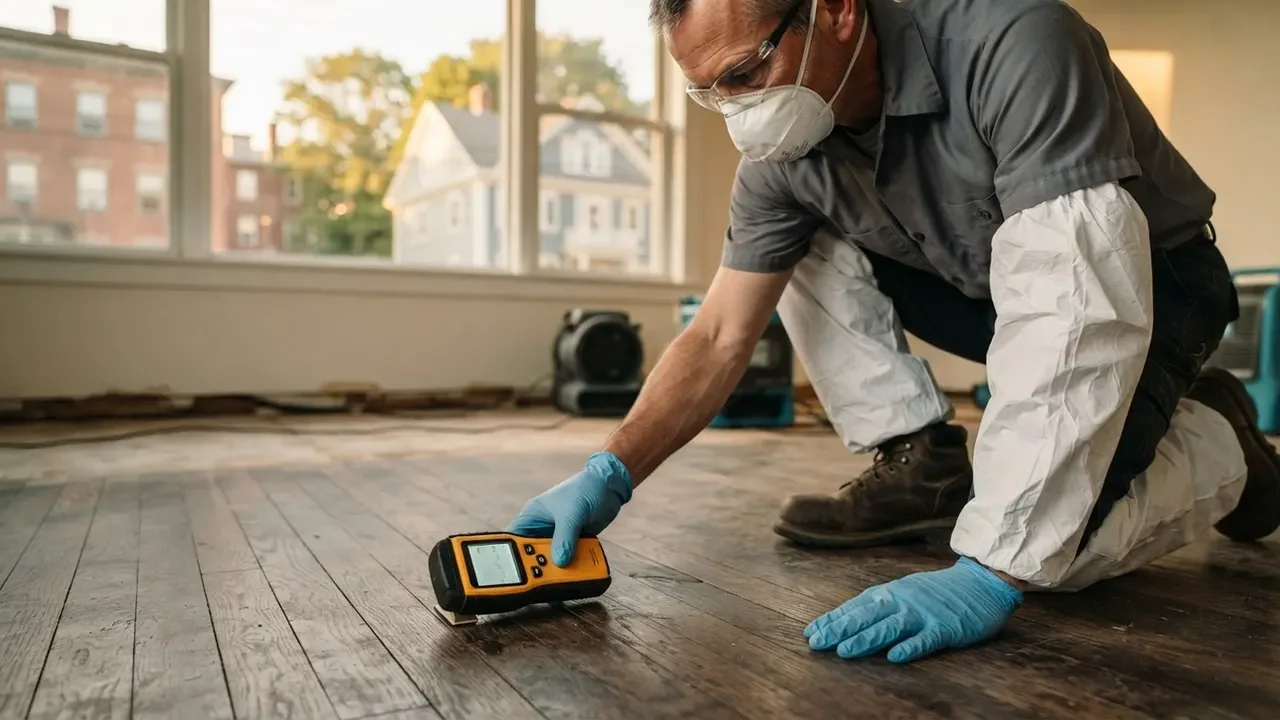
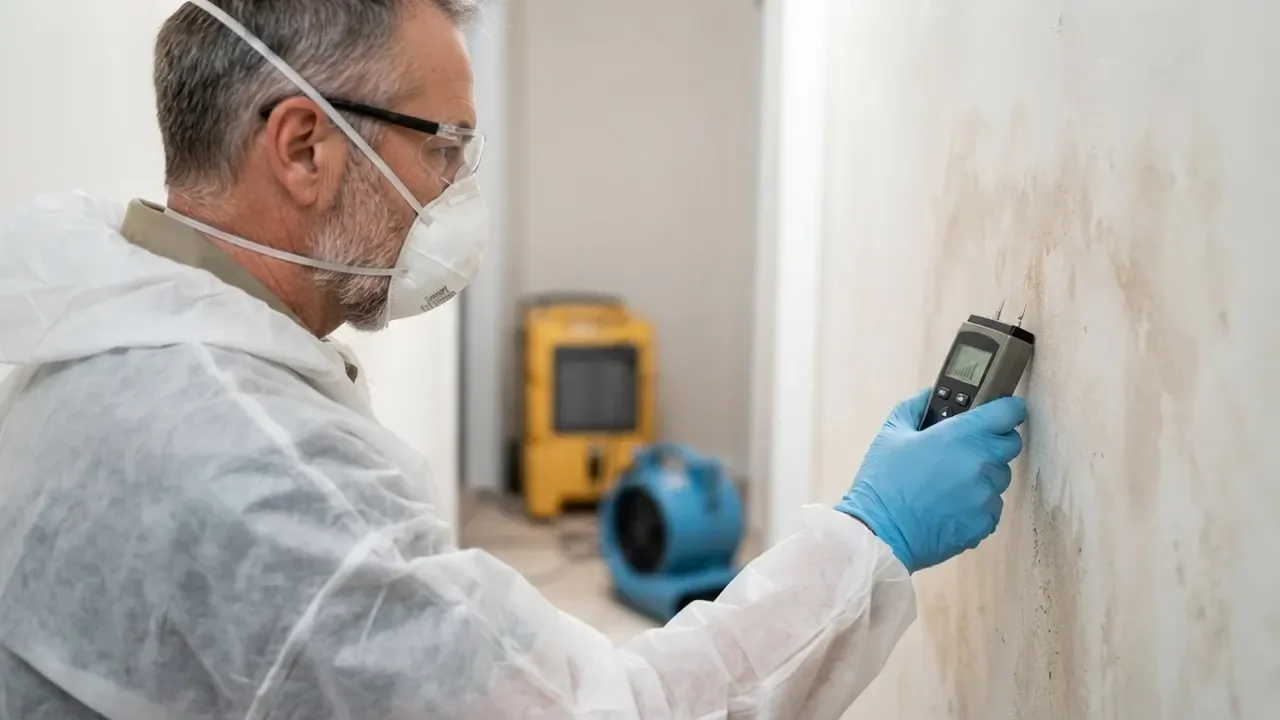
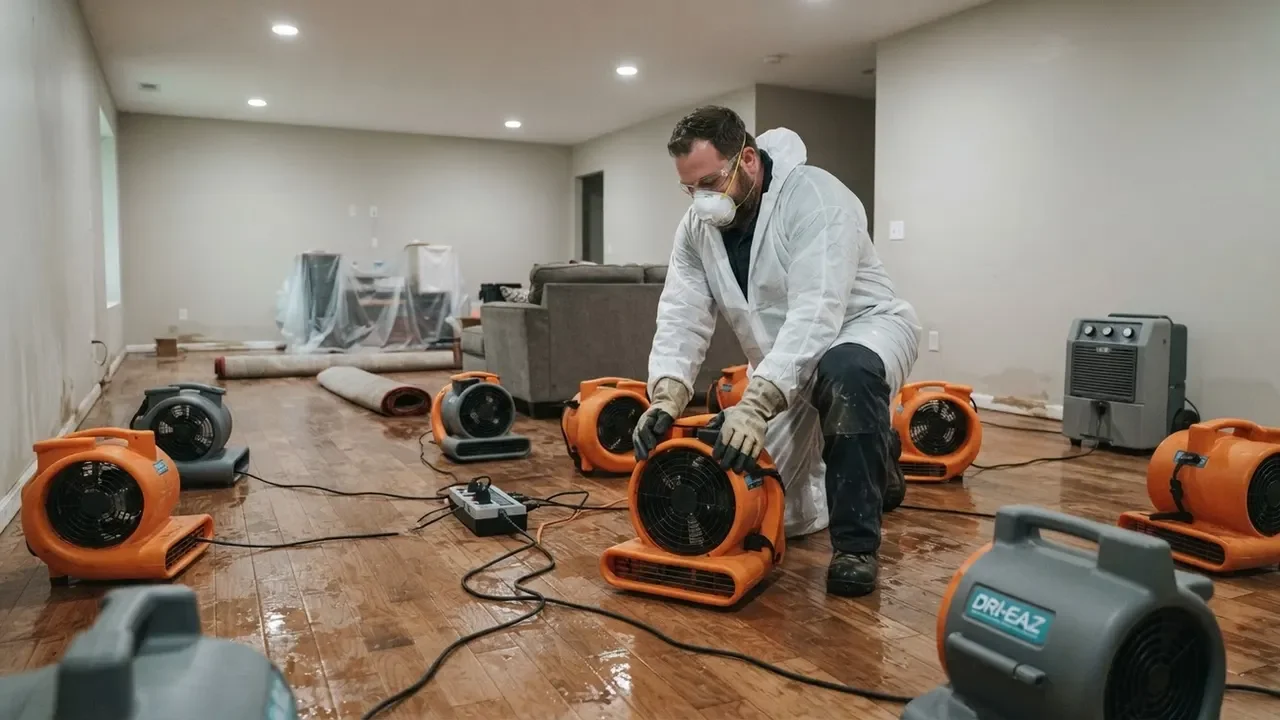
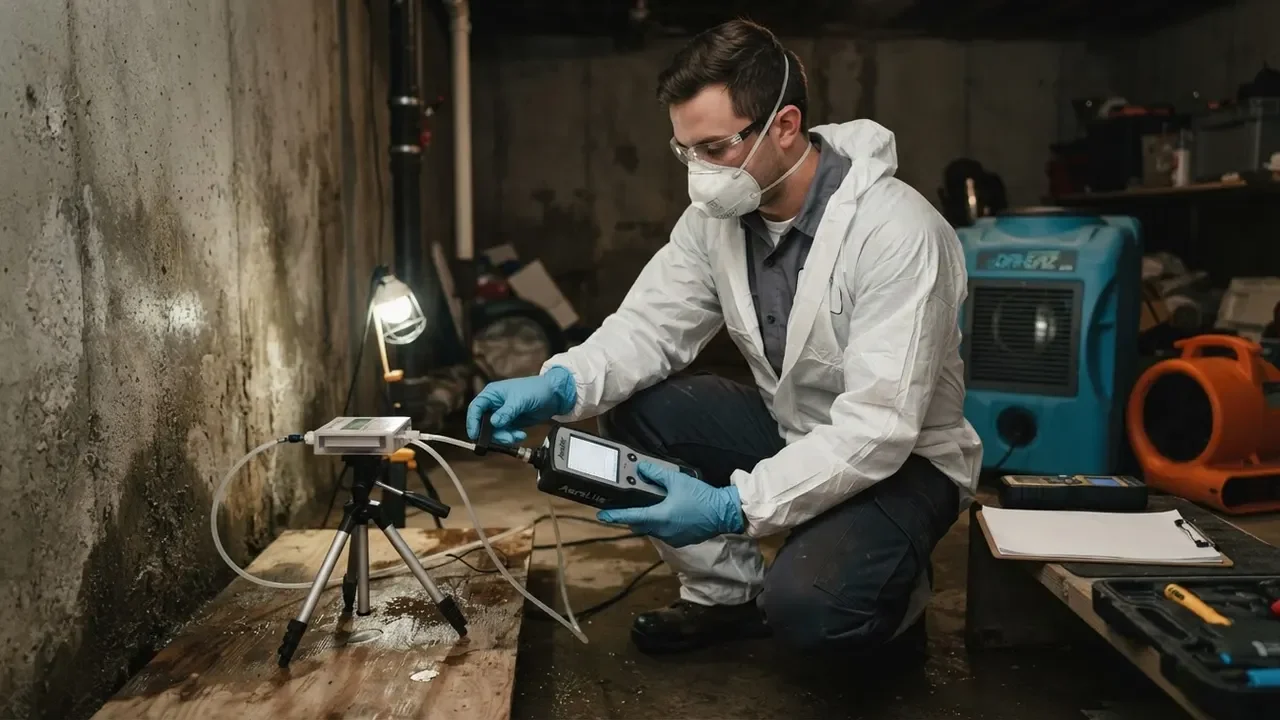
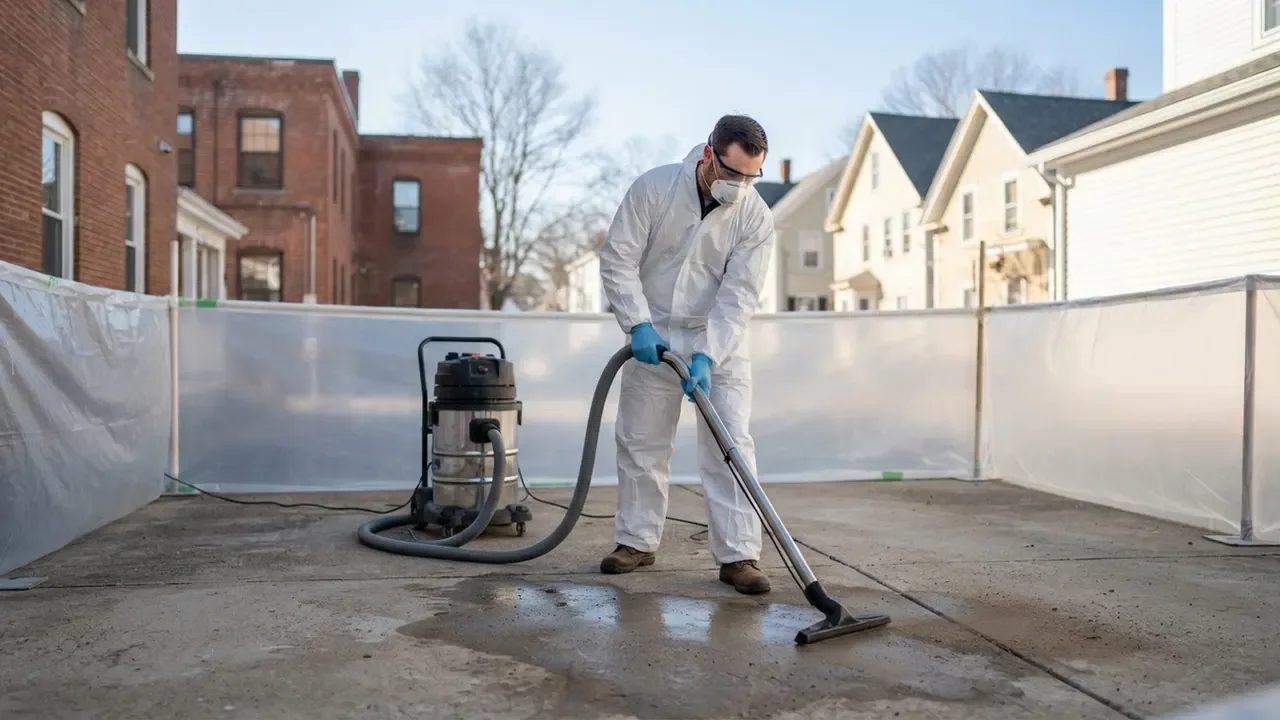
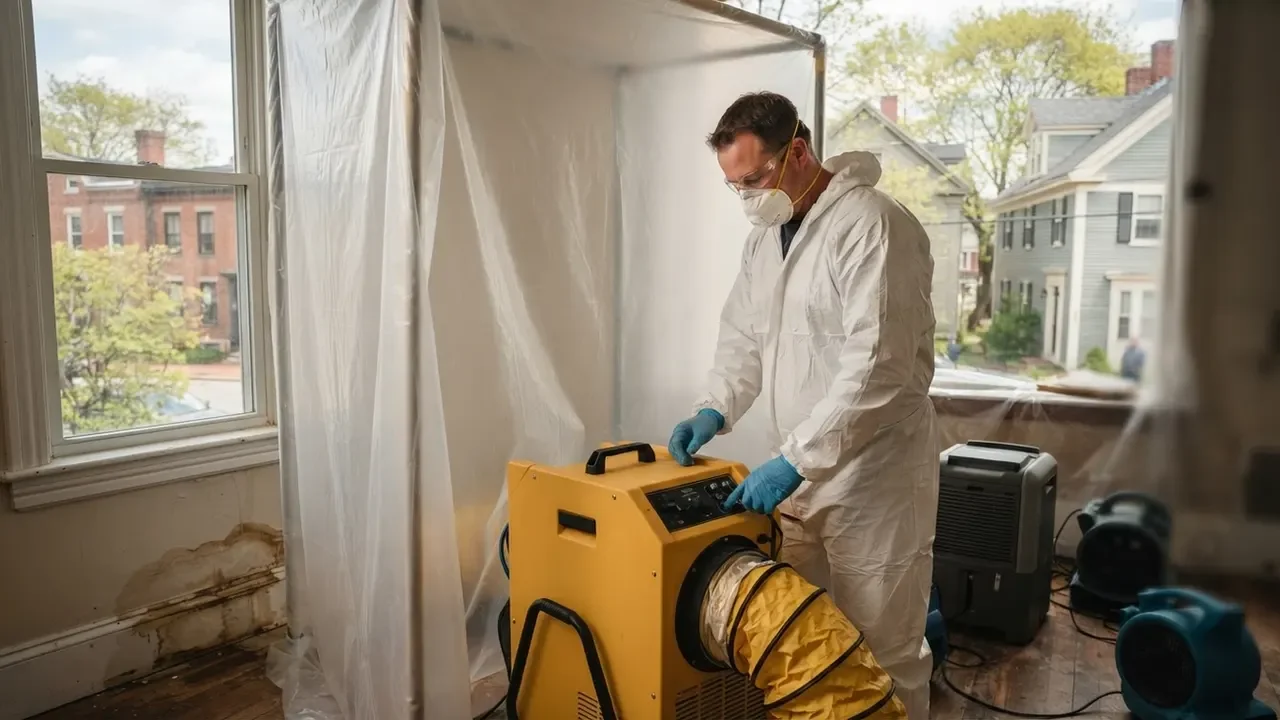
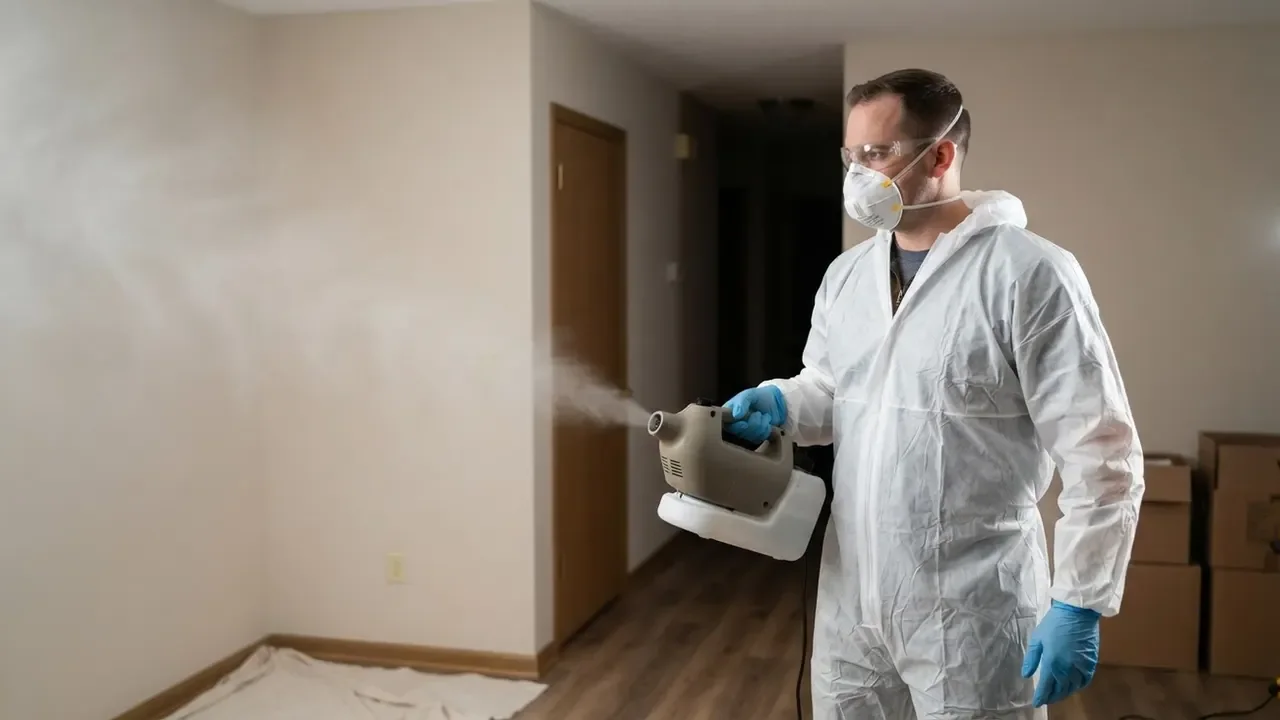
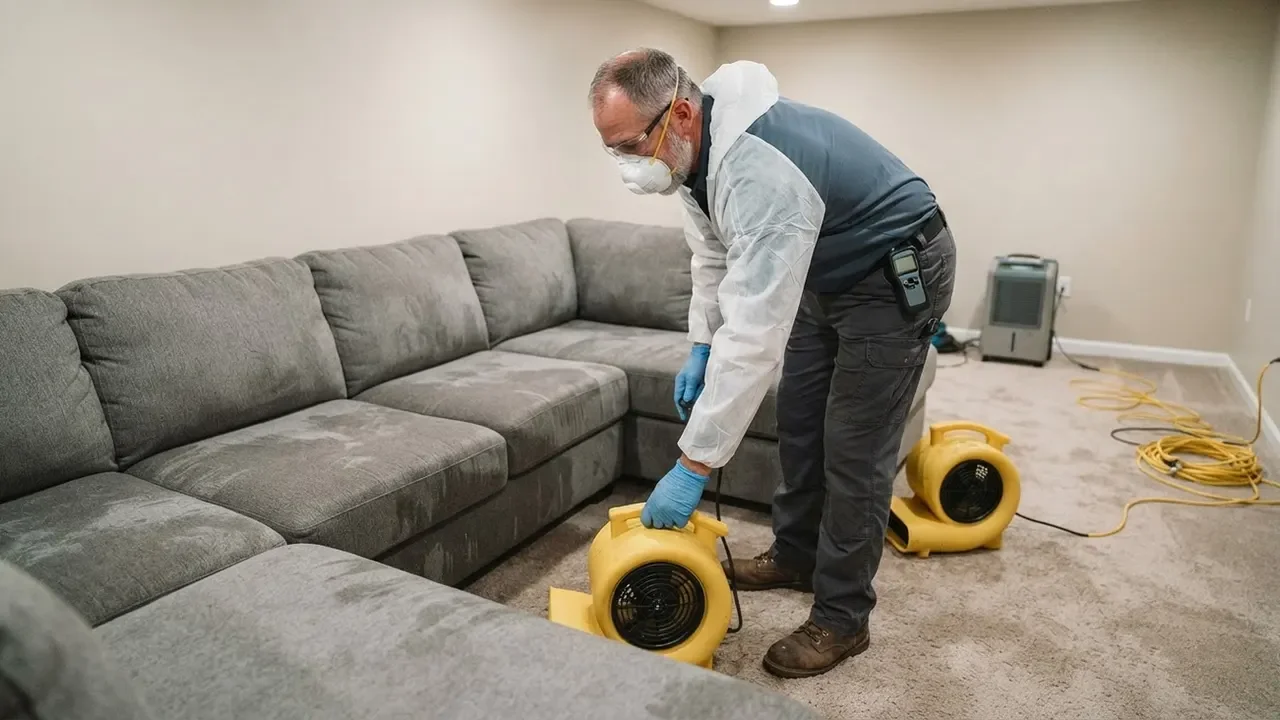
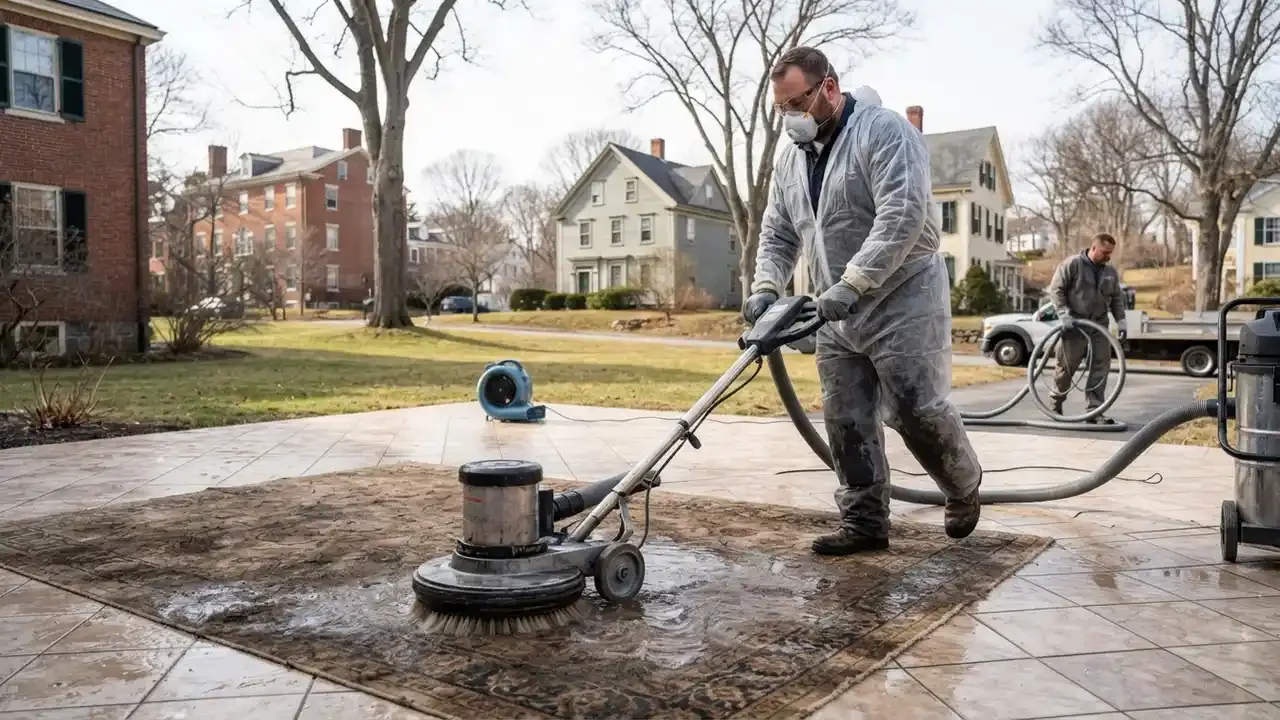
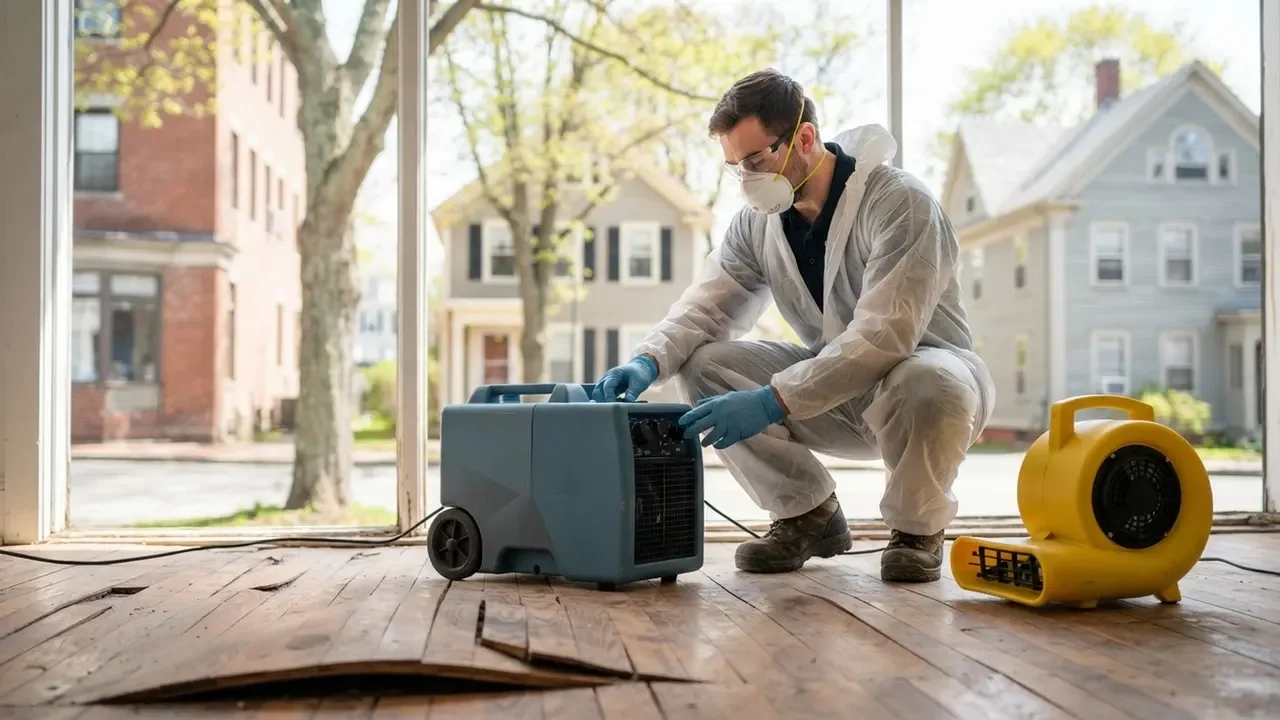
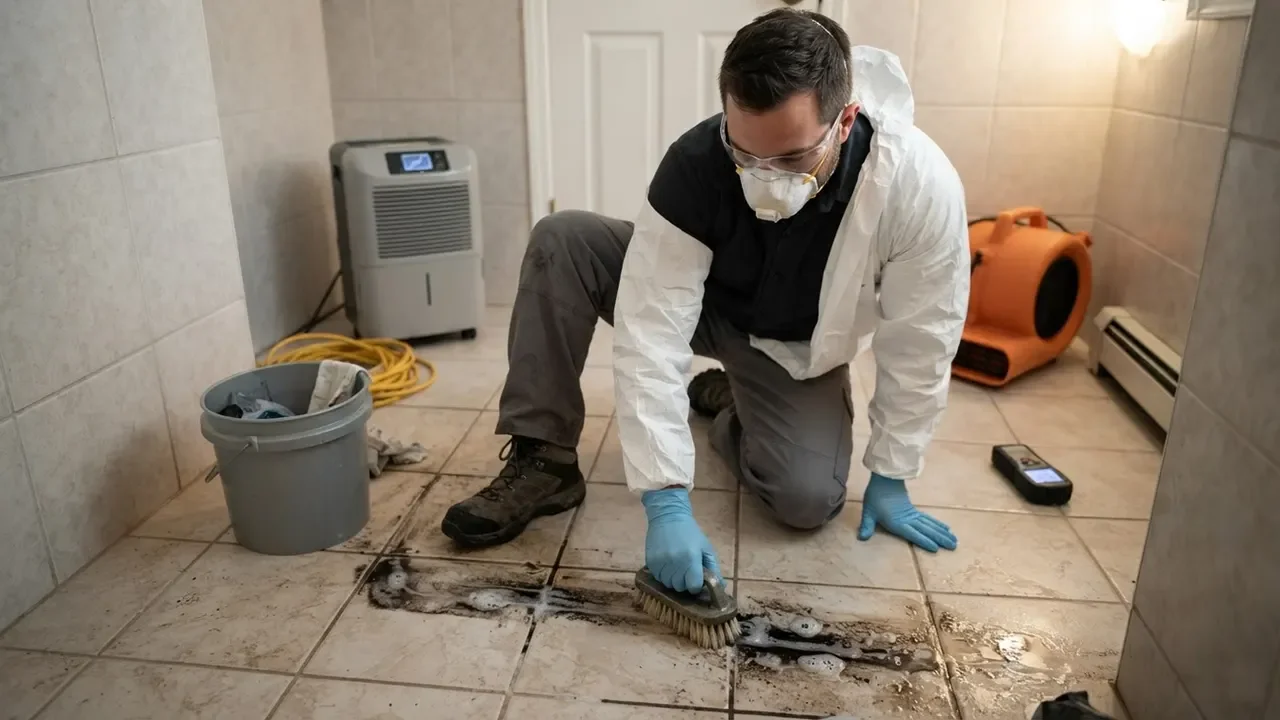
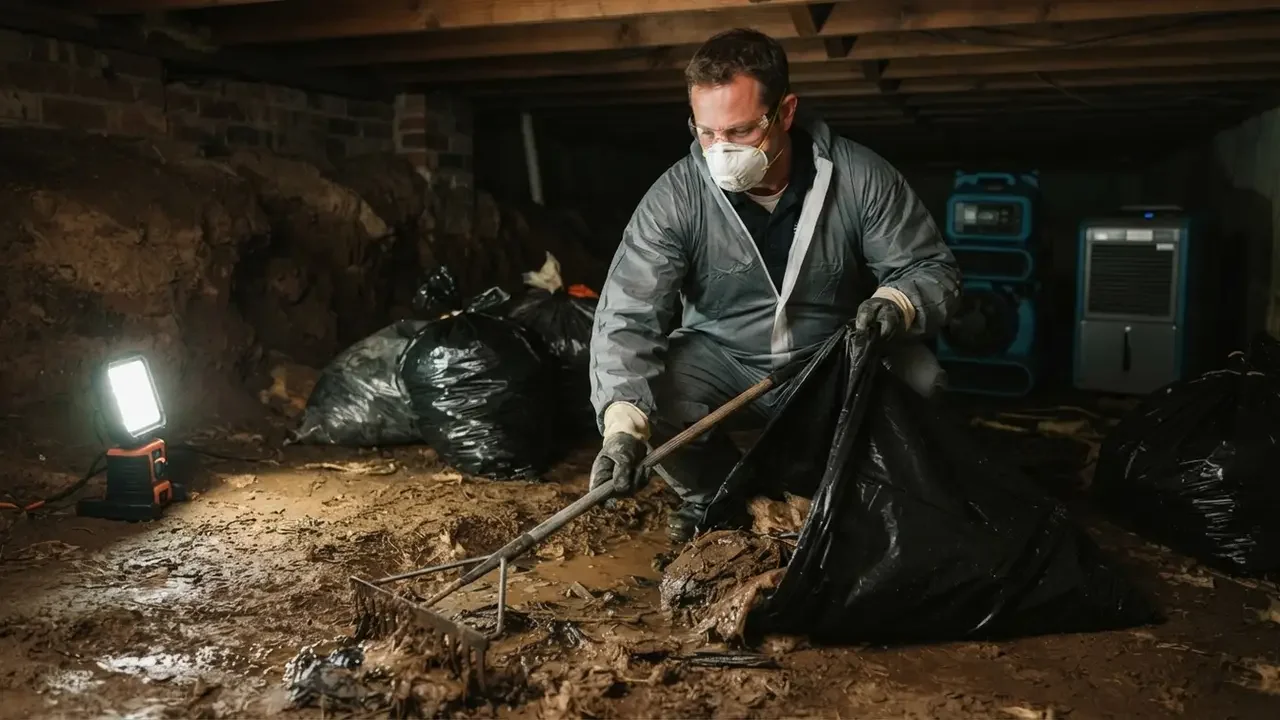
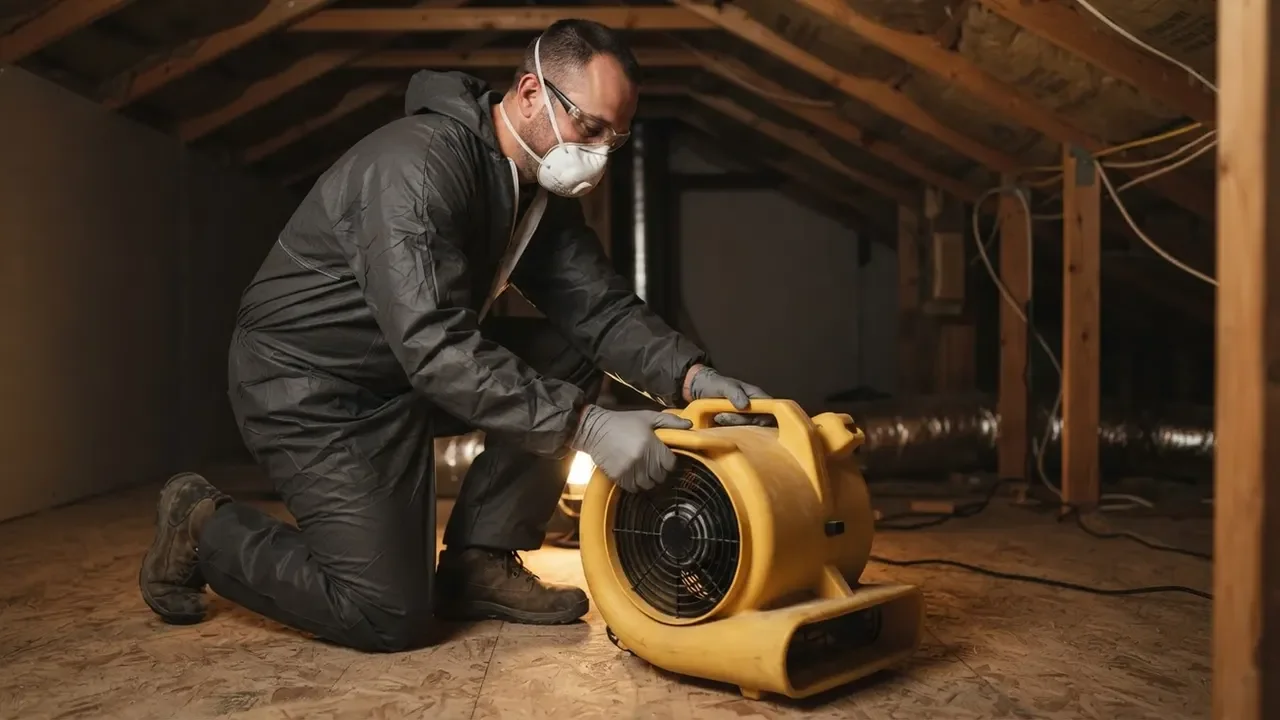
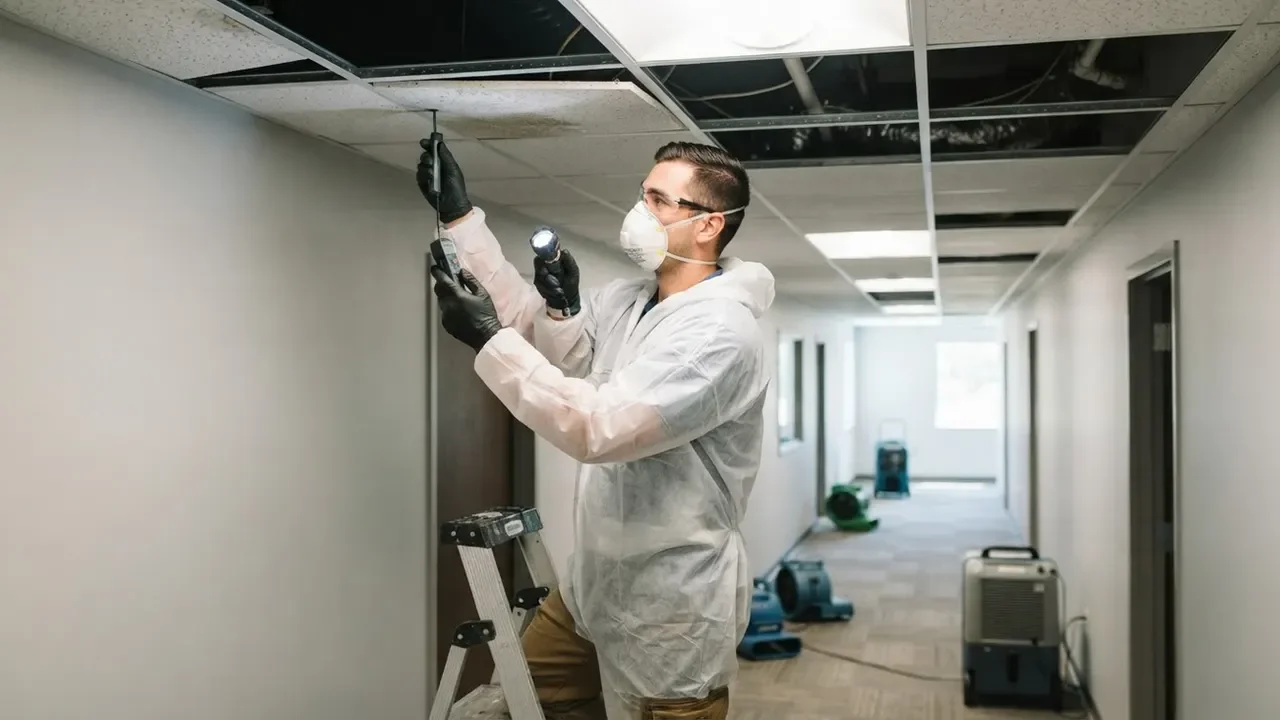
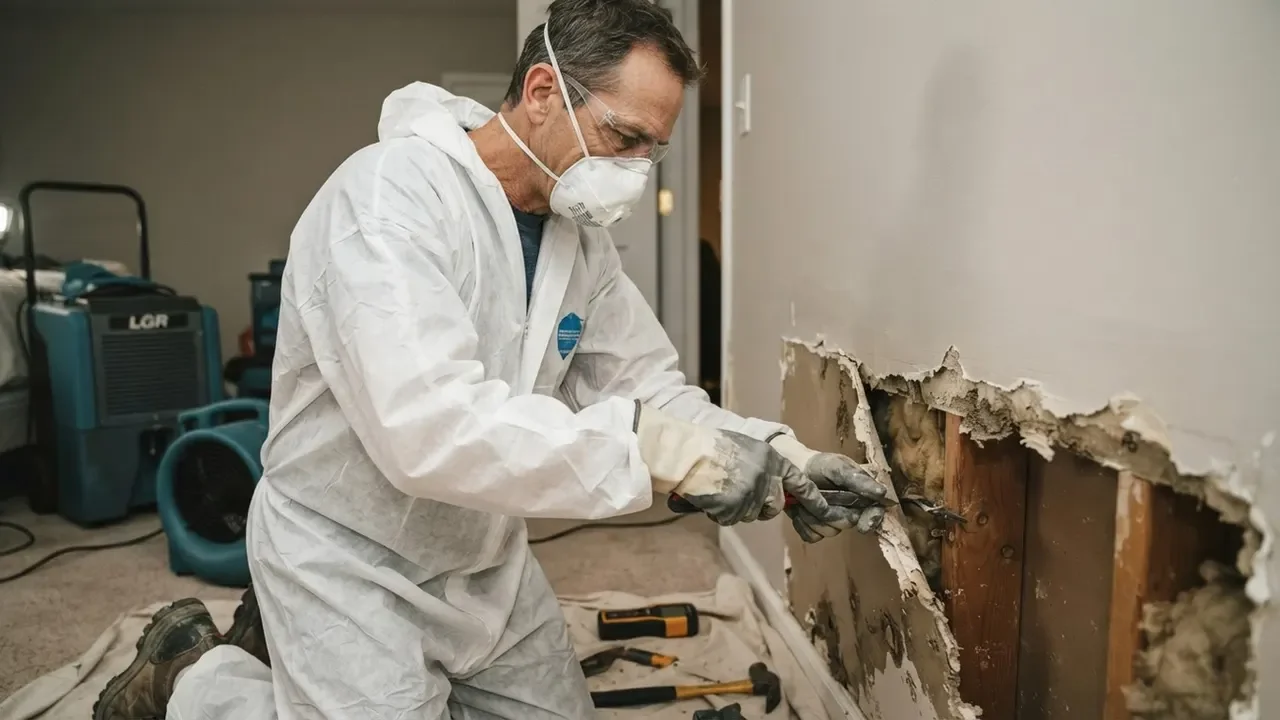
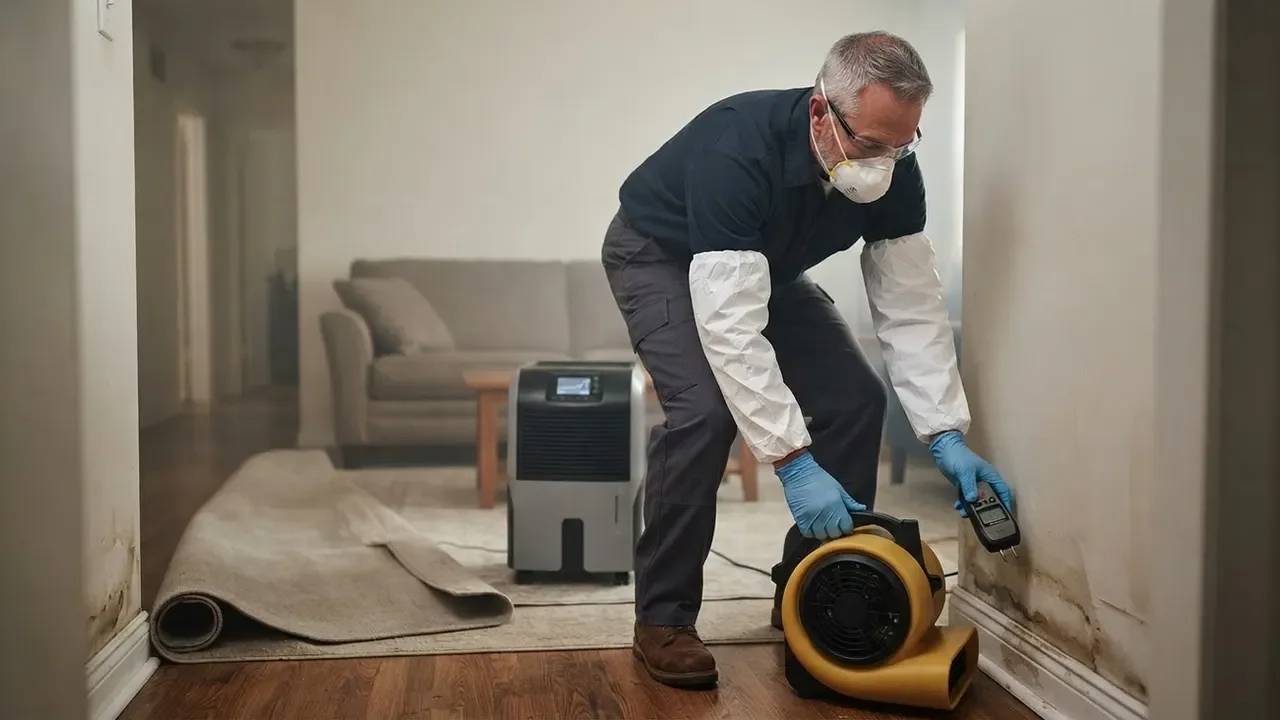
Bradford has suburban homes with basements, and that building pattern means a leak can affect finished lower levels, storage, and mechanical equipment at once. Older septic and plumbing systems deserve attention when drains slow or backups recur. Winter freezes can split pipes, while heavy rain and storm runoff from surrounding hills can reach low entries. Kenoza Lake proximity is a local moisture consideration, but the cause of any loss must be established at the property. Our emergency water damage restoration in Bradford begins by identifying the water source and checking every material it reached.
Cold winter conditions can freeze vulnerable plumbing in exterior walls, crawl spaces, or unheated utility areas. When a pipe thaws or splits, water can run behind drywall and into insulation before appearing at the baseboard. Finished basements make that hidden spread harder to spot.
Bradford storms can produce runoff that follows grading toward low entries. Water can carry soil and debris, then pass beneath carpet or collect behind stored items. The water category and entry path matter because a muddy intrusion needs different cleanup from a clean pipe leak.
Older septic and plumbing systems can experience blockages or failures that send wastewater back through a floor drain or fixture. Porous items and finished flooring can absorb contamination quickly. A strong odor or dirty water is a reason to keep the area closed off.
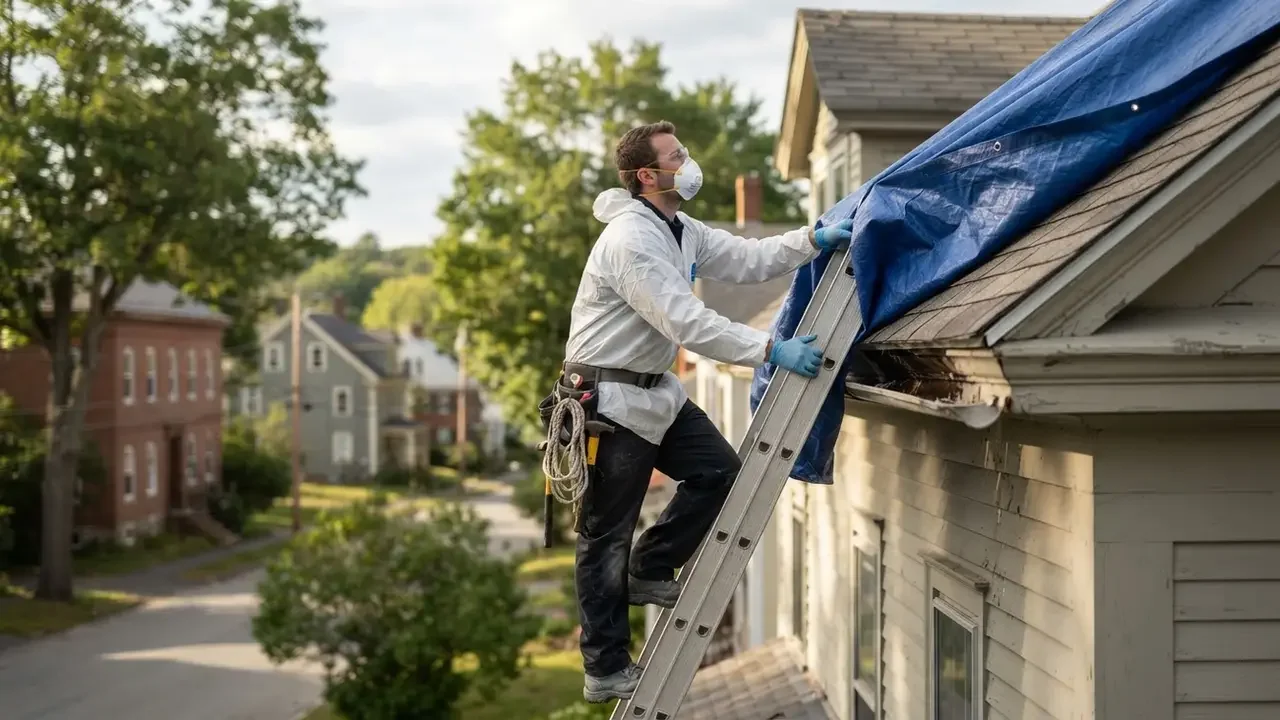
Wind-driven rain can find weak roof details, damaged flashing, or an existing opening. Water may travel along framing and emerge well away from the actual entry point, leaving ceiling stains or damp attic insulation. A dry ceiling surface does not prove the cavity is dry.
Call for water damage restoration in Bradford when water is still entering, a ceiling is sagging, a basement floor is flooded, or a sewage odor appears. Do not wait for a stain to grow: water can move behind baseboard, beneath carpet padding, and into insulation while the surface looks nearly dry. If a breaker, outlet, or appliance is wet, keep clear and avoid touching it. Searching for water damage restoration near me Bradford MA is useful when you need local help, but include the source and whether the water is clean or contaminated when you call.
A ceiling stain grows after rain
A growing ceiling stain suggests water is still entering or has spread through the ceiling cavity. The drywall may soften before it sags, and insulation above can hold moisture. Move furnishings away from the area and call promptly, especially if the ceiling is bulging or dripping.
Basement carpet squishes underfoot
A squishing carpet often means water remains in the carpet padding or below the floor covering. In Bradford basements, check nearby baseboard, stored items, and the wall edge rather than assuming the wet patch is isolated. Extraction and moisture checks help establish how far water traveled.
Musty odor persists after a leak
A lingering musty odor can point to damp materials that were missed during initial cleanup. Moisture may remain behind drywall, under flooring, or in a crawl space. A moisture inspection can locate the source so cleaning or drying addresses the condition rather than simply masking the smell.
Floorboards cup or lift near plumbing
Cupping, raised edges, or gaps in hardwood can indicate moisture below the surface. A small leak from a dishwasher, sink, or pipe can affect subfloor before water pools visibly. Stop the source if safe and have the floor assembly checked before applying heat or refinishing.
A drain backs up with dirty water
Dirty water from a drain or sewage backup creates a contamination concern. Keep people and pets out of the area, avoid using nearby fixtures, and do not handle soaked porous belongings without protection. Cleanup requires controlled removal, cleaning, and drying based on the affected materials.
Our crew uses familiar Bradford landmarks to confirm the right approach and distinguish nearby streets during dispatch. Bradford Common helps orient calls near the center of the community, while Haverhill Country Club and Bradford Elementary School provide recognizable reference points for routing. Kenoza Lake is another local orientation feature, not a predictor of damage at any particular property. We confirm the exact address, entrance, parking conditions, and affected floor by phone before unloading equipment. This reduces unnecessary handling through a home and helps us bring the right extraction setup to the door.
Bradford Common is a recognizable local orientation point. Giving its name alongside your street can help clarify which part of Bradford your address is in, but we still confirm the exact location before dispatch.
Haverhill Country Club is a familiar Bradford-area reference for route orientation. It can help describe a nearby general location when a caller is explaining access, but it does not replace the street address.
Bradford Elementary School provides a recognizable point of reference for nearby streets. We use landmarks only to understand routing and then verify the service address and best property entrance directly with you.
Kenoza Lake is a well-known Bradford landmark and a useful reference when describing the general area. We use it for orientation only; the lake's presence does not establish the cause of water damage at a specific property.
Plus surrounding Essex County neighborhoods, with same-day routing on most appointments.
As November gives way to winter, Bradford homeowners should watch for frozen pipes, roof leaks, and water entering basement stairwells during storms. Suburban homes with basements can hold water in carpet padding and wall cavities long after a surface is wiped. In spring, snowmelt and rain test drainage; summer storms can bring sudden roof or runoff problems; fall leaves can obstruct exterior drainage paths. For a frozen line or flooded lower level, 24/7 water damage restoration in Bradford helps start extraction and drying before materials stay wet for days.
Spring rain and snowmelt can expose drainage weaknesses around Bradford homes. Watch basement windows, exterior stairs, and low floor areas after sustained rain. If water contains soil or debris, treat it as more than a simple clean-water leak and keep children and pets away.
Tip: Check sump pump operation before wet weather and keep the discharge path clear. If water enters, photograph the area safely, stop the source when possible, and call before moving contaminated contents.
Summer storms can damage roof coverings or drive water through an opening before a leak is noticed indoors. Warm, humid conditions can also slow drying in closed rooms. Check ceilings and attic spaces after heavy rain, especially if you see a new stain or smell damp materials.
Tip: Move valuables away from a ceiling leak and place a container under active drips only if the area is safe. Do not puncture a bulging ceiling; call for inspection and water removal.
Falling leaves and debris can interfere with drainage paths, while cooler nights increase the risk of vulnerable pipes becoming cold. Bradford homeowners should check basement entries and look for early roof or ceiling signs before winter weather arrives.
Tip: Clear accessible drains and check plumbing in unheated areas. If a stain appears, record its size and location; a change after each rain helps identify an active roof leak.
Frozen pipes are a leading winter concern for Bradford properties, particularly where plumbing runs through cold or unheated areas. A split line can release water after temperatures rise, soaking insulation, drywall, and basement flooring. Snow and freeze-thaw cycles also challenge roof and entry points.
Tip: If a pipe bursts, shut off the water supply if safe and avoid wet electrical areas. Call for extraction, then have the plumbing source repaired; drying should be monitored rather than judged by touch.
Bradford is part of a connected Haverhill service area, and calls can come from nearby neighborhoods with similar basement, plumbing, and storm-water concerns. Our dispatch conversations focus on the exact address, water source, and access rather than broad distance promises. If you manage more than one property, we can document each affected location separately. The surrounding service region includes Downtown Haverhill, Riverside, Mount Washington, Ward Hill, Highlands, and Ayers Village, keeping local response organized across the Merrimack Valley.
(City)
Downtown Haverhill is part of the same Haverhill service area as Bradford, with calls routed by exact street and building access.
View Downtown Haverhill(City)
Riverside is another Haverhill neighborhood in the surrounding service region; customers can reach the same restoration team from either area.
View Riverside(City)
Mount Washington lies within the Haverhill coverage area and is coordinated alongside Bradford based on the property address and current job access.
View Mount Washington(City)
Ward Hill is part of the broader Haverhill service network, with routing planned from the affected property's location and entry details.
View Ward Hill(City)
Highlands customers share Haverhill-area restoration coverage with Bradford, and service planning starts with the loss details and address.
View Highlands(City)
Ayers Village is included in the same regional service area, so the team can coordinate calls across Haverhill neighborhoods.
View Ayers VillageReal answers from our team for the questions we hear most often before a job starts.
If water is spreading through your Bradford basement, ceiling, or living space, call Haverhill Water Damage Restoration at (833) 546-4116. Tell us what caused the loss, whether water is still entering, and which rooms are affected. We accept emergency calls 24/7 and will focus first on the source, safety, and water removal. Our team serves Bradford, Massachusetts, and nearby Haverhill neighborhoods.
Call (833) 546-4116 when water is entering your home or business, or when a damp room needs inspection. Our referral line is available 24 hours a day to connect you with independent companies serving Haverhill, MA, including areas near 01831 and 01835. Tell us what happened, where the water is, and whether it is still flowing.
Phone
(833) 546-4116Address
Haverhill, Massachusetts
Hours
Mon–Fri: 7AM – 7PM
Sat: 8AM – 4PM
Sun: Emergency Only
24/7 Emergency Available