Haverhill Water Damage Restoration
Call (833) 546-4116

Sewage Backup Cleanup Haverhill MA for Safer Rooms

We remove contaminated water and clean affected spaces.


When sewage reaches your home or business, sewage backup cleanup Haverhill MA helps remove contaminated water, clean affected materials, and limit lingering odors. Our Haverhill team handles sewer backups, overflowing drains, and basement contamination for property owners who need a clear plan and prompt action. We isolate the affected area, extract wastewater, and assess what can be cleaned or must be removed.

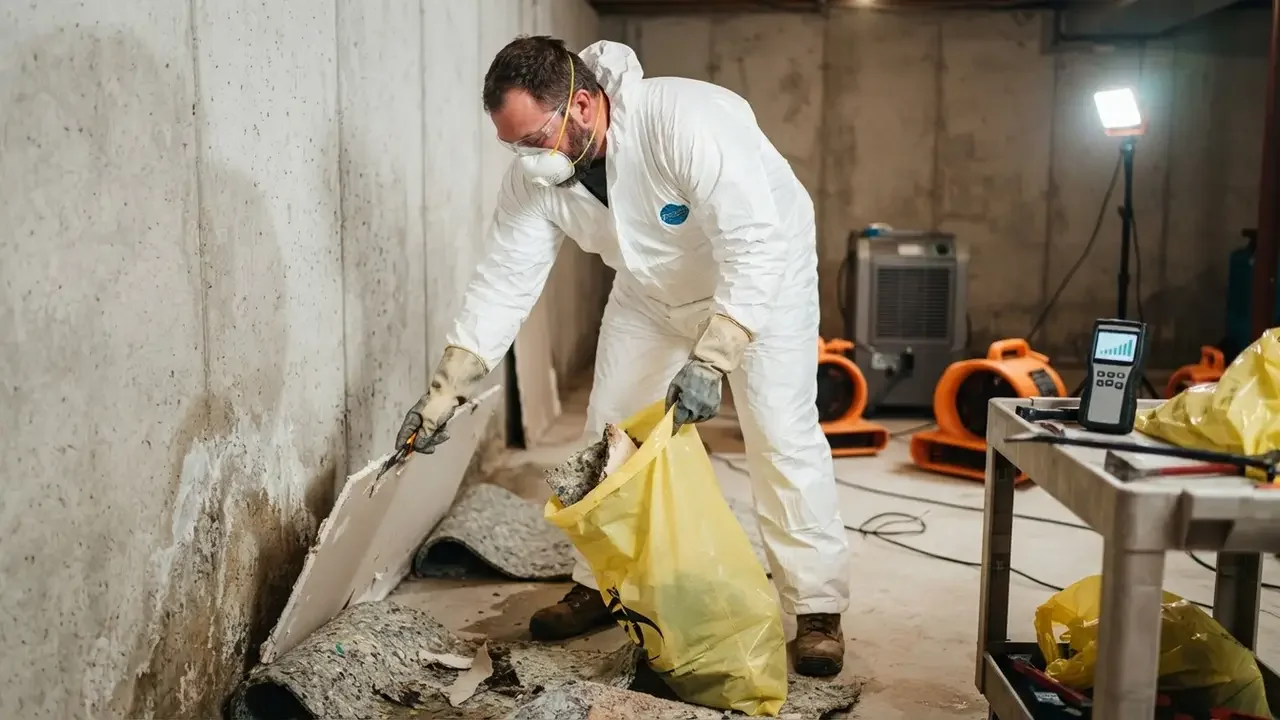
Sewage Backup Cleanup in Haverhill: restoration technician in full PPE carefully removing and bagging contaminated porous
24/7 Emergency Same-Day Response
Warranty Backed Workmanship Guaranteed in Haverhill

What Sewage Cleanup Includes

Sewage cleanup includes an initial site assessment, containment, extraction of standing wastewater, removal of contaminated debris, cleaning of suitable surfaces, and drying checks. We explain which materials can be cleaned and which require removal based on exposure and condition. Repairs such as replacing drywall or flooring are handled after sanitation and drying are complete. We keep the sequence clear so you know what is happening in each affected room.

Contamination Assessment

We identify affected rooms, visible sewage, likely water paths, and materials in contact with wastewater. You receive practical direction on keeping people away from the area while we establish the work zone and determine the safest extraction sequence.

Water and Debris Removal

We extract standing sewage water and remove contaminated debris from the affected space. Where carpet padding, drywall, or other porous materials cannot be cleaned effectively, we contain and remove them as part of the cleanup plan.

Surface Cleaning

We clean suitable hard surfaces after bulk water and visible residue are removed. Tile, grout, and floor edges receive attention because contamination can remain in seams and corners even when the main floor appears clean.

Sanitizing and Drying

We apply appropriate antimicrobial treatment to cleaned surfaces where suitable, then use drying equipment and moisture checks to monitor remaining dampness. The drying plan reflects the materials present and the conditions in your Haverhill property.

Work Documentation

We record affected locations, observed materials, and completed cleanup steps. These notes help you track the job and organize information for your insurer, while any coverage decision remains between you and your insurance provider.

Sewage Backup Cleanup Haverhill MA Explained


sewage backup cleanup Haverhill MA is a contamination-remediation service that removes sewage water and affected debris, then cleans and sanitizes impacted areas after a sewer or drain backup. We first identify the source and limit access to contaminated rooms. Next, we extract standing water, remove unsalvageable porous materials, clean hard surfaces, and dry the structure. A moisture meter helps us check hidden dampness near baseboards and subfloor edges. We document the work so you can understand what was affected and what comes next.

Haverhill homes and commercial properties can face backups after a blocked building drain, a failed sump pump, or heavy rain stressing drainage systems. In older basements, water can spread beneath carpet padding or into drywall before it is visible elsewhere. Our sewage removal Haverhill MA service addresses the contaminated water and the materials it contacts. If you are searching for sewage backup cleanup near me Haverhill MA, we can assess the affected rooms, explain the cleanup sequence, and help you protect clean areas while work begins.

What to Expect During Cleanup

Sewage backup cleanup in Haverhill follows a controlled sequence: assess, contain, extract, clean, and dry. We explain the immediate safety steps first, then work through the affected area in a way that limits cross-contamination. The timeline depends on the water volume, materials, and access, but you will know what stage we are working on.

01

Schedule

Call or book online — a real human picks up and confirms a 2-hour arrival window.

02

Diagnose

A tech inspects on-site, then walks you through the cause and your options.

03

Fix

The job is completed to code and done right the first time — no shortcuts, no surprises.

04

Guarantee

Every job backed by a written workmanship warranty — and we stand behind it.

Tools and Cleanup Methods

Tools & Equipment

Moisture meter

We use readings to compare damp areas with unaffected materials and track drying around baseboards, wall bottoms, and flooring. It helps us decide whether additional drying or inspection is needed.

Extraction wand

The wand removes remaining liquid from floor surfaces and edges after bulk water is pumped out. Controlled passes help collect water near corners and transitions where a large pump cannot reach.

HEPA vacuum

After bulk contamination is removed and the surface is suitable, a HEPA vacuum helps collect fine debris during cleanup. We select its use based on the material and contamination conditions, not as a substitute for water extraction.

Air mover and dehumidifier

These tools support drying after contaminated materials have been addressed. We position them to move air across suitable surfaces and remove moisture from the room, then check progress rather than relying on a fixed run time.

Thermal imaging camera

Thermal imaging can help locate temperature patterns associated with possible moisture. We use it as an inspection aid alongside direct moisture readings and visual checks, not as proof of contamination by itself.

Methods & Standards

Controlled work-zone setup

We identify the affected area, limit unnecessary foot traffic, and plan equipment movement before extraction. This reduces the chance of tracking wastewater through clean rooms. We also give you simple access instructions so household members or employees know which surfaces to avoid during the work.

Material-based removal decisions

We evaluate each material according to its porosity, exposure, and condition. Tile may be cleaned after residue is removed, while saturated carpet padding or contaminated drywall often requires removal. This keeps the plan grounded in what the material can safely support rather than treating every surface identically.

Clean, sanitize, then dry

Bulk sewage and debris come out first. We then clean suitable surfaces, apply an appropriate antimicrobial treatment, and dry the remaining structure. Drying equipment is set after contamination is addressed, and moisture readings guide follow-up. This sequence helps avoid pushing contaminated debris into otherwise clean materials.

Documented moisture verification

We record affected areas and use repeat moisture checks to assess drying. Readings are considered with the material type and site conditions; a single surface measurement does not tell the whole story. You receive an update when the area is ready for repair planning or further inspection.

When to Call for Sewage Cleanup

01

A Basement Floor Drain Overflows in Riverside After a Storm and Leaves Wastewater Around Stored Boxes.

What we do: Call us before moving items through the water. We establish a controlled path, assess which contents and floor materials were exposed, and remove standing sewage. We then clean suitable surfaces and identify materials that need removal so contamination is not carried into clean rooms.

→ Your basement gets a defined cleanup sequence, and you know which belongings can be evaluated separately from contaminated debris.

02

A Toilet or Laundry Drain Backs Up Overnight in a Bradford Home and Reaches the Hallway Carpet.

What we do: We isolate the affected rooms, extract water, and inspect the carpet edge and padding. If porous materials have absorbed sewage, we remove them rather than relying on surface treatment alone. After cleaning the subfloor and adjacent hard surfaces, we set drying equipment and track moisture.

→ The contaminated flooring is addressed at the material level, with a clear path toward drying and replacement rather than odor masking.

03

A Shared Drain Backs Up in a Downtown Haverhill Apartment Building and Affects a Common Laundry Area.

What we do: We help property staff limit access, assess the affected footprint, and coordinate extraction and sanitation around the shared space. We document visible damage and check nearby floor edges so cleanup does not stop at the first dry-looking surface.

→ Residents receive clearer access guidance, and managers have a record of the affected area and completed cleanup steps.

04

A Sump Pump Fails in a Ward Hill Basement and Sewage-Contaminated Water Remains Near Mechanical Equipment.

What we do: We assess the water level and nearby electrical and mechanical hazards before extraction. Once the work area is safe to enter, we remove pooled water, sort affected materials, and clean accessible surfaces. We then check the perimeter and plan drying around the basement layout.

→ The water is removed with attention to safety and contamination, and the remaining drying or repair needs are identified.
How Sewage Cleanup Works in Haverhill

Haverhill properties range from older homes with compact basement utility areas to apartments and commercial spaces with shared plumbing routes. That mix affects access, where a backup can travel, and how we protect adjoining rooms. In winter, frozen pipes and drainage problems can complicate an already active leak; after heavy rain, basement drains and sump systems deserve close attention. Our Haverhill sewage backup cleanup services begin with the source and the safest route into the affected space, then move through extraction, material decisions, sanitation, and drying. If sewage backup water removal in Riverside Haverhill is needed, we check floor edges and nearby rooms rather than assuming the visible pool marks the full boundary. We serve Essex County and use ZIP coverage that includes 01832, 01830, 01835, and 01831. Local building conditions do not replace code requirements; plumbing repairs and reconstruction should follow applicable Massachusetts rules and be completed by the appropriately qualified trade. We explain where restoration ends and repair work begins.

Neighborhoods We Serve

  • Riverside

    Basement and lower-level spaces near the river corridor need careful checks at floor transitions. We assess whether water has reached adjacent rooms before setting the drying plan.

  • Bradford

    Homes with finished basements can hide contamination beneath carpet and trim. We inspect the flooring edge and lower drywall instead of treating only the visible water line.

  • Downtown Haverhill

    Shared walls and commercial access can affect how a work zone is set up. We coordinate room restrictions and keep the cleanup route separate from unaffected areas.

  • Ward Hill

    Utility rooms and basement drains can be difficult to reach when equipment or stored items are nearby. We plan access before extracting water and moving affected materials.

Local Conditions We Plan For

  • Freeze-thaw weather can stress plumbing and drainage connections

    Winter conditions can coincide with frozen pipe problems or active drain issues. We check whether water is still entering and keep the immediate work focused on safe access, containment, and removal before structural drying.

  • Heavy rain can increase basement water concerns

    Rain-related water and sewage are not the same category. We identify whether wastewater is present before choosing cleaning methods, then assess nearby floors and stored materials that may have been reached.

  • Older basement finishes can conceal water pathways

    Finished walls, trim, and floor coverings may hide moisture at the perimeter. We inspect transitions and use moisture readings to guide decisions about removal, drying, and repair access.

Basement Drain Backup

Before

A basement floor drain overflowed, leaving about 1 inch of sewage water across a 180-square-foot finished area. Carpet, padding, and the lower edge of two drywall sections were affected. The room smelled strongly, and stored boxes prevented the homeowner from seeing how far water had moved along the wall.

After

We removed standing water, affected carpet and padding, and contaminated lower wall material. The cleaned floor was treated and dried with air movers and a dehumidifier. Follow-up readings over 48 hours helped confirm that the exposed floor area was drying before repair work was planned.

Maintenance: Keep floor drains accessible and avoid storing paper goods directly on basement flooring. Test the sump pump according to its manufacturer instructions, and call a plumber if a drain gurgles, backs up, or repeatedly releases an odor.

Before

A laundry drain backup spread across a 70-square-foot tiled room and into the carpeted doorway. Wastewater remained near the baseboard, while the tile surface looked cleaner after the initial spill was wiped. The homeowner was unsure whether the carpet edge and grout needed additional attention.

After

We extracted remaining water, cleaned the tile and grout, and removed the affected carpet strip and padding at the doorway. The subfloor edge was inspected and dried. The room returned to use after sanitation and drying checks were complete, with replacement flooring left as a separate repair step.

Maintenance: Do not pour grease, wipes, or bulky debris into drains. Check laundry hoses and drain connections regularly, and keep the floor area clear enough to spot a leak before water spreads into adjoining rooms.

Before

A restroom drain backed up in a small commercial unit, affecting roughly 95 square feet of tile and the lower wall near a partition. Staff had placed towels over the water but continued using the nearby corridor, increasing the chance of tracking residue beyond the room.

After

We restricted access, removed contaminated water and debris, and cleaned the tile and lower wall surfaces. The affected area was sanitized and checked for moisture. Work notes documented the rooms addressed, allowing the manager to coordinate repairs and reopen the restroom after the cleanup sequence was complete.

Maintenance: Keep a backup response plan with a contact number and clear access instructions for staff. Stop use of affected fixtures, close the room, and prevent foot traffic until the source is controlled and cleanup is finished.

Problems Sewage Cleanup Can Solve

A sewage backup can leave contamination in places you cannot judge by sight alone. We address the water, residue, and affected materials in a planned order. If you need sewage backup cleanup with sanitization Haverhill MA, our team checks the source area and the nearby surfaces where wastewater can spread.

Problem

Standing Sewage Water Across a Basement Floor

Water can spread beneath stored items and floor coverings, leaving contaminated residue behind. Continued contact creates sanitation concerns and can increase damage to porous materials.

Our Fix

We restrict access, remove standing water with appropriate pumps or extraction tools, and assess the floor perimeter for remaining contamination. Our Haverhill crew then cleans suitable surfaces and identifies porous materials that require removal. You get a clear account of the affected area before drying begins.

Problem

Persistent Sewer Odor After Visible Water Is Gone

Odor can linger when wastewater remains in carpet padding, floor seams, or debris. Masking the smell without removing its source does not resolve the contamination.

Our Fix

We trace the odor to affected materials, remove unsalvageable porous items, and clean surfaces that can be treated. After extraction and sanitation, we dry the space and reassess. This source-focused approach helps prevent deodorizer from covering up residue that still needs attention.

Problem

Contaminated Carpet and Lower Drywall

Carpet backing, padding, and drywall can absorb sewage, making surface cleaning alone inadequate. Hidden contamination can remain beneath a clean-looking finish.

Our Fix

We inspect the carpet edge, padding, and lower wall sections to establish how far the backup traveled. Where removal is needed, we contain materials and expose the area for cleaning and drying. We explain repair needs before clean materials are put back in place.

Problem

Uncertainty About Moisture Behind the Baseboard

Water can wick into a wall cavity or subfloor, where it stays unnoticed after the room looks dry. That moisture can prolong odors and delay repairs.

Our Fix

We use visual inspection and moisture readings around baseboards, floor transitions, and nearby walls. If results indicate concealed dampness, we explain the next inspection or removal step. Drying continues until readings support moving on to repairs.

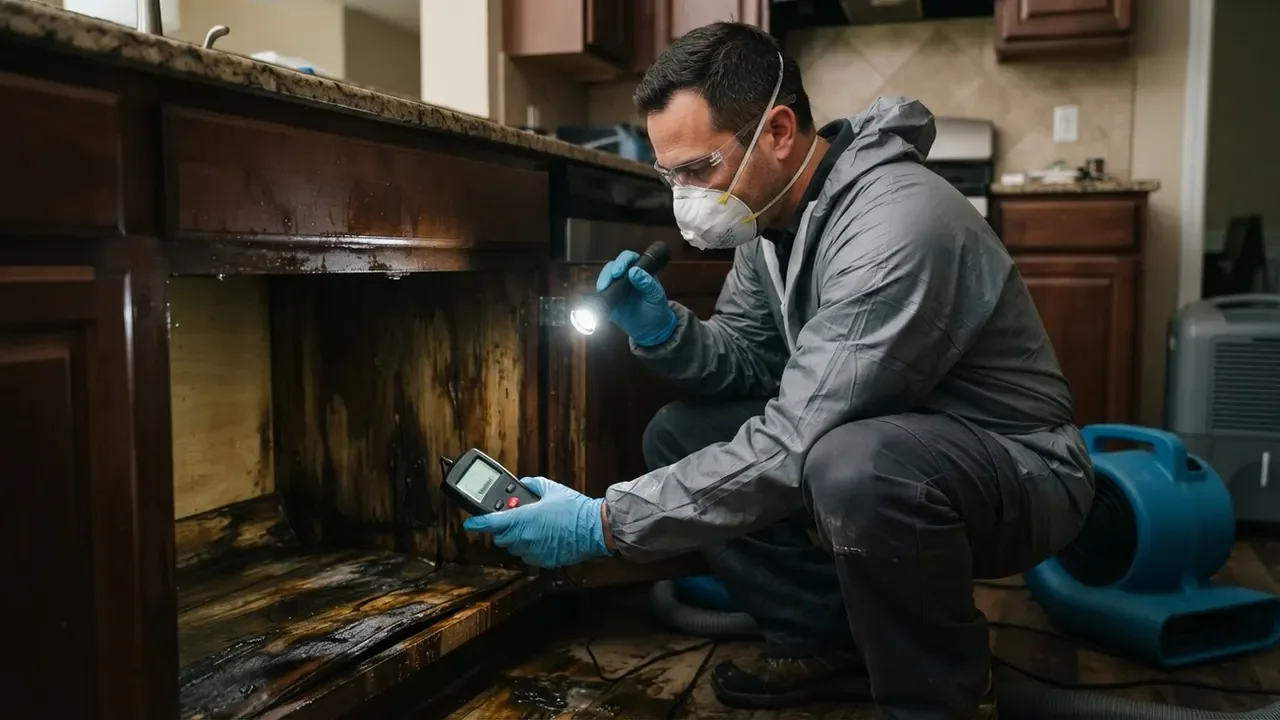
Water damage restoration in Haverhill: restoration technician inspecting a water-damaged kitchen cabinet interior with a

Safer Cleanup, Clearer Next Steps

A sewage event is not an ordinary water spill. We separate contaminated items from salvageable contents, remove water with suitable extraction equipment, and clean reachable surfaces before structural drying. You get a defined work sequence, attention to hidden moisture, and practical guidance for keeping people and pets away from the affected area.

  • Contain contamination early

    We establish a controlled work area before moving equipment through your property. That separation helps reduce tracking from the affected basement or bathroom into clean rooms. Our crew uses protective practices appropriate to the contamination and keeps removed waste contained during handling. You will know which areas to avoid while extraction and cleaning are underway.

  • Remove water and debris

    Standing sewage water and contaminated debris are removed before the drying phase. An extraction wand can reach floor-level water, while a HEPA vacuum is used where suitable for fine debris after bulk contamination is cleared. The exact sequence depends on the material and site conditions, not on a one-size-fits-all checklist.

  • Check hidden moisture

    Water can travel below tile edges, into carpet padding, or behind baseboards. We use moisture readings and visual inspection to identify areas that need additional attention. If your sewage cleanup and sanitization Haverhill service includes affected wall cavities, we explain which materials need removal and how the opening will be dried.

  • Document the work

    We record affected rooms, observed materials, and cleanup steps so you have a useful job record. This supports conversations with your insurer, although coverage depends on your policy and the cause of the backup. You receive a practical summary of completed work and any remaining repair needs.

Standards and Safe Work

Industry Standards

  • ANSI/IICRC S500 — issued by Institute of Inspection, Cleaning and Restoration Certification
  • ANSI/IICRC S520 — issued by Institute of Inspection, Cleaning and Restoration Certification
  • OSHA 10 — issued by Occupational Safety and Health Administration

Practical Contamination Expertise

Sewage cleanup requires more than pumping water from a floor. Our local team considers contamination level, material porosity, access, and the risk of moisture remaining behind finished surfaces. We follow applicable industry guidance, including ANSI/IICRC S500 principles for water damage restoration and relevant practices for microbial remediation. We do not invent a job history or certification claim; instead, we explain the methods used at your property and document the affected materials. You get direct answers about what we can clean, what should be removed, and how drying is checked.

  • We distinguish sewage-contaminated water from clean-water leaks before selecting extraction, cleaning, and disposal methods.
  • Our technicians use moisture readings to guide drying instead of relying only on touch or surface appearance.
  • We assess drywall, insulation, carpet padding, and subfloor separately because each material responds differently to contamination.
  • We keep the work zone controlled and explain access restrictions so your household can avoid affected surfaces.
  • We document visible conditions, cleanup actions, and remaining repairs to help you organize the next steps.
Get Started Today
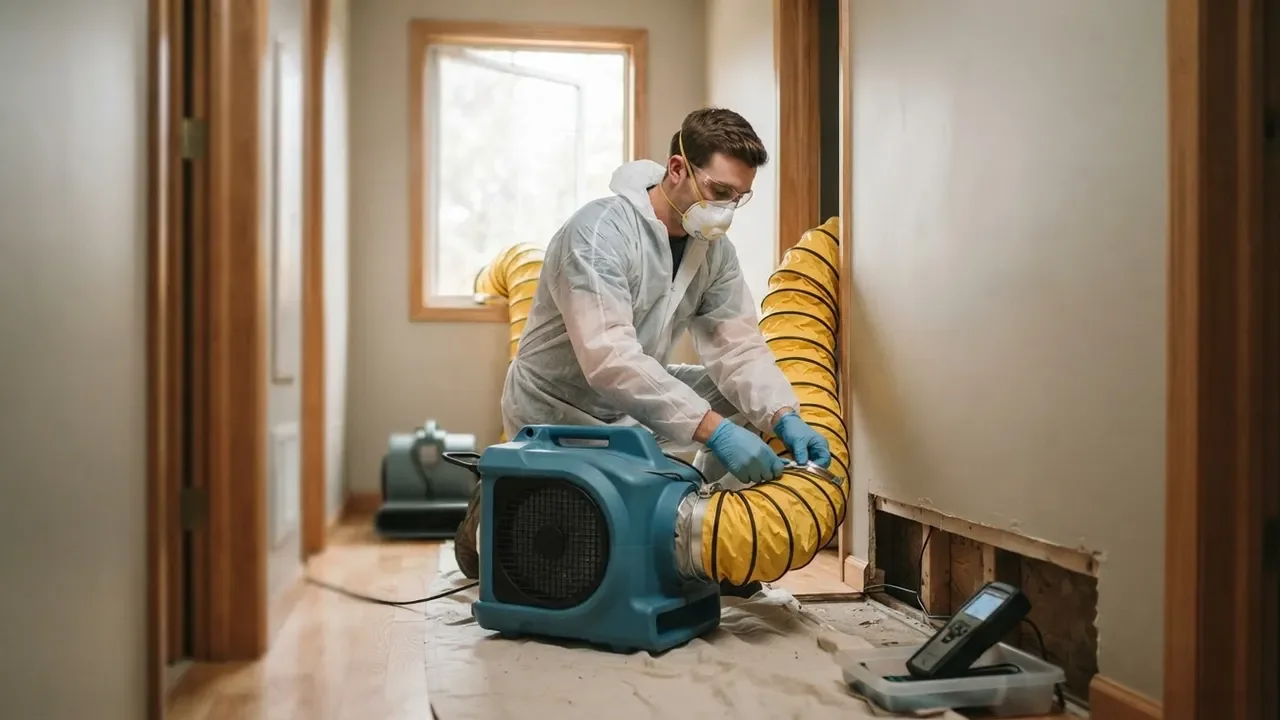
Water damage restoration in Haverhill: professional-grade portable air scrubber with its exhaust ducting running out a

Sewage Cleanup Questions, Answered

Real answers to the questions we hear most often from local homeowners and property managers.

How much does sewage backup cleanup cost in Haverhill MA?
A contained residential sewage cleanup often varies with larger or heavily contaminated losses costing more. Typical pricing in Haverhill depends on water volume, affected rooms, material removal, access, and drying time. We inspect the area and explain the cost drivers before work proceeds. Keep photos and receipts for your insurer; coverage varies by policy and by the cause of the backup.
How do you remove sewage backup water from a basement in Haverhill?
We isolate the basement, remove standing water with suitable extraction equipment, then clean and sanitize affected surfaces before drying. A sump pump can move deeper pooled water, while detailed extraction handles floor edges and remaining liquid. We assess carpet padding, drywall, and stored contents separately because contaminated porous materials often need removal. Do not enter sewage water or run household fans through the affected area.
Is sewage backup cleanup covered by insurance in Haverhill Massachusetts?
Coverage depends on your policy, the backup cause, and whether you have a sewer or water-backup endorsement. Some policies exclude sewer backups unless added coverage is in place. We document the affected rooms, materials, and cleanup actions so you have records for your claim. Call your insurer promptly, take photos only from a safe location, and avoid discarding items until you understand any documentation requirements.
Can you do sewage removal same day in Haverhill MA?
Same-day sewage removal is possible when crew availability and site conditions allow, and urgent cases are prioritized by contamination and active water entry. Call (833) 546-4116 and tell us whether the backup is ongoing, how many rooms are affected, and whether anyone has entered the water. We will help you restrict access and explain the immediate steps while arranging an assessment.

Related Property Cleanup Services

Water Damage Restoration

Sewage contamination can leave water trapped in walls, floors, and adjacent rooms. Our Haverhill water damage restoration work continues after sanitation with targeted drying and repair planning, helping you address moisture that remains after the visible sewage has been removed.

View Water Damage Restoration

Emergency Water Extraction

Fast extraction reduces the amount of contaminated water sitting against building materials. We use appropriate pumps and extraction tools for the volume and access, then move to cleaning. In Haverhill, this service is useful when a drain backup leaves standing water in a basement or utility room.

View Emergency Water Extraction

Flood Cleanup

Floodwater can mix with sewage when drains overflow or water enters through a basement opening. Our Haverhill flood cleanup team removes water, sorts affected materials, and checks for contamination before drying. The source and water category determine the cleaning approach.

View Flood Cleanup

Basement Water Removal

A backed-up floor drain or failed sump pump can leave several inches of water in a Haverhill basement. We remove pooled water, clean affected surfaces, and assess the floor perimeter for moisture. Sewage exposure changes the work sequence because sanitation comes before routine drying.

View Basement Water Removal

Storm Damage Restoration

Heavy rain can contribute to basement water problems and overwhelm drainage around a property. Our storm damage restoration service addresses water entry and related damage in Haverhill, while sewage cleanup handles contamination if wastewater enters the space. We identify each source before selecting the work plan.

View Storm Damage Restoration

Burst Pipe Repair and Cleanup

A burst pipe creates a different water category than a sewer backup, but both can saturate floors and wall cavities. We remove water and document the affected materials in Haverhill. If a separate plumbing repair is needed, we help identify the point where restoration and plumbing work meet.

View Burst Pipe Repair and Cleanup

Call for Sewage Cleanup in Haverhill

Keep people and pets out of the affected area and call our local team at (833) 546-4116. We will help you address the immediate risk and arrange an assessment. Our technicians use measured moisture checks to guide cleanup and drying.

Call now Call for cleanup

Contact Haverhill Restoration

Call (833) 546-4116 when water is entering your home or business, or when a damp room needs inspection. Our referral line is available 24 hours a day to connect you with independent companies serving Haverhill, MA, including areas near 01831 and 01835. Tell us what happened, where the water is, and whether it is still flowing.

Or call us right now at (833) 546-4116 — we answer.
Or email us at hello@haverhillwaterdamagema.com

Haverhill Water Damage Restoration


  • Address

    Haverhill, Massachusetts

  • Hours

    Mon–Fri: 7AM – 7PM
    Sat: 8AM – 4PM
    Sun: Emergency Only
    24/7 Emergency Available

Call (833) 546-4116 Get Quote
Call Quote