Haverhill Water Damage Restoration
Call (833) 546-4116

Hardwood Floor Water Damage Restoration in Haverhill

Stop hidden moisture before boards buckle or stain


Hardwood Floor Water Damage Restoration in Haverhill helps homeowners and property managers protect wood flooring after a burst pipe, appliance leak, roof leak, or flooding. We locate moisture beneath the boards, remove standing water, and set a drying plan before swelling and finish damage spread. Our wood floor water damage repair Haverhill MA service begins with a clear inspection and practical next steps for your home.

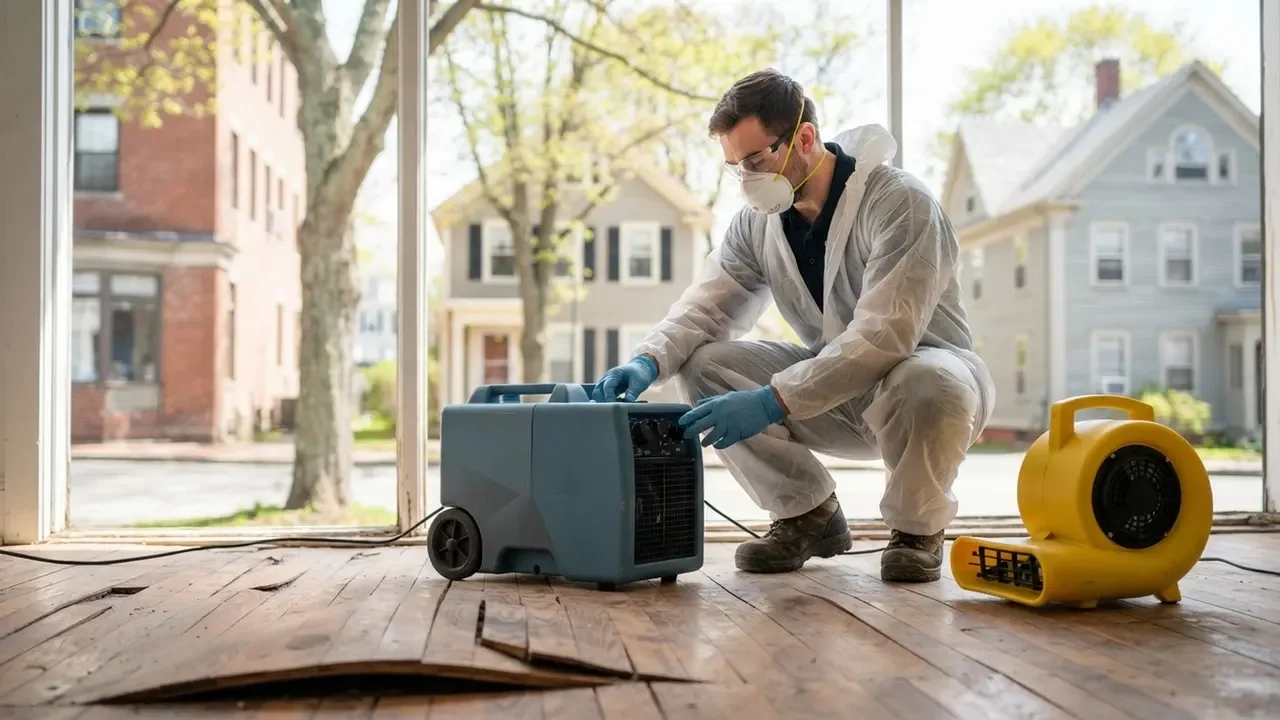
Hardwood Floor Water Damage Restoration in Haverhill: restoration technician setting up an industrial dehumidifier and air
24/7 Emergency Same-Day Response
Warranty Backed Workmanship Guaranteed in Haverhill

What Hardwood Floor Restoration Includes

Our service covers inspection, moisture mapping, water extraction, drying setup, and follow-up checks for affected hardwood and accessible neighboring materials. We also explain repair options once the floor is stable. Permanent plumbing repairs, extensive reconstruction, and specialty refinishing can require separate trades or work stages; we identify those needs from the damage rather than bundling unrelated work into the drying plan.

Floor and Source Inspection

We inspect the visible water path, floor edges, baseboards, and nearby rooms, then ask when the leak started. The source must be controlled to stop new water from reaching the wood. We note affected materials and compare damp areas with unaffected flooring.

Water Extraction

We remove surface water with suitable extraction tools and clear rugs or items that hold moisture against the hardwood. Extraction reduces the water load before drying begins. We take care around finish and board seams to avoid adding unnecessary surface damage.

Measured Structural Drying

We position air movers and dehumidification equipment based on readings and floor construction. Checks include the hardwood and, when accessible, the subfloor and baseboard. We record progress and adjust equipment as conditions change rather than using a one-size-fits-all schedule.

Repair Planning

After drying, we review swelling, staining, finish condition, and board stability. You receive practical options such as continued monitoring, selective board replacement, sanding, or refinishing. Repairs are planned after moisture levels are suitable for the next step.

Hardwood Floor Water Damage Restoration in Haverhill


Hardwood Floor Water Damage Restoration in Haverhill is a structural drying and floor-recovery service that removes water, measures moisture in flooring and subfloor, and guides repair or refinishing after a leak or flood. We start by stopping the source when possible, extracting surface water, and recording moisture readings across affected and unaffected areas. A moisture meter helps us track progress instead of guessing from appearance. Depending on the wood species, finish, installation, and exposure time, the right plan may preserve boards, limit cupping, or identify sections that need replacement.

Haverhill homes face winter frozen-pipe leaks, basement flooding, and roof leaks after heavy rain or snowmelt. Water can travel under hardwood flooring and reach the subfloor, baseboard, drywall, or insulation before a stain becomes obvious. Our Haverhill hardwood floor water damage restoration process checks those connected materials and documents the affected area. If you are searching for hardwood floor water damage restoration in Highlands Haverhill, we assess the leak, floor construction, and indoor conditions before choosing extraction and drying methods.
What to Expect During Restoration

Hardwood floor restoration in Haverhill follows a practical sequence: control the water, document the damage, dry the assembly, and confirm what repairs remain. We explain each step and keep the work area organized.

01

Schedule

Call or book online — a real human picks up and confirms a 2-hour arrival window.

02

Diagnose

A tech inspects on-site, then walks you through the cause and your options.

03

Fix

The job is completed to code and done right the first time — no shortcuts, no surprises.

04

Guarantee

Every job backed by a written workmanship warranty — and we stand behind it.

Tools and Drying Methods

Tools & Equipment

Moisture meter

We use it to compare readings in hardwood, baseboards, and accessible subfloor areas. Repeated measurements show whether drying is progressing and help distinguish a damp surface from moisture deeper in the floor assembly.

Thermal imaging camera

The camera helps identify temperature patterns that can guide a closer look at concealed wet areas. We confirm suspected moisture with material readings instead of treating the image as proof by itself.

Air mover

Air movers direct controlled airflow across exposed flooring and affected materials. Placement matters: we aim for useful circulation without applying excessive heat or creating unnecessary movement around delicate finishes.

Dehumidifier

A dehumidifier removes moisture from room air so wet materials can release water more effectively. We select placement and operating conditions based on room size, readings, and the amount of material affected.

Extraction wand

An extraction wand removes pooled water from accessible floor surfaces and transitions. We use it before structural drying to reduce the amount of water left for the wood and subfloor to release.

Methods & Standards

Moisture mapping and comparison readings

We record readings in affected hardwood and compare them with a dry reference area of similar material. The map helps define the work area, supports equipment placement, and gives you a consistent way to follow progress. We repeat readings during drying rather than relying on appearance alone.

Controlled structural drying

We combine air movement and dehumidification to dry the floor assembly at a measured pace. Equipment is adjusted as moisture readings change, with checks for board movement and nearby materials. The goal is stable drying without forcing heat into wood that is already stressed.

ANSI/IICRC S500-informed water restoration

We use the principles of ANSI/IICRC S500 to guide water damage assessment, extraction, drying, and documentation. The water source and contamination level influence the cleanup steps. For hardwood, the plan also accounts for finish, installation, subfloor access, and the risk of trapped moisture.

HEPA-supported cleanup

Where dust or debris needs control during cleanup, a HEPA vacuum helps capture fine particles from accessible surfaces. It does not replace moisture removal or mold remediation. We use it as part of a broader cleanup plan when the conditions and work area call for it.

When to Call for Floor Help

01

A Frozen Pipe Bursts Overnight and Water Runs Across Hardwood Before You Find the Shutoff.

What we do: We help you prioritize stopping the source and clearing standing water, then inspect the route the water took across the floor. Our crew checks board seams, baseboards, and the subfloor where accessible. We map the wet area and set a drying plan that addresses both the visible room and connected materials.

→ You get a documented starting point, reduced standing water, and a practical drying sequence before the boards have more time to swell.

02

A Refrigerator or Dishwasher Leak Leaves a Shallow Puddle Under Cabinets and Along a Kitchen Floor.

What we do: We move or protect items as needed, extract water from the exposed floor, and check the cabinet toe kick and nearby board edges. A moisture meter helps locate water beyond the puddle. We monitor the floor before recommending any refinishing or board repair.

→ The affected area is identified early, and you know whether drying can preserve the existing hardwood or if a localized repair is needed.

03

Rain Enters Through a Roof Leak and Appears as a Stain on Hardwood Below a Ceiling or Exterior Wall.

What we do: We inspect both the overhead path and the floor, including nearby drywall and baseboard. After the intrusion is controlled, we extract water and dry the connected materials. The crew records readings so ceiling repairs and hardwood refinishing follow a sensible order.

→ Water is addressed across the full path, reducing the chance of sealing damp material behind a new ceiling or floor finish.

04

A Basement Backup Reaches a Finished Room Where Hardwood Meets Tile or Carpet.

What we do: We assess water category and affected flooring transitions before setting cleanup procedures. Our team extracts water, checks adjoining carpet padding or grout lines, and determines whether the hardwood can be dried safely. Contaminated material receives the appropriate cleanup approach.

→ You have a clear plan for the hardwood and neighboring surfaces, with contamination and hidden moisture considered from the start.

Hardwood Floor Restoration Across Haverhill

Hardwood floor water damage restoration in Haverhill, Massachusetts, starts with the building and the water source, not a preset equipment package. Winter cold raises the risk of frozen-pipe leaks; spring thaw and heavy rain can expose roof leaks, basement flooding, and crawl space moisture. Older homes may have solid boards over a wood subfloor, while other properties use engineered flooring or concrete beneath. Each assembly dries differently. We check access, room temperature, air movement, and moisture at the board edges before choosing equipment. Our crew serves Essex County neighborhoods including Bradford, Downtown Haverhill, and Highlands. If you need 24/7 wood floor water damage repair in Haverhill MA, call with the leak location and whether water is still entering. We can help you limit spread while arranging an inspection. ZIP coverage includes 01832, 01830, 01835, and 01831. We follow applicable restoration practices and account for Massachusetts building requirements when a repair involves related construction work.

Neighborhoods We Serve

  • Downtown Haverhill

    Older multi-unit and mixed-use buildings can have hardwood beside shared walls or finished ceilings. We inspect adjoining materials and consider access constraints before placing drying equipment.

  • Bradford

    A leak in a kitchen or hallway can run beneath trim and across connected rooms. We map board edges and transitions so the drying plan follows the water path.

  • Highlands

    Homes with finished lower levels need checks at floor transitions and nearby basement areas. We look for moisture moving upward from a lower-level source before closing the repair.

  • Riverside

    Heavy rain and water intrusion can affect floors near exterior walls. We assess the source, inspect the wall-floor junction, and dry connected materials as part of the response.

Local Conditions We Plan For

  • Cold winter nights increase the chance of frozen supply lines

    A pipe can split in a wall or cabinet and release water onto hardwood before the leak is visible. We check for continuing flow, trace the wet area, and include nearby wall edges and subfloor in the inspection.

  • Rain and snowmelt can push water into lower levels

    Basement flooding may wet finished flooring from below or at door transitions. We check the source and lower-level conditions before choosing a drying approach, especially when a vapor barrier or crawl space affects moisture movement.

  • Mixed floor construction changes drying access

    Solid hardwood, engineered boards, and flooring over concrete respond differently to moisture. We identify the construction where possible, then set equipment and repair expectations around the material rather than applying one method to every Haverhill home.

Kitchen Leak Under Cabinets

Before

A supply line leaked overnight and left a wet strip of hardwood beside the cabinets. Board edges were raised, and the toe kick felt damp. The visible puddle had been wiped up, but no one had checked whether water had traveled under the flooring or into the subfloor.

After

We extracted remaining water, mapped readings at the cabinet edge and across the room, and ran controlled drying for 5 days. Follow-up readings showed the affected area moving toward the dry reference. After stabilization, the homeowner chose a localized finish repair rather than replacing the full kitchen floor.

Maintenance: Check appliance hoses and shutoff valves twice a year, especially before winter. Keep rugs lifted after a spill and call promptly if board edges rise or a musty odor develops.

Before

Wind-driven rain entered near an exterior wall and reached hardwood at the entry. A dark stain appeared beside the baseboard, while the ceiling and wall showed signs of water above. The floor looked dry at the center, making the extent of the affected area unclear.

After

We inspected the wall-floor junction, removed surface moisture, and checked the boards and baseboard with a moisture meter. A 4-day drying period reduced the readings, and the affected trim was identified for repair. Once the floor was stable, the owner arranged finish work on the stained section.

Maintenance: After heavy rain, look for new ceiling stains, damp trim, or soft spots near exterior walls. Keep entry mats dry and report recurring water rather than covering the stain with furniture.

Before

Water from a basement backup reached the transition between tile and hardwood. The board ends had begun to swell, and a rug held moisture against the floor. The room also had a stale odor, raising concern that water had reached materials below the visible surface.

After

We removed the rug, extracted water from the transition, and checked the hardwood, nearby grout, and accessible subfloor. Drying and repeat checks continued for 6 days. The stable boards were retained; the small section that remained distorted was marked for selective replacement.

Maintenance: Keep floor transitions clear during drying and do not return a damp rug to the area. Check basement drains and sump equipment before major rain, and report any backup immediately.

Problems Fixed Before Floors Deteriorate

Hardwood often shows damage after water has already traveled below the surface. Our Haverhill team looks for the cause and the full wet area, then addresses the conditions that lead to buckling, odor, and costly replacement.

Problem

Boards Cup Along the Edges After a Slow Appliance Leak

Swollen edges can catch light, create uneven seams, and signal moisture below the finish. Ignoring the source can spread damage into the subfloor.

Our Fix

We locate the wet footprint, stop further water entry, and compare readings across the affected boards and nearby dry flooring. We extract surface water and position controlled drying equipment. As readings fall, we reassess board shape and identify whether the floor can be retained or needs selective replacement.

Problem

A Dark Floor Stain Remains After a Roof Leak

Discoloration may mark finish damage, trapped moisture, or water that traveled through a wall or ceiling. Surface cleaning alone cannot confirm the floor is dry.

Our Fix

We inspect the water path from the ceiling or wall to the hardwood, check the subfloor and baseboard, and document moisture readings. Drying comes before finish repair. Once the assembly is stable, we explain whether cleaning, sanding, stain matching, or board replacement is the practical next step.

Problem

Musty Odor Returns Around a Damp Hardwood Room

A recurring odor can point to wet carpet padding, a subfloor, or concealed building material. Covering the smell without drying the source leaves the underlying issue in place.

Our Fix

We inspect adjoining materials and look for moisture behind baseboards or beneath rugs. A HEPA vacuum supports cleanup where appropriate, while drying equipment addresses the moisture source. We then recheck the area and discuss additional inspection if odor or damp readings persist.

Problem

Basement Flooding Leaves Hardwood Transitions Swollen

Water can wick from a basement or lower-level doorway into board ends and under trim, causing gaps or raised edges as the wood changes dimension.

Our Fix

We remove standing water, inspect transition strips and board ends, and check the subfloor for continuing moisture. If water entered from a basement, we assess the adjoining area as well. Drying and repair recommendations follow measured conditions, not just the visible line of swelling.

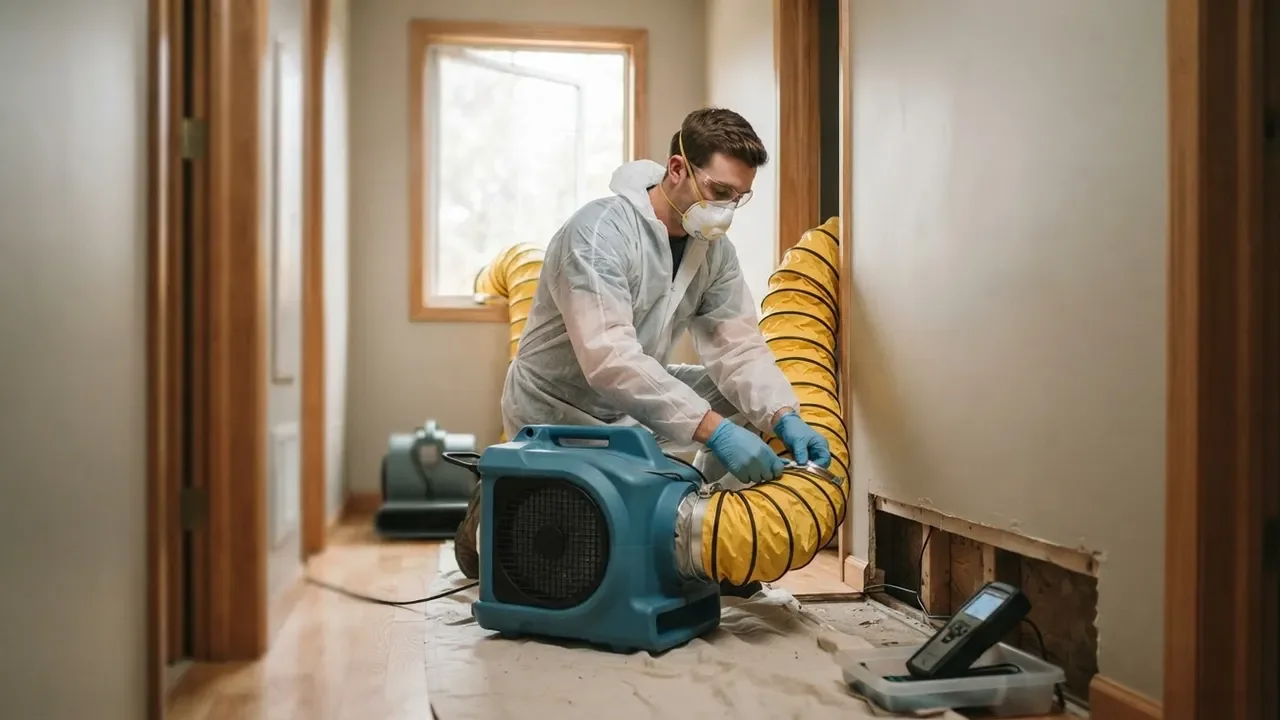
Water damage restoration in Haverhill: professional-grade portable air scrubber with its exhaust ducting running out a

Protect Your Floors and Home

A quick, measured response gives your floor the best chance of drying evenly and keeps a small leak from becoming a larger repair. We focus on the source, the wood, and what lies beneath it.

  • Limit Board Movement

    Water makes wood fibers swell, which can cause cupping, crowning, or gaps as boards dry unevenly. We map wet and dry areas, remove standing water, and manage airflow to reduce abrupt changes. With readings taken at defined locations, you can see whether the floor is stabilizing rather than relying on surface appearance alone.

  • Find Hidden Moisture

    A floor can look dry while moisture remains near the subfloor or behind a baseboard. We use a moisture meter and, where useful, a thermal imaging camera to direct inspection toward cooler or damp zones. That helps our crew avoid drying only the visible stain while the concealed material stays wet.

  • Keep Repairs Focused

    Not every affected room needs full floor replacement. We compare readings across the damaged area and unaffected hardwood flooring, then identify whether drying, selective board repair, or refinishing is appropriate. This measured approach helps you avoid removing sound material and gives you a clear view of the work needed.

  • Reduce Secondary Damage

    Wet flooring can transfer moisture into baseboards, drywall, carpet padding, and the subfloor. We check adjoining materials and remove or dry affected components as the conditions require. Addressing those connections promptly helps limit musty odors and mold growth while the hardwood floor dries.

Standards and Credentials

Industry Standards

  • IICRC Water Damage Restoration Technician — issued by Institute of Inspection, Cleaning and Restoration Certification
  • IICRC Applied Structural Drying — issued by Institute of Inspection, Cleaning and Restoration Certification
  • EPA Lead-Safe Certification — issued by United States Environmental Protection Agency

Floor-Specific Restoration Knowledge

Hardwood behaves differently from tile or carpet: the boards absorb water, expand across the grain, and release moisture at a pace shaped by finish, species, and installation. We assess the full floor assembly rather than treating a stain as a surface-only problem. Our technicians use documented readings and drying checks to guide decisions, and we follow relevant IICRC WRT practices for water restoration. We do not claim a business tenure or credential number that has not been established; instead, we explain the methods and findings directly so you can make an informed repair decision.

  • We compare moisture readings in damaged and unaffected boards to establish a practical dry reference for your floor.
  • We check subfloor edges, baseboards, and adjacent drywall where water can travel beyond the visible wet patch.
  • We distinguish active swelling from finish discoloration before recommending sanding, board replacement, or refinishing.
  • We document equipment placement and follow-up readings so you can track drying progress over several days.
  • We account for winter heating and indoor humidity, which can affect how hardwood releases trapped moisture.
Get Started Today
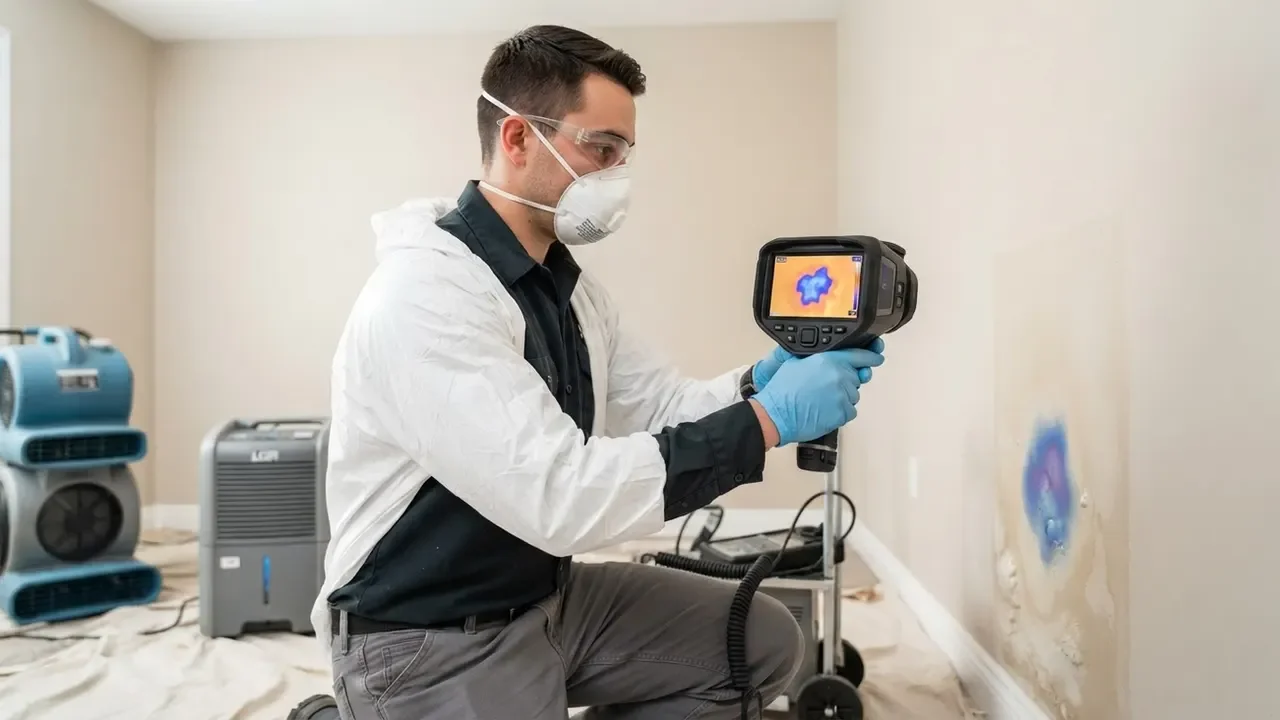
Water damage restoration in Haverhill: close-up of a thermal imaging camera screen displaying a color-coded heat map

Frequently Asked Questions

Real answers to the questions we hear most often from local homeowners and property managers.

How much does hardwood floor water damage restoration cost in Haverhill MA?
A small affected area may vary to extract and dry; broader damage with floor replacement can be higher. Typical pricing in Haverhill depends on the wet area, water category, subfloor access, equipment days, and finish repairs. We inspect and explain the work before proceeding. Your insurer may treat emergency mitigation and permanent flooring repairs as separate parts of a claim.
Can water damaged hardwood floors be saved in Haverhill?
Yes, some water-damaged hardwood floors can be saved if drying starts promptly and the boards remain structurally sound. We check moisture in the boards and subfloor, look for cupping or delamination, and monitor whether readings decline. Clean water from a short leak is a better candidate than prolonged contamination or sewage. If boards remain warped after drying, we identify sections for repair or replacement.
How long does wood floor water damage repair take in Haverhill Massachusetts?
Drying often takes 3 to 7 days, while repairs and refinishing can add several days to two weeks. The schedule depends on how far water traveled, the type of wood, subfloor construction, and indoor humidity. We check readings during the drying period and do not recommend finish work until the floor is stable. Your room may need to remain clear while equipment runs.
Does insurance cover hardwood floor restoration in Haverhill MA?
Home insurance may cover sudden, accidental water damage, but coverage depends on your policy, the water source, and exclusions. We document visible damage, moisture readings, and mitigation steps to help you discuss the loss with your adjuster. Gradual leaks and maintenance issues are often treated differently from a sudden burst pipe. Keep photos, receipts, and any claim reference together.

Related Services

Water Damage Restoration

Water damage restoration addresses the larger building impact when a leak reaches hardwood, walls, or ceilings. We trace the affected area, remove water, and coordinate drying so your floor is not treated in isolation from the rest of the home.

View Water Damage Restoration

Emergency Water Extraction

Standing water should be removed before it spreads between boards or into the subfloor. Our extraction service clears pooled water with floor-appropriate tools, then prepares the room for measured drying and follow-up inspection.

View Emergency Water Extraction

Flood Cleanup

Floodwater can affect hardwood, carpet padding, drywall, and stored belongings at once. We remove water and assess which materials can be cleaned or dried safely, with special attention to contamination and the floor assembly.

View Flood Cleanup

Basement Water Removal

Basement water can move from the perimeter into finished rooms and hardwood transitions. We remove standing water, check the slab and subfloor conditions, and address moisture that could otherwise continue affecting flooring after the visible water is gone.

View Basement Water Removal

Sewage Backup Cleanup

A sewage backup requires contamination controls before hardwood repairs begin. We isolate the affected area, remove contaminated materials as needed, and clean the building surfaces so the floor restoration plan does not trap unsanitary residue beneath boards.

View Sewage Backup Cleanup

Storm Damage Restoration

Wind-driven rain and roof leaks can wet hardwood below ceilings or exterior walls. We address the water intrusion, extract moisture, and inspect adjacent building materials before drying the floor and planning any finish repairs.

View Storm Damage Restoration

Start Hardwood Floor Restoration in Haverhill

Water under hardwood keeps moving until it is extracted and measured. Call our Haverhill team at (833) 546-4116 to discuss the leak and arrange an inspection. We follow IICRC WRT practices and will explain the immediate drying steps for your floor.

Call Now Call for Help

Contact Haverhill Restoration

Call (833) 546-4116 when water is entering your home or business, or when a damp room needs inspection. Our referral line is available 24 hours a day to connect you with independent companies serving Haverhill, MA, including areas near 01831 and 01835. Tell us what happened, where the water is, and whether it is still flowing.

Or call us right now at (833) 546-4116 — we answer.
Or email us at hello@haverhillwaterdamagema.com

Haverhill Water Damage Restoration


  • Address

    Haverhill, Massachusetts

  • Hours

    Mon–Fri: 7AM – 7PM
    Sat: 8AM – 4PM
    Sun: Emergency Only
    24/7 Emergency Available

Call (833) 546-4116 Get Quote
Call Quote