Haverhill Water Damage Restoration
Call (833) 546-4116

Black Mold Removal Haverhill MA for Safer Rooms

We remove mold and track down the moisture feeding it


Black mold removal Haverhill MA helps homeowners and property managers address visible mold, persistent musty odors, and damp building materials after a leak or flood. Our team isolates affected areas, removes unsalvageable material, and dries the structure so growth is less likely to return. For toxic black mold remediation Haverhill MA, call (833) 546-4116 when a basement, bathroom, or ceiling shows signs of moisture damage.

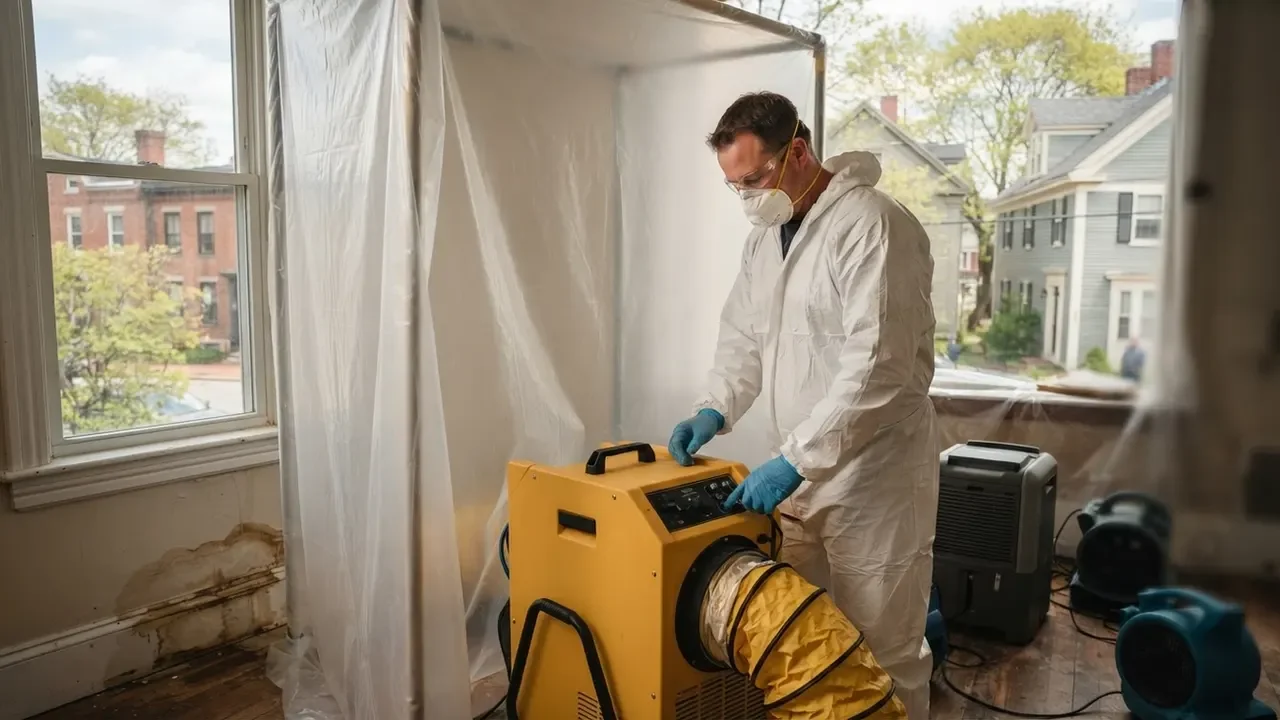
Black Mold Removal in Haverhill: restoration technician in full PPE operating a HEPA air scrubber in a containment zone to
24/7 Emergency Same-Day Response
Warranty Backed Workmanship Guaranteed in Haverhill

What Black Mold Removal Includes

Black mold removal includes inspection of visible growth and nearby moisture, protection of the work area, removal of contaminated porous materials, cleaning of suitable surfaces, and drying checks. We explain whether optional mold testing or reconstruction is appropriate for your situation. The work plan is based on what is present in the building, not a preset treatment applied to every surface.

Moisture and Source Inspection

We inspect visible mold, staining, and nearby materials, then check moisture around the affected area. The assessment looks for likely causes such as plumbing leaks or roof entry. We explain what needs to be opened or monitored before removal starts, so you understand the route from visible damage to its source.

Work Area Containment

We define the affected zone and install barriers to separate it from clean rooms. Floors and access routes are protected, and debris is bagged before it leaves containment. This is particularly important in occupied Haverhill homes where family members need to keep using unaffected spaces during the work.

Material Removal and Cleaning

Porous materials with established growth may need removal, while compatible hard surfaces can often be cleaned. We use HEPA vacuuming to collect settled dust and apply antimicrobial spray only where appropriate. The choice depends on material condition; spraying alone does not remove mold embedded in damaged drywall or insulation.

Structural Drying Checks

After removal and source control, we dry affected framing, flooring, or masonry with suitable equipment. Repeat moisture readings show whether materials are progressing toward dry conditions. We explain when the area is ready for repair and identify any remaining work needed before the wall or floor is closed.

Job Documentation

We record the affected areas, materials removed, moisture findings, and work completed. Photographs and job notes give you a useful record for planning repairs and discussing the loss with your insurer. If sampling is required to answer a specific question, we explain how it fits into the remediation plan.

Black Mold Removal Haverhill MA: What It Involves


Black mold removal Haverhill MA is a building remediation service that contains and removes mold-affected materials while correcting the moisture conditions that support growth. We inspect the visible area and adjacent cavities, use moisture readings to guide the work, and protect unaffected rooms with containment. Depending on the material, we clean and dry salvageable surfaces or remove affected drywall, insulation, carpet padding, or baseboard. HEPA vacuuming and appropriate antimicrobial treatment help control settled dust; they do not replace removing damaged porous material. The goal is a dry, clean, documented work area.

Haverhill's cold winters, wet spring weather, and older basements can leave hidden moisture behind after a frozen pipe, roof leak, or basement flooding. Water trapped under flooring or inside a wall can feed mold growth after the surface appears dry. Our Haverhill black mold removal services start by locating the source, then matching removal and drying steps to the materials affected. If you're searching for black mold removal after water damage Haverhill MA, we'll check the leak path and moisture in nearby rooms instead of treating only the visible stain.

How the Work Moves Forward

Black mold removal Haverhill MA follows a controlled sequence: identify moisture, protect clean areas, remove or clean affected materials, and verify drying. We explain each stage before work starts and keep you informed about access, noise, and the rooms affected. Smaller contained projects may take one to two days; larger losses require more drying and repair time.

01

Schedule

Call or book online — a real human picks up and confirms a 2-hour arrival window.

02

Diagnose

A tech inspects on-site, then walks you through the cause and your options.

03

Fix

The job is completed to code and done right the first time — no shortcuts, no surprises.

04

Guarantee

Every job backed by a written workmanship warranty — and we stand behind it.

Tools and Remediation Methods

Tools & Equipment

Moisture meter

We take repeat readings in drywall, framing, and flooring to map wet materials and track drying progress. Readings help distinguish a dry surface from moisture retained deeper in an assembly.

Thermal imaging camera

We use thermal patterns to guide inspection toward areas that may be cooler from evaporation or dampness. Imaging helps target checks but does not independently confirm mold or replace direct moisture measurements.

HEPA vacuum

A HEPA vacuum captures fine dust during controlled cleanup and detailed surface cleaning. We use it within the work plan to reduce settled debris after affected materials are removed.

Dehumidifier and air mover

We position drying equipment to reduce humidity and move air across exposed materials. Equipment placement depends on room size, material type, and moisture readings rather than a one-size setup.

Phoenix Restoration Equipment

Phoenix Restoration Equipment includes professional drying units used for water-damage work. We select equipment capacity to suit the affected area and monitor conditions while materials dry.

Methods & Standards

ANSI/IICRC S520-informed remediation

We apply mold-remediation principles that emphasize assessment, containment, removal of affected materials, and cleaning. The approach is adapted to the size of the loss and the surfaces involved. It avoids treating a spray application as a substitute for removing porous material with established growth.

ANSI/IICRC S500-informed drying

Water-damage drying begins with source control and assessment of wet materials. We use measured conditions to guide extraction, airflow, and dehumidification, then check progress. The objective is to dry affected building materials before repairs close cavities or renewed moisture supports mold growth.

Controlled material removal

We establish a work boundary, protect clean spaces, and remove affected porous materials with dust control. Debris is secured before it leaves the work zone, and compatible surfaces are cleaned after removal. This method is tailored to each room, whether the affected material is drywall, insulation, or carpet padding.

Moisture verification

We compare initial and follow-up readings in affected areas and nearby reference materials. A dry-looking surface is not enough when framing or subfloor remains damp. The recorded results guide closeout and help determine when reconstruction can proceed without trapping moisture behind new finishes.

When Mold Removal Is Needed

01

A Riverside Homeowner Finds Dark Spotting Behind Basement Storage After a Wet Winter and a Musty Odor.

What we do: We move or protect nearby contents, isolate the affected wall, and check moisture at the baseboard and lower drywall. The crew identifies whether seepage or a plumbing leak is feeding the growth, removes damaged porous materials, and dries the exposed structure before repairs.

→ The source and affected materials are addressed together, reducing odor and leaving the basement ready for appropriate reconstruction.

02

A Frozen Pipe in a Bradford Home Opens Overnight, Wetting a Bathroom Wall and Hallway Flooring.

What we do: We assess the water path from the plumbing wall into adjoining materials, contain any mold-affected area, and remove drywall or insulation that cannot be salvaged. Extraction and structural drying follow source control, with readings taken in both the bathroom and hallway.

→ You get a defined cleanup sequence for the wet rooms and a documented check before new wall finishes conceal the cavity.

03

A Roof Leak Near Downtown Haverhill Leaves a Ceiling Stain That Grows After Repeated Rain.

What we do: We trace moisture above the stain, inspect insulation and framing, and separate mold remediation from the roof repair steps. Affected materials are removed under containment, while salvageable framing is cleaned and dried. We also check nearby ceiling areas for moisture that has moved sideways.

→ The damaged ceiling is opened and assessed rather than painted over, with the wet cavity addressed before replacement.

04

A Haverhill Property Manager Finds Recurring Mold Around a Vacant Unit's Kitchen Sink Cabinet.

What we do: We inspect the cabinet, plumbing connections, adjacent wall, and flooring edge for a slow leak. Our team removes contaminated porous material, cleans compatible surfaces, and dries the space. We document the work area so the manager can coordinate the plumbing fix and cabinet replacement.

→ The unit receives a practical remediation plan that tackles the hidden leak path and makes the affected kitchen area ready for repair.
How Black Mold Removal Works in Haverhill

Haverhill's winter freeze-thaw cycles can stress plumbing, while spring rain and summer storms expose roof and foundation weaknesses. Older homes may have plaster, layered flooring, or basement masonry that holds moisture differently from newer assemblies. We account for those conditions by checking beyond the first stain and choosing removal methods suited to each material. Toxic black mold remediation Haverhill MA starts with the water source, containment, and measured assessment; it does not rely on color to identify a mold species. In neighborhoods along the Merrimack River and lower-lying areas, basement moisture deserves careful attention after heavy rain. If you need same day black mold remediation Haverhill Massachusetts, call with details about active leaks, the rooms affected, and whether anyone is still using the space. Our technicians plan the work around access, contents, and safe separation of clean areas. We serve Essex County, including ZIP codes 01832, 01830, 01835, and 01831. We follow applicable building and remediation requirements and coordinate necessary repair work without claiming a local code exemption.

Neighborhoods We Serve

  • Riverside

    Properties near the river corridor can face damp basements after prolonged rain. We check lower wall sections, floor edges, and stored contents rather than limiting the inspection to visible spots.

  • Bradford

    A mix of home ages and renovations means wall cavities and flooring assemblies can vary from room to room. We identify the material type before choosing removal or cleaning methods.

  • Downtown Haverhill

    Apartments and attached buildings can share walls and service routes. We plan containment and access carefully so remediation stays focused on the affected unit and adjoining areas are checked where needed.

  • Ward Hill

    Roof and exterior water entry can affect upper rooms as well as basements. We trace the moisture path from the visible stain to nearby ceiling or wall materials.

Local Conditions We Plan For

  • Frozen plumbing during prolonged winter cold

    A pipe can leak inside a wall before water appears in the room. We inspect along the plumbing route and check adjacent materials, since the visible wet area may be smaller than the concealed damage.

  • Heavy rain and recurring basement dampness

    Repeated moisture can keep masonry, baseboards, and stored materials damp. We distinguish a single water event from ongoing entry and include source correction in the remediation sequence.

  • Older finish layers hiding prior repairs

    Paint, paneling, and replacement flooring can conceal earlier staining or wet materials. We use targeted checks and moisture readings to decide where inspection openings are needed before closing the work.

Basement Wall After Seepage

Before

A Riverside basement had dark growth along the lower drywall and a musty odor after repeated rain. The painted wall looked intact above the baseboard, but readings showed damp material behind the finish. Boxes stored against the wall had also absorbed the smell, and the homeowner could not tell whether the water was still entering.

After

We contained the wall section, removed affected drywall and insulation, and checked the exposed framing before drying. The wet area measured about 40 square feet, and equipment ran for roughly 48 hours while readings were tracked. After the moisture source was addressed, the wall was ready for repair and the musty odor had cleared.

Maintenance: Keep stored items several inches away from basement walls and check for new staining after heavy rain. Repair water entry promptly, and do not reinstall finishes until the framing and masonry meet the drying plan.

Before

A Bradford homeowner found a dark patch beside a bathroom vanity weeks after a small plumbing leak. The surface had been wiped, but the cabinet base remained swollen and the wall smelled damp. Moisture extended into the lower wall, making surface cleaning alone an incomplete fix.

After

We isolated the work area, removed the affected drywall and cabinet-side material, and cleaned the exposed framing. The team set a dehumidifier and air mover for about 36 hours, then rechecked readings before closing the cavity. The plumbing leak was corrected, and replacement materials could be planned on a dry assembly.

Maintenance: Check under sinks monthly for drips, swelling, or discoloration. After any leak, remove standing water quickly and inspect the cabinet base and adjoining wall rather than waiting for a stain to appear.

Before

A Downtown Haverhill ceiling showed a spreading brown stain after several rain events. The homeowner noticed a musty smell but could not see the insulation above the finished ceiling. Moisture readings indicated that the damage extended beyond the visible mark toward a ceiling corner.

After

We opened the affected section under containment, removed damp insulation and damaged board, and checked the framing for visible growth. The exposed cavity dried over approximately 72 hours, with readings recorded during the process. Once the roof entry was repaired and the framing was dry, the ceiling was ready for reconstruction.

Maintenance: Inspect attic and ceiling areas after wind-driven rain, especially around roof penetrations. If a stain returns or expands, trace the leak before repainting; new paint does not dry a wet cavity.

Problems Solved After Water Damage

Black mold removal after water damage Haverhill MA addresses more than a dark patch on a wall. We look for damp materials, hidden growth, and the source that allowed moisture to remain. Each solution is tied to the building condition, so you know whether the next step is removal, drying, plumbing repair, or reconstruction.

Problem

Dark Growth Returning Around a Basement Wall After Heavy Rain

Repeated dampness can damage stored belongings, keep basement materials wet, and produce musty odors that spread into living areas.

Our Fix

We inspect the wall and floor edges, trace likely water entry, and measure moisture in affected materials. Our team removes porous material that cannot be cleaned, dries the remaining structure, and explains whether drainage or leak repairs are needed to prevent another wetting cycle.

Problem

A Musty Smell and Ceiling Stain After a Slow Roof Leak

Water can travel along framing and saturate insulation beyond the visible stain, leaving concealed damp material above a finished ceiling.

Our Fix

We follow the stain toward the likely roof entry, assess the ceiling cavity, and remove damaged drywall or insulation where necessary. After the leak is addressed, we dry and clean suitable surfaces before the cavity is repaired, rather than covering the stain with paint.

Problem

Mold Growth Behind Drywall After a Burst or Frozen Pipe

A concealed leak can keep framing wet for days, allowing growth to develop while the room looks mostly normal from the outside.

Our Fix

We map moisture around the plumbing route, open only the areas needed to inspect affected materials, and contain removal. We dry exposed framing and check adjacent areas before closeout. If the pipe is still leaking, we coordinate the cleanup sequence around stopping the water first.

Problem

Wet Carpet Padding and Dark Marks After Basement Flooding

Padding can retain water against the subfloor, creating persistent odor and a concealed place for mold to develop even after the carpet surface dries.

Our Fix

We extract remaining water, inspect carpet and padding for salvageability, and check the subfloor for retained moisture. Unsalvageable padding is removed and the assembly is dried before flooring is restored. That makes the cleanup more complete than treating the visible carpet alone.

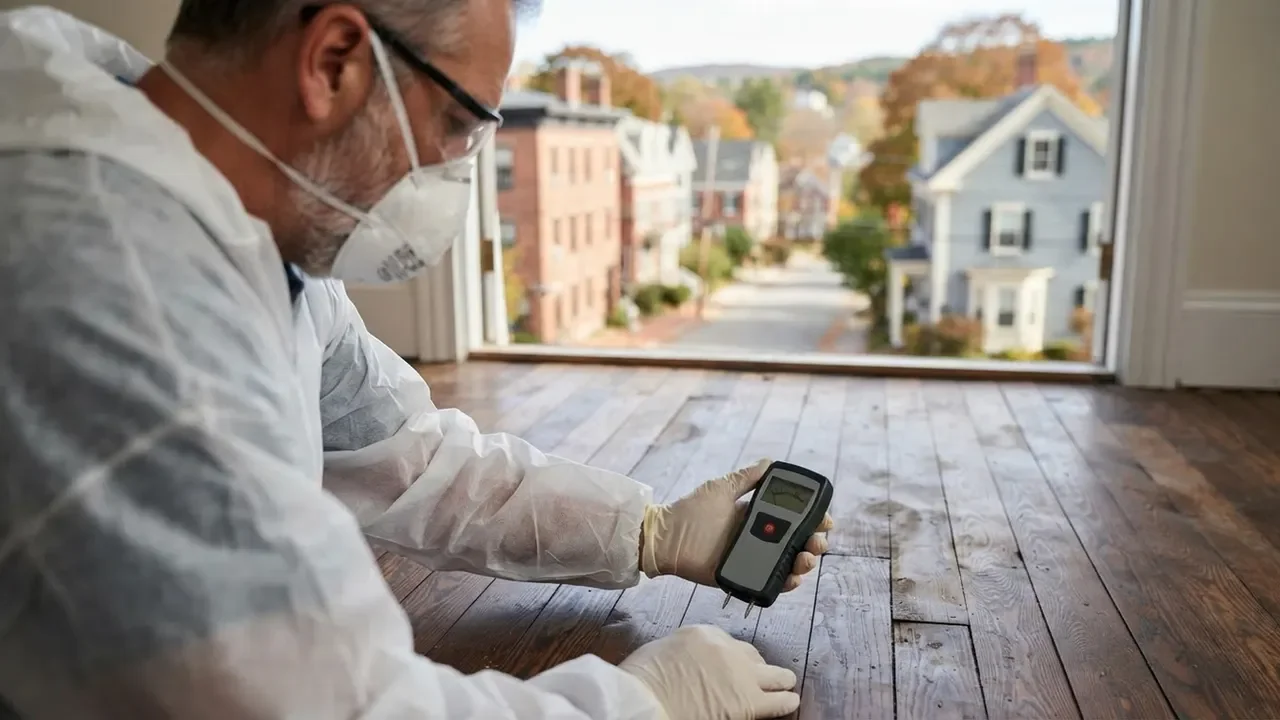
Water damage restoration in Haverhill: close-up of a restoration technician checking moisture levels on a hardwood floor

Cleaner Materials, Drier Rooms

Mold work succeeds when removal and moisture control happen together. We focus on practical outcomes you can verify: affected materials are addressed, the source of dampness is identified, and drying progress is checked rather than guessed. Your plan is based on the size and location of the damage.

  • Containment During Removal

    We isolate the work area with plastic barriers and controlled access to limit dust movement into occupied rooms. Affected material is bagged before it crosses the containment boundary, and a HEPA vacuum captures fine debris during cleanup. This approach is especially useful in a lived-in home where a basement or bedroom needs work without spreading disruption through the whole property.

  • Moisture Source Identified

    Visible mold is a symptom, not the water source. We trace dampness to likely causes such as a roof leak, slab leak, plumbing failure, or poor drainage, then record readings in affected and comparison areas. A moisture meter helps distinguish a dry surface from a wet wall cavity, so your repair plan addresses the condition feeding growth.

  • Materials Treated Correctly

    Porous drywall and insulation with established growth often need removal, while sound tile or metal may be cleaned in place. We assess each surface instead of applying one treatment everywhere. This protects reusable finishes where practical and avoids sealing over contamination that should be removed from the building.

  • Drying Verified Before Closeout

    We use measured moisture readings to track drying, with dehumidification and air movement selected for the room and materials. You receive a clear explanation of what was removed, what remains, and whether follow-up repairs are needed. The result is a documented handoff rather than a fresh coat of paint over a damp surface.

Standards and Work Records

Industry Standards

  • IICRC Water Damage Restoration Technician — issued by Institute of Inspection, Cleaning and Restoration Certification
  • IICRC Applied Structural Drying — issued by Institute of Inspection, Cleaning and Restoration Certification
  • IICRC Applied Microbial Remediation Technician — issued by Institute of Inspection, Cleaning and Restoration Certification
  • ANSI/IICRC S520 Mold Remediation Standard — issued by Institute of Inspection, Cleaning and Restoration Certification

Practical Mold Remediation Expertise

Black mold removal Haverhill MA calls for careful containment, material judgment, and a reliable moisture-control plan. Our local team applies water-damage restoration methods to homes and commercial spaces, from a small bathroom wall to a flooded basement. We follow applicable IICRC guidance, including ANSI/IICRC S520 for mold remediation and ANSI/IICRC S500 for water damage restoration. We do not claim a job count or years in business; instead, we explain the work, use measured conditions to guide decisions, and document what changed from inspection through drying.

  • We plan containment before demolition, protecting clean rooms and controlling the route used to remove bagged materials.
  • Our crew uses moisture readings to identify hidden dampness behind baseboards, beneath flooring, and around plumbing penetrations.
  • We distinguish cleanable nonporous surfaces from porous materials that need removal when contamination has penetrated them.
  • We use applicable IICRC WRT and IICRC AMRT practices to guide water-loss and mold-remediation work.
  • We document source, affected materials, and drying progress so you can follow the repair sequence and discuss records with your insurer.
Get Started Today
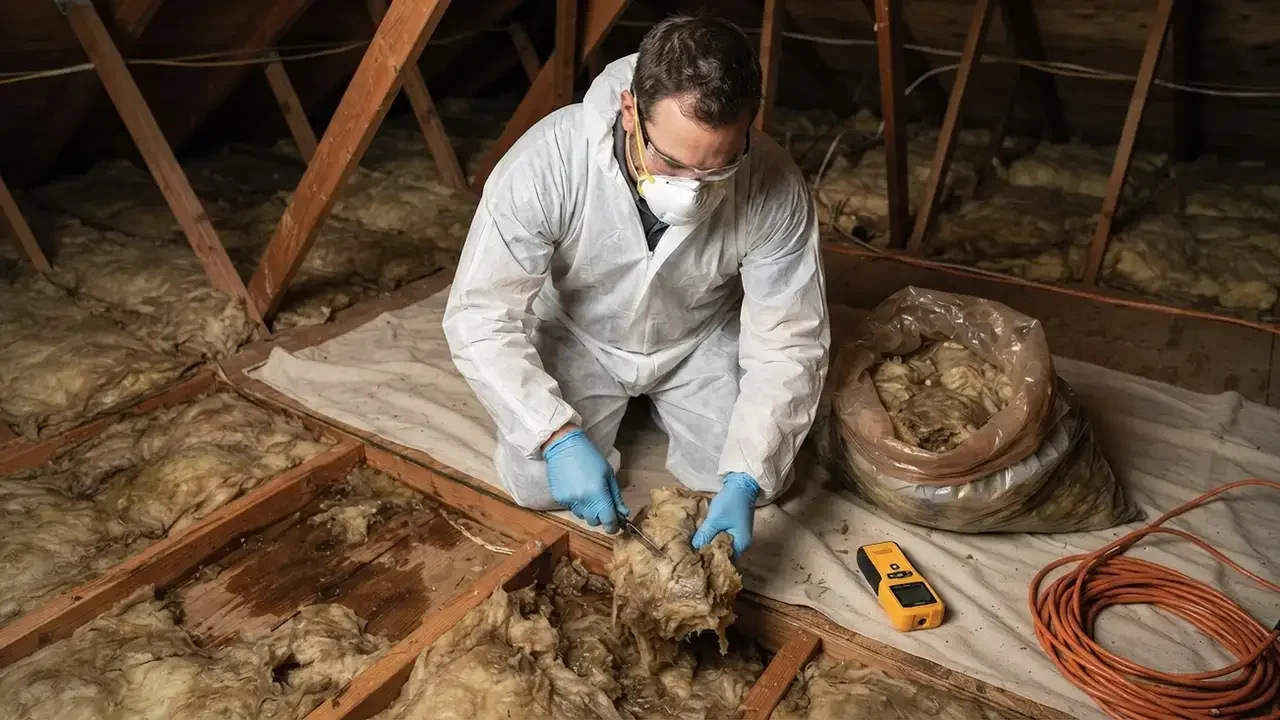
Water damage restoration in Haverhill: restoration technician carefully removing water-saturated insulation from an attic

Black Mold Removal Questions

Real answers to the questions we hear most often from local homeowners and property managers.

How much does black mold removal cost in Haverhill MA?
Small, contained projects often vary while larger multi-room remediation can vary. Typical pricing in Haverhill depends on affected square footage, material removal, access, containment, testing, and drying time. We assess the visible damage and moisture source before setting upfront pricing. Reconstruction and significant leak repairs can add separate costs when the affected drywall, flooring, or framing needs replacement.
Is toxic black mold dangerous in Haverhill?
Indoor mold can aggravate allergies or respiratory symptoms, and people with asthma or weakened immune systems should avoid disturbing it. Color alone cannot identify a species or determine toxicity; mold needs appropriate sampling for that. Keep children and pets away from the affected room, avoid dry brushing or bleaching porous materials, and address active water promptly. Our toxic black mold remediation Haverhill MA service focuses on containment, safe material removal, and moisture correction.
How do you remove black mold after water damage in Haverhill Massachusetts?
We inspect the water source, contain the affected space, remove unsalvageable porous material, clean compatible surfaces, and dry the structure. The sequence usually takes one to three days for a limited area, with longer schedules for hidden moisture or multiple rooms. For black mold removal after water damage Haverhill MA, we check wall cavities, flooring edges, and adjacent rooms because water can travel beyond the original stain.
Does insurance cover black mold remediation in Haverhill MA?
Coverage depends on your policy, the cause of the moisture, exclusions, and how promptly the loss was reported. Mold tied to a sudden covered pipe leak may be treated differently from long-term seepage or deferred maintenance. We document visible damage, moisture findings, and work performed so you have useful records for your insurer. Your insurance company makes the coverage decision, and we can coordinate job documentation for your claim.

Related Restoration Services

Water Damage Restoration

Water damage restoration addresses the leak or flood that often starts mold growth. We remove standing water, assess affected materials, and dry the structure before mold remediation proceeds. For Haverhill properties, coordinating both services helps prevent a cleaned room from being exposed to the same unresolved moisture.

View Water Damage Restoration

Emergency Water Extraction

Standing water quickly saturates carpet, padding, and lower wall sections. Emergency extraction removes water before it spreads farther into subfloor and framing. If a pipe breaks in your Haverhill home, prompt extraction reduces the wet materials that can later require black mold removal.

View Emergency Water Extraction

Flood Cleanup

Flood cleanup removes water, debris, and damaged contents after a basement or ground-floor loss. We separate salvageable materials from those that need disposal, then begin drying. A thorough cleanup in Haverhill helps limit lingering moisture that can create musty odors and mold growth.

View Flood Cleanup

Basement Water Removal

Basements are vulnerable to seepage, sump issues, and storm-related flooding. We remove water and check walls, stored items, and floor edges for retained moisture. When mold is already visible, basement water removal and remediation can be sequenced to address both the immediate water and affected materials.

View Basement Water Removal

Sewage Backup Cleanup

A sewage backup contaminates surfaces and porous materials, so cleanup requires controlled handling as well as water removal. We assess affected flooring and lower walls, remove unsalvageable items, and clean suitable surfaces. Drying and follow-up mold remediation help restore a Haverhill property after the sanitation work.

View Sewage Backup Cleanup

Storm Damage Restoration

Wind-driven rain and roof damage can wet ceilings, insulation, and wall cavities. Storm damage restoration secures openings, removes water, and dries affected areas before trapped moisture feeds mold. We can coordinate remediation when a Haverhill storm loss leaves visible growth or persistent damp odors.

View Storm Damage Restoration

Call for Black Mold Removal Haverhill MA

If mold is spreading or a leak has left walls damp, call our Haverhill team at (833) 546-4116. We will ask about the affected rooms, water source, and urgency, then help you take the next step. Our technicians follow applicable IICRC remediation practices.

Call Now Call for Service

Contact Haverhill Restoration

Call (833) 546-4116 when water is entering your home or business, or when a damp room needs inspection. Our referral line is available 24 hours a day to connect you with independent companies serving Haverhill, MA, including areas near 01831 and 01835. Tell us what happened, where the water is, and whether it is still flowing.

Or call us right now at (833) 546-4116 — we answer.
Or email us at hello@haverhillwaterdamagema.com

Haverhill Water Damage Restoration


  • Address

    Haverhill, Massachusetts

  • Hours

    Mon–Fri: 7AM – 7PM
    Sat: 8AM – 4PM
    Sun: Emergency Only
    24/7 Emergency Available

Call (833) 546-4116 Get Quote
Call Quote