Haverhill Water Damage Restoration
Call (833) 546-4116

Crawl Space Water Removal Haverhill MA

Get standing water out and protect the structure below your home.


Our crawl space water removal Haverhill MA service is for homeowners facing pooled water, damp insulation, musty odors, or a leak beneath the house. We extract water, identify wet materials, and set drying equipment to bring moisture down under measured conditions. If water is collecting after a storm, pipe failure, or spring thaw, call Haverhill Water Damage Restoration at (833) 546-4116 for help with the next steps.

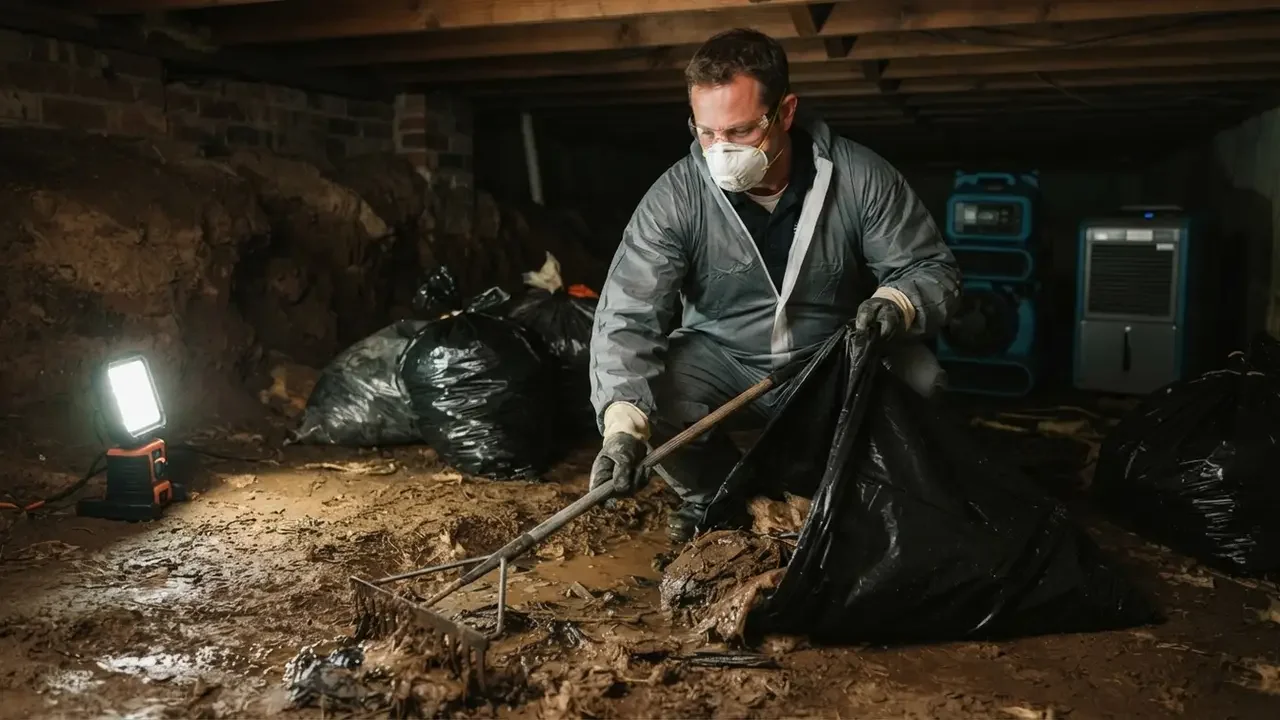
Crawl Space Water Removal and Drying in Haverhill: restoration technician raking away wet debris and mud from the dirt floor
24/7 Emergency Same-Day Response
Warranty Backed Workmanship Guaranteed in Haverhill

What Crawl Space Service Includes

Our core service covers inspection of accessible areas, removal of standing water, moisture checks, and drying equipment when needed. We explain what is wet and what the readings show. Plumbing repairs, major drainage correction, extensive insulation replacement, and mold remediation require separate work based on the findings; we identify those needs rather than treating them as automatic parts of extraction.

Initial Condition Check

We inspect access, water depth, visible damage, and likely entry points before work begins. Moisture readings help establish which framing or subfloor areas are affected. We also note hazards, wet debris, and whether water quality changes the handling plan.

Standing Water Extraction

We remove pooled water with an extraction wand or pump suited to the depth and space. The crew checks low points and accessible corners, then manages collected water so it does not flow back into the crawl space or toward the foundation.

Drying Equipment Setup

When materials remain damp, we position air movers and a dehumidifier to support controlled drying. Placement accounts for the crawl-space layout and the wet surfaces. We explain equipment operation and return to check progress using recorded moisture readings.

Material and Source Review

We identify visibly saturated insulation, debris, and affected structural materials, and discuss appropriate next steps. We also explain whether a plumbing leak, runoff, or drainage issue appears to be feeding the water. Repairs beyond extraction and drying are identified for coordination.

Crawl Space Water Removal Haverhill MA Explained


crawl space water removal Haverhill MA is a water mitigation service that extracts standing water and dries damp structural materials after leaks, flooding, or persistent ground moisture. We start by checking access, water depth, visible contamination, and moisture in framing and subfloor. An extraction wand or pump removes recoverable water; then air movement and dehumidification help dry the remaining materials. We document readings as work progresses, rather than relying on touch or surface appearance. That distinction matters: a dry-looking joist can still hold moisture that supports mold growth or damages the floor above.

In Haverhill, winter freeze-thaw cycles, heavy rain, roof runoff, and aging plumbing can send water into low crawl spaces. Homes around Ward Hill and Bradford may have different access and drainage conditions, so we inspect the specific structure before choosing equipment. Our crawl space drying Haverhill MA work addresses the water source and the wet materials together. For a low point that refills after rain, crawl space water removal near me Haverhill MA should include checking the discharge route and drainage conditions, not just pumping once.

What to Expect During Service

Crawl space water removal in Haverhill follows a clear sequence: inspect, extract, dry, and verify. We explain each step before equipment goes in, keep access paths practical, and tell you what we find beneath the house. A straightforward extraction may take a few hours; drying often continues over several days.

01

Schedule

Call or book online — a real human picks up and confirms a 2-hour arrival window.

02

Diagnose

A tech inspects on-site, then walks you through the cause and your options.

03

Fix

The job is completed to code and done right the first time — no shortcuts, no surprises.

04

Guarantee

Every job backed by a written workmanship warranty — and we stand behind it.

Tools and Drying Methods

Tools & Equipment

Moisture meter

We use it to check moisture in accessible wood and building materials, establish a starting reading, and compare results during follow-up. This helps confirm progress beyond what a surface feels like.

Extraction wand

The wand reaches pooled water in low or tight areas where a larger machine cannot fit. We select the setup based on access and water depth, then check for remaining water in reachable corners.

Dehumidifier

A dehumidifier removes moisture from the crawl-space air while wet materials release moisture during drying. We position it to suit the space and monitor the conditions rather than assuming one placement works for every layout.

Air mover

Air movers increase circulation across wet surfaces such as joists and subfloor. We aim airflow through the affected zone and adjust placement when readings or access conditions show that a material is not drying as expected.

Thermal imaging camera

A thermal imaging camera helps identify temperature patterns that may point to concealed moisture. We use it as an inspection aid, then confirm concerns with direct moisture checks rather than treating an image alone as proof.

Methods & Standards

ANSI/IICRC S500-informed restoration

We use the water damage restoration principles in ANSI/IICRC S500 to guide inspection, water removal, drying, and documentation. The site condition still determines the actual work: water source, contamination, material type, and access all matter. We explain how those observations shape the plan for your crawl space.

Source, extraction, drying sequence

We identify and address the water source where possible, extract standing water, then dry affected materials. This order matters because equipment cannot solve ongoing entry. We inspect for plumbing leaks and visible runoff paths before using readings to guide drying and determine what needs follow-up.

Moisture monitoring

We record readings at affected materials and repeat checks during the drying period. Comparing measurements helps show whether the space is improving and whether equipment needs adjustment. We use this information to explain progress and decide when drying equipment can be removed.

When to Call Our Crawl-Space Team

01

A Frozen Pipe Breaks Overnight and Water Starts Dripping Into the Crawl Space Below Your Haverhill Home.

What we do: Stop the water supply if it is safe to do so, then call us. We check whether water is still entering, extract pooled water, and inspect the framing and subfloor for spread. We also explain what plumbing repair is needed before drying equipment is left running.

→ The leak source is identified for repair, standing water is removed, and affected materials have a documented drying plan rather than being left to air out on their own.

02

After a November Rainstorm, You Find a Puddle Near the Foundation and a Damp, Earthy Odor Indoors.

What we do: We inspect the crawl-space entry points and low areas, remove pooled water, and check moisture in the adjacent framing. We look for visible runoff paths and explain whether the odor appears connected to damp materials or debris. If water returns, we note the conditions that need drainage attention.

→ You know where water collected, which materials are damp, and whether follow-up drainage or cleaning work is needed to reduce repeat moisture.

03

A Sump Pump Stops During a Spring Thaw, Leaving Water and Wet Insulation Beneath the Floor.

What we do: We assess water depth and electrical safety, extract the standing water, and inspect insulation and joists for saturation. We then place drying equipment where it can circulate air through the affected area and check moisture readings during follow-up. We can also point out concerns with the failed pump system.

→ The space is cleared of pooled water, wet materials are identified, and drying progress is tracked while the pump or drainage issue is addressed.

04

A Persistent Musty Smell Appears in a Bradford Home Although No Leak Is Visible in the Rooms.

What we do: We inspect the crawl space for damp soil, wet debris, plumbing drips, or moisture in the subfloor. A moisture meter helps us focus on affected materials. If we find standing water, we remove it and set a drying plan; if we find growth, we discuss an appropriate assessment.

→ You get a source-focused explanation and a practical sequence for water removal, drying, and any necessary mold or plumbing follow-up.
Crawl Space Drying Across Haverhill Homes

Haverhill's cold winters and freeze-thaw swings can turn a small plumbing leak into a crawl-space water problem, while fall and spring storms bring runoff toward low foundation areas. Older homes may have limited access, uneven soil, or insulation close to the subfloor; each changes how we reach wet materials and place equipment. Our crawl space water removal and drying in Haverhill, Massachusetts begins with the actual building conditions, not a standard equipment layout. We check for active pipe leaks, standing water, damp framing, and moisture moving toward finished rooms. In Ward Hill, Bradford, and Riverside, site access and drainage vary from property to property, so we record what we observe before recommending the next step. We follow applicable safety requirements and use ANSI/IICRC S500-informed practices for water mitigation. If you need same day crawl space water extraction Haverhill Massachusetts, tell us whether the water is rising, whether the source is known, and how the space can be accessed. That information helps us prepare for the conditions under your home.

Neighborhoods We Serve

  • Bradford

    We account for varied access and older floor assemblies when checking beneath homes in Bradford, including moisture at joists and the subfloor that may not show indoors.

  • Ward Hill

    For Ward Hill properties, we inspect low areas and visible runoff routes after storms, then plan extraction around the crawl-space entrance and available equipment clearance.

  • Riverside

    Homes near Riverside can face site-specific water and drainage conditions. We assess the actual entry point and water depth rather than assuming every damp crawl space has the same cause.

  • Downtown Haverhill

    Tighter access and older structural layouts can affect equipment placement. We check the hatch, clearances, and affected framing before choosing a drying arrangement.

Local Conditions We Plan For

  • Winter freeze-thaw weather strains pipes and changes ground moisture.

    A frozen line can release water below the floor, while thawing conditions can add moisture near low foundation areas. We check for an active plumbing source and remove water before selecting a drying setup for the season and space.

  • Heavy rain can direct runoff toward low crawl-space openings.

    A recurring puddle after storms points to more than a one-time extraction need. We remove the water, note visible runoff routes, and explain when drainage or exterior correction should follow so the same corner does not keep getting wet.

  • Restricted access limits equipment movement beneath older homes.

    A narrow hatch or low clearance can slow extraction and affect airflow. We assess access first, choose equipment that can reach the wet area, and plan air movement around structural obstructions rather than placing machines where they cannot reach materials.

Pipe Leak Beneath the Subfloor

Before

A small plumbing leak left several inches of water in one low section beneath the home. The joists felt damp, insulation sagged, and a musty smell reached the hallway. No ceiling stain showed the full extent of the problem, so the homeowner could not tell whether the water had stopped or how far it had traveled.

After

We removed the pooled water, checked affected joists and subfloor, and set a dehumidifier with air movers. Over four days, follow-up readings showed the wet framing trending down toward the surrounding dry materials. The leak source was identified for repair, and the homeowner received a clear record of the affected area and drying progress.

Maintenance: Have the repaired plumbing connection checked for leaks and look for new dampness after heavy use. Keep the crawl-space access clear, and call if a musty odor or fresh puddle returns rather than waiting for a floor stain.

Before

After repeated rain, water collected near the foundation side of a crawl space in Ward Hill. The puddle returned after being removed with a household pump, and the nearby insulation stayed damp. The owner needed to know whether the issue was an isolated storm event or a continuing runoff path.

After

Our team extracted the standing water and inspected the accessible low area, insulation, and framing. Drying equipment ran for three days while moisture readings were checked. We documented the visible runoff direction and explained which exterior drainage concern needed attention to reduce the chance of another pool after the next storm.

Maintenance: Keep gutters and visible discharge routes clear, and watch the same low corner after substantial rain. If water returns, note how quickly it appears and call for another inspection before damp materials remain wet for days.

Before

A Riverside homeowner noticed a persistent earthy smell but saw no water in the living area. Inspection found damp debris and moisture near the crawl-space access, with no obvious source from above. The odor kept returning because the hidden materials below the floor had not been checked or dried.

After

We removed the damp debris and any accessible standing water, then checked nearby framing and subfloor with a moisture meter. A dehumidifier and air movement were used for five days, with readings reviewed during follow-up. The odor eased as the space dried, and the homeowner understood which moisture conditions to monitor.

Maintenance: Check the crawl-space entrance and plumbing lines during routine home maintenance, especially after a storm or freeze. A returning odor is a useful early warning; arrange an inspection before visible floor damage develops.

Problems Solved With Crawl Space Drying

Water hidden below a Haverhill home can damage materials before the floor above shows a stain. We address standing water, damp framing, and moisture-related odors with inspection and measured drying. For crawl space water removal and drying in Ward Hill Haverhill, we also check how water enters and whether the same low area is likely to refill.

Problem

Pooled Water Remains Beneath the Home After a Burst Pipe.

Standing water keeps nearby wood and insulation wet, and the moisture can move into the subfloor. Delayed extraction also makes it harder to determine the original leak path.

Our Fix

We inspect the affected area, identify whether the pipe is still leaking, and remove pooled water with suitable extraction equipment. Then we check framing and insulation for moisture and set drying equipment when needed. You get a clear account of what was wet and which repair must stop the source.

Problem

Musty Odors Rise Through Floors Despite No Visible Room Leak.

Odor can point to damp debris, wet insulation, or concealed moisture below the living area. Covering the smell leaves the cause in place and may allow materials to remain damp.

Our Fix

We inspect accessible crawl-space areas and measure affected materials rather than treating the odor alone. After removing standing water, we dry the space and identify wet porous materials that need further attention. If conditions suggest mold, we explain the appropriate inspection or remediation step.

Problem

Rainwater Repeatedly Collects at a Low Crawl-Space Corner.

Repeated wetting can keep wood damp between storms and expose the foundation-side materials to continuing moisture. A single pump-out will not prevent recurrence if the entry route remains.

Our Fix

We remove water and examine visible runoff paths, low points, and nearby drainage conditions. Our findings help distinguish a one-time storm event from a recurring entry problem. We explain practical next steps, which may include drainage or exterior repair by the appropriate trade.

Problem

Wet Insulation Hangs Below a Damp Subfloor After Flooding.

Saturated insulation can retain water against framing, while damp subfloor materials may affect floor finishes above. Leaving both unchecked can extend the drying process.

Our Fix

We inspect the insulation and subfloor, remove standing water, and determine which materials are suitable for drying in place. We explain when saturated insulation needs removal and use moisture readings to track the remaining structural drying. Additional replacement work is coordinated after the area is dry.

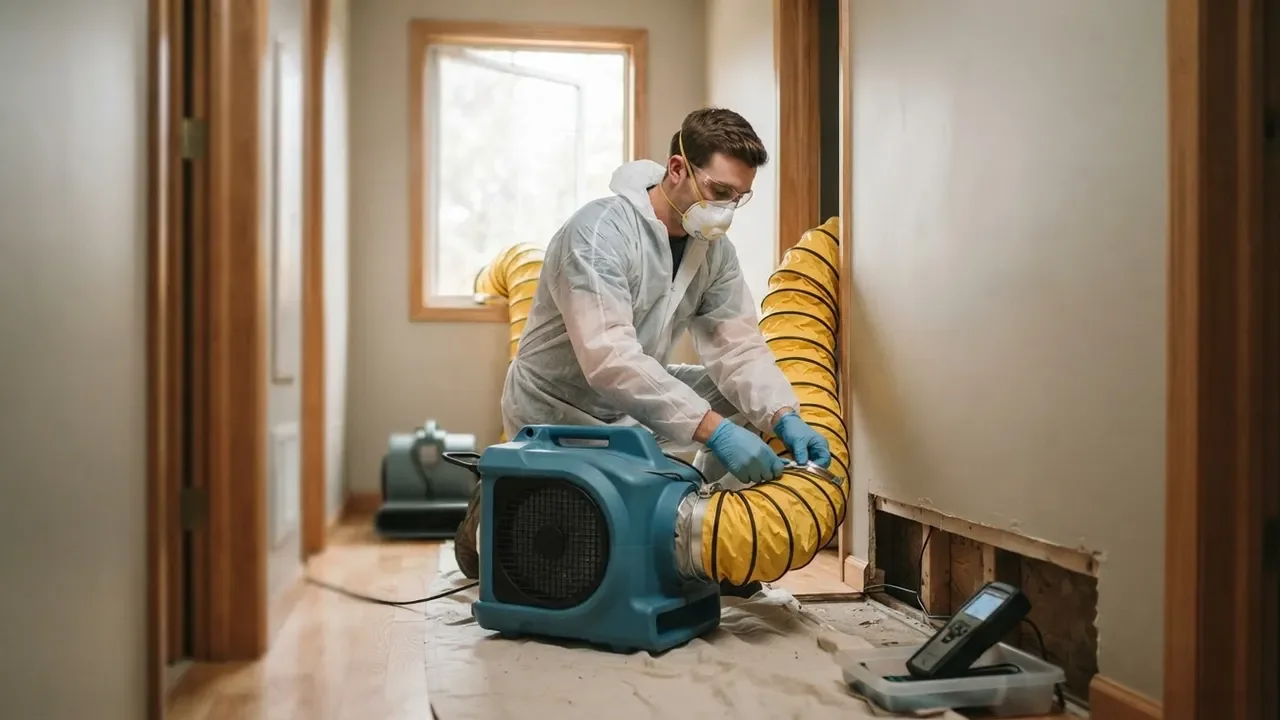
Water damage restoration in Haverhill: professional-grade portable air scrubber with its exhaust ducting running out a

A Drier, Safer Space Below

Removing water promptly limits damage to framing, insulation, and the underside of your floors. We focus on measurable drying, clear communication, and identifying what needs attention next, so you can make decisions based on the condition of your crawl space rather than guesswork.

  • Less water, sooner

    Standing water keeps wood and insulation wet long after a leak stops. We use an extraction wand or pump selected for the depth and access, then verify remaining moisture with a meter. Removing pooled water early reduces the time damp materials remain exposed and helps prevent the problem from spreading toward the subfloor or adjacent rooms.

  • Measured drying progress

    Our technicians record moisture readings at affected framing and compare them as drying continues. A dehumidifier and air mover are positioned to circulate air through the crawl space, not simply blow toward the hatch. You get a clearer picture of whether conditions are improving and when equipment can be removed.

  • Source-focused work

    We look for the reason water entered, including a burst pipe, a failed drain, or runoff gathering near the foundation. Extraction alone will not solve a recurring intrusion. We explain what we find and identify whether plumbing repair, drainage work, or a follow-up inspection is needed to keep water from returning.

  • Cleaner air below floors

    Damp crawl spaces can produce musty odors that travel into living areas. We remove wet debris where accessible, dry affected surfaces, and discuss appropriate cleaning when contamination is present. If insulation or other porous material is saturated, we identify it for removal or further assessment instead of masking the odor.

Standards and Service Records

Industry Standards

  • IICRC Water Restoration Technician — issued by Institute of Inspection, Cleaning and Restoration Certification
  • IICRC Applied Structural Drying — issued by Institute of Inspection, Cleaning and Restoration Certification
  • IICRC Applied Microbial Remediation Technician — issued by Institute of Inspection, Cleaning and Restoration Certification

Field Knowledge, Measured Work

Crawl spaces are tight, hidden work areas, so experience means knowing how to reach the wet materials and how to document the drying, not just where to place a fan. Our local team handles water intrusion from plumbing failures, storm runoff, and persistent moisture in Haverhill homes. We follow the principles of ANSI/IICRC S500 for water damage restoration and use moisture readings to guide decisions. We do not claim a certification unless the technician performing your work holds it; we will explain the qualifications relevant to your job before work begins.

  • We use moisture readings at multiple points to distinguish damp framing from dry surfaces and track progress.
  • Our technicians inspect the source, water category, and affected materials before selecting extraction and drying methods.
  • We plan equipment placement around crawl-space height, access, airflow, and safe electrical connections.
  • We document visible conditions and changes during service to support a clear repair and insurance discussion.
  • We coordinate the drying plan with follow-up plumbing, drainage, or mold assessment when findings call for it.
Get Started Today
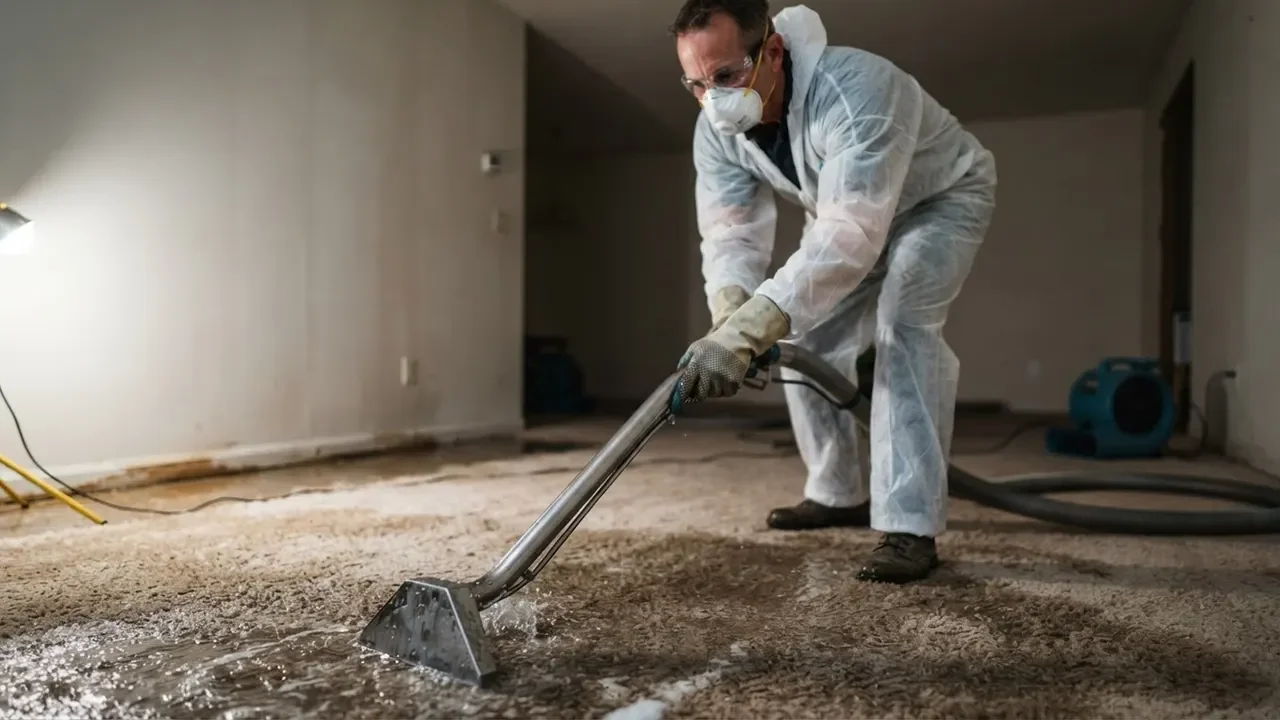
Water damage restoration in Haverhill: restoration technician operating a high-powered water extraction wand across a soaked

Crawl Space Drying Questions

Real answers to the questions we hear most often from local homeowners and property managers.

How much does crawl space water removal cost in Haverhill MA?
Crawl space water removal in Haverhill often varies depending on water depth, access, contamination, and drying time. A small, accessible puddle costs less than a flooded space with saturated insulation or sewage. Typical pricing is set by the amount of extraction, equipment, labor, and any material removal. We explain the price before work proceeds; insurance coverage depends on the cause and your policy.
How do you dry a crawl space after water removal in Haverhill?
We extract standing water, inspect affected materials, then use air movers and a dehumidifier while checking moisture readings. For crawl space water removal and drying with dehumidification Haverhill MA, our crew also checks whether wet insulation or debris needs removal and whether the water source is still active. We revisit the space to compare readings and adjust equipment rather than assuming it is dry after a fixed number of hours.
How long does crawl space drying take in Haverhill Massachusetts?
Crawl space drying in Haverhill Massachusetts commonly takes two to five days after standing water is removed. A small, ventilated area may dry sooner, while saturated wood, wet insulation, cold conditions, or restricted airflow extend the process. We use moisture readings to decide when materials are sufficiently dry, and we explain progress during follow-up checks instead of promising a fixed finish time.
Does insurance cover crawl space water removal in Haverhill MA?
Insurance may cover sudden accidental water damage, such as a burst pipe, but gradual seepage or neglected maintenance is often treated differently. Your policy and the source of water determine coverage. We document visible damage, moisture readings, and work performed so you have useful information for your adjuster. Call us if you need crawl space drying near me in Haverhill; we can explain the restoration records we provide.

Other Help for Water Damage

Water Damage Restoration

If water has moved from your crawl space into a basement or living area, we can address the connected damage. We inspect affected rooms, remove water, and plan drying for framing and finishes so your home's repair is coordinated rather than handled as separate guesses.

View Water Damage Restoration

Emergency Water Extraction

Active flooding needs water removed before materials remain saturated for longer. Our extraction service addresses standing water in a crawl space, basement, or room, with equipment selected for access and water depth. We then check which materials need structural drying.

View Emergency Water Extraction

Flood Cleanup

Stormwater can carry sediment and debris into a low crawl space. Flood cleanup includes removal of water and affected debris, inspection of porous materials, and a drying plan appropriate to the water condition. We explain when additional cleaning or assessment is needed.

View Flood Cleanup

Basement Water Removal

A high water table or failed sump system can affect both a basement and the crawl space beside it. We remove standing water, check the route of water migration, and coordinate drying so moisture is not left trapped along the shared foundation.

View Basement Water Removal

Sewage Backup Cleanup

A sewage backup below a home requires careful handling, not ordinary drying alone. We assess the affected area, remove contaminated water and materials as appropriate, and discuss cleaning steps before installing drying equipment. Keep people and pets away from the affected space until it is assessed.

View Sewage Backup Cleanup

Storm Damage Restoration

Heavy rain and runoff can push water through crawl-space vents or foundation openings. Our storm response connects extraction with inspection of the entry route and wet materials. If a roof leak or exterior opening also affects the home, we can help coordinate the related restoration work.

View Storm Damage Restoration

Call for Crawl Space Water Removal Haverhill MA

Water beneath your home will not dry reliably while the source or pooled water remains. Call Haverhill Water Damage Restoration at (833) 546-4116 to describe the leak, water depth, and access. Our technicians use measured readings to guide the drying work.

Call now Call for help

Contact Haverhill Restoration

Call (833) 546-4116 when water is entering your home or business, or when a damp room needs inspection. Our referral line is available 24 hours a day to connect you with independent companies serving Haverhill, MA, including areas near 01831 and 01835. Tell us what happened, where the water is, and whether it is still flowing.

Or call us right now at (833) 546-4116 — we answer.
Or email us at hello@haverhillwaterdamagema.com

Haverhill Water Damage Restoration


  • Address

    Haverhill, Massachusetts

  • Hours

    Mon–Fri: 7AM – 7PM
    Sat: 8AM – 4PM
    Sun: Emergency Only
    24/7 Emergency Available

Call (833) 546-4116 Get Quote
Call Quote