Haverhill Water Damage Restoration
Call (833) 546-4116

Emergency Board Up Haverhill MA for Urgent Protection

Secure broken openings and exposed roofs before damage spreads


When a storm, impact, or break-in leaves your property exposed, emergency board up Haverhill MA protects windows, doors, and roof openings from weather and unwanted entry. We serve homeowners, landlords, and businesses across Haverhill, Massachusetts, with temporary coverings fitted to the damage. Call us to secure the opening, limit further water intrusion, and plan the next restoration step.

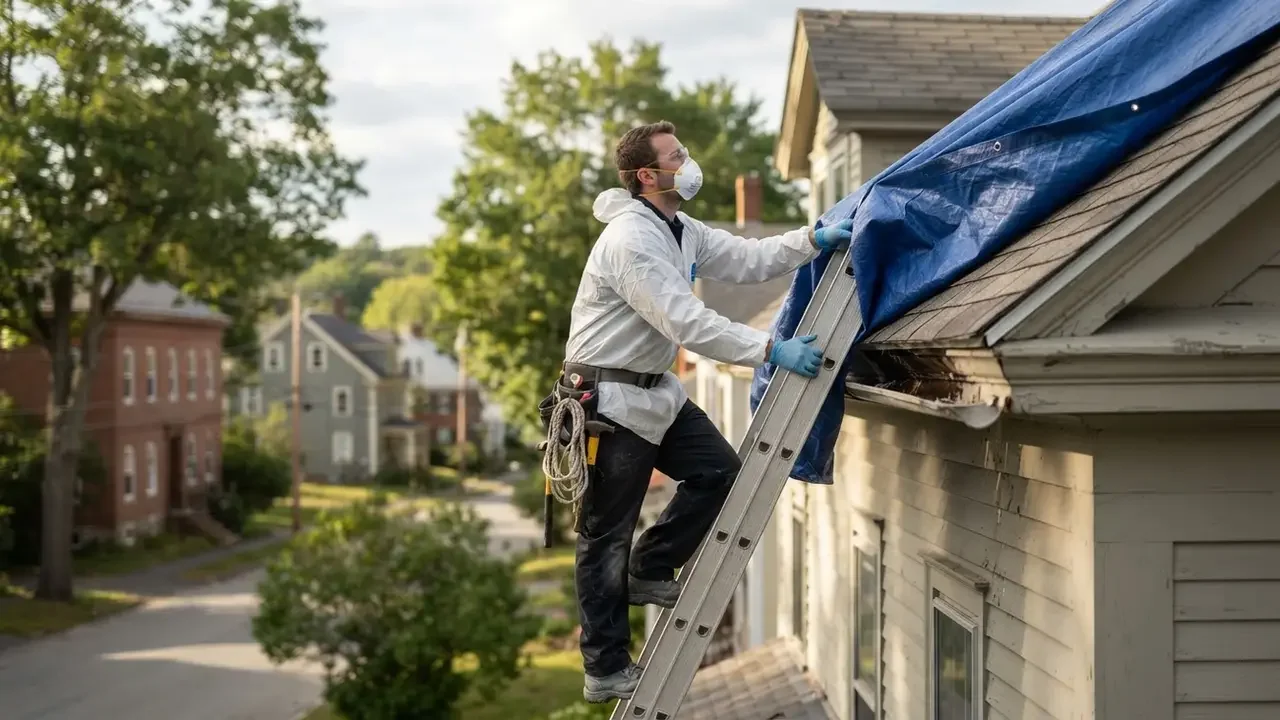
Emergency Board-Up and Tarping in Haverhill: restoration technician carefully climbing a ladder to secure a large blue tarp
24/7 Emergency Same-Day Response
Warranty Backed Workmanship Guaranteed in Haverhill

What Emergency Protection Includes

Emergency board-up and tarping covers temporary protection for accessible damaged openings, including measurement, suitable materials, secure fastening, and a final visual check. We explain what the barrier covers and identify visible concerns around it. Permanent roofing, window replacement, structural reconstruction, and interior drying are separate repair tasks; if the opening has already allowed water inside, we can discuss the appropriate restoration follow-up.

Opening and Hazard Check

We inspect the damaged window, door, or roof area, look for loose material and safe access, and identify the practical boundary of the temporary work. You hear about visible hazards before the crew begins securing the opening.

Measured Temporary Covering

We measure the opening and prepare board panels or a tarp that extends over the damaged area as the structure allows. Fasteners go into suitable material rather than loose trim, and we explain any limits caused by weakened framing.

Edge and Attachment Review

After installation, we check the barrier's edges and attachment points for obvious gaps or movement. On a roof, we consider runoff direction and avoid treating a temporary tarp as a substitute for safe, permanent roofing work.

Damage Notes and Next Steps

We describe the secured area and visible interior impact so you can share the information with a property manager or insurer. If water has entered, we point out whether a moisture check or drying assessment should follow.

Related Mitigation Connection

When rain has reached drywall, flooring, or contents, we can discuss related water mitigation after the opening is protected. Extraction, drying, and repairs depend on what the inspection finds; they are not the same task as board-up.

Emergency Board Up Haverhill MA Explained


Emergency board up Haverhill MA is temporary property protection that closes damaged openings and covers roof breaches after storms, impacts, or forced entry. We inspect the affected area, clear loose hazards where safe, and fasten suitable panels or a secured tarp without treating a temporary barrier as a permanent repair. For a broken window, the goal is to cover the opening while reducing exposure to wind and rain; for a roof leak, the tarp must extend beyond the damaged area and be anchored to sound structure. We also document visible conditions for your restoration records.

Haverhill properties face wind-driven rain, winter ice, falling branches, and freeze-thaw cycles that can turn a small roof leak into wet insulation, ceiling water stains, or damaged drywall. Our Haverhill emergency board up services help stabilize homes and commercial spaces in Essex County while the permanent repair is arranged. If you need emergency board-up and tarping after storm damage Haverhill MA, we secure the opening first, then identify water that entered the building and connect you with appropriate drying or repair work.

What to Expect on Site

Emergency board-up and tarping in Haverhill starts with the hazard that is letting weather or access into your property. We work through a clear sequence: assess, measure, secure, check nearby moisture, and explain the handoff to permanent repair. A straightforward opening may take a few hours; complex roof access or unstable framing takes longer.

01

Schedule

Call or book online — a real human picks up and confirms a 2-hour arrival window.

02

Diagnose

A tech inspects on-site, then walks you through the cause and your options.

03

Fix

The job is completed to code and done right the first time — no shortcuts, no surprises.

04

Guarantee

Every job backed by a written workmanship warranty — and we stand behind it.

Tools and Field Methods

Tools & Equipment

Moisture meter

We use readings on accessible drywall, baseboard, or flooring to help locate damp materials after a roof or window breach. Measurements guide follow-up checks; they do not replace inspection of the full assembly.

Thermal imaging camera

A thermal imaging camera can show temperature patterns around a suspected wet area, helping us decide where to check further. We pair the image with direct inspection rather than treating it as proof of hidden water by itself.

Infrared thermometer

We use an infrared thermometer to compare surface temperatures around an affected area during an assessment. The reading can help identify locations worth checking with a moisture meter after water has entered through an exposed opening.

Air mover

After the exterior breach is controlled, an air mover may support drying of suitable exposed materials. Placement depends on the water condition and room layout; it is not a substitute for stopping the leak or removing standing water.

Dehumidifier

A dehumidifier can help remove moisture from indoor air during a drying plan after rain intrusion. We use it as part of a broader response when the inspection shows wet materials, not as a stand-alone fix for an open roof.

Methods & Standards

Opening-first assessment

We locate the breach, check its perimeter, and assess whether surrounding framing or roof material can support a temporary barrier. The crew considers access, loose debris, and hazards before selecting a board or tarp. This keeps the protection matched to the opening rather than covering a larger area without a sound attachment plan.

Temporary roof tarp installation

We extend the tarp beyond the damaged area where practical, direct runoff away from the opening, and secure it to suitable structure. Roof pitch, weather, and deck condition affect the method. The tarp remains temporary protection; permanent roof repair should follow as soon as practical.

Measured window board-up

We measure the opening and fasten a panel to stable framing or another suitable attachment point. The fit aims to reduce exposure without relying on broken glass, loose trim, or weakened material. After fastening, we check edges and explain what still requires permanent glazing or frame repair.

Water-damage follow-up

Once the opening is secured, we check visible interior surfaces and use moisture measurements where appropriate. Restoration guidance follows ANSI/IICRC S500 principles for water damage assessment and drying. The standard informs water mitigation work; it does not certify a temporary board or tarp as a permanent building repair.

When to Request Emergency Protection

01

A Winter Storm Breaks a Bradford Home's Window, Leaving Glass and Wind-Driven Rain Near the Living Room.

What we do: We assess the frame and nearby hazards, secure a measured board over the opening, and check whether rain reached the interior. If wet finishes are visible, we explain the next mitigation step. Keep people and pets away from loose glass until the opening is secured.

→ The room is closed off from direct weather and access through the broken window, giving you time to arrange permanent glazing and address any interior moisture.

02

High Winds Lift Roof Material Near Ward Hill, and Water Begins Marking a Bedroom Ceiling.

What we do: We inspect access and the exposed roof area, then install a temporary tarp where the surface can hold secure anchoring. We review the covered footprint and note visible ceiling staining. If the roof is unstable, we prioritize safe access rather than sending anyone onto a dangerous surface.

→ The breach receives temporary weather protection, and you have a practical handoff for permanent roofing and an interior moisture assessment.

03

A Vehicle Impact Damages a Storefront Entrance Along a Haverhill Commercial Corridor After Business Hours.

What we do: We check the frame, remove loose hazards where safe, and measure a panel for the opening. The crew secures the entry and reviews access with the property contact. If rain or debris reached inventory, we note the affected area for follow-up restoration.

→ The open entrance is temporarily closed, reducing weather exposure and making it easier to coordinate door replacement and business recovery.

04

A Fallen Branch Punctures an Older Home's Roof and Leaves Damp Insulation Visible From the Attic.

What we do: We assess roof access and the damaged deck, then cover the breach if a safe anchoring point is available. We identify visible water impact in the attic and explain that wet insulation and ceiling materials need separate evaluation after the source is controlled.

→ The roof opening is temporarily shielded from additional rain, while the homeowner knows which interior materials need inspection before permanent repairs are complete.

How Haverhill Response Works Locally

Haverhill's mix of older homes, multifamily buildings, and commercial properties means openings differ in framing, roof access, and surrounding materials. In colder months, ice and freeze-thaw cycles complicate roof footing and can shift temporary coverings; in spring and summer, heavy rain and wind-driven storms test tarp edges and runoff paths. We check those conditions before choosing an attachment method. Our team serves Essex County, including Bradford, Ward Hill, and Downtown Haverhill. If you search for roof tarping near me open now Haverhill, call with the address and describe the roof pitch, visible damage, and any nearby power lines. We plan around safe access, protect the opening where conditions permit, and explain when weather or instability prevents roof entry. For water that has already reached a ceiling, attic, or floor, we separate exterior stabilization from interior drying. Local conditions matter, but the job still comes down to a sound attachment point, a clear hazard check, and a realistic next repair step.
Neighborhoods We Serve

  • Bradford

    Homes with varied rooflines and mature trees can face branch impacts after strong winds. We check for loose limbs and roof hazards before choosing safe access.

  • Ward Hill

    A roof opening here still needs a tarp plan based on pitch and sound attachment points. We inspect the damaged perimeter before fastening temporary protection.

  • Downtown Haverhill

    Commercial storefronts and multifamily properties may need a measured board that keeps an entrance or window secured while permanent glazing is arranged.

  • Riverside

    Wind-driven rain can reach exposed openings quickly. We check the exterior barrier and nearby interior finishes for visible signs of water entry.

Local Conditions We Plan For

  • Freeze-thaw weather can leave roof surfaces slick and unstable

    Ice and changing temperatures affect safe access and attachment. We evaluate the surface before sending a crew onto a roof; if footing or decking is unsafe, we explain the hazard and select a safer response rather than forcing installation.

  • Wind-driven rain tests tarp edges and runoff direction

    A covering must extend beyond the breach and direct water away from the opening where the roof layout allows. We review edges and likely runoff paths, then explain that severe weather can still affect temporary materials.

  • Older framing may not support fasteners at the damaged edge

    Rot, impact damage, or loosened trim can make an obvious attachment point unreliable. We inspect surrounding material and fasten to sound structure where possible, adjusting the protection plan if the opening perimeter cannot safely carry the load.

Broken Window Secured

Before

A storm breaks a ground-floor window in Bradford, leaving glass near the sill and rain entering the room. The frame has visible damage, and the homeowner cannot safely close the opening. Curtains and a section of baseboard are damp, while the weather remains unsettled.

After

We clear loose hazards where safe, measure the opening, and fasten a temporary board to suitable framing. The exposed window is covered, and the homeowner has a clear note of the damp baseboard for follow-up. A single accessible opening commonly takes a few hours from arrival through the final check.

Maintenance: Keep people away from the barrier and do not remove its fasteners. Arrange permanent glass and frame repair promptly. From inside, watch for new dampness or staining and call if the board shifts or rain continues entering.

Before

Wind lifts roofing material above a Haverhill bedroom, and water begins marking the ceiling. The roof surface is steep, with debris close to the damaged area. The household needs the opening covered but does not know whether the deck around it can hold a tarp.

After

We assess roof access and inspect the visible perimeter before fastening a tarp beyond the breach where sound structure permits. The covered area is checked for loose edges, and the homeowner receives a clear explanation that this is temporary. We also flag the ceiling stain for a moisture assessment.

Maintenance: Do not climb onto the roof to inspect the tarp. Arrange permanent roofing work as soon as practical, and check the ceiling from a safe position for new stains, sagging, or drips after rain.

Before

A damaged entrance leaves a Haverhill business exposed after an impact, with broken material near the doorway and rain forecast. Staff need a temporary closure before reopening, and the property contact must coordinate permanent door replacement.

After

We inspect the entrance and frame, measure a panel, and secure the opening to suitable structure. The barrier closes the exposed area, and the property contact receives a straightforward account of what was secured. The owner can then coordinate door replacement and assess any water-affected stock.

Maintenance: Keep the temporary panel clear of carts and deliveries, and do not alter its fasteners. Schedule permanent door work promptly. If inventory or flooring was wet, separate affected items and arrange a water-damage assessment.

Problems Solved After Storm Exposure

An open roof or broken window leaves your building vulnerable even after the storm has passed. Our emergency response focuses on limiting continued exposure and making the next repair decision easier. If you need emergency board-up and tarping in Ward Hill Haverhill, we assess the opening, secure it where safe, and identify visible water concerns.

Problem

Rain Continues Entering Through a Torn Roof Section

Ongoing water entry can soak insulation and ceiling materials, spread staining, and increase the amount of interior repair needed after the storm.

Our Fix

We inspect the damaged roof area and surrounding surface, then fit a temporary tarp to extend beyond the breach where sound anchoring is available. We check the tarp edges and explain its limits so you can arrange permanent roof repair. If water is already inside, we identify visible affected rooms for a separate drying assessment.

Problem

A Shattered Window Leaves Rooms Exposed Overnight

Wind-driven rain, debris, and unauthorized entry can reach the interior through a broken opening, while loose glass creates an additional hazard nearby.

Our Fix

We check the frame and surrounding wall, clear loose hazards where safe, and measure a panel to cover the opening. The board is fastened to stable material rather than unsupported trim. We review the finished barrier with you and note whether rain reached the floor, curtains, or nearby drywall.

Problem

Loose Roof Materials Threaten People Below

Shifting shingles, branches, or damaged decking can fall or move further in wind, making access around the building unsafe.

Our Fix

Our crew evaluates access and visible instability before choosing a protection method. We do not climb onto a surface that cannot be approached safely; when needed, we explain the hazard and the appropriate next action. Once safe work is possible, we secure the exposed area and advise you to keep people clear of the work zone.

Problem

Water Stains Appear After the Opening Is Covered

A new ceiling stain can signal water already trapped above the finish, even when the temporary barrier has stopped additional rain from entering.

Our Fix

We distinguish the exterior barrier from interior restoration and inspect visible areas for damp materials. A moisture meter can help check drywall or baseboard beyond the stain. We explain whether extraction, drying, or a more detailed inspection should follow, so you do not mistake a covered roof for a fully restored interior.

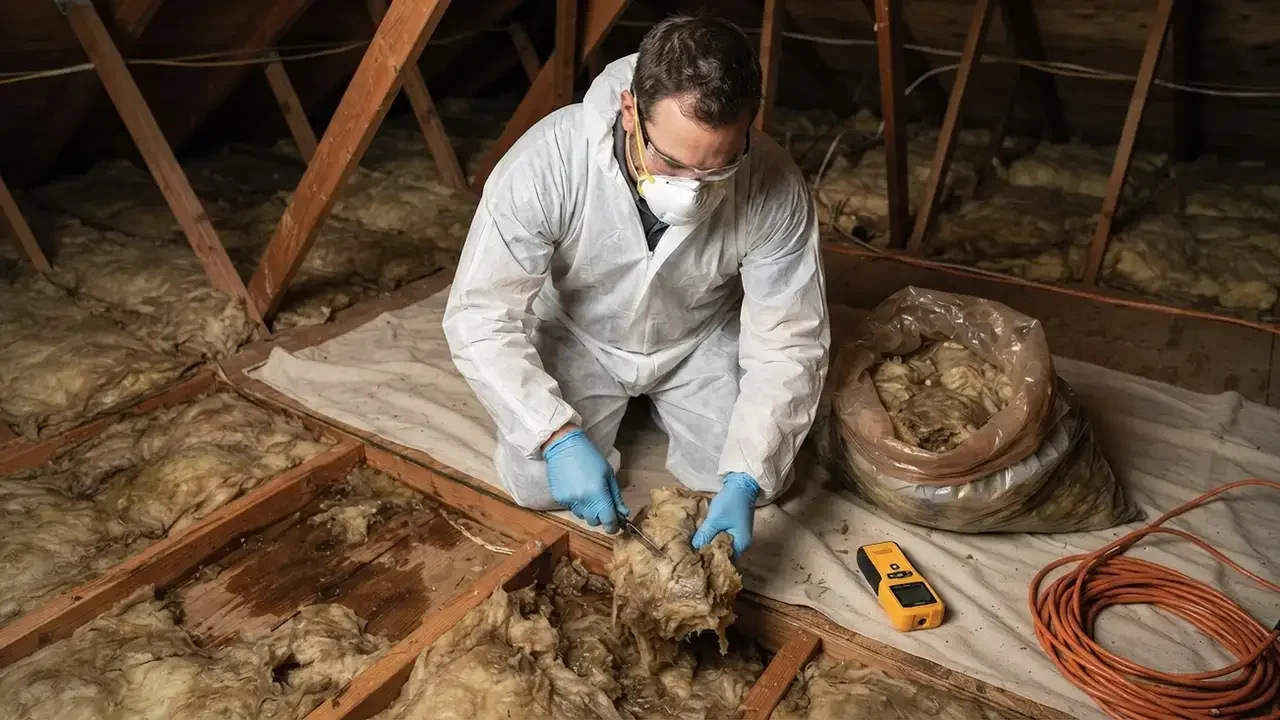
Water damage restoration in Haverhill: restoration technician carefully removing water-saturated insulation from an attic

Practical Protection After Damage

A temporary barrier buys time without disguising the need for permanent repairs. We focus on the immediate risks at your property: rain entry, falling debris, unsecured openings, and damage to contents. You get a clear explanation of what we secured and what should happen next.

  • Limit further water entry

    A properly fitted tarp sheds rain away from a roof breach instead of letting water track into insulation, ceiling cavities, and finished rooms. Our crew checks the damaged footprint and anchors the covering beyond the opening where the roof allows. For roof tarping Haverhill MA, this first barrier can reduce ongoing exposure while permanent roofing work is scheduled.

  • Close exposed openings

    Broken glass and damaged exterior doors leave a property vulnerable to weather, debris, and unauthorized access. We measure the opening and secure panels to stable framing, taking care not to rely on loose trim or weakened material. You get a safer temporary closure while glass replacement, carpentry, or structural repairs are organized.

  • Protect interior finishes

    Stopping water at the exterior helps reduce the spread of moisture into drywall, baseboard, hardwood flooring, and personal belongings. We look for visible wet areas around the opening and explain what needs follow-up. If moisture remains, a moisture meter or thermal imaging camera can help guide the next inspection.

  • Make the next step clearer

    A secured opening and a documented damage area give you a practical starting point for repair planning. We note the location and visible condition of the temporary protection, then outline whether the next call should be a roofer, glazier, or restoration crew. You can share those details with your property manager or insurer.

Standards and Service Records

Industry Standards

  • IICRC Water Restoration Technician — issued by Institute of Inspection, Cleaning and Restoration Certification
  • IICRC Applied Structural Drying — issued by Institute of Inspection, Cleaning and Restoration Certification
  • EPA Lead-Safe Certification — issued by United States Environmental Protection Agency
  • OSHA 10 — issued by Occupational Safety and Health Administration

Field Knowledge and Sound Practice

Emergency protection is most useful when it addresses the actual failure point rather than covering the easiest visible spot. Our local experience includes storm openings, roof leaks, broken glazing, and water intrusion that has reached interior finishes. We use measured fastening and safe access practices, then connect exterior stabilization with moisture checks where needed. Restoration work follows applicable guidance such as ANSI/IICRC S500 for water damage restoration; that standard informs drying work, not a substitute for permanent roofing or glazing repairs. We explain the limits of temporary protection plainly.

  • We assess the opening and its surrounding structure before fastening a board or tarp, reducing reliance on loose trim and damaged framing.
  • Our crew distinguishes an exterior protection task from permanent roofing, window, or structural repair and explains the handoff.
  • Where water has entered, we check visible finishes and use moisture meter readings to guide a follow-up drying assessment.
  • We document practical observations so you can discuss the damage with your property manager, contractor, or insurer.
  • Our response covers residential and commercial properties across Haverhill, including locations in ZIP codes 01835 and 01831.
Get Started Today
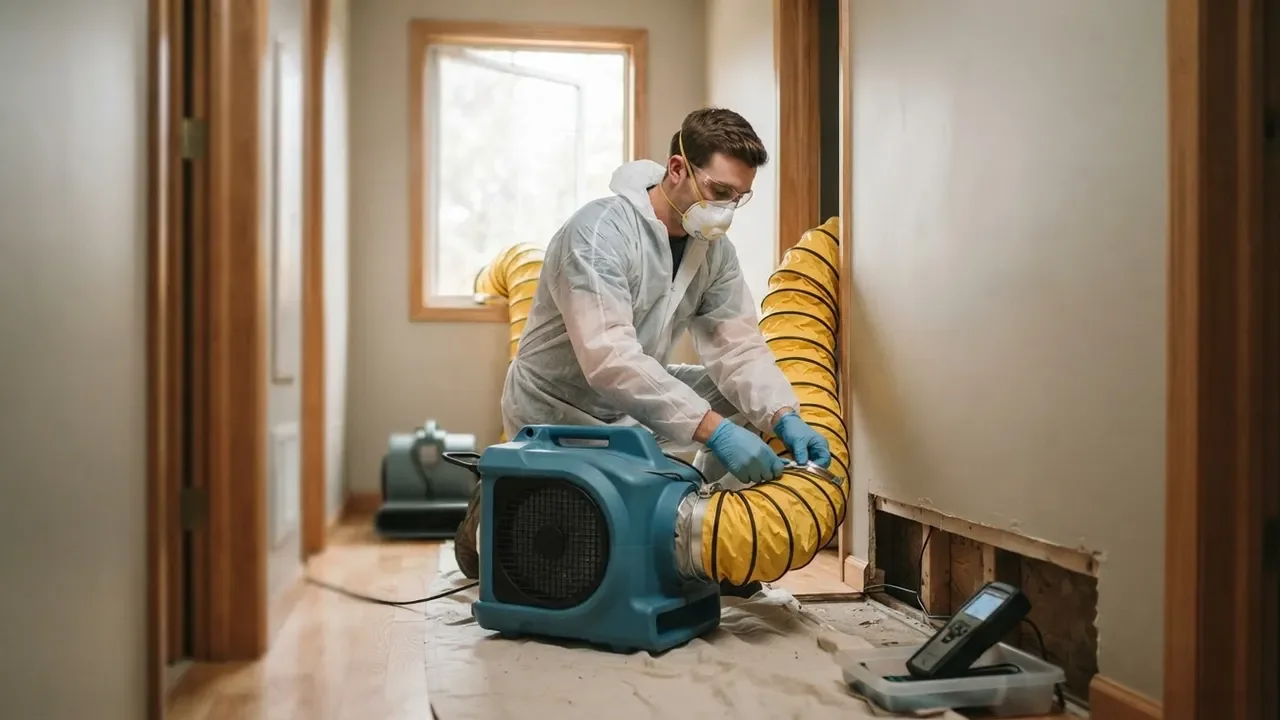
Water damage restoration in Haverhill: professional-grade portable air scrubber with its exhaust ducting running out a

Haverhill Board-Up Questions

Real answers to the questions we hear most often from local homeowners and property managers.

How much does emergency board up cost in Haverhill MA?
A single ground-level board-up often varies while roof tarping commonly varies depending on access and size. Typical pricing in Haverhill changes with materials, roof pitch, number of openings, and after-hours conditions. We explain the price before work begins. Ask about upfront pricing when you call, and share the opening dimensions and photos if it is safe to do so.
How fast can you do roof tarping in Haverhill?
An accessible single roof opening can often be covered in two to four hours after the crew arrives. Roof tarping near me Haverhill MA searches usually follow urgent leaks, so call with the address, roof height, and visible hazards to help us prepare. Steep pitch, ice, unstable decking, or multiple breaches can extend the job. We do not place a crew on a surface that cannot be approached safely.
Does insurance cover emergency board-up and tarping in Haverhill Massachusetts?
Coverage depends on your policy, the cause of damage, and your insurer's decision; emergency mitigation is often considered when it prevents further loss. Keep photos, receipts, and a record of the damage before and after temporary protection. We can describe the work performed and provide service documentation, but your insurer determines coverage. Contact your carrier promptly and ask whether they require a claim number or preferred documentation.
How long does roof tarping last in Haverhill MA?
A roof tarp is temporary protection, and its useful life depends on material, fastening, exposure, and weather; arrange permanent repair as soon as practical. Wind, snow load, sharp edges, and repeated freeze-thaw conditions can loosen or damage it. Do not climb onto the roof to inspect it. From a safe location, watch for sagging, new leaks, or visible movement and call for a recheck if conditions change.

Related Property Services

Water Damage Restoration

Once a roof or window opening is secured, water damage restoration addresses wet building materials and affected contents. In Haverhill, we can inspect visible staining, check moisture in drywall or flooring, and plan appropriate drying after the weather barrier is in place.

View Water Damage Restoration

Emergency Water Extraction

Rain entering through a damaged roof can collect on floors or soak carpet padding. Emergency water extraction removes standing water with suitable equipment after the opening is stabilized, helping limit spread into subfloor and adjoining rooms.

View Emergency Water Extraction

Flood Cleanup

Storm water and exterior flooding can affect more than the opening that triggered an emergency call. Flood cleanup tackles water, debris, and affected materials after immediate hazards are controlled, with the work matched to the source and extent of contamination.

View Flood Cleanup

Basement Water Removal

A storm may send water into a basement even when the main damage is on the roof or exterior. Basement water removal clears standing water and helps identify whether a sump pump, foundation entry, or another source needs attention.

View Basement Water Removal

Sewage Backup Cleanup

A damaged property can have separate plumbing emergencies alongside storm exposure. Sewage backup cleanup addresses contaminated water with appropriate protective procedures; board-up work secures exterior openings but does not replace sanitation and removal.

View Sewage Backup Cleanup

Storm Damage Restoration

Storm damage restoration follows temporary board-up and tarping with a broader review of roof, exterior, and interior impacts. We can help identify water-damaged finishes and coordinate next steps after wind-driven rain or falling debris affects your Haverhill property.

View Storm Damage Restoration

Call for Emergency Board Up Haverhill MA

A broken window or roof opening needs attention before the next round of weather reaches your rooms. Our local team secures exposed areas and explains the next repair step. Call (833) 546-4116 to discuss your Haverhill property and arrange emergency protection.

Call now Call for service

Contact Haverhill Restoration

Call (833) 546-4116 when water is entering your home or business, or when a damp room needs inspection. Our referral line is available 24 hours a day to connect you with independent companies serving Haverhill, MA, including areas near 01831 and 01835. Tell us what happened, where the water is, and whether it is still flowing.

Or call us right now at (833) 546-4116 — we answer.
Or email us at hello@haverhillwaterdamagema.com

Haverhill Water Damage Restoration


  • Address

    Haverhill, Massachusetts

  • Hours

    Mon–Fri: 7AM – 7PM
    Sat: 8AM – 4PM
    Sun: Emergency Only
    24/7 Emergency Available

Call (833) 546-4116 Get Quote
Call Quote