Haverhill Water Damage Restoration
Call (833) 546-4116

Water Damage Insurance Claim Assistance Haverhill MA

Clear damage records and practical help through your claim


Water damage insurance claim assistance Haverhill MA helps homeowners and property managers document a loss, understand the restoration scope, and organize information for their insurer. Our team records visible damage, moisture readings, affected materials, and emergency work after a burst pipe, basement flooding, or roof leak. If you are dealing with a wet property in Massachusetts, call us at (833) 546-4116 so we can begin protecting the building and its claim record.

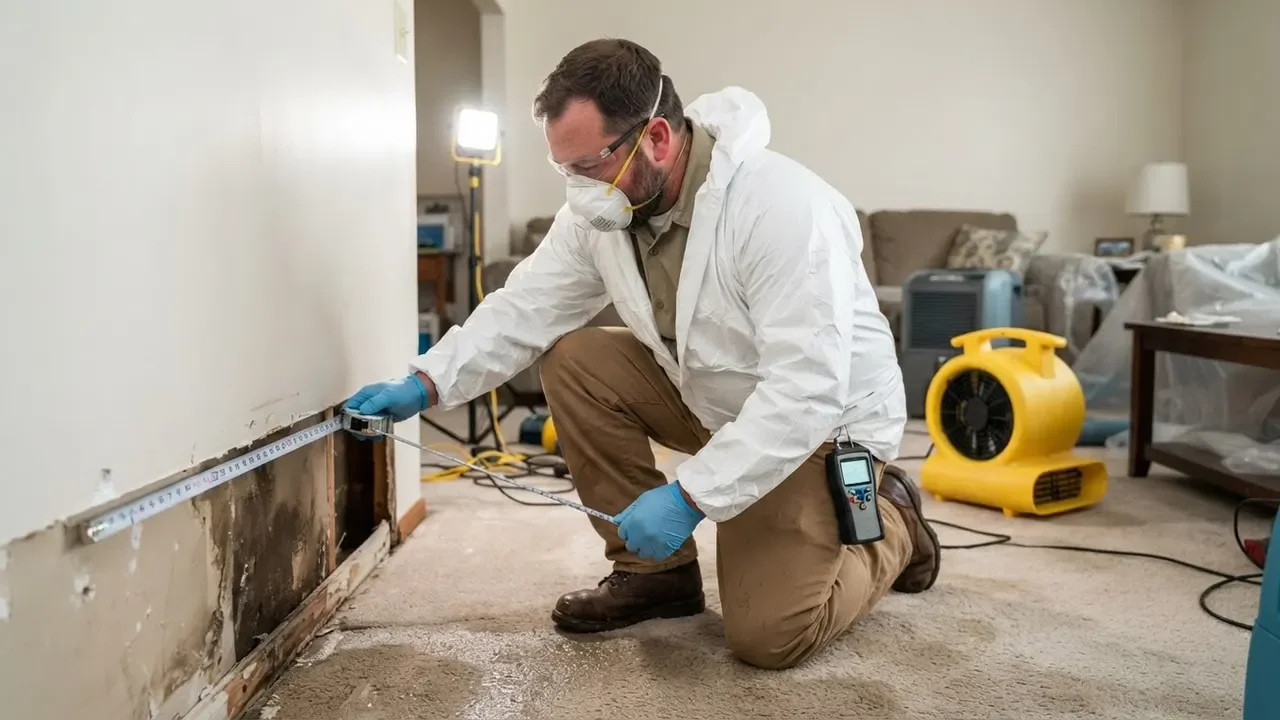
Insurance Claim Assistance in Haverhill: restoration technician carefully measuring the dimensions of a water-affected area
24/7 Emergency Same-Day Response
Warranty Backed Workmanship Guaranteed in Haverhill

What Insurance Claim Assistance Includes

Our service includes restoration-focused documentation: initial condition photos, affected-area notes, moisture readings, mitigation records, and drying updates. We explain the observations in plain language and organize them so you can share them with your insurer. Policy interpretation, coverage decisions, and settlement approval remain with your insurance company. If the loss requires extraction, drying, or repairs, we explain the related restoration work and its cost before proceeding.

Initial Damage Record

We photograph the source area, affected rooms, visible water lines, and damaged materials. Notes include where the damage was observed and which contents or building components were involved, creating a practical baseline before cleanup changes the scene.

Moisture Monitoring Notes

We record readings at relevant materials and revisit them during drying. The record connects locations to measurement changes, helping you see whether drywall, flooring, or framing is improving instead of relying on touch or appearance alone.

Mitigation Work Summary

We document emergency extraction, equipment placement, material removal, and other work completed to limit further damage. You can review what happened, when it happened, and which areas were addressed as restoration moves forward.

Repair Information

We describe the observed damage and the restoration tasks required to return the affected area to service. Where appropriate, quantities and line items are organized in a format familiar to restoration estimating, while coverage remains the insurer's decision.

Customer Claim Records

We provide job photographs and restoration notes for you to keep and share. You remain in control of communication with your insurer, and we explain technical findings so you can discuss the work without guessing at what was measured or removed.

Water Damage Insurance Claim Assistance in Haverhill


Water damage insurance claim assistance Haverhill MA is a property-loss documentation and restoration coordination service that records water damage and supports the repair process after a covered event. We inspect affected rooms, photograph conditions, note moisture readings, and connect each damaged material to the work needed. Your insurer makes coverage decisions; we provide clear field information and restoration records for your claim file. That distinction matters. A sound record can help you explain why wet drywall, insulation, flooring, or contents need attention instead of relying on a few broad photos.

Haverhill homes face winter frozen-pipe breaks, spring thaw seepage, roof leaks after heavy rain, and basement flooding around older foundations. In Riverside or Bradford, a small leak can travel behind baseboards before you see a stain. Our insurance claim help Haverhill MA service pairs prompt mitigation records with a room-by-room damage inventory. If you are searching for water damage insurance claim assistance near me Haverhill MA, we can document the source area, affected surfaces, and drying progress while restoration work moves forward.

What to Expect From the Process

Insurance claim assistance in Haverhill follows the restoration work from first inspection through drying documentation. We keep you informed at each step, explain what we are recording, and make the information straightforward to share with your insurer.

01

Schedule

Call or book online — a real human picks up and confirms a 2-hour arrival window.

02

Diagnose

A tech inspects on-site, then walks you through the cause and your options.

03

Fix

The job is completed to code and done right the first time — no shortcuts, no surprises.

04

Guarantee

Every job backed by a written workmanship warranty — and we stand behind it.

Tools and Restoration Methods

Tools & Equipment

Moisture meter

We use a moisture meter to check affected materials and compare readings over time. The recorded locations and results help explain drying progress in drywall, flooring, and other building materials.

Thermal imaging camera

A thermal imaging camera can help identify temperature patterns that warrant closer moisture checks. We treat the image as an inspection aid, then confirm findings with suitable measurements rather than presenting an image alone as proof.

Dri-Eaz dehumidifier

A dehumidifier removes moisture from the air during structural drying. We select and position equipment for the affected area, then log follow-up conditions so your restoration record reflects how the drying setup was used.

Extraction wand

An extraction wand removes standing water from carpet and other suitable surfaces. We document the affected area and extraction work, then check materials for remaining moisture as the drying phase begins.

HEPA vacuum

A HEPA vacuum is used for appropriate cleanup tasks where fine particulate control is needed. We record its use as part of the work performed and keep the method aligned with the material and conditions at the property.

Methods & Standards

ANSI/IICRC S500 water restoration principles

We use ANSI/IICRC S500 as a technical reference for water-loss assessment, mitigation, and drying documentation. The standard informs how we consider water category, material response, and monitoring. Our field record describes the actual conditions at your Haverhill property rather than treating a standard as a substitute for inspection.

Room-by-room moisture mapping

We note affected rooms, materials, and measurement locations so readings can be compared during follow-up visits. Mapping makes it easier to see where water traveled and whether drying is progressing. It also keeps the claim record grounded in specific areas instead of a single general statement.

Dated photo documentation

We take wide shots to show room context and close-ups to record stains, damaged finishes, and contents. Photos are organized with job notes and the work timeline. This gives you a practical visual record of conditions before cleanup, during mitigation, and after drying.

Controlled structural drying

We combine air movement and dehumidification as appropriate, then monitor the affected materials. Equipment is adjusted as conditions change, and readings are recorded across the job. Drying commonly takes 3 to 5 days, but the measured condition of the materials determines the next step.

When to Use Claim Assistance

01

A Frozen Pipe Breaks Overnight in a Bradford Home and Water Reaches Two Rooms Before the Shutoff.

What we do: We document the affected rooms, visible pipe-related damage, and water on floors or walls, then begin appropriate extraction and drying. We record equipment placement and the work performed, giving you a timeline that starts with the emergency response instead of a later recollection.

→ You have a clear record of the initial damage and mitigation, plus updates as the affected materials dry or need repair.

02

Heavy Spring Rain Sends Water Into a Riverside Basement With Stored Belongings and Finished Walls.

What we do: Our team photographs the water line and affected contents, removes standing water, and checks the basement materials for moisture. We separate building observations from contents notes so you can organize each part of the loss and discuss the source with your insurer.

→ The basement cleanup and damage record follow the same room-by-room layout, making the scope easier to review.

03

A Roof Leak Leaves Ceiling Stains and Damp Insulation After a Winter Storm Near Downtown Haverhill.

What we do: We document the interior staining, inspect accessible affected areas, and record moisture findings before the ceiling is opened or repaired. If temporary protection is needed, we note that work as part of the restoration timeline and track the interior drying process.

→ You can show how the roof opening affected the interior and what stabilization and drying steps were completed.

04

A Water Heater Fails in a Main Street District Apartment and Water Reaches the Unit Below.

What we do: We record the source area and the impact in each accessible unit, noting which surfaces and contents were affected. Our team coordinates the mitigation record by location, so the property manager and residents can follow the work without mixing damage from separate units.

→ Each affected area has a practical record of observed conditions, restoration activity, and follow-up needs.
How Claim Assistance Works in Haverhill

Haverhill's cold winters make frozen supply lines a recurring emergency scenario, while spring thaw and heavy rain can expose basement seepage or sump pump problems. Older homes may have layered finishes, hardwood flooring, and wall cavities that hide how far water traveled. We start with the source and visible impact, then check affected materials and document the work by room. Our insurance claim help near me Haverhill service records conditions without assuming that every stain has the same cause. In a Riverside property, that might mean tracing a leak from an upper floor to a ceiling below; near Kenoza Lake, basement moisture may require a different inspection path. We work across Essex County and use restoration practices informed by ANSI/IICRC S500. If you need same day insurance claim help Haverhill Massachusetts after a sudden loss, call while the damage is fresh. We can begin an assessment, help limit ongoing damage, and give you records to share with your insurer. Our service area includes Haverhill, MA ZIP codes 01832, 01830, 01835, and 01831.

Neighborhoods We Serve

  • Riverside

    We document water movement between floors and adjoining units, particularly when a leak affects a ceiling below the original source. Room-by-room records help keep each area distinct.

  • Bradford

    For homes affected by a burst or frozen pipe, we record the source area, affected finishes, and mitigation steps before drying changes the visible conditions.

  • Downtown Haverhill

    Older building layouts can include concealed spaces and varied finishes. We document accessible conditions carefully and identify where follow-up moisture checks are needed.

  • Ward Hill

    When a roof leak or heavy rain affects a property, we record ceiling, attic, and contents impacts separately so the source and interior damage remain clear.

Local Conditions We Plan For

  • Subfreezing winter nights increase the risk of frozen pipes and sudden interior leaks.

    A pipe break can release water into walls, ceilings, and flooring before you locate the source. We document the first visible conditions, record emergency mitigation, and track drying so the claim file reflects how the loss unfolded.

  • Spring rain and thaw can bring basement seepage or localized flooding.

    Basement water may reach stored contents, finished walls, and floor coverings at different times. We record the affected zones and materials separately, which helps you understand what was cleaned, dried, or removed.

  • Older finishes can conceal moisture behind trim and flooring.

    A stain may not show the full spread of water. We use targeted moisture checks and note measurement locations, allowing you to follow concealed-area findings and drying progress without treating visual appearance as the only evidence.

Frozen Pipe in Bradford Home

Before

A frozen pipe opened behind a kitchen wall while the family was away. Water reached the cabinets, baseboard, and part of the adjoining floor. The homeowner had a few phone pictures but no room measurements or record of which materials were wet before cleanup started.

After

We documented the kitchen and adjoining area, photographed the pipe location, and recorded moisture readings at affected materials. Extraction and drying were logged by room, with follow-up checks over 4 days. The homeowner had a clear restoration record to share with the insurer and could see which surfaces dried and which required repair.

Maintenance: During cold snaps, keep heat steady and open cabinet doors near vulnerable plumbing. Check exposed pipes before leaving for several days, and locate the main shutoff so you can act quickly if a line fails.

Before

After heavy rain, several inches of water covered part of a finished basement. Boxes, carpet padding, and sections of drywall were wet, but the homeowner could not tell how far moisture had moved or which belongings had been affected.

After

We recorded the water line, photographed the contents, and documented the affected floor and wall areas before extraction. Moisture checks continued during a 5-day drying period. The final job notes separated building materials from contents, giving the owner a more organized basis for discussing cleanup and repairs.

Maintenance: Keep valuables off basement floors and inspect the area after heavy rain. Test the sump pump before the wet season, clear the discharge route, and note any recurring damp spots before they become a larger loss.

Before

A roof leak left a ceiling stain and damp insulation in an upper room. The homeowner did not know whether the water was limited to the visible mark or had reached nearby framing and contents.

After

We photographed the ceiling and attic-side conditions, checked accessible materials, and recorded the initial readings. After stabilization, follow-up checks over 3 days tracked the drying area. The customer received a clearer record connecting the roof entry point, interior impact, and restoration steps.

Maintenance: After storms, check ceilings and attic access areas for new stains, damp insulation, or musty odors. Keep a simple record of recurring spots and arrange roof attention when you find a new opening or active leak.

Problems Solved With Documented Claim Support

Water damage moves quickly, but incomplete records can leave you struggling to explain what changed and why. Our team documents the condition, the mitigation, and the drying progress in a way that follows the actual work. That is especially useful when you need water damage insurance claim assistance with documentation Haverhill MA after a complicated loss.

Problem

You Have Only a Few Rushed Photos of a Spreading Leak.

Without room views, close-ups, and a clear timeline, important details about affected materials or the leak's spread may be difficult to explain later.

Our Fix

We create a structured photo record of the source area, each affected room, and damaged surfaces before and during mitigation. Our notes identify materials and locations, so you can tell your insurer what was seen and what work followed instead of relying on memory.

Problem

Water Is Hidden Behind Drywall or Beneath Finished Flooring.

A surface that looks dry can conceal moisture, allowing damage to continue and making the repair scope harder to understand.

Our Fix

We check appropriate surfaces with moisture-measuring tools and record where readings are taken. If the pattern points to a concealed wet area, we explain the finding and the next restoration step. Follow-up measurements show whether drying is progressing or a material needs further attention.

Problem

Your Emergency Cleanup and Claim Records Are Scattered.

Separate photos, receipts, and contractor notes can make it difficult to reconstruct what happened, when mitigation began, and which rooms were affected.

Our Fix

We organize job observations and work updates by area, linking the initial loss to extraction, equipment use, and drying checks. You can keep the record with your claim information and share relevant details with your adjuster without sorting through unrelated notes.

Problem

You Are Unsure What Damage Is From the Original Water Loss.

When a leak affects multiple materials, unclear descriptions can blur the difference between visible damage, suspected moisture, and repairs completed.

Our Fix

We identify what we observed, where it was found, and what action was taken. Photos and readings support the distinction between a stained surface and a measured wet area. You get clearer job information while the insurer evaluates policy terms and coverage.

Water damage restoration in Haverhill: team of restoration technicians strategically placing industrial air movers and a

A Clearer Path Through the Claim

A sudden water loss creates two jobs at once: protect the building and keep a usable record of what happened. We help you handle both with dated photos, measurements, itemized observations, and restoration updates tied to the affected rooms.

  • Organized Damage Evidence

    We capture room views and close-up details before removal changes the scene, then note affected materials and moisture readings. A dated photo set and a simple room list give you a more usable record than scattered phone pictures, especially when water crosses two floors or reaches stored belongings.

  • Mitigation Without Delay

    Standing water and wet materials need attention before secondary damage develops. We document conditions as we extract water and set drying equipment, so your claim file can show both the initial loss and the steps taken to limit further damage.

  • Repair Scope You Can Follow

    We explain why a wet section of drywall, carpet padding, or subfloor needs removal or drying, and keep those observations connected to the repair plan. Haverhill water damage insurance claim assistance helps you follow the work without translating technical notes on your own.

  • Useful Progress Records

    Drying is measured, not guessed. We record readings during the job and track changes as equipment runs. Those entries help show what was wet, what improved, and when materials reached a condition suitable for the next repair step.

Standards and Documentation

Industry Standards

  • IICRC Water Damage Restoration Technician — issued by Institute of Inspection, Cleaning and Restoration Certification
  • ANSI/IICRC S500 Standard for Professional Water Damage Restoration — issued by American National Standards Institute and Institute of Inspection, Cleaning and Restoration Certification
  • IICRC Applied Structural Drying — issued by Institute of Inspection, Cleaning and Restoration Certification

Field Knowledge That Supports Claims

Our local team connects restoration observations to the conditions found inside your property. We use moisture mapping, material identification, and documented drying checks to explain why a room needs extraction, controlled drying, or selective removal. Technicians trained to IICRC WRT principles understand water categories, affected materials, and the need to track drying rather than rely on appearance alone. We apply the ANSI/IICRC S500 water-restoration standard as a technical reference, while tailoring the work to the building and loss. You get practical explanations and records grounded in what we actually find.

  • We distinguish clean supply-line water from sewage-contaminated water because the source affects safe handling, cleanup steps, and material decisions.
  • Our technicians record readings at affected and unaffected comparison points so drying progress has context, not just isolated numbers.
  • We document contents and building materials separately, helping you identify salvageable items alongside drywall, flooring, and insulation concerns.
  • We use room-by-room photographs and job notes to connect emergency mitigation with the work needed to return the space to service.
  • Our team follows IICRC WRT guidance and ANSI/IICRC S500 principles when planning and recording water-damage restoration activities.
Get Started Today
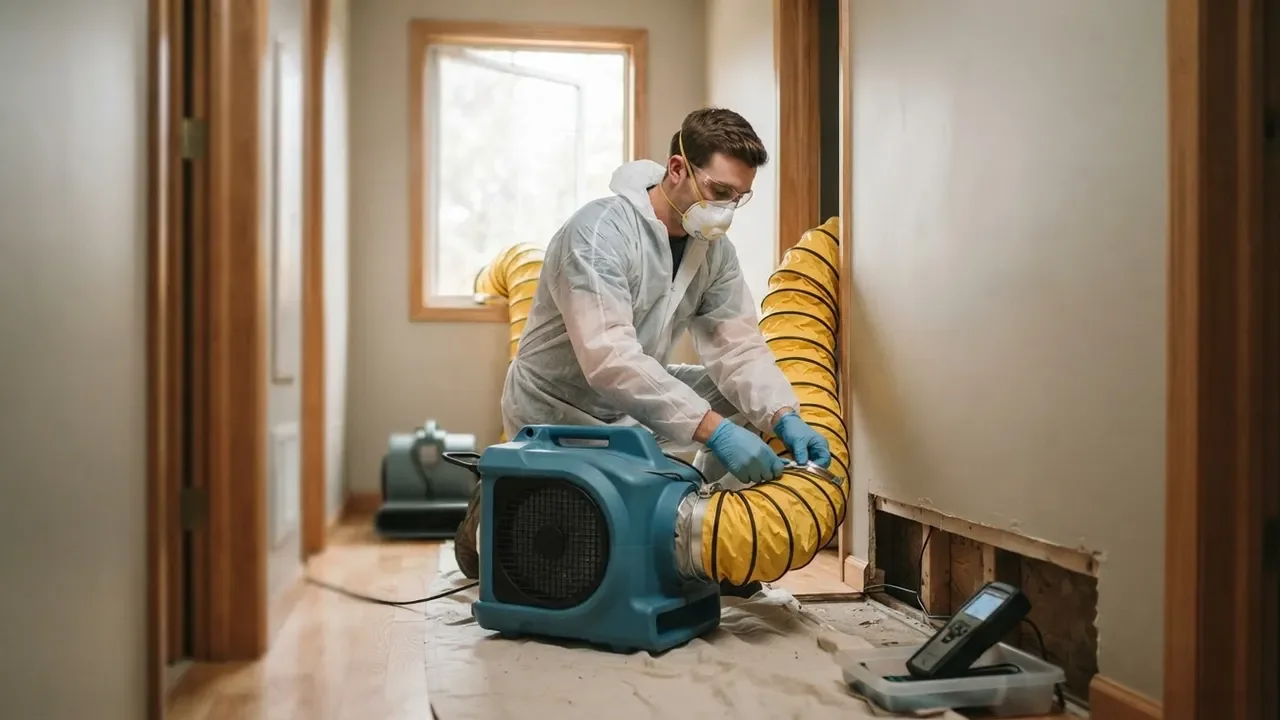
Water damage restoration in Haverhill: professional-grade portable air scrubber with its exhaust ducting running out a

Frequently Asked Questions

Real answers to the questions we hear most often from local homeowners and property managers.

How much does water damage insurance claim assistance cost in Haverhill MA?
A focused claim documentation visit commonly varies while broader restoration documentation is priced according to the affected area and work involved. Typical pricing in Haverhill depends on travel, emergency timing, room count, and whether moisture monitoring is needed across multiple days. We explain our price upfront before work begins. Restoration, extraction, and repairs are separate job costs, and your policy determines whether any expense is reimbursable.
Does homeowners insurance cover water damage in Haverhill?
Homeowners insurance often covers sudden, accidental water damage, such as a burst supply pipe, but coverage depends on your policy and the cause. Gradual seepage, neglected maintenance, and floodwater may be treated differently. We document the source, affected materials, and mitigation work; your insurer decides coverage. Keep damaged-item photos and receipts, report the loss promptly, and avoid discarding materials before documenting them unless safety or sanitation requires removal.
How do I file a water damage insurance claim in Haverhill Massachusetts?
Contact your insurer promptly, prevent further damage when safe, photograph the scene, and keep receipts and contractor records. We can provide water damage insurance claim assistance with documentation Haverhill MA, including room photos, moisture readings, affected-material notes, and a record of emergency mitigation. Do not delay urgent extraction while waiting for an adjuster. Keep the claim number handy and share our restoration records with your insurer as the job progresses.
How long does an insurance claim take in Haverhill MA?
A restoration visit and initial documentation often take 1 to 3 hours, but insurer review can take several days or longer depending on the loss and policy. Drying commonly runs 3 to 5 days, while repairs add time based on material availability and scope. We update the job record as conditions change. If you need an answer about insurance claim help near me in Haverhill, call (833) 546-4116 to discuss the damage and next steps.

Related Services

Water Damage Restoration

Restoration addresses the water loss itself while our claim support records the conditions and work. We photograph affected rooms, track moisture, and document drying steps so your Haverhill repair file follows the job from initial damage through recovery.

View Water Damage Restoration

Emergency Water Extraction

Standing water can spread into flooring and wall cavities quickly. We extract it, record the affected area, and note the emergency work completed. Those details help you explain why immediate mitigation was necessary after a Haverhill leak or overflow.

View Emergency Water Extraction

Flood Cleanup

Flood cleanup often involves contaminated water, damaged contents, and multiple affected surfaces. We record water conditions, removal steps, and material decisions while the cleanup proceeds, giving you a clearer timeline and itemized record for your claim file.

View Flood Cleanup

Basement Water Removal

Basement water can affect stored belongings, finished walls, and flooring at once. We remove water, photograph the room, and track damp materials. If the source involves a sump pump failure or seepage, we document what is visible without making coverage decisions.

View Basement Water Removal

Sewage Backup Cleanup

A sewage backup requires controlled cleanup and careful decisions about porous materials. We document the affected area and removal work, including items that cannot be safely retained. Clear records help distinguish sanitation-related work from ordinary drying tasks.

View Sewage Backup Cleanup

Storm Damage Restoration

After a storm, roof openings and wind-driven rain can wet ceilings, insulation, and contents. We document the entry point and resulting interior damage while stabilization and drying proceed, giving your claim file a sequence of observed conditions and repairs.

View Storm Damage Restoration

Get Water Damage Claim Assistance in Haverhill

A burst pipe or flooded basement should be documented while the conditions are clear. Our team records the damage, explains the restoration steps, and helps you organize job information for your insurer. Call (833) 546-4116 to arrange service in Haverhill, MA.

Call Now Call for Help

Contact Haverhill Restoration

Call (833) 546-4116 when water is entering your home or business, or when a damp room needs inspection. Our referral line is available 24 hours a day to connect you with independent companies serving Haverhill, MA, including areas near 01831 and 01835. Tell us what happened, where the water is, and whether it is still flowing.

Or call us right now at (833) 546-4116 — we answer.
Or email us at hello@haverhillwaterdamagema.com

Haverhill Water Damage Restoration


  • Address

    Haverhill, Massachusetts

  • Hours

    Mon–Fri: 7AM – 7PM
    Sat: 8AM – 4PM
    Sun: Emergency Only
    24/7 Emergency Available

Call (833) 546-4116 Get Quote
Call Quote