Haverhill Water Damage Restoration
Call (833) 546-4116

Structural Drying Haverhill MA: Dry the Structure

Measured drying for homes and businesses after water damage


If a burst pipe, roof leak, or basement flood has soaked your property, structural drying Haverhill MA helps remove moisture from building materials before damage spreads. We serve homeowners, landlords, and businesses across Haverhill, Massachusetts, using measured airflow and dehumidification rather than guesswork. Our team checks affected rooms, sets equipment to the conditions, and tracks moisture readings so you can see when floors, walls, and framing are ready for repairs.

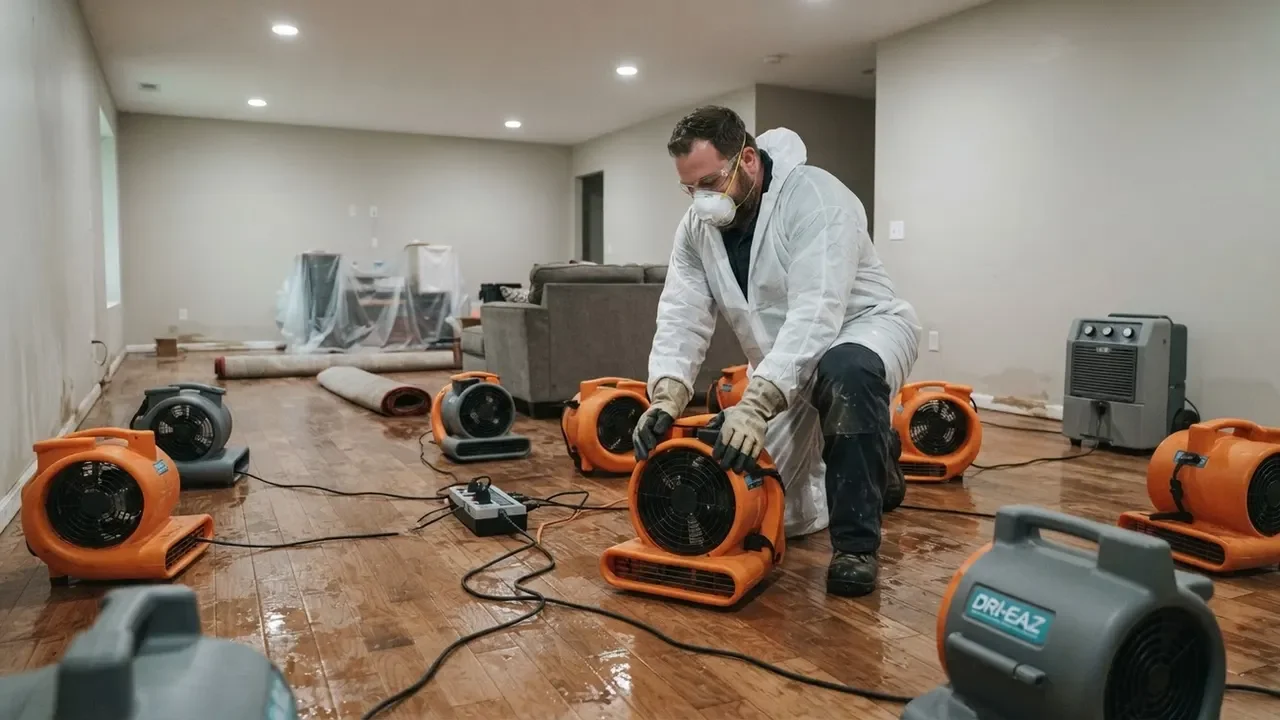
Structural Drying and Dehumidification in Haverhill: restoration technician positioning multiple axial air movers in a grid
24/7 Emergency Same-Day Response
Warranty Backed Workmanship Guaranteed in Haverhill

What Structural Drying Includes

Structural drying includes inspection, moisture mapping, water extraction where needed, equipment placement, monitoring, and a final review of readings. We explain which materials are being dried and why. Repairs, extensive demolition, mold remediation, and plumbing work are separate tasks when the condition requires them; we identify those needs rather than hiding them inside a drying plan.

Moisture Assessment

We inspect the affected rooms and check building materials with a moisture meter. Readings from unaffected areas help establish a comparison point, while thermal imaging can direct closer inspection. You get a practical map of where moisture is present and which assemblies need monitoring.

Water Extraction

Where standing water remains, we remove it with suitable extraction equipment before drying begins. This step can include water on hard flooring or carpet, depending on access and conditions. We also note materials that are saturated, contaminated, or unlikely to dry successfully in place.

Airflow and Dehumidification

We place air movers and dehumidifiers to move moisture from wet materials into controlled room air, then collect that moisture. Equipment layout is based on the affected area and materials, not a fixed machine count. We explain operating noise, power needs, and safe clearance around each unit.

Progress Monitoring

We revisit the site to log moisture readings and check equipment operation. If a material is drying more slowly than expected, we adjust airflow or investigate whether a cavity needs access. Monitoring helps you understand progress and gives a clear basis for removing equipment.

Drying Record and Handoff

At completion, we review the readings and document the drying phase for your records. We identify materials that need repair or additional cleaning and explain the handoff to that work. You can use the service record when discussing the loss with a property manager or insurer.

Structural Drying Haverhill MA Explained


Structural drying Haverhill MA is a water mitigation service that removes trapped moisture from building materials after a leak or flood. We first stop or isolate the water source, extract standing water, and identify wet areas with a moisture meter and thermal imaging camera. Then we position air movers and a dehumidifier to move damp air out and control humidity. Drying targets differ by material: drywall, hardwood flooring, insulation, and subfloor each need their own readings and airflow plan. We log progress and adjust equipment instead of relying on surface appearance.

Haverhill homes and commercial spaces face frozen pipe breaks in winter, roof leaks after storms, and basement flooding where water collects around foundations. A wet carpet can conceal saturated carpet padding or a damp subfloor, while a ceiling stain may point to moisture above the visible mark. Our Haverhill structural drying services address the affected assembly, not just the puddle. If you are searching for structural drying near me Haverhill MA, we inspect the source area, map the wet materials, and explain the next practical steps.

What to Expect During Drying

Structural drying in Haverhill follows a practical sequence: remove water, identify wet materials, establish controlled airflow, and verify progress. We explain equipment noise and access needs before setup, then return for readings and adjustments. Most residential drying takes several days, but material type and water volume set the schedule.

01

Schedule

Call or book online — a real human picks up and confirms a 2-hour arrival window.

02

Diagnose

A tech inspects on-site, then walks you through the cause and your options.

03

Fix

The job is completed to code and done right the first time — no shortcuts, no surprises.

04

Guarantee

Every job backed by a written workmanship warranty — and we stand behind it.

Drying Tools and Methods

Tools & Equipment

Moisture meter

We use a moisture meter to compare affected drywall, flooring, and framing with dry reference points. Repeat readings show whether moisture is moving out of the material and whether equipment needs adjustment.

Thermal imaging camera

A thermal imaging camera highlights temperature patterns that can guide further moisture checks. We confirm suspected wet areas with direct measurement rather than treating an image alone as proof.

Air mover

An air mover directs airflow across wet surfaces to increase evaporation. We position units to support drying without blocking safe walkways or pushing air into areas that have not been assessed.

Dehumidifier

A dehumidifier collects moisture from the air as wet materials release it. Capacity and placement depend on the room, water load, and materials, so we check conditions and adjust during the job.

Dri-Eaz

Dri-Eaz equipment is used for professional water mitigation and drying applications. We select suitable equipment for the affected space and monitor its operation as part of the drying plan.

HEPA vacuum

A HEPA vacuum can capture fine particles during appropriate cleanup work around affected materials. It supports cleaning practices but does not replace water extraction, moisture measurement, or structural drying.

Methods & Standards

ANSI/IICRC S500-guided mitigation

We use the ANSI/IICRC S500 framework to guide water damage assessment, drying decisions, and documentation. The standard informs the process; the actual plan still depends on the water category, building materials, and site conditions. We record relevant readings and explain how they affect equipment and repair timing.

Moisture mapping and reference readings

We measure affected materials and compare them with dry reference areas to establish a baseline. As drying proceeds, repeat readings show whether the material is approaching its appropriate target. If readings stall, we investigate airflow, hidden moisture, or a continuing source instead of leaving equipment unchanged.

Controlled airflow and dehumidification

We combine air movement with dehumidification so moisture leaving building materials can be collected from the room air. Equipment placement accounts for walls, floors, furnishings, and access routes. We adjust the arrangement as the wet area shrinks, rather than running every machine at the same setting for the entire job.

Material-specific drying decisions

Drywall, insulation, hardwood flooring, and subfloor respond differently to water. We determine whether each material can be dried in place, needs access, or requires removal based on its condition and measured moisture. This reduces the risk of closing a wall or floor assembly while damp materials remain.

When to Start Structural Drying

01

A Frozen Pipe Breaks Overnight and Leaves Water Beneath Flooring in a Bradford Home.

What we do: We start by identifying whether the pipe is still leaking and checking that the affected area is safe to enter. We extract standing water, inspect the floor edges and subfloor, and place drying equipment where readings show moisture. Follow-up checks tell us whether the water stayed in one room or traveled farther.

→ You get a controlled drying plan before swelling or hidden dampness is mistaken for a cosmetic floor problem. Readings help guide the repair sequence.

02

A Roof Leak Stains an Upstairs Ceiling After a November Storm Near Downtown Haverhill.

What we do: We confirm the active entry has been controlled, then check the ceiling, insulation, and nearby wall surfaces. Where safe access is available, we dry the assembly and monitor it before ceiling repairs. If the water source is still active, temporary protection must come before the drying setup can hold.

→ The affected ceiling is assessed beyond the stain, and repairs can be planned around documented drying progress rather than surface appearance.

03

A Sump Pump Stops During Heavy Rain and Water Collects Across a Haverhill Basement Floor.

What we do: We remove accessible water, assess whether it contacted stored items or porous finishes, and check lower walls and flooring for retained moisture. We then position dehumidification and airflow according to the affected area. If contamination is suspected, we address cleaning and material safety before ordinary drying.

→ The basement moves from standing water to a monitored drying phase, with wet materials and next steps clearly identified.

04

A Commercial Water Line Leaks Overnight and Dampens a Hallway and Adjacent Work Area.

What we do: We identify the source, extract water, and assess the affected floor and wall assemblies. Equipment is positioned to preserve safe access where possible, and our team tracks readings as the space dries. Commercial dehumidification Haverhill work is planned around the water load, room size, and operational needs.

→ You can coordinate access and reopening decisions around measured progress instead of relying on a dry-looking surface.
How Drying Runs in Haverhill

Structural drying in Haverhill has to account for winter freezes, storm-driven roof leaks, and basement water that can linger in lower levels. In November and through winter, a frozen pipe can release water before a homeowner finds the source; after the leak is stopped, indoor heat and controlled dehumidification help manage the drying environment. Older homes and multi-unit properties also bring varied wall and floor assemblies, so we check beyond the visible stain. Our dehumidification services Haverhill MA begin with source control, moisture mapping, and a safe equipment layout. We serve Essex County, including Bradford, Riverside, and Downtown Haverhill. ZIP codes 01832, 01830, 01835, and 01831 are within our Haverhill service area. If you are looking for structural drying and dehumidification in Bradford Haverhill, tell us which level and rooms were affected; water often travels beyond its entry point. We document the drying work and follow applicable safety requirements, while repairs are coordinated after materials meet appropriate moisture targets.

Neighborhoods We Serve

  • Bradford

    Water from a second-floor leak can move through ceilings and into rooms below. We check adjoining surfaces and floor edges so the drying plan follows the actual moisture path.

  • Downtown Haverhill

    Multi-unit and mixed-use buildings can have shared walls, ceilings, and access constraints. We identify affected units and coordinate equipment placement around safe entry routes.

  • Riverside

    Properties near the river corridor may report basement water after heavy rain. We assess the water source and materials before deciding whether ordinary structural drying is appropriate.

  • Ward Hill

    A leak in a larger home or work space can affect several rooms at once. We map the wet area and place equipment according to room volume and material readings.

Local Conditions We Plan For

  • Winter freeze-thaw cycles can expose weak pipe sections

    A pipe may leak behind a wall or in an unheated area, leaving water to spread before it becomes visible. We check the source area and nearby materials, then monitor concealed locations where moisture could remain.

  • Heavy rain can drive water into lower-level spaces

    Basement water can reach stored items, carpet, lower drywall, and floor edges. We distinguish surface water from moisture retained in porous materials and address contamination concerns before setting standard drying equipment.

  • Older finishes can conceal moisture behind trim

    Baseboard, layered flooring, and wall cavities may hide water after a room appears clean. We use direct readings and targeted inspection to determine whether drying in place is effective or access is needed.

Kitchen Pipe Leak to Dry Floor

Before

A supply line leak left water across a Haverhill kitchen and hallway. The visible floor had been wiped, but moisture remained near the cabinet toe-kick and beneath the hardwood edge. The homeowner was concerned about swelling and wanted to know whether the adjoining room needed equipment too.

After

We extracted remaining water, mapped the wet floor edge, and set air movers with a dehumidifier. Follow-up readings over four days showed a steady decline toward the dry reference. The affected area was documented before flooring repairs were scheduled, and the adjoining room did not require the same equipment setup.

Maintenance: Check under sinks and around appliance connections for drips, especially before leaving home during winter. If a floor changes shape or feels damp, shut off the water source when safe and call for an inspection before covering the area.

Before

After heavy rain, water collected across a basement near Riverside. The carpet surface was wet, several boxes had absorbed water, and a musty odor remained after initial cleanup. The lower wall sections and carpet padding had not yet been checked, so the actual drying area was unclear.

After

We removed accessible water, checked the carpet edge and lower drywall, and identified materials that required separate handling. Air movers and dehumidification ran with readings recorded during follow-up visits. The basement moved into a documented drying phase, with affected contents separated from the equipment path.

Maintenance: Keep basement storage elevated and leave access to the sump pump and shutoff points. After intense rain, check for water at floor edges and around foundation penetrations before the space develops a persistent odor.

Before

A roof leak left a spreading stain on an upstairs ceiling after a storm. The surface looked dry in places, but damp insulation above the ceiling and moisture along one wall edge were still possible. Patching immediately risked trapping water in the assembly.

After

Once the entry point was controlled, we checked the ceiling and nearby wall, then dried the affected assembly with monitored airflow. Readings were reviewed over several days before equipment was removed. The homeowner had a clear record of the moisture trend and could schedule ceiling repairs with better information.

Maintenance: After wind or heavy rain, inspect ceilings and attic areas for new stains or damp insulation. Address roof openings promptly and avoid repainting a water mark until the source is fixed and the assembly is dry.

Fixing Hidden Moisture Problems

Water damage in Haverhill often leaves moisture where you cannot see it: beneath flooring, behind baseboard, or above a ceiling stain. Structural drying addresses those concealed wet areas before repair work closes them in. We trace the affected materials, control humidity, and keep you informed as readings change.

Problem

Hardwood Boards Swelling After a Leak Beneath the Kitchen Sink

Moisture below the boards can keep the floor swollen and may affect the subfloor. Covering it before readings improve can trap dampness beneath new finish work.

Our Fix

We check the flooring and subfloor, map the affected area, and control airflow without applying uncontrolled heat. Readings guide whether drying in place is working or whether access and repair are needed. We explain the findings before the next trade begins.

Problem

A Basement Smells Musty Days After Visible Water Was Removed

Damp carpet padding, lower drywall, or stored contents can hold moisture after the floor looks clear. Persistent humidity can keep odors active and spread damp conditions.

Our Fix

We inspect likely moisture reservoirs, measure lower wall sections and flooring, and identify wet materials that need removal or drying. A dehumidifier and air movers address the remaining moisture load. We monitor progress so the odor source is not simply covered with fragrance.

Problem

Ceiling Water Stains Spread After a Roof Leak

Water can travel along framing and soak insulation beyond the visible stain. A ceiling that is patched too early can conceal damp materials above it.

Our Fix

We trace the affected ceiling area, check nearby materials, and confirm the roof entry has been controlled. If the cavity remains wet, we discuss appropriate access and dry the exposed assembly with monitored airflow. Repairs follow after readings show the area is ready.

Problem

Frozen Pipe Water Reaches Several Rooms Overnight

Water from a frozen pipe can move under baseboard and into adjoining floors before anyone finds the break. Delayed drying increases the area requiring inspection.

Our Fix

We help map the water path, extract accessible water, and set equipment based on affected rooms and materials. If you need same day water damage drying Haverhill Massachusetts, call with the source location and rooms involved so we can discuss immediate steps.

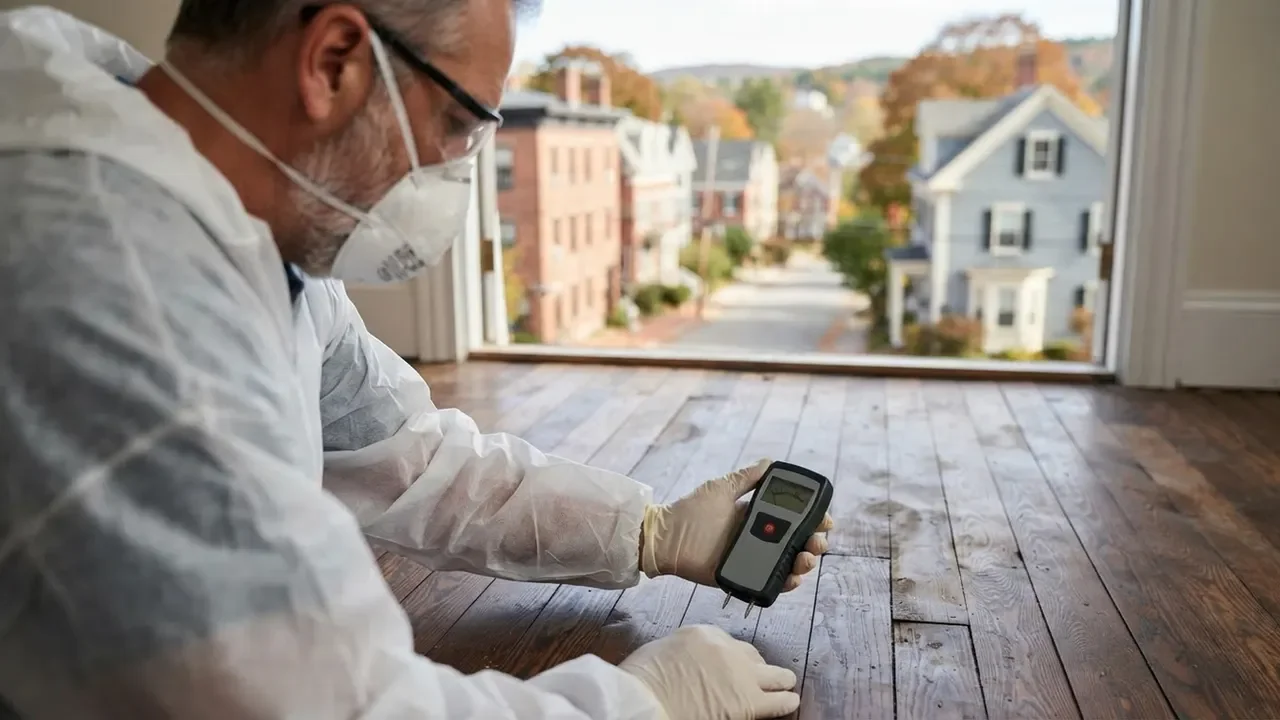
Water damage restoration in Haverhill: close-up of a restoration technician checking moisture levels on a hardwood floor

What Proper Drying Protects

A dry surface does not prove the structure is dry. We use readings, controlled airflow, and repeat checks to help protect materials and keep repair decisions grounded in evidence. You get a clear picture of what is wet, what is drying, and what needs removal or replacement.

  • Find Hidden Moisture

    Water travels behind baseboard, under flooring, and through wall cavities before it becomes visible. We compare moisture meter readings with unaffected areas and use thermal imaging to locate likely wet zones. That helps us focus equipment where it matters, rather than running an air mover in a dry room while moisture remains behind the finish.

  • Control Drying Conditions

    Air movers increase evaporation while a dehumidifier collects moisture from the air. We position equipment around the affected materials and check readings during the job, often at least once daily. This measured approach helps avoid needless equipment time and gives you a better basis for deciding when repairs can proceed.

  • Limit Secondary Damage

    Standing water and persistent dampness can damage drywall, swell hardwood flooring, and leave musty odors. We remove water promptly, separate materials that need specialized attention, and keep a record of drying progress. Dehumidification services Haverhill MA are most effective when extraction and airflow start before moisture spreads into adjoining rooms.

  • Document the Work

    We record affected materials, equipment placement, and moisture readings so you can follow the work from setup through dry standard. That record can help explain the mitigation process during an insurance conversation. We also flag concealed conditions, such as wet insulation, before closing a wall or reinstalling baseboard.

Training and Work Records

Industry Standards

  • IICRC Water Restoration Technician — issued by Institute of Inspection, Cleaning and Restoration Certification
  • IICRC Applied Structural Drying — issued by Institute of Inspection, Cleaning and Restoration Certification
  • IICRC Applied Microbial Remediation Technician — issued by Institute of Inspection, Cleaning and Restoration Certification
  • EPA Lead-Safe Certification — issued by U.S. Environmental Protection Agency

Practical Drying Expertise

Structural drying requires more than powerful fans; the operator needs to understand how water behaves in different assemblies. Our team follows IICRC WRT principles and uses the ANSI/IICRC S500 framework to guide water mitigation and documentation. We assess whether materials can be dried in place, whether access is needed, and how to avoid pushing moisture into an unaffected area. For mold-related conditions, we separate the drying plan from remediation decisions and follow appropriate containment practices. We bring local experience with Haverhill basements, older finishes, multi-unit buildings, and winter pipe losses.

  • We use IICRC WRT training principles to assess water damage, select drying methods, and document changes in material moisture.
  • Our technicians compare readings with unaffected reference materials instead of relying only on touch, color, or surface temperature.
  • We recognize when a wet insulation cavity needs access rather than more airflow from outside the wall.
  • For water involving sewage or other contamination, we separate safety and cleaning needs from ordinary clean-water drying.
  • We explain equipment placement and daily access so your household or business can keep using unaffected areas safely.
Get Started Today
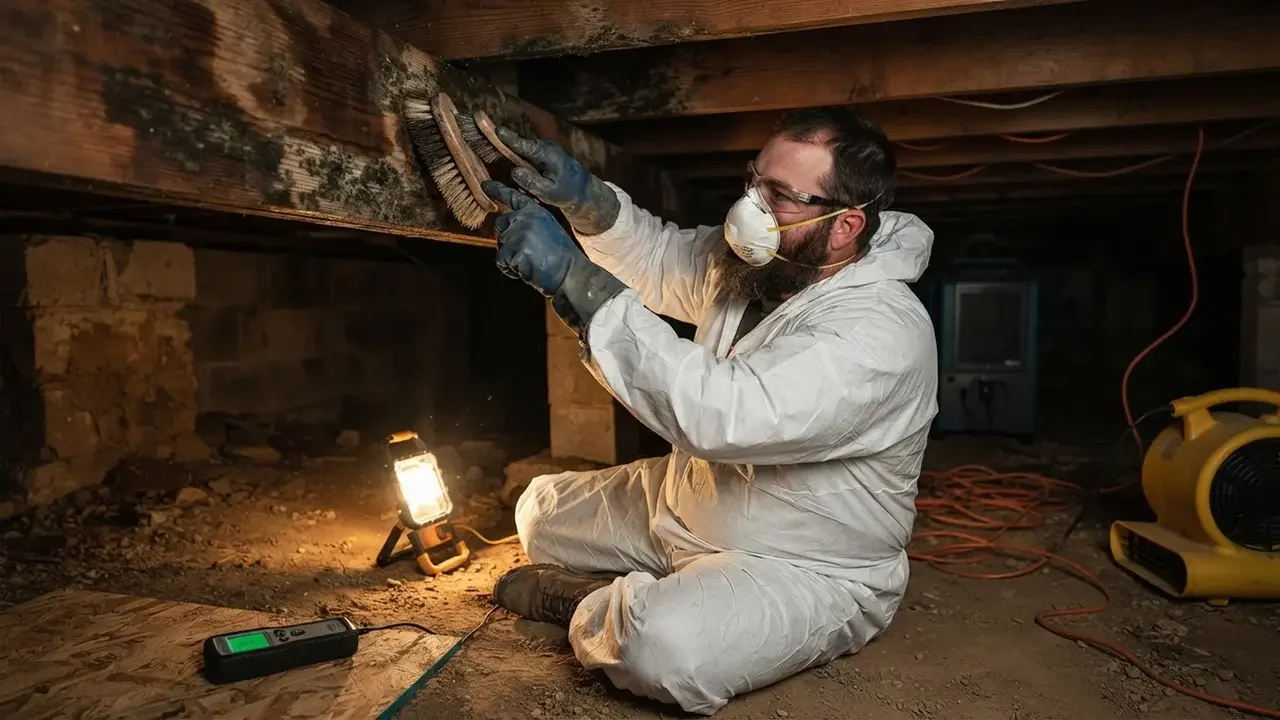
Water damage restoration in Haverhill: restoration technician in full PPE carefully scrubbing a mold-affected wooden beam in

Structural Drying Questions

Real answers to the questions we hear most often from local homeowners and property managers.

How much does structural drying cost in Haverhill MA?
Structural drying in Haverhill commonly varies with the area and equipment days, depending on the affected area and equipment days. A small room with limited clean-water damage costs less than multiple rooms with wet insulation or flooring. Typical pricing in this area is shaped by extraction, material removal, monitoring visits, and equipment duration. We explain the price before work proceeds and document the work performed; insurance coverage depends on your policy.
How long does structural drying and dehumidification take in Haverhill?
Most structural drying and dehumidification jobs in Haverhill take 3 to 5 days, while heavy saturation can require a week or longer. Drying time depends on how much water entered, the materials involved, indoor humidity, and whether concealed cavities need access. We take repeat readings rather than promising a finish date from appearance alone. Keep equipment running as directed and tell us if a unit stops, trips a breaker, or becomes blocked.
How many dehumidifiers do I need for water damage in Haverhill Massachusetts?
A contained room often needs 1 appropriately sized dehumidifier, while a multi-room loss may need 2 or more units. The exact count depends on room volume, water load, material absorption, and the equipment's capacity. We calculate placement after inspecting the wet area and pair dehumidification with air movement and moisture checks. Adding extra machines without a drying plan does not guarantee faster results and can interfere with access or airflow.
Does insurance cover structural drying in Haverhill MA?
Many policies cover sudden, accidental water damage mitigation, but coverage for structural drying in Haverhill MA depends on your policy and the cause of loss. Gradual seepage, maintenance issues, and flood exclusions can change the outcome. We document the visible damage, readings, equipment, and work completed so you have useful records for your carrier. Call your insurer promptly, keep damaged-area photos, and ask whether they need to inspect before repairs.

Services That Support Drying

Water Damage Restoration

Water Damage Restoration connects extraction, drying, cleaning, and repairs into a coordinated response for Haverhill properties. After we remove standing water, structural drying controls moisture in walls and floors. If your loss also affects contents or finishes, we can identify the next restoration steps and keep the mitigation record organized.

View Water Damage Restoration

Emergency Water Extraction

Emergency Water Extraction removes pooled water before it soaks farther into carpet padding, subfloor, and drywall. In Haverhill, a burst pipe or failed appliance can leave a room with inches of water. We extract first, then measure the remaining moisture and set drying equipment to address what the visible cleanup cannot reach.

View Emergency Water Extraction

Flood Cleanup

Flood Cleanup addresses water, debris, and affected materials after basement flooding or storm entry. We assess contamination and remove water before starting structural drying in Haverhill. If floodwater has contacted porous materials, cleaning and removal decisions come before ordinary drying, helping keep unsafe materials out of the drying setup.

View Flood Cleanup

Basement Water Removal

Basement Water Removal clears standing water from lower levels where damp conditions can linger after a sump pump failure or seepage event. We extract water, inspect the floor and lower wall sections, and set dehumidification based on measured moisture. Drying the basement promptly helps limit persistent musty odors and hidden wet materials.

View Basement Water Removal

Sewage Backup Cleanup

Sewage Backup Cleanup requires contamination controls before structural drying begins. We isolate affected areas, remove contaminated water and porous materials as needed, and clean surfaces using an appropriate process. Once the area is safe to dry, we monitor remaining moisture in the structure rather than treating sewage exposure like a clean pipe leak.

View Sewage Backup Cleanup

Storm Damage Restoration

Storm Damage Restoration addresses water entering through roof damage, windows, or other openings. We help control active intrusion, remove water, and dry affected ceilings, walls, and floors in Haverhill. Temporary protection may be needed before drying equipment can work effectively, especially when rain continues or wind has displaced roofing materials.

View Storm Damage Restoration

Call for Structural Drying Haverhill MA

Wet drywall, a soaked floor, or a flooded basement needs measured attention before repairs begin. Call Haverhill Water Damage Restoration at (833) 546-4116 to discuss the affected area and arrange the next step. Our team follows IICRC WRT principles for water mitigation.

Call Now Call Our Team

Contact Haverhill Restoration

Call (833) 546-4116 when water is entering your home or business, or when a damp room needs inspection. Our referral line is available 24 hours a day to connect you with independent companies serving Haverhill, MA, including areas near 01831 and 01835. Tell us what happened, where the water is, and whether it is still flowing.

Or call us right now at (833) 546-4116 — we answer.
Or email us at hello@haverhillwaterdamagema.com

Haverhill Water Damage Restoration


  • Address

    Haverhill, Massachusetts

  • Hours

    Mon–Fri: 7AM – 7PM
    Sat: 8AM – 4PM
    Sun: Emergency Only
    24/7 Emergency Available

Call (833) 546-4116 Get Quote
Call Quote