Haverhill City Hall
Haverhill City Hall is a recognizable civic reference in the downtown area. Callers can use it to describe their general direction, while the exact street address remains the key detail for locating a building entrance.
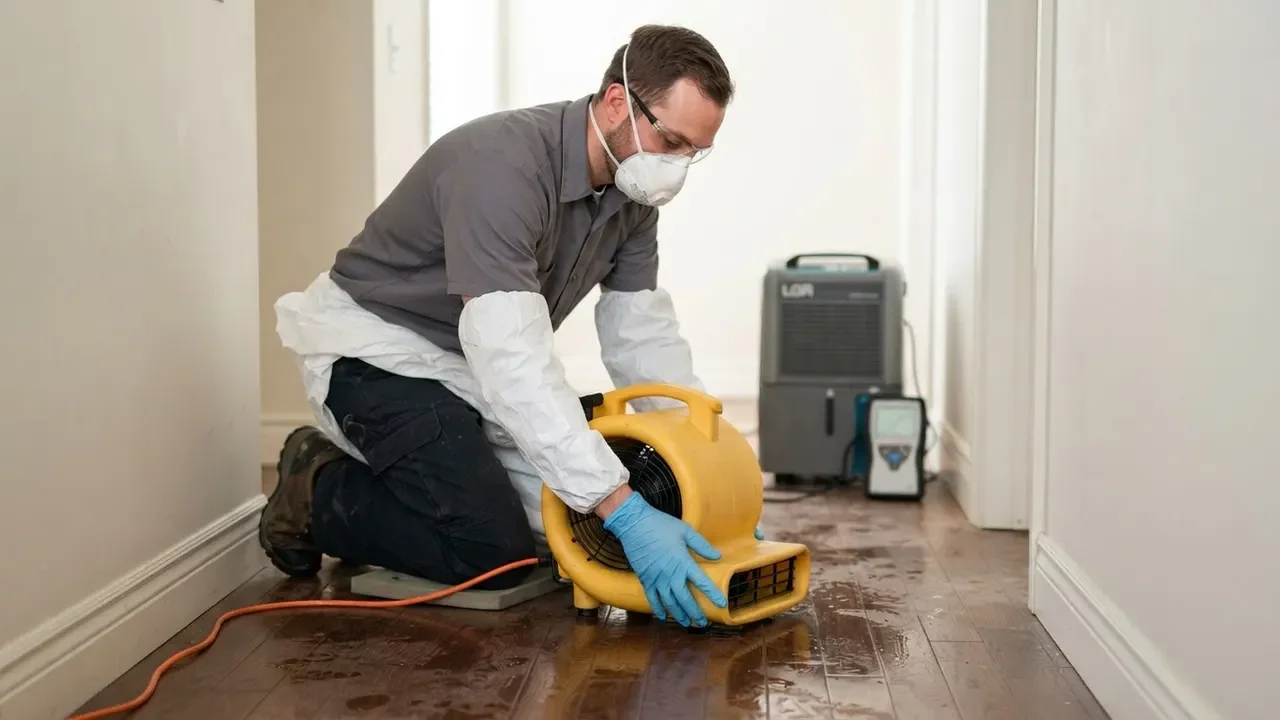
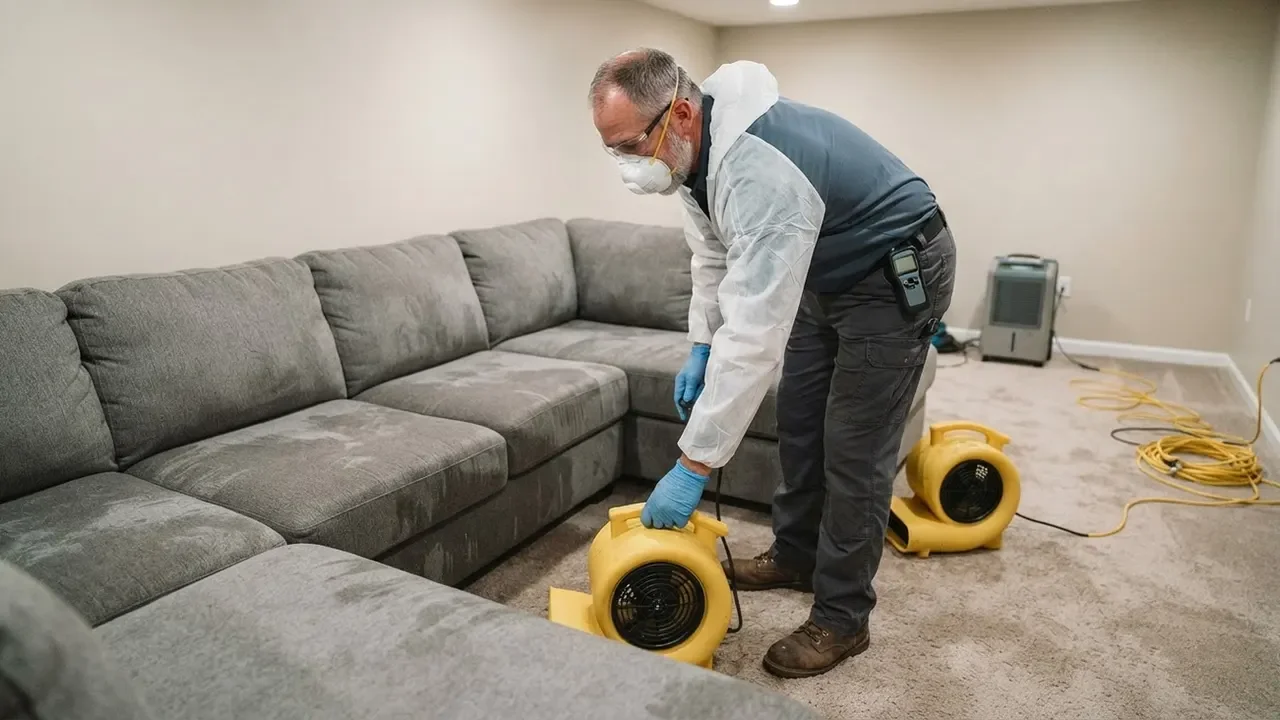
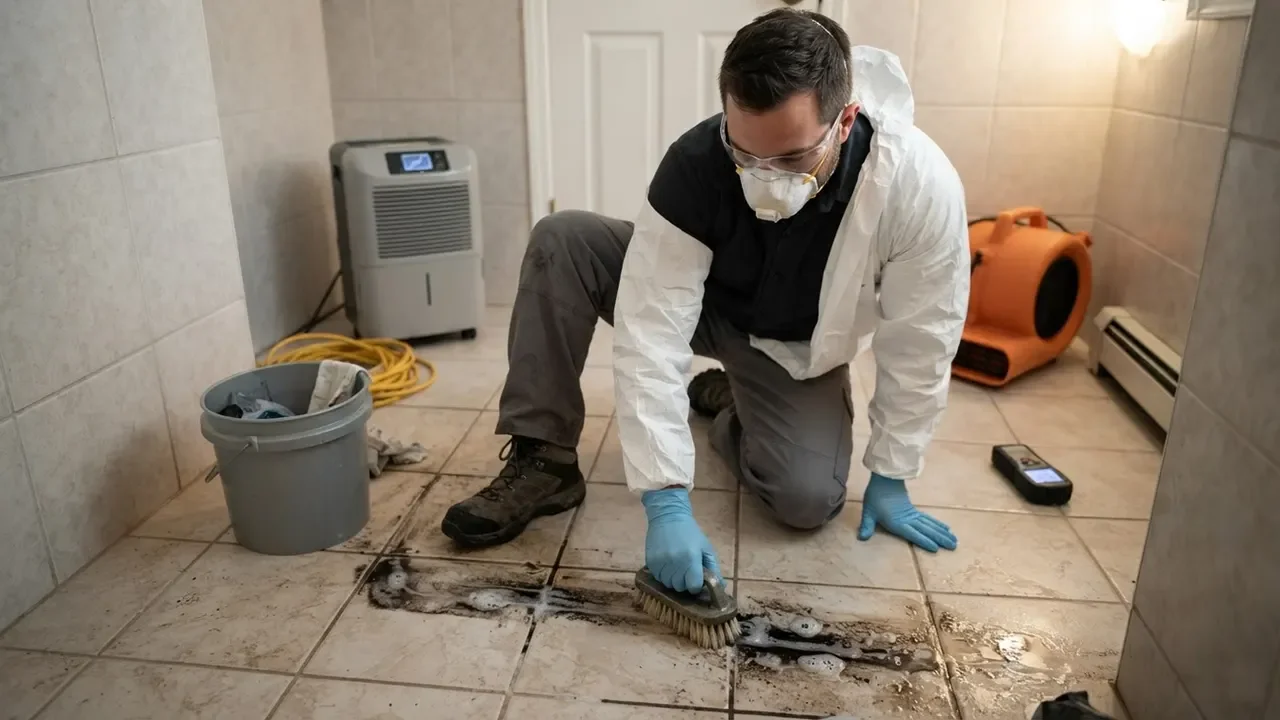
Water damage restoration in Downtown Haverhill is the inspection, water removal, drying, and repair work needed after a leak, flood, or plumbing failure affects a building. Haverhill Water Damage Restoration works across the downtown streetscape, where historic brick buildings prone to water infiltration stand alongside apartments, shops, and shared-wall properties. Older plumbing systems in downtown buildings can turn a small leak into damage across several rooms or units. We trace the affected area before removing materials, then set drying equipment where it can reach wet framing and floor layers. Our technicians use a moisture meter and thermal imaging camera to find moisture that is not visible at the surface. We coordinate access with owners, tenants, and property managers so the repair plan accounts for occupied spaces and common areas. From Main Street to Emerson Street, water damage cleanup Downtown Haverhill starts with controlling the source and documenting what is wet. We work throughout Essex County and can help you understand the next practical step, whether that is extraction, structural drying, or repair.
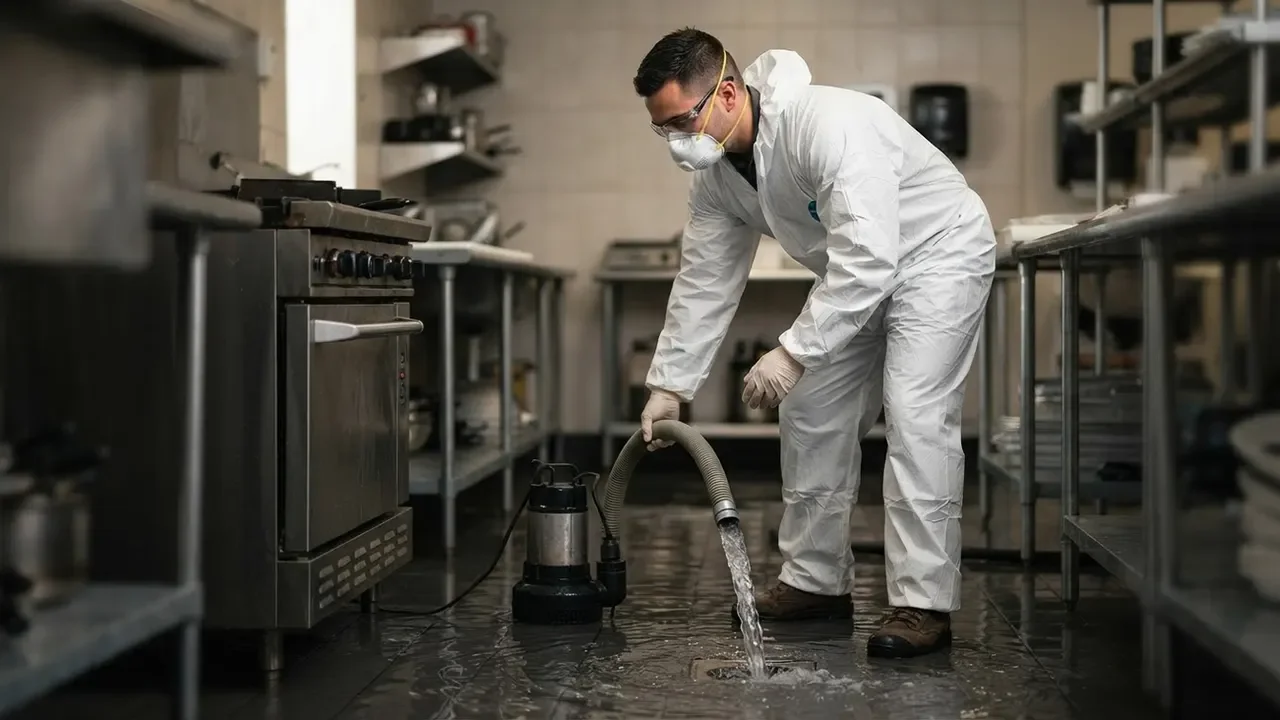
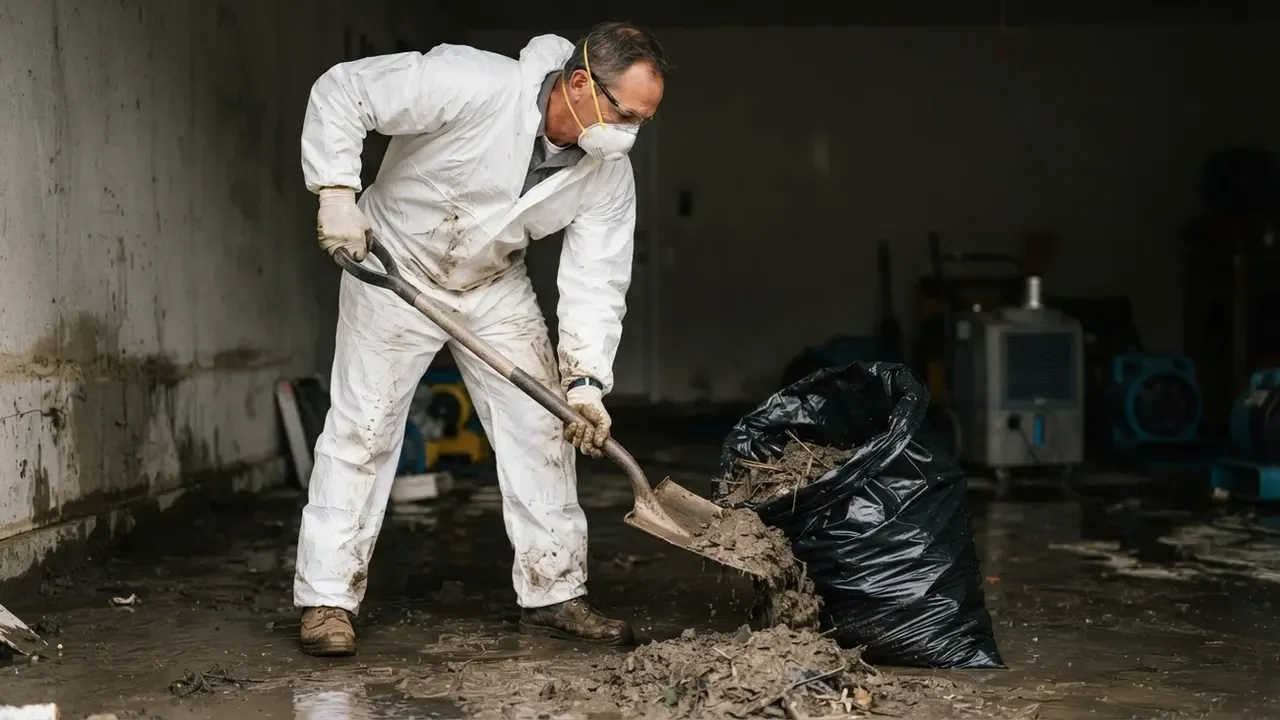
Water problems downtown range from a single appliance leak to water moving between floors in a shared building. Our crew handles extraction, cleanup, drying, and repair planning for residential and commercial properties near Main Street, Washington Street, and Haverhill City Hall. If you are searching for water damage restoration near me Downtown Haverhill MA, tell us whether the water is clean, contaminated, or still entering; that helps us prepare the right equipment. We inspect before placing air movers or a dehumidifier, and keep affected areas organized while work proceeds.
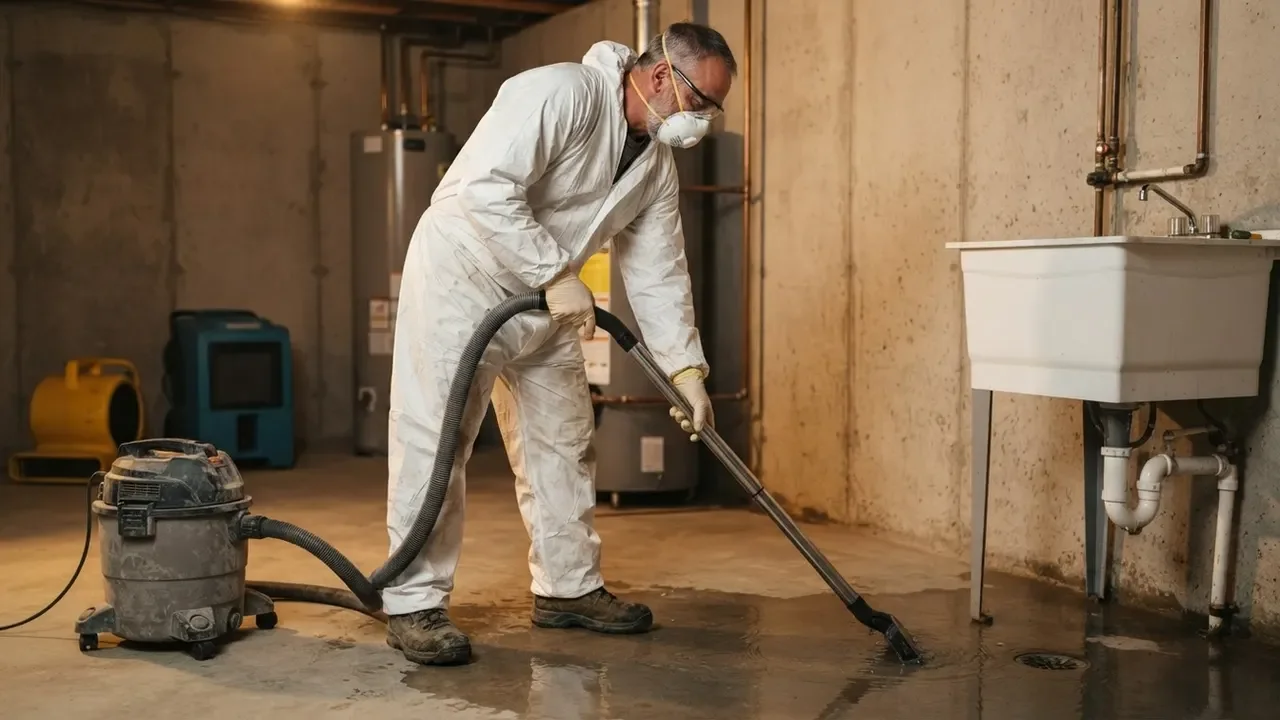
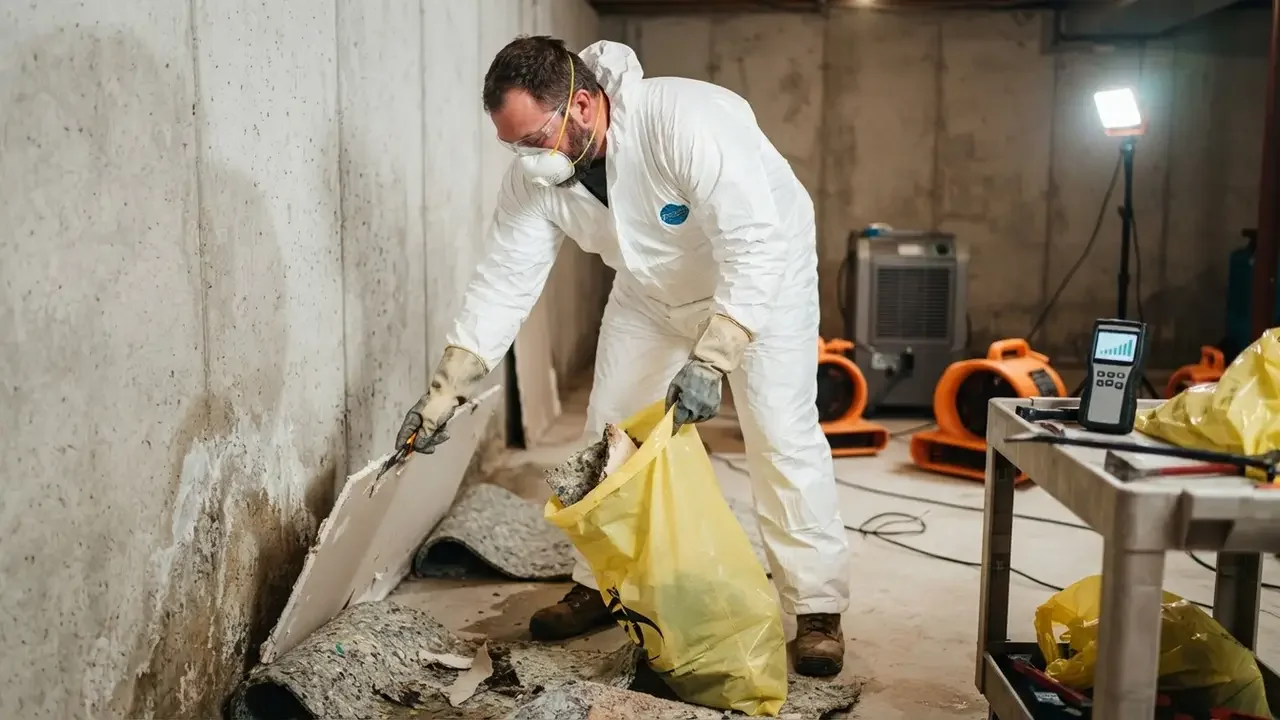
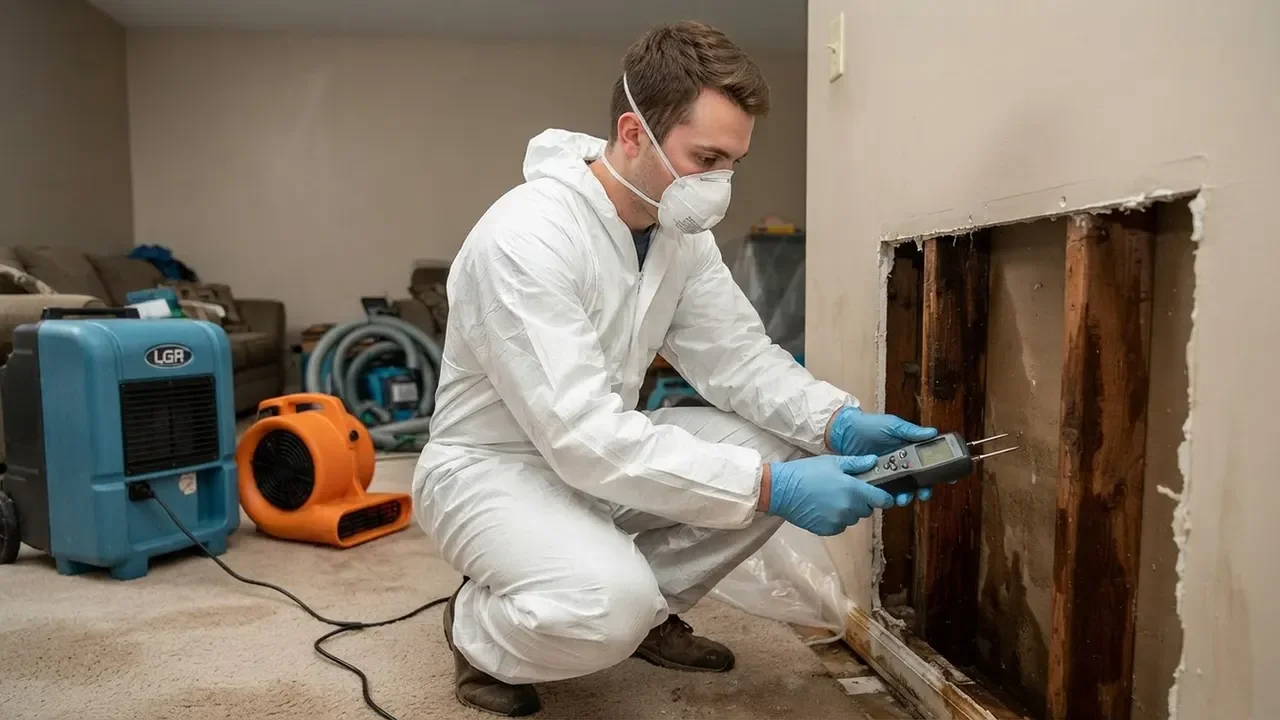
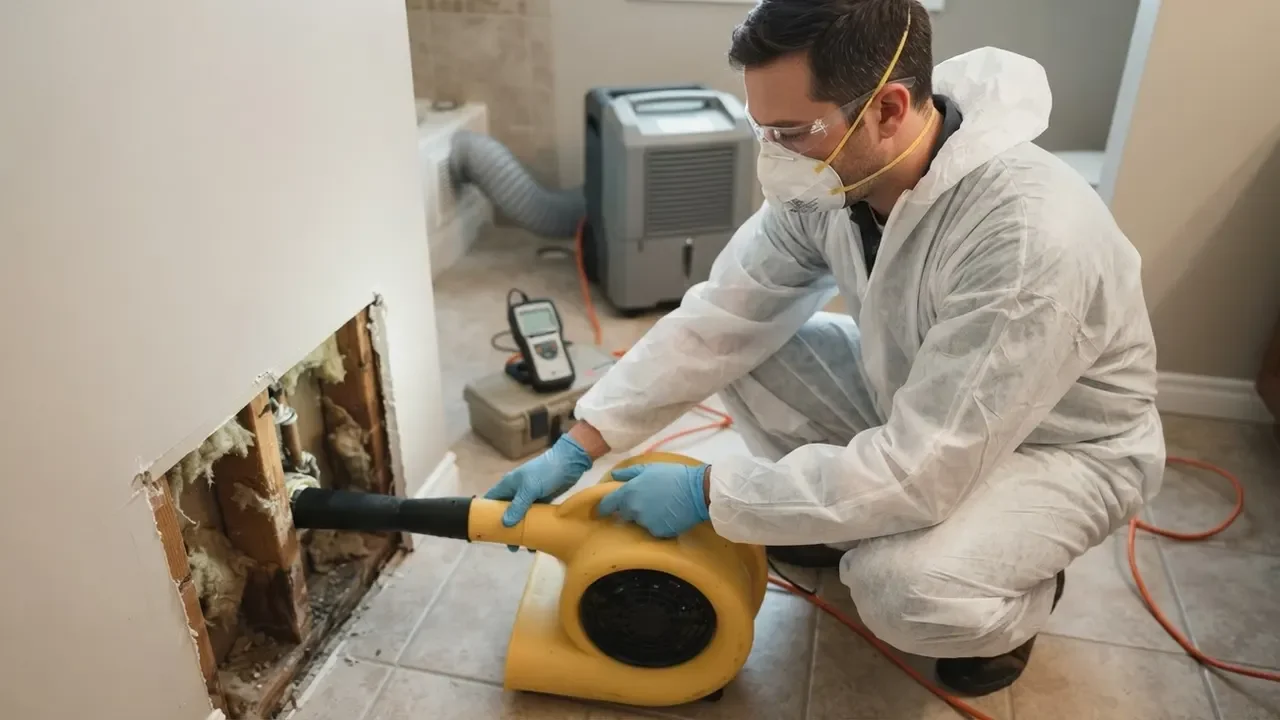
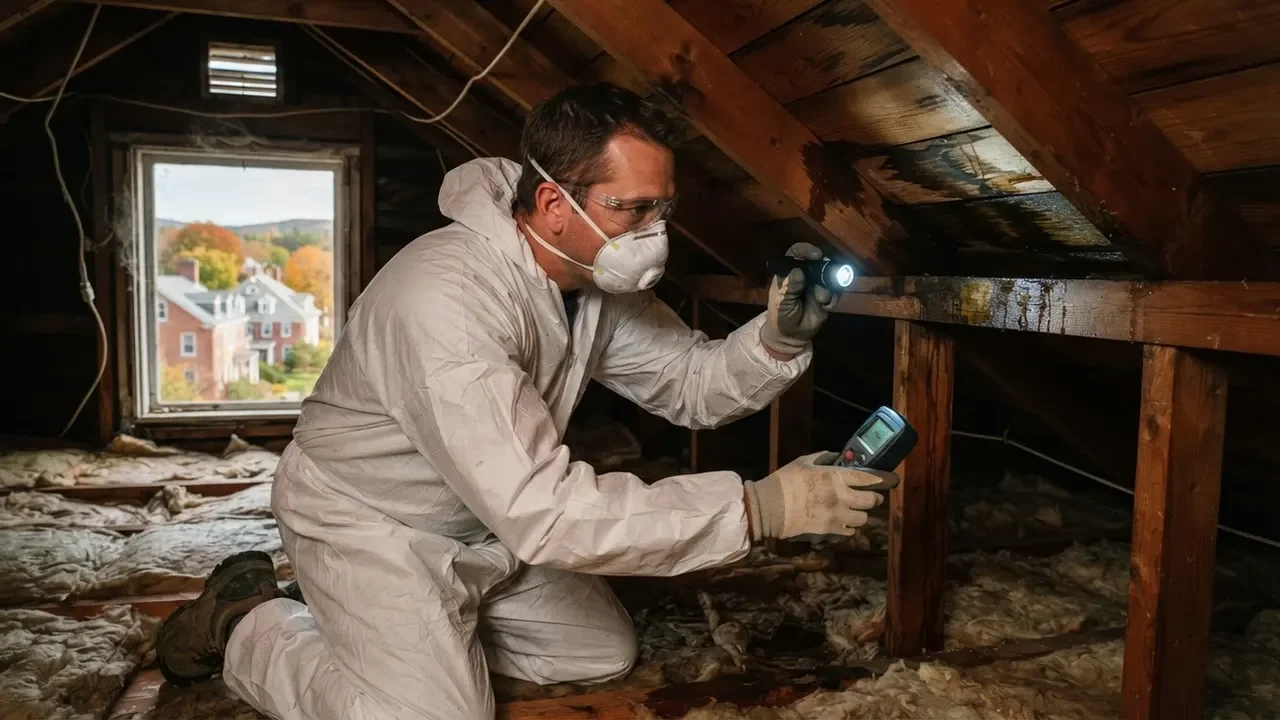
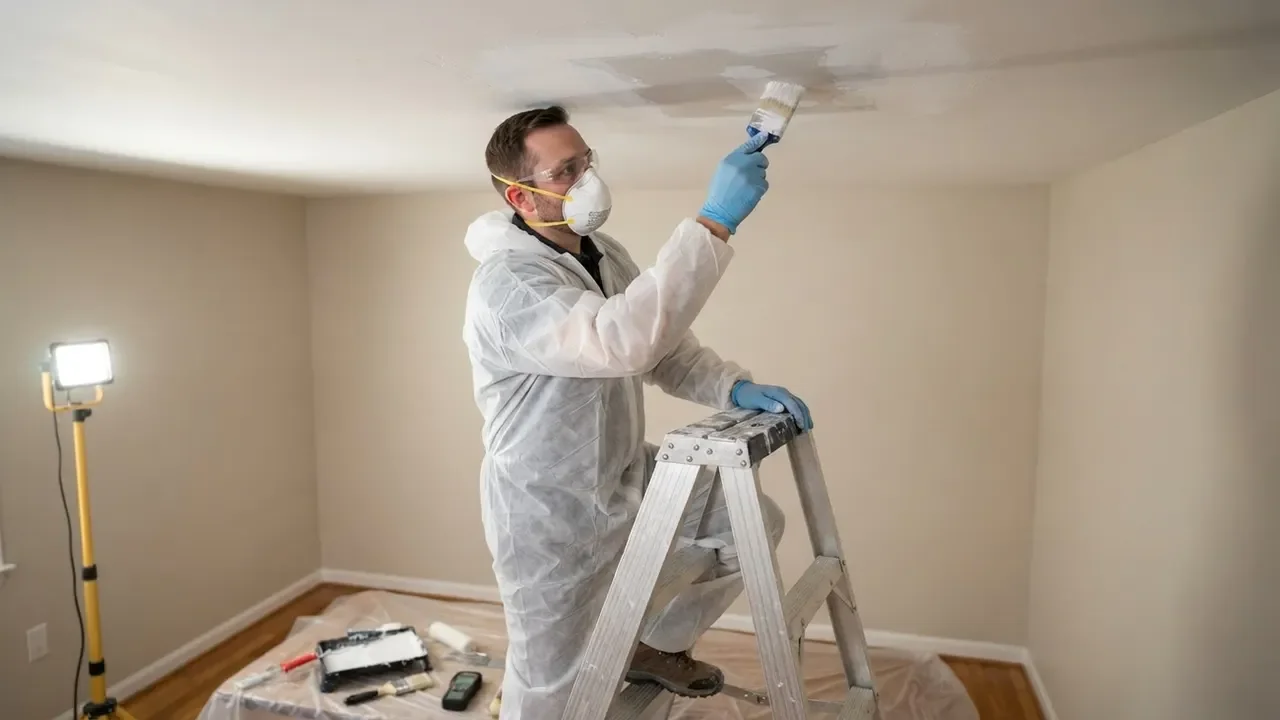
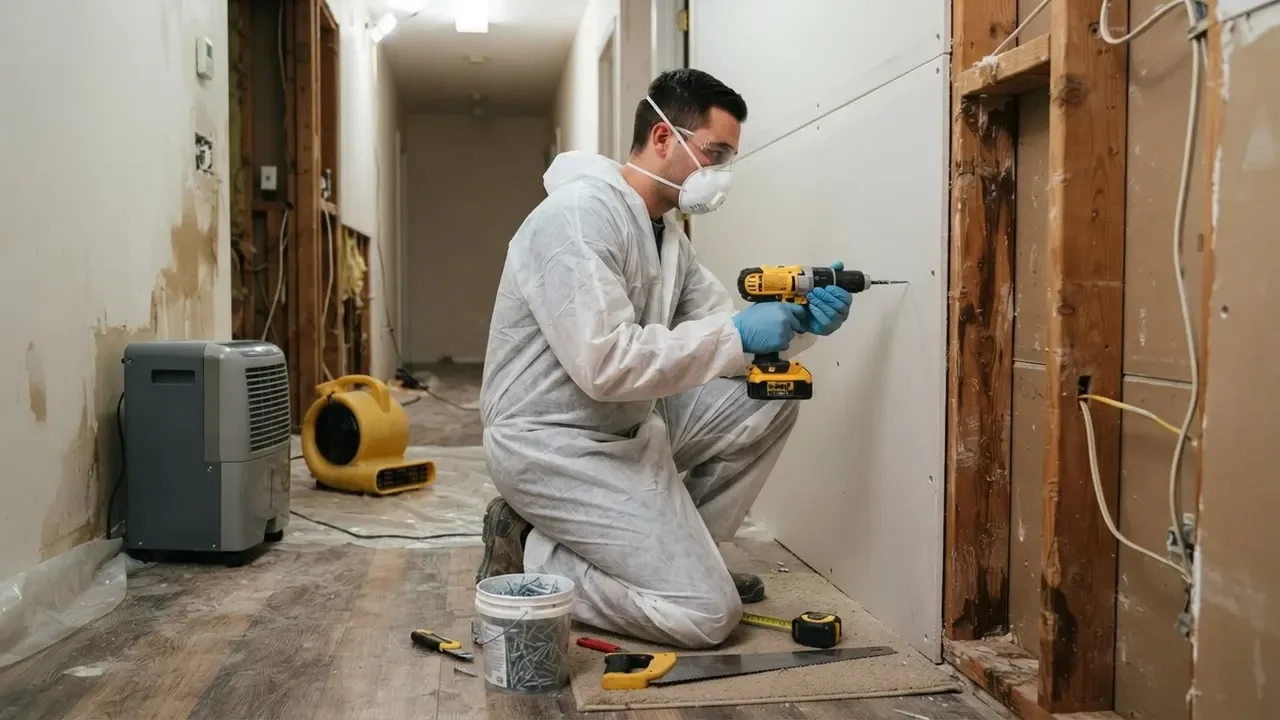
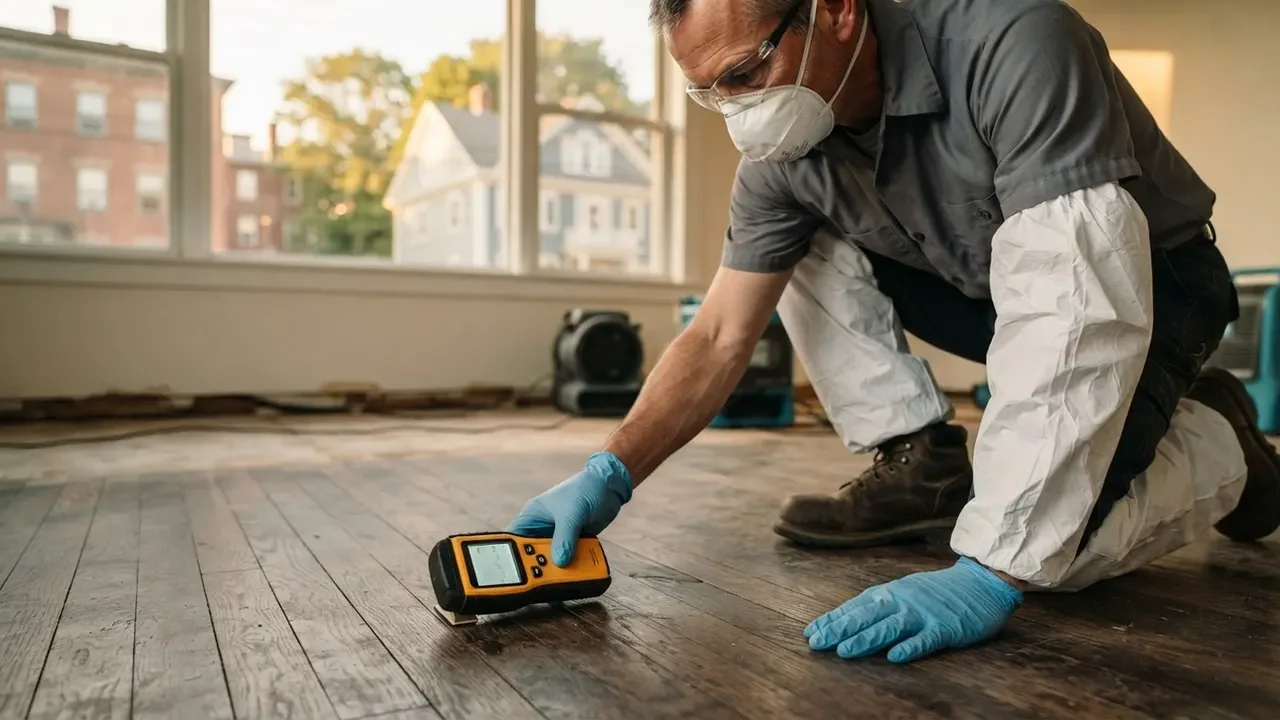
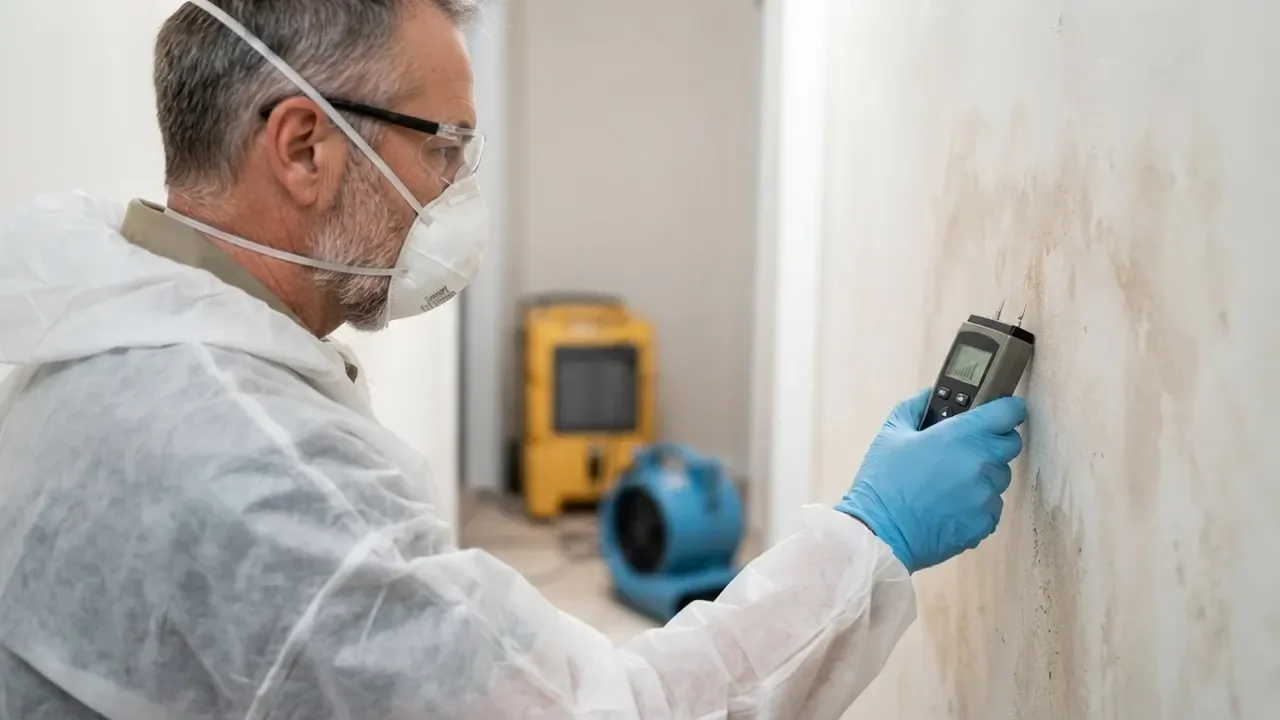
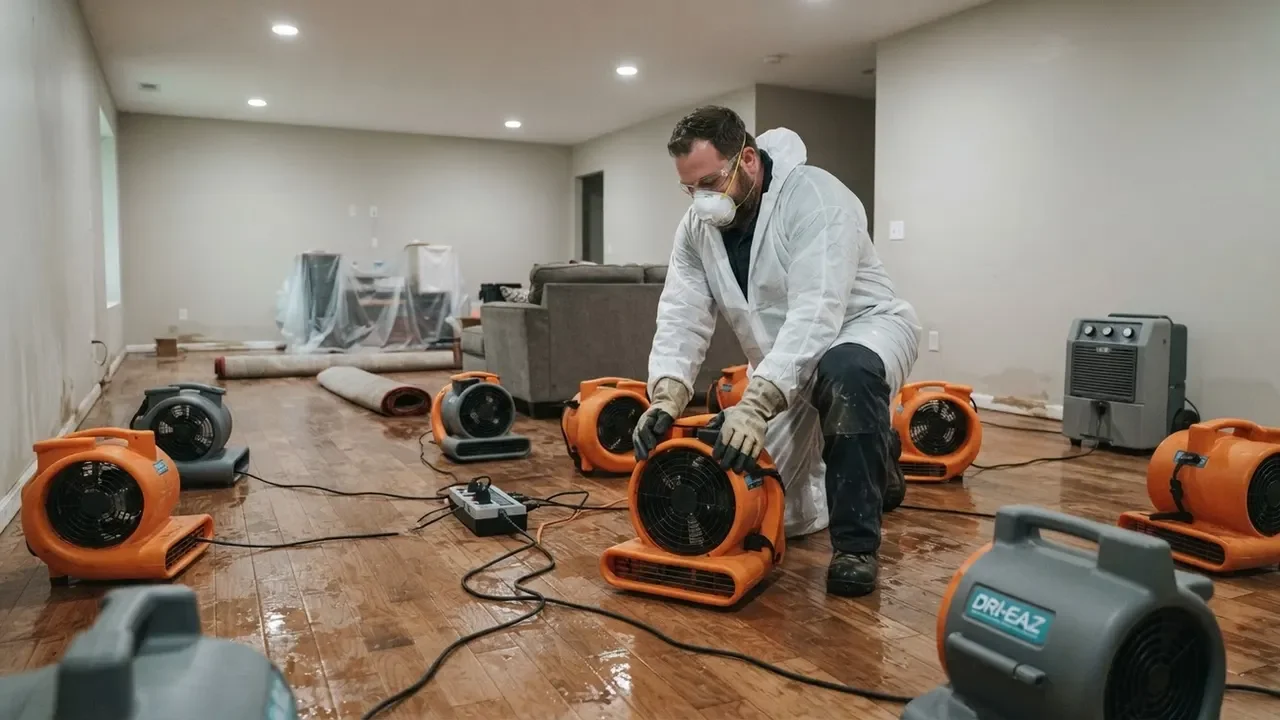
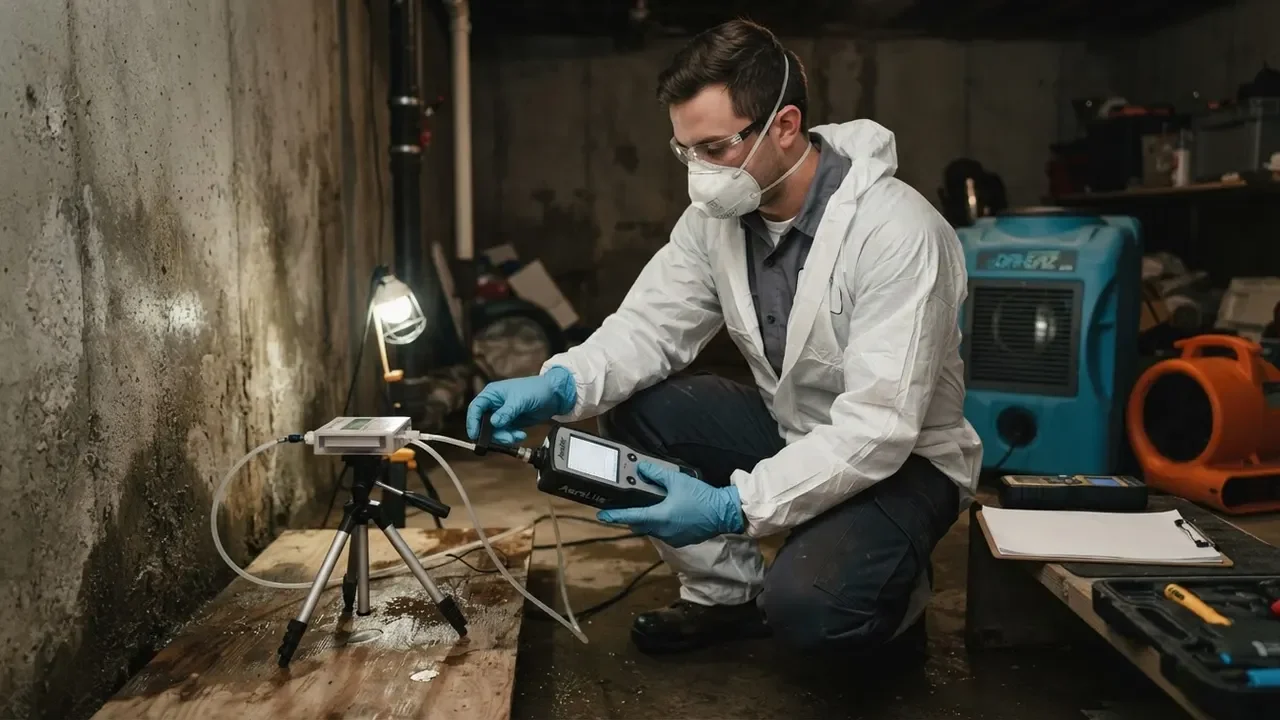
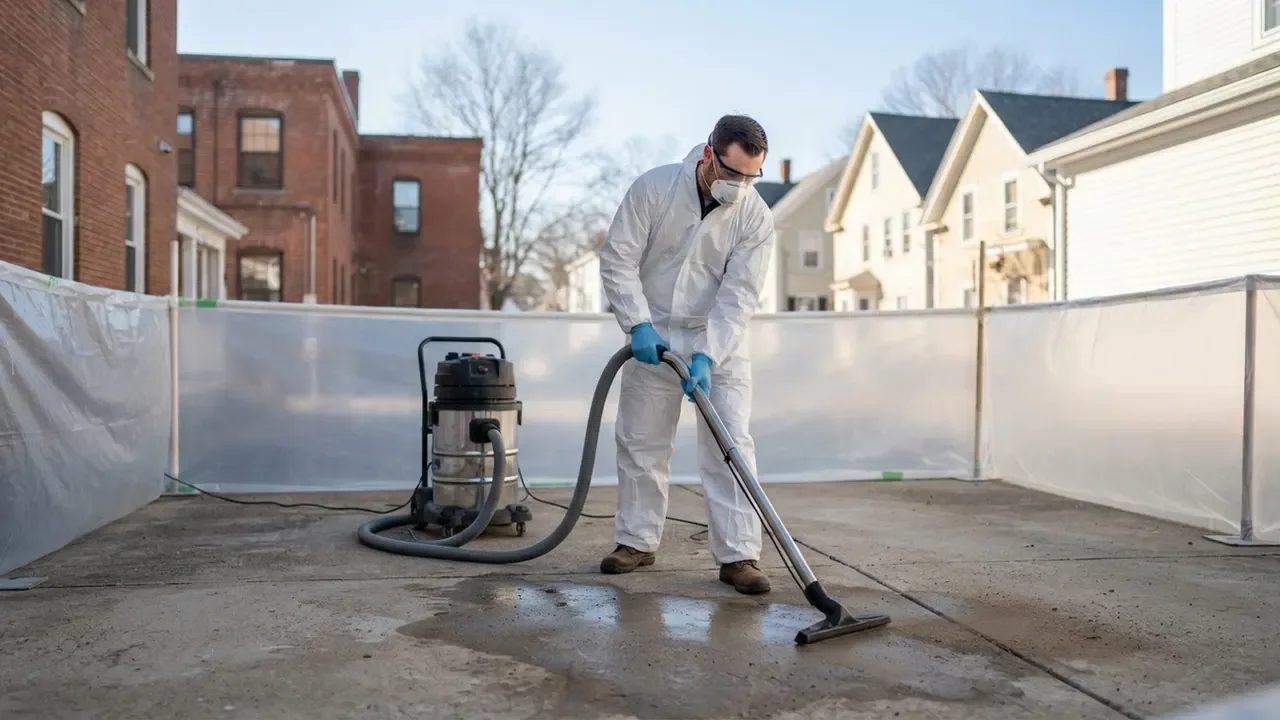
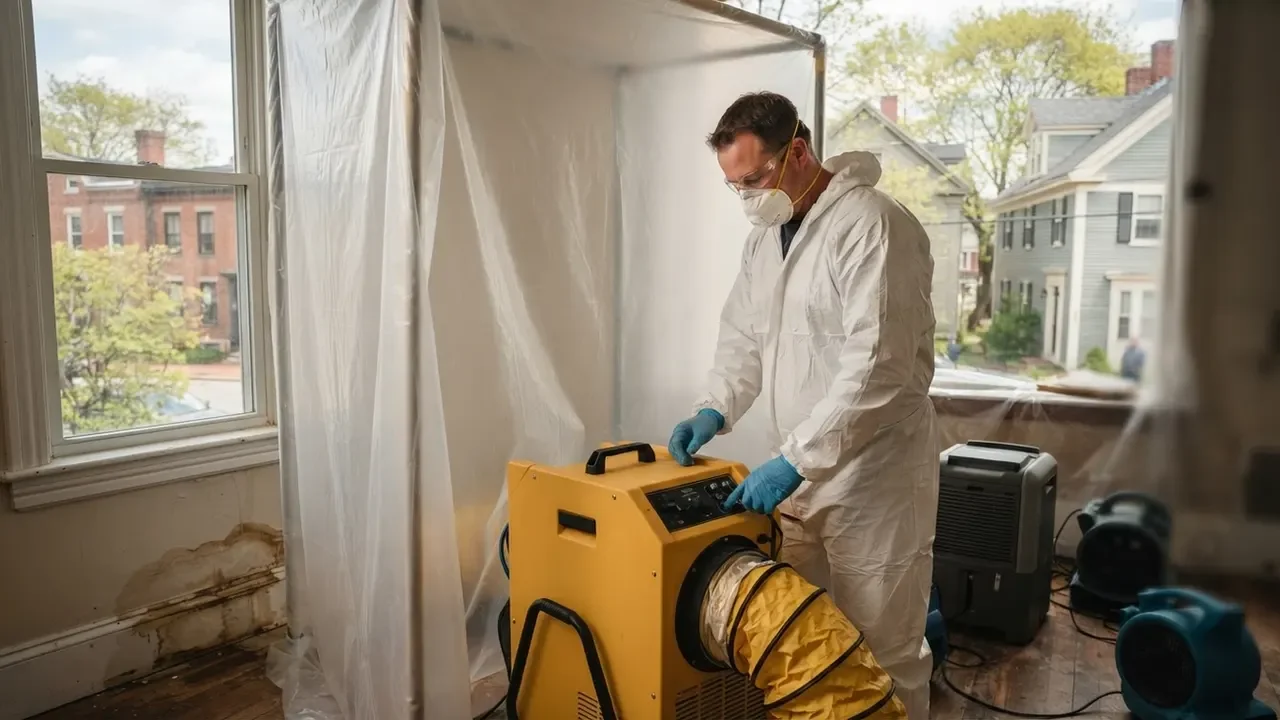
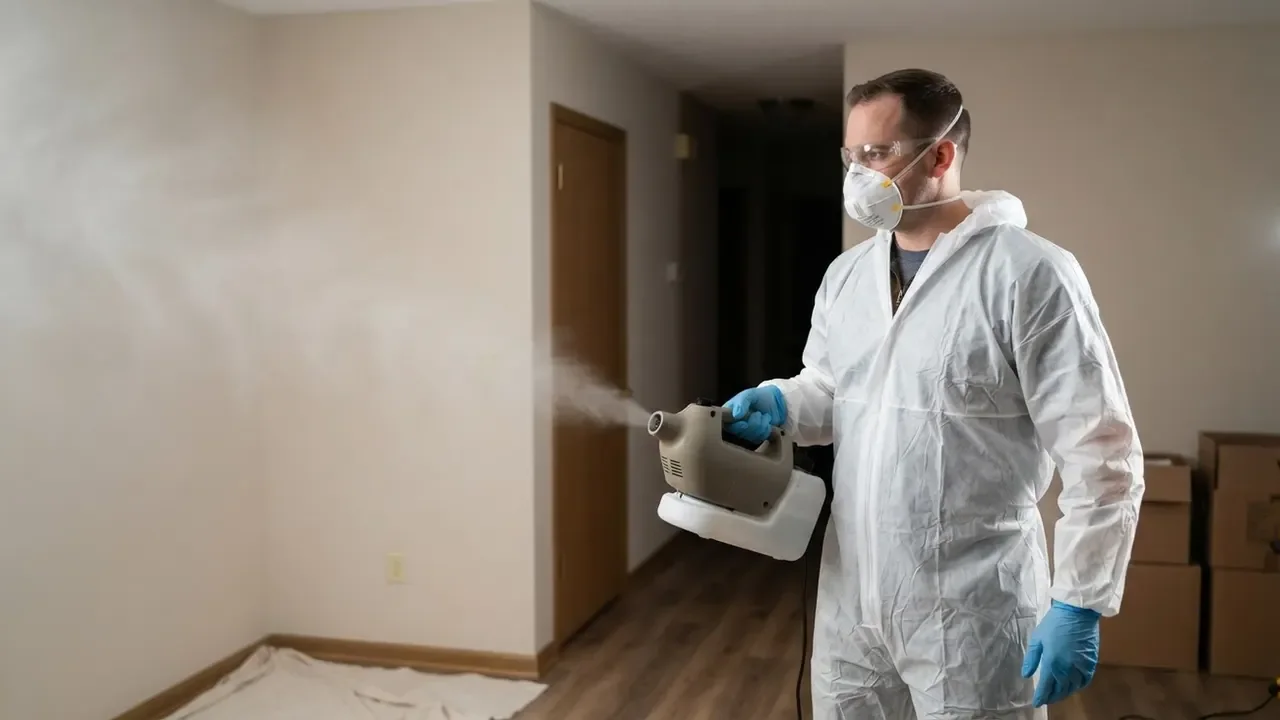
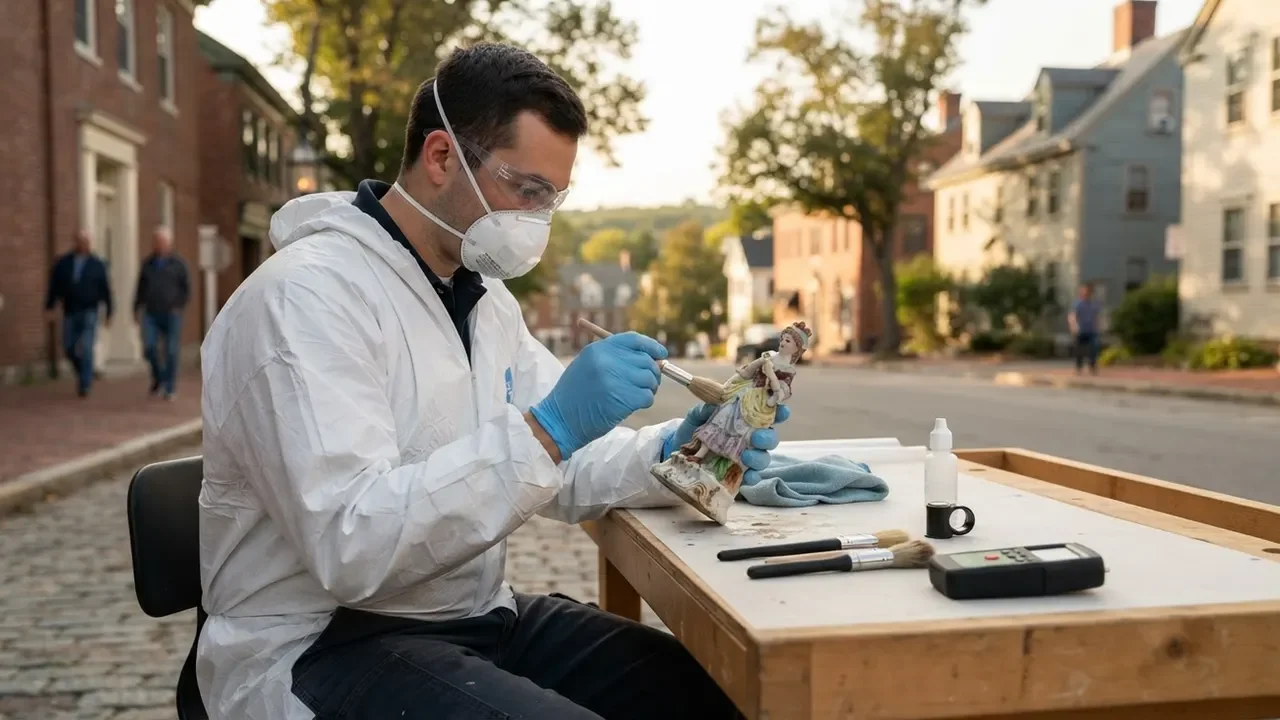
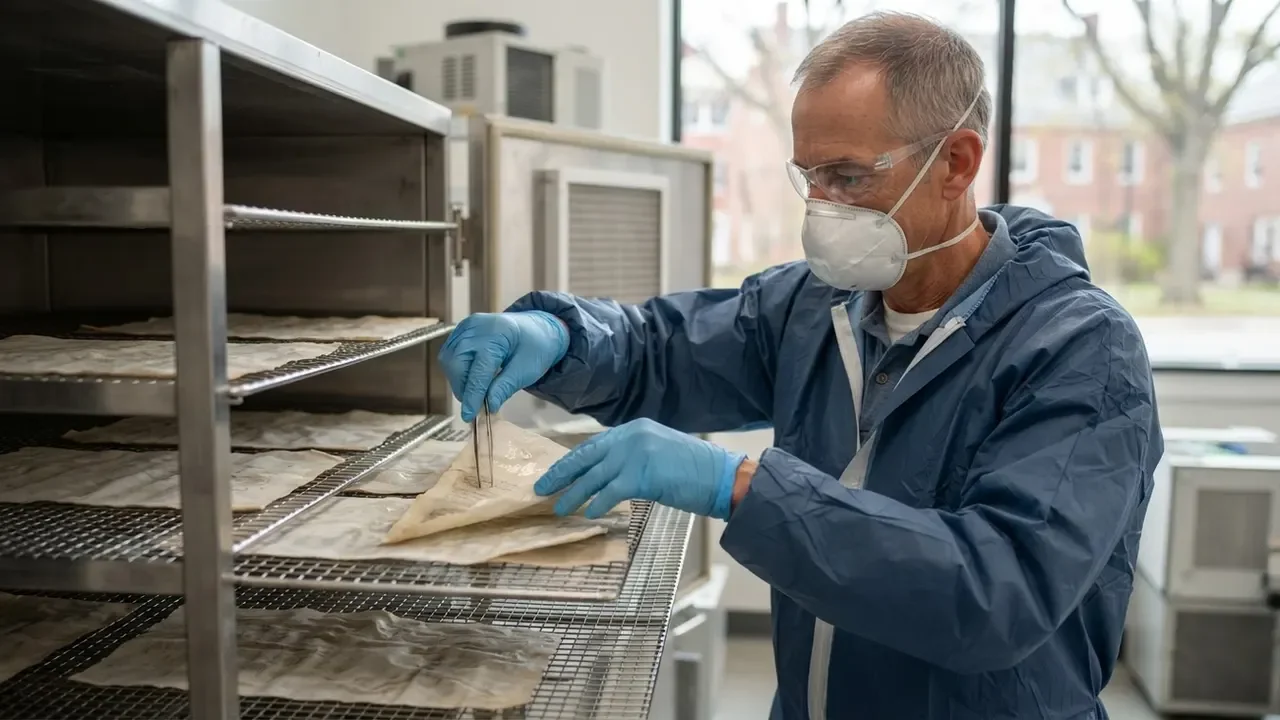
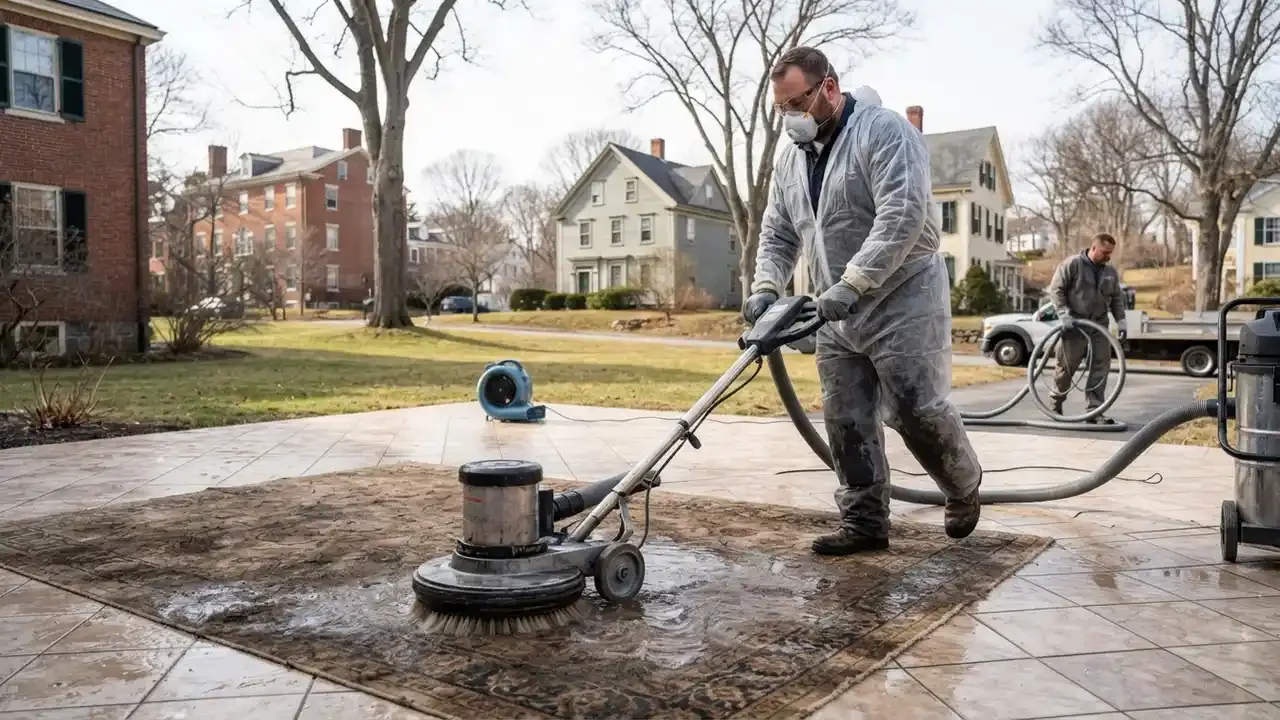

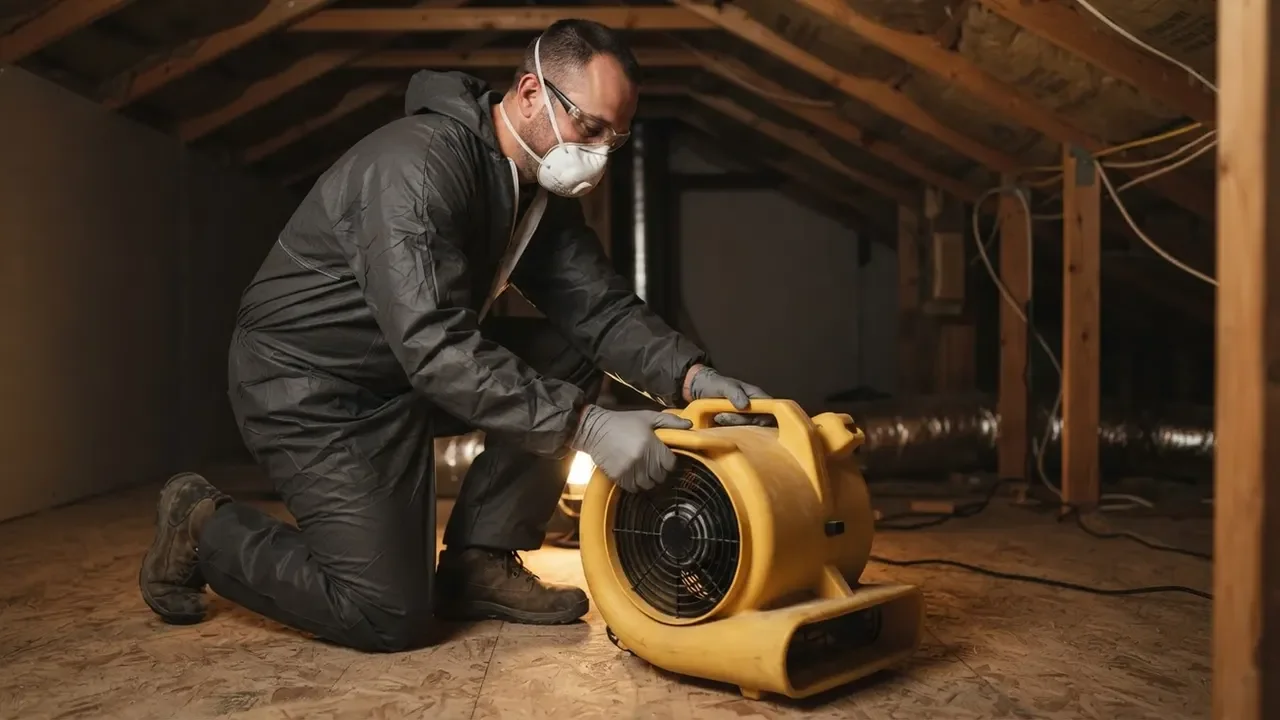
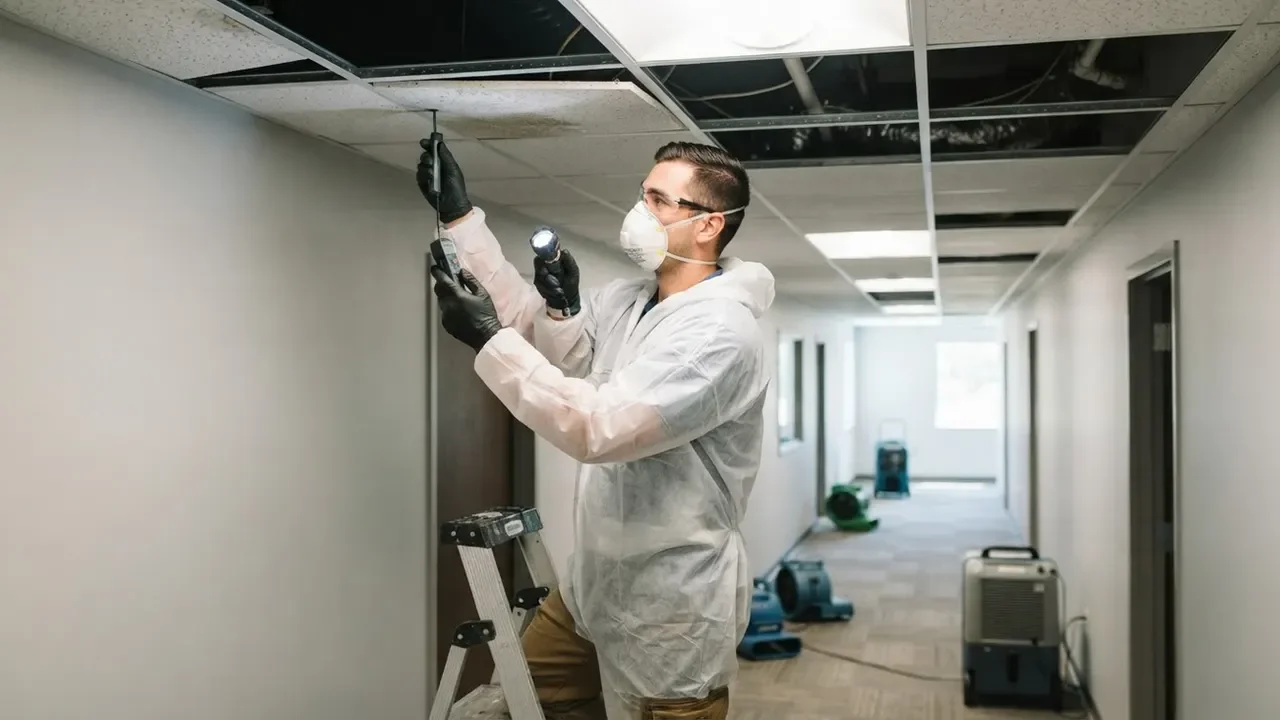
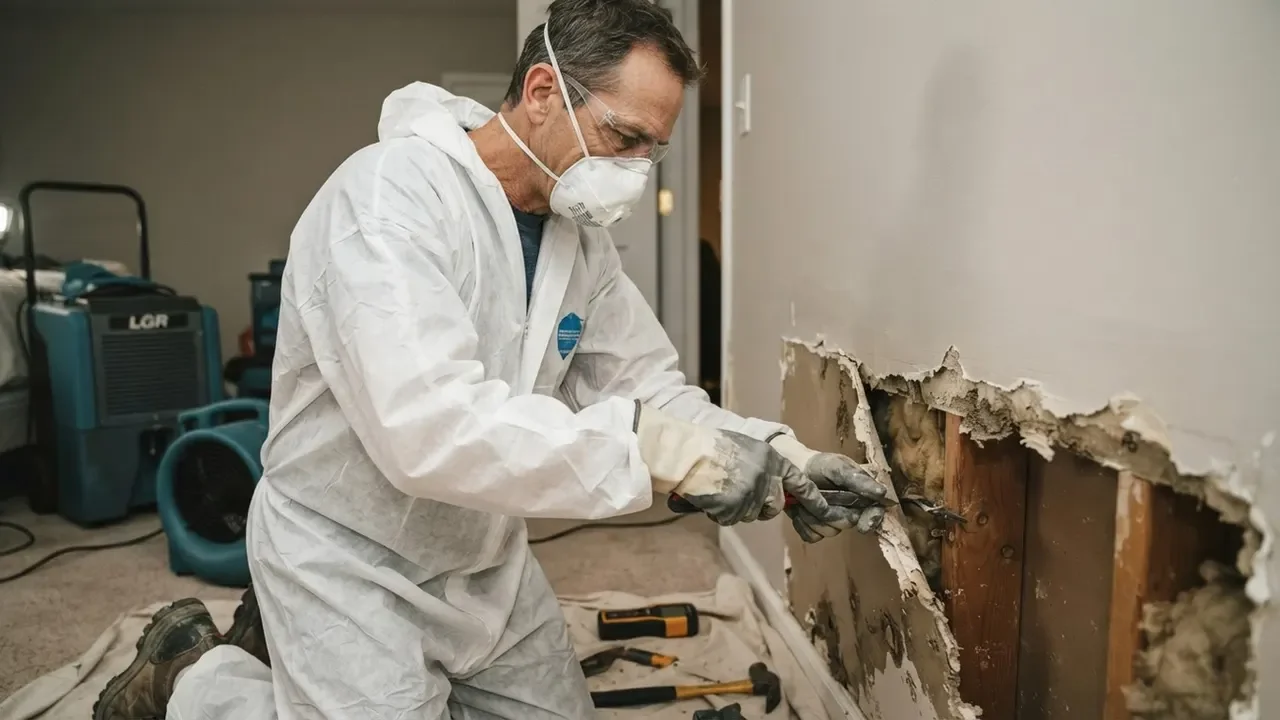
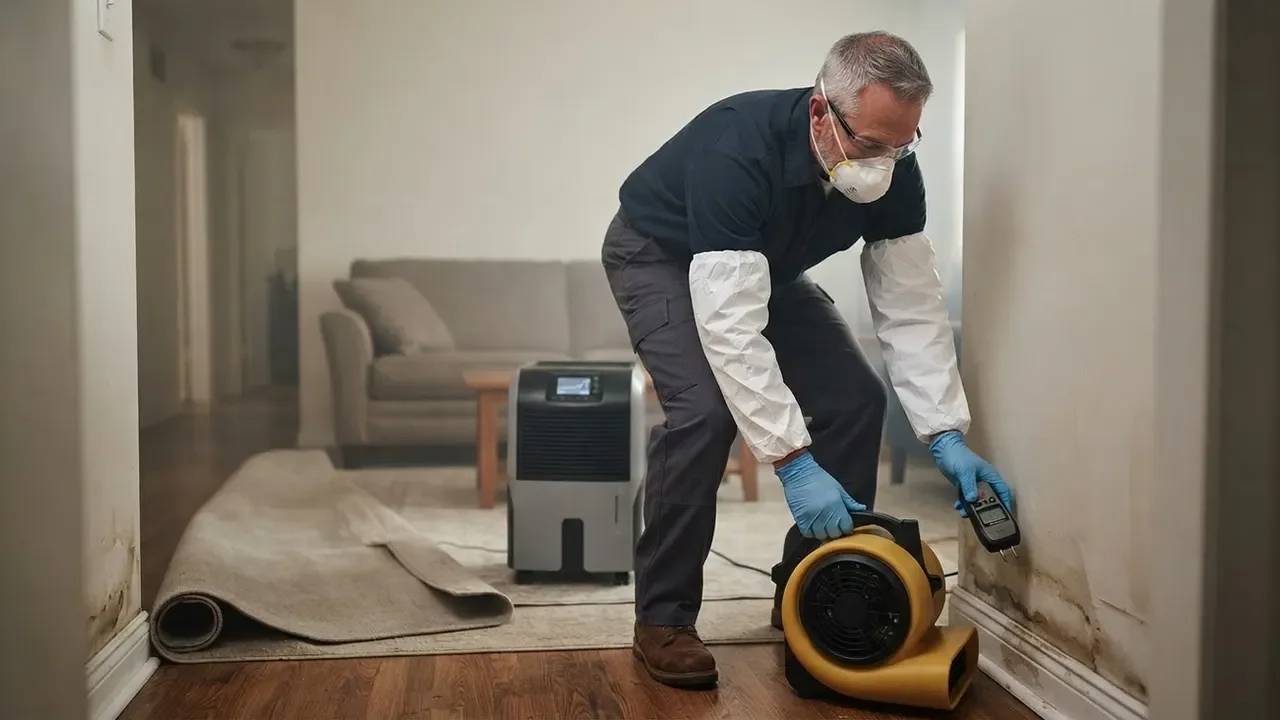
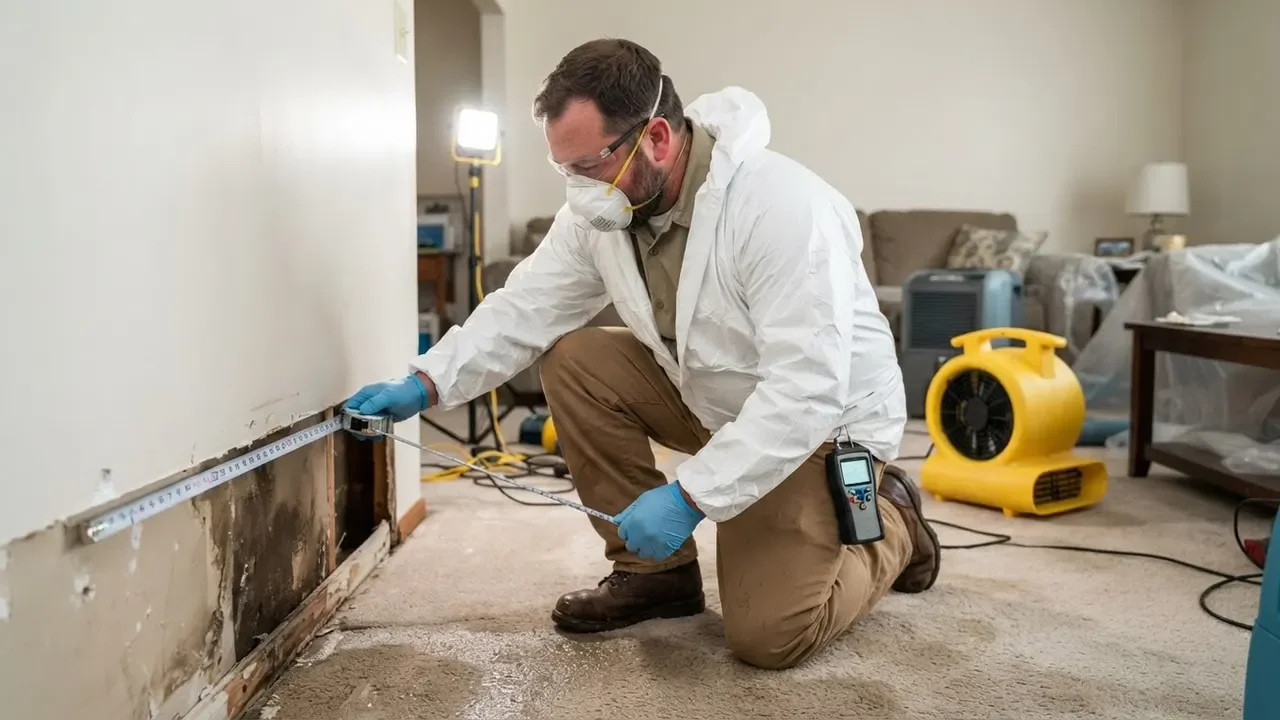
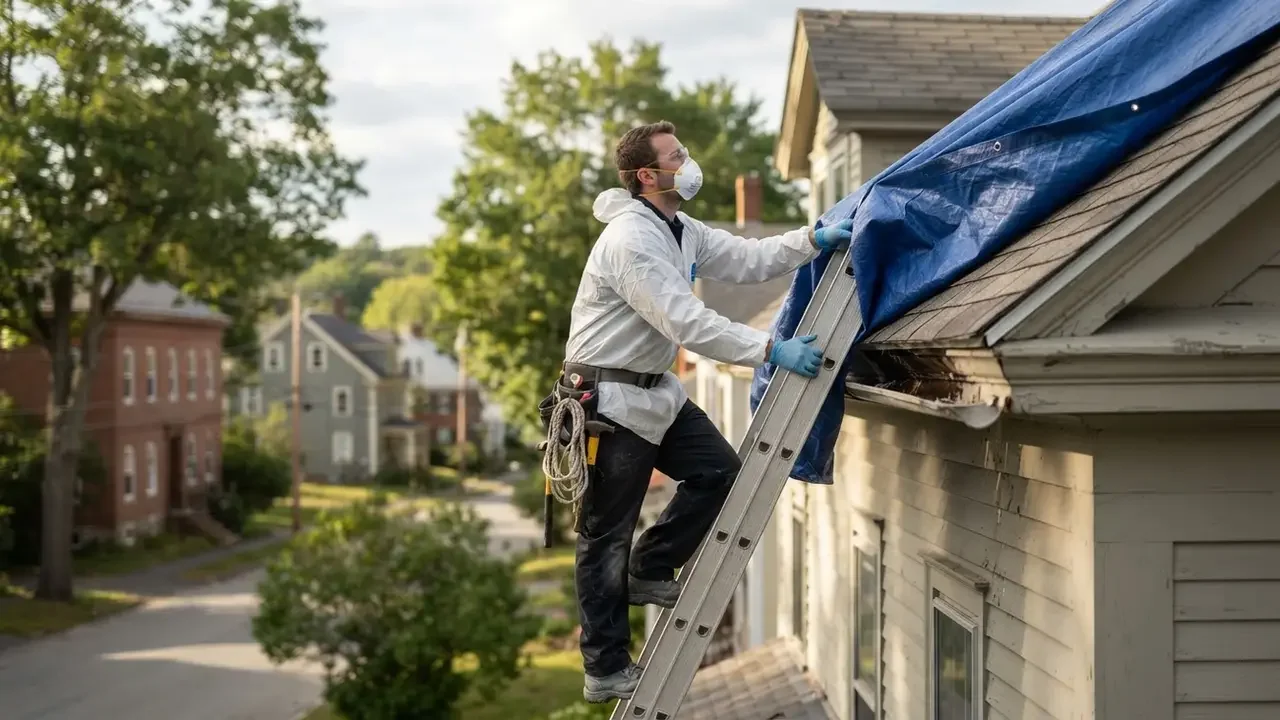
Older plumbing systems, shared walls, and historic brick buildings shape many downtown water-loss calls. Cold winters can expose pipes to freezing, while heavy rain and high river conditions can raise concern about water entry in vulnerable lower levels. The exact cause varies by property; we inspect rather than assume a street or building has the same risk as its neighbor. Downtown Haverhill water damage restoration must also account for mixed materials, from hardwood and plaster to newer drywall, and for businesses or tenants who need a safe route around the work area.
Cold winters can freeze plumbing in exposed, unheated, or poorly insulated areas. When a line splits, water may travel behind walls or down through floors before anyone finds the source. Older plumbing systems downtown can also have concealed runs that make the first visible stain an incomplete map of the loss.
A roof opening can let water pass through attic or upper-floor materials before a stain appears. Historic brick buildings prone to water infiltration may have multiple transitions where wind-driven rain can enter, but each leak needs a direct inspection rather than an assumption based on age alone.
In dense downtown properties, plumbing, ceilings, and floor assemblies can connect spaces occupied by different residents or businesses. A leak that begins in one unit may appear in another, complicating access and responsibility. Water can continue moving while occupants search for the source.
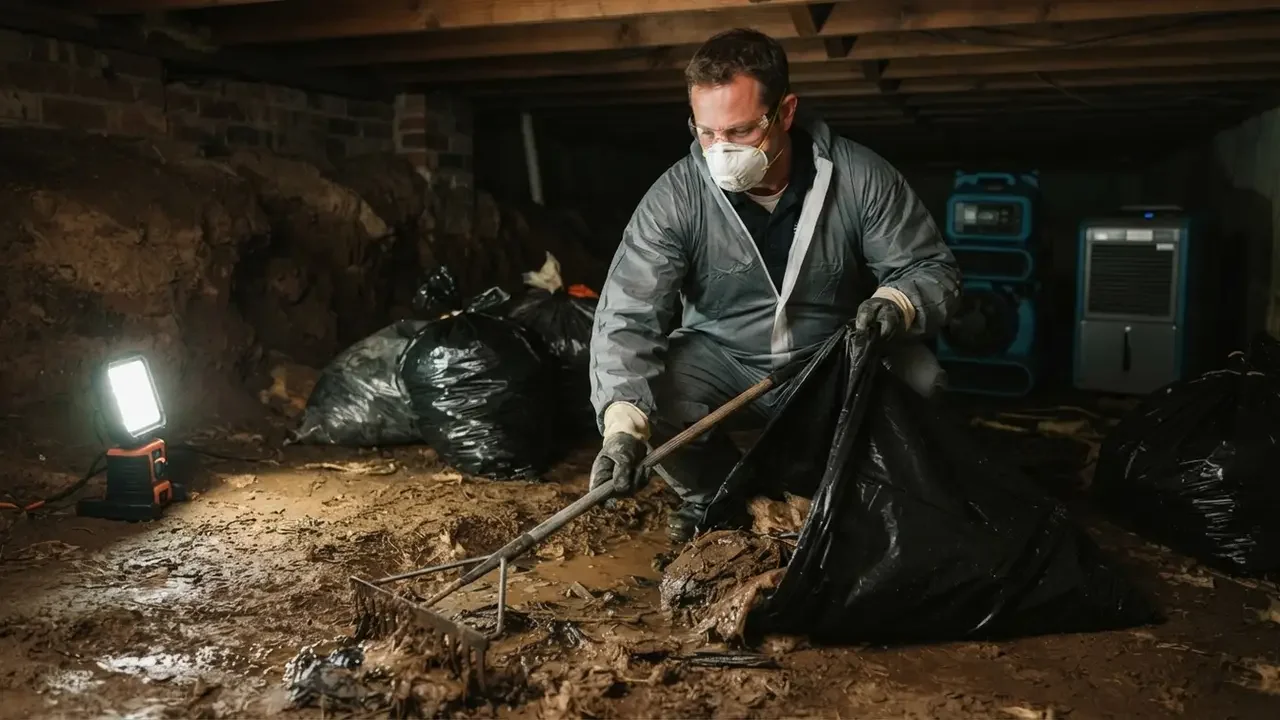
A lower-level water event can result from surface entry, plumbing failure, or a sump pump that does not keep up. Merrimack River flooding risk is a broader local consideration during high-water events, but the cause at an individual property must be established through inspection.
Call when water is still entering, a ceiling is sagging, sewage has backed up, or a floor feels damp beyond the visible spill. Downtown Haverhill buildings often have concealed spaces where moisture travels behind a finished surface, so a small mark can be only the first clue. For 24/7 water damage restoration in Downtown Haverhill, tell us whether the water came from a pipe, storm, appliance, or drain. If safe, shut off the source and keep people away from wet electrical areas while we prepare the response.
Ceiling stains grow after a leak
A spreading brown mark or bubbling paint means water may still be moving above the ceiling. Do not puncture a sagging area; trapped water can release suddenly. We inspect the space above, check framing and insulation, and determine whether the ceiling needs controlled removal before drying.
Floorboards cup or feel soft
Raised hardwood edges or a spongy floor can indicate water below the surface, including at the subfloor. Continued foot traffic can worsen the damage. We check moisture across the floor and perimeter, extract what remains, and monitor the assembly before recommending repair.
A musty odor persists indoors
Musty odors can come from damp carpet padding, a wet wall cavity, or a basement that did not dry fully. Fragrance will not remove the source. We inspect likely moisture paths and use readings to find affected materials, then address drying or remediation based on what is present.
Water appears after a frozen pipe
A pipe can split during a freeze and leak when it thaws, sometimes inside a wall or ceiling. If you see active water, shut off the supply if it is safe and call promptly. We trace the affected area beyond the first drip and begin extraction and drying.
Basement water returns after rain
Recurring water can point to drainage entry, a sump issue, or another source that needs investigation. Repeated wetting can affect stored belongings and lower wall materials. We remove standing water, inspect the floor and wall edges, and check the sump pump and surrounding moisture conditions.
Our crew uses familiar public landmarks to orient around downtown without treating them as service sites. Haverhill City Hall and the Haverhill Public Library help distinguish central blocks when callers describe a nearby street. The Merrimack River is a geographic reference for the broader downtown setting, while the Haverhill MBTA Station helps identify transit-side access. We confirm your street address, entrance, and unit before routing equipment. That matters when a building has a rear entry, shared hallway, or limited curbside unloading space.
Haverhill City Hall is a recognizable civic reference in the downtown area. Callers can use it to describe their general direction, while the exact street address remains the key detail for locating a building entrance.
The Haverhill Public Library is a familiar public landmark for orienting around central Haverhill. It can help clarify which downtown blocks a caller means, but it does not replace the property address or access instructions.
The Haverhill MBTA Station is a transit reference point in the downtown street network. It helps distinguish the station-side approach when discussing access, while equipment routing is confirmed using the service address.
Plus surrounding Essex County neighborhoods, with same-day routing on most appointments.
As November turns toward winter, frozen pipes and heating interruptions become immediate concerns in Downtown Haverhill. Cold conditions can stress plumbing in exterior or underheated spaces, while snow and rain can expose roof and drainage weaknesses. Spring brings thaw and wet-ground conditions; summer storms can drive rain into openings; fall is the time to clear drainage paths and check for leaks before temperatures drop. If you need emergency water damage restoration in Downtown Haverhill Massachusetts, tell us what changed and when you first noticed it so we can trace the source.
Thawing ground and periods of rain can reveal basement seepage, roof leaks, or drainage problems that were less visible during colder months. Check lower-level corners and stored items after wet weather. A returning damp mark deserves inspection before it becomes a larger drying job.
Tip: Keep floor drains clear and test your sump pump before the next stretch of rain. Move boxes off basement floors, and call if water returns after you have removed it.
Summer storms can bring wind-driven rain, roof openings, and sudden water entry. Higher indoor humidity can also slow drying after a leak. In a multi-unit building, report a ceiling stain promptly so the source can be checked before water spreads to another room.
Tip: After a storm, inspect ceilings and upper-floor corners for fresh staining. Keep a clear path to the affected room and avoid using wet electrical equipment.
Fall is a useful time to spot roof or plumbing issues before freezing temperatures arrive. Leaves and debris can obstruct drainage paths, while small leaks around windows or roofs may become more damaging in winter weather. Check unheated areas where pipes are exposed.
Tip: Repair known leaks, keep vulnerable spaces heated, and learn where the main water shutoff is located. If you find damp insulation or a new ceiling mark, have it inspected.
Winter brings the strongest frozen-pipe concern, particularly during prolonged cold or a heating interruption. A burst pipe may release water inside a wall before a stain appears. Snow and ice can also contribute to roof water entry, so check upper ceilings after storms.
Tip: Keep heat consistent in rooms with plumbing and open cabinet doors where appropriate to let warm air circulate. If a pipe freezes or bursts, shut off water if safe and call for extraction.
Downtown is one part of our wider Haverhill service area. We coordinate calls across neighboring communities and districts so you can reach the same restoration team when water damage affects a home, apartment, or business outside the central blocks. Tell us the property location, water source, and whether water is still entering. Our regional coverage includes ZIP code 01831 alongside downtown ZIP codes, with nearby service pages for more local details.
(City)
Riverside is another Haverhill service area, connected to Downtown Haverhill through local streets and shared municipal services.
View Riverside(City)
Mount Washington is a Haverhill-area service location north of the downtown core, handled through the same regional dispatch.
View Mount Washington(City)
Bradford sits across the Merrimack River from central Haverhill and is part of the same local service region.
View Bradford(City)
Ward Hill is a Haverhill district beyond the downtown blocks, included in our broader local coverage.
View Ward Hill(City)
Highlands is a nearby Haverhill service area, with calls coordinated alongside Downtown Haverhill requests.
View Highlands(City)
Ayers Village is part of the wider Haverhill service footprint, reached through the same local response network.
View Ayers VillageReal answers from our team for the questions we hear most often before a job starts.
If water is spreading through your Downtown Haverhill home, apartment, or business, call Haverhill Water Damage Restoration at (833) 546-4116. Our 24/7 emergency line connects you with a team ready to discuss the source, affected rooms, and access details. We will help you move from active water to extraction and a measured drying plan. Give us your street address and unit information so we can prepare for the building.
Call (833) 546-4116 when water is entering your home or business, or when a damp room needs inspection. Our referral line is available 24 hours a day to connect you with independent companies serving Haverhill, MA, including areas near 01831 and 01835. Tell us what happened, where the water is, and whether it is still flowing.
Phone
(833) 546-4116Address
Haverhill, Massachusetts
Hours
Mon–Fri: 7AM – 7PM
Sat: 8AM – 4PM
Sun: Emergency Only
24/7 Emergency Available