Haverhill Water Damage Restoration
Call (833) 546-4116

Carpet Water Extraction Haverhill MA: Dry Floors

We remove trapped water and protect your flooring


Carpet water extraction Haverhill MA helps homeowners, renters, and local businesses recover after leaks, flooding, and wet-weather damage. We extract water from carpet and rugs, check the padding and subfloor, then set drying equipment where needed. Our rug cleaning and water removal Haverhill MA service starts with the source and the material, so you get a practical plan for the room rather than a quick surface pass.

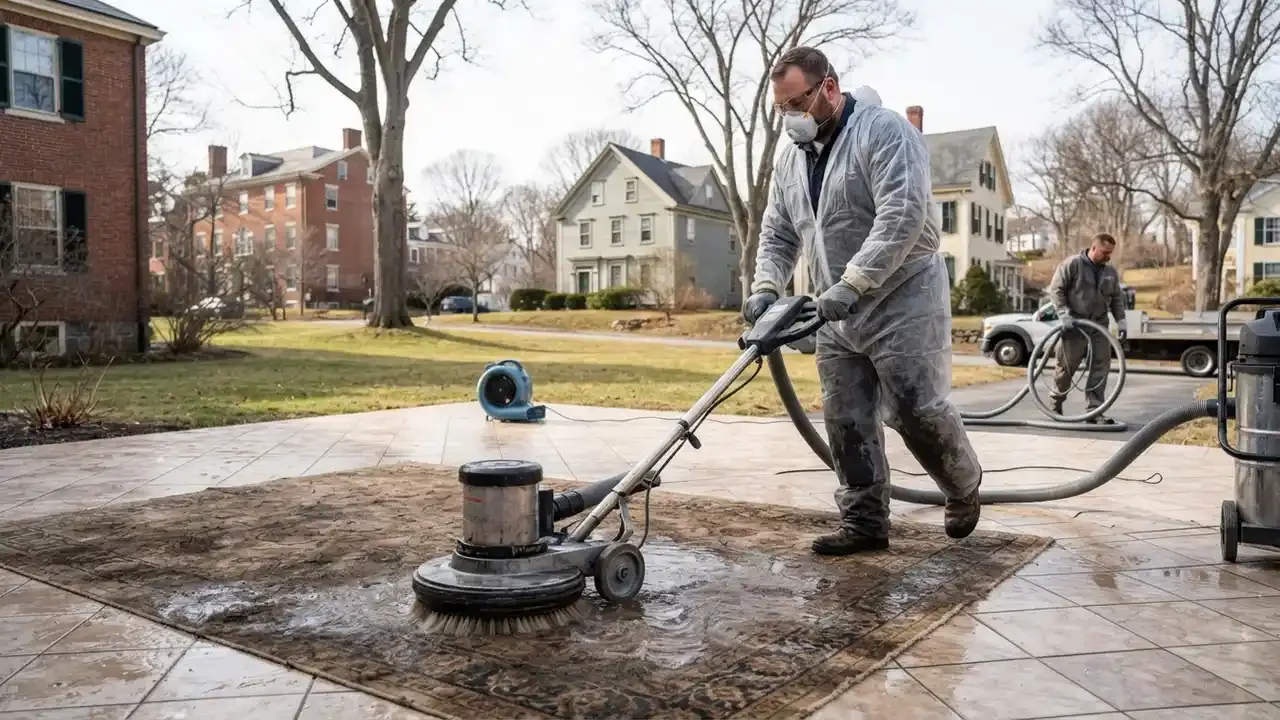
Carpet and Rug Water Extraction and Cleaning in Haverhill: restoration technician using a deep-cleaning rotary machine on a
24/7 Emergency Same-Day Response
Warranty Backed Workmanship Guaranteed in Haverhill

What's Included in Carpet Extraction

Carpet and rug extraction includes an assessment of the water source and affected floor, controlled removal of water, and moisture checks to guide drying. We also inspect accessible padding and nearby floor edges. If contamination, damaged materials, or a separate plumbing or building repair is involved, we explain the connected work needed rather than treating every loss as routine carpet cleaning.

Affected-Area Inspection

We map visible wet areas, check carpet edges and transitions, and take moisture readings at affected points. This helps identify whether water has moved beneath furniture or into an adjoining room. You receive a clear explanation of the materials and rooms included in the cleanup.

Water Extraction Passes

We use an extraction wand to remove water from carpet fibers and backing, making controlled passes across the affected zone. The number of passes depends on saturation and carpet construction. We check progress during extraction rather than relying on a single surface impression.

Padding Condition Check

We inspect accessible carpet padding and determine whether it can be dried in place or needs removal. Padding holds moisture longer than the pile, so this check is important after a leak or flood. We explain the finding and how it affects the drying plan.

Drying Equipment Setup

When readings show that moisture remains, we position air movers and a dehumidifier to support controlled drying. Placement reflects room size and wet materials, not a one-size-fits-all layout. We explain equipment use and what to expect during the drying period.

Progress Readings

We compare follow-up moisture readings with the initial conditions and a dry reference area. Those readings help determine whether drying is progressing or whether the plan needs adjustment. You receive a practical update on the carpet and related flooring.

Carpet Water Extraction Haverhill MA


Carpet water extraction Haverhill MA is a water-damage cleanup service that removes standing water from carpet and rugs and supports controlled drying after a leak or flood. We inspect the affected floor, identify the water source, and check moisture in the carpet, padding, and subfloor before choosing an extraction method. A high-capacity extraction wand removes water that household vacuums leave behind. We then position air movers and a dehumidifier as needed, tracking readings with a moisture meter instead of judging dryness by touch alone.

Haverhill homes and commercial spaces face wet carpet after a burst pipe, frozen pipe, roof leak, or basement flooding. In older rooms, water can travel beneath baseboard and into carpet padding before the surface looks saturated. We serve Essex County, including Bradford, Downtown Haverhill, and Riverside. If you are searching for carpet water extraction near me Haverhill MA, we assess the water category and how long the flooring has been wet, then explain the next steps and expected drying checks.
What to Expect

Carpet water extraction Haverhill MA follows a practical sequence: stop ongoing water entry, inspect the affected materials, extract, and verify drying. We explain what we find as we work, keep equipment placement purposeful, and coordinate the next step if the damage extends beyond the carpet.

01

Schedule

Call or book online — a real human picks up and confirms a 2-hour arrival window.

02

Diagnose

A tech inspects on-site, then walks you through the cause and your options.

03

Fix

The job is completed to code and done right the first time — no shortcuts, no surprises.

04

Guarantee

Every job backed by a written workmanship warranty — and we stand behind it.

Tools and Drying Methods

Tools & Equipment

Moisture meter

We measure moisture in carpet edges and accessible building materials, then compare affected readings with a dry reference. Repeat readings help track drying instead of relying on touch or appearance.

Extraction wand

The extraction wand draws water from carpet fibers and backing through controlled passes. We adjust the approach to the affected area and check whether additional extraction is needed.

Air mover

An air mover directs airflow across wet carpet to support evaporation. We place it to reach the affected surface while keeping access and equipment safety in mind.

Dehumidifier

A dehumidifier removes moisture from room air as water evaporates from carpet and nearby materials. We use it when readings and room conditions show that controlled drying is needed.

Thermal imaging camera

A thermal imaging camera can show temperature patterns that guide further inspection. We confirm suspected wet areas with direct moisture readings before making decisions about extraction or drying.

HEPA vacuum

A HEPA vacuum supports cleanup of dry debris and particulates during appropriate restoration tasks. It does not replace water extraction, but helps keep the work area cleaner when debris is present.

Methods & Standards

ANSI/IICRC S500-informed assessment

We consider the water source, affected materials, and extent of wetting before deciding how to extract and dry. ANSI/IICRC S500 provides a recognized framework for water-damage restoration. Applying that approach helps distinguish a clean-water carpet loss from a contaminated incident that needs different handling.

Controlled extraction

We work from wetter sections toward drier areas, making measured passes with the extraction wand and checking results during the job. This limits unnecessary spread and helps remove water from the carpet backing. The method changes with carpet type, saturation, and access to the padding.

Targeted structural drying

After extraction, air movement and dehumidification are set according to room conditions and moisture readings. We check affected points again and adjust equipment if drying stalls. The goal is to dry the carpet and connected materials, not simply run equipment for a preset number of hours.

Material and contamination screening

We identify whether the wet material is carpet, a specialty rug, or a floor transition and ask what caused the loss. Clean supply water, storm intrusion, and sewage require different handling. That screening helps determine whether cleaning is appropriate or porous materials need controlled removal.

When to Call for Extraction

01

A Frozen Pipe Breaks Overnight and Water Runs Across a Haverhill Bedroom Before the Shutoff Is Found.

What we do: Once the water is stopped, we inspect the carpet and adjoining floor, then extract the standing moisture. We check padding and baseboard edges and position drying equipment according to readings. If water reached more than one room, we map the spread so no wet section is overlooked.

→ The room moves from active saturation to a measured drying plan, with clear information about carpet recovery and any materials that need additional attention.

02

Heavy November Rain Enters a Bradford Basement and Soaks an Area Rug Beside the Foundation Wall.

What we do: We remove the rug from continued contact with the wet floor when practical, assess the fibers and backing, and extract water from both the rug and affected carpet. We check for water travel along the wall and identify whether the entry point needs separate repair.

→ The rug and floor receive material-appropriate attention, while the wet perimeter is checked instead of being hidden beneath stored belongings.

03

A Second-Floor Appliance Leak Wets Hallway Carpet and Threatens a Riverside Condo Unit Below.

What we do: We extract the hallway carpet, check the threshold and nearby wall edges, and communicate the affected area for building coordination. Moisture readings help identify whether water continued through the floor assembly. We set drying equipment where the readings show it will be useful.

→ The wet area is documented and drying is directed at the affected materials, helping property managers coordinate the next inspection and repairs.

04

A Roof Leak During a Winter Storm Drips Through a Ceiling and Leaves Carpet Damp in a Downtown Haverhill Room.

What we do: We address the affected carpet after the leak is contained, inspect the area beneath the drip path, and check nearby baseboard and flooring. Extraction removes water from the carpet while the ceiling and roof damage are assessed separately. We monitor the floor as drying proceeds.

→ The carpet is treated alongside the wider leak response, reducing the chance that a repeat drip undoes the floor-drying work.

How Carpet Extraction Works in Haverhill

Carpet extraction in Haverhill has to account for cold-season pipe breaks, wet-weather basement leaks, and older rooms where trim and flooring meet tightly. During November and winter, a frozen pipe can send water beneath carpet before the shutoff is reached; in spring, runoff and heavy rain can expose basement entry points. We check the carpet, padding, subfloor, and baseboard edges rather than assuming the visible stain marks the full wet area. Our rug cleaning and water removal Haverhill MA service includes a source-based assessment, and we use readings to guide drying. For carpet and rug water extraction in Bradford Haverhill, access, room layout, and adjoining floor materials all affect equipment placement. We serve Essex County properties in 01832, 01830, 01835, and 01831. If your home has a finished lower level, tell us whether a sump pump ran, whether water is still entering, and how long the carpet has been wet. That information helps us focus the first inspection.

Neighborhoods We Serve

  • Bradford

    Finished lower levels and rooms beside foundation walls can hide moisture beneath rugs or carpet edges. We check the perimeter as well as the visible wet patch.

  • Downtown Haverhill

    Multi-unit buildings can involve hallway thresholds and adjoining spaces. We identify which carpeted areas are affected and coordinate access for drying equipment.

  • Riverside

    Properties near the river corridor can experience wet-weather concerns. After a leak, we check whether water has reached carpet padding or nearby baseboard.

  • Ward Hill

    A leak in a room with connected carpeted spaces can spread beyond the first visible area. We map adjoining edges and take readings where water may have traveled.

Local Conditions We Plan For

  • Freezing temperatures increase the risk of a burst or frozen pipe

    A pipe failure can release water quickly into carpet and padding, especially overnight or in an unheated area. We focus first on stopping the source, extracting standing water, and checking how far moisture traveled beneath the visible surface.

  • Heavy rain can expose basement seepage and roof leaks

    Rainwater may enter at a foundation edge or overhead and soak carpet before the full path is clear. We inspect the drip or entry area and connected floor edges, then coordinate extraction with the work needed to stop repeat water entry.

  • Older floor assemblies can conceal moisture at trim and subfloor

    Tight transitions and layered materials can trap water outside the visible carpet pile. We take readings at accessible edges and explain whether baseboard, padding, or the subfloor needs further drying attention.

Laundry Room Pipe Leak

Before

A supply-line leak left roughly 120 square feet of carpet wet outside a laundry room. The surface looked only damp, but the padding held more water and the baseboard edge felt cool. The homeowner had shut off the line, yet water remained beneath the carpet and had reached the doorway transition.

After

We extracted the affected area, checked the transition and accessible padding, then set two air movers and a dehumidifier. Follow-up readings over 48 hours showed moisture moving toward the dry reference. The carpet was cleaned and dried in place after the assessment confirmed that the materials were suitable for recovery.

Maintenance: Check appliance hoses and nearby shutoff valves during routine home maintenance. If a leak occurs, stop the source, lift lightweight belongings from the wet area, and call promptly; avoid pushing water deeper with a household vacuum.

Before

A heavy rain event left a large area rug damp near a basement wall, with carpet underneath showing a darkened edge. The family noticed a musty smell but could not tell whether it came from the rug backing or the floor below. Stored boxes narrowed access to the wet corner.

After

We cleared access to the edge, checked the rug and carpet separately, and extracted water from both materials. The rug was handled according to its construction, while an air mover and dehumidifier supported drying in the room. Moisture checks over 36 hours showed the floor edge returning toward the dry comparison area.

Maintenance: Keep rugs slightly clear of basement walls and avoid storing cardboard directly on carpeted floors. After heavy rain, inspect the perimeter for dampness and address any recurring entry point before placing the rug back.

Before

Water from an upstairs appliance leak reached a short hallway and soaked about 45 square feet of carpet near a unit doorway. The leak had stopped, but the hallway stayed busy and the wet area was close to a neighboring room. The property manager needed clear information for coordination.

After

We extracted the carpet, checked the threshold and adjoining room, and documented readings at the affected edges. One air mover and a dehumidifier were placed to keep the main walkway usable where possible. A recheck at 24 hours showed improved readings, with drying continued until the floor conditions were suitable.

Maintenance: Know the location of the unit shutoff and report appliance leaks as soon as they appear. Keep hallway equipment clear, protect the drying area from foot traffic, and notify building management if water may have crossed a unit boundary.

Problems Solved by Carpet Water Extraction

Wet carpet can hide water in padding, leave a musty smell, and spread damage to baseboards or the subfloor. Carpet and rug water extraction in Bradford Haverhill addresses the affected floor layers, not just the visible surface. We identify the source, remove water, and explain what needs drying or repair.

Problem

Carpet Feels Dry on Top but Remains Wet Underneath

Damp padding can hold moisture against the floor, prolong drying, and create musty odors even after the carpet pile feels normal.

Our Fix

We check the surface, accessible edges, and moisture readings to determine whether water remains in the padding or subfloor. Then we extract again or set targeted drying equipment based on the materials involved. You get a clear explanation of whether the carpet can remain in place or needs further work.

Problem

A Basement Leak Soaks Carpet Before the Source Is Obvious

Water can spread along a foundation wall and under stored items, leaving a larger wet area than the visible puddle suggests.

Our Fix

We inspect the affected room and nearby edges, remove standing water, and extract the saturated carpet. If the source is a roof leak, plumbing issue, or basement flooding, we explain the need to stop ongoing entry before drying can hold. Moisture checks guide equipment placement.

Problem

A Rug Develops a Musty Smell After a Spill

Moisture trapped in dense fibers or backing can leave odor behind and affect nearby flooring if the rug stays in place.

Our Fix

We assess rug construction, water source, and color stability before choosing a cleaning and extraction approach. We also inspect the floor beneath the rug, since the backing can trap moisture against hardwood or carpet. Drying is matched to the material rather than treated as a routine vacuuming job.

Problem

Water From a Pipe Leak Reaches Carpet and Baseboard

Moisture can wick upward into trim and sideways into padding, leaving hidden damp spots that linger after the leak stops.

Our Fix

We extract the carpet, check the floor-to-wall edge, and use moisture readings to see whether baseboard or adjoining materials are affected. If a frozen pipe or burst pipe caused the loss, the source must be controlled while we dry the floor. We explain the sequence and next steps.

Water damage restoration in Haverhill: team of restoration technicians strategically placing industrial air movers and a

What Proper Extraction Delivers

A clean-looking carpet is not necessarily dry underneath. We focus on removing water at the face, backing, and padding, then checking whether the floor assembly needs additional drying or removal. That helps you make a sound decision before odors or material damage become harder to address.

  • Less Water Left Behind

    Our extraction wand pulls moisture from carpet fibers and backing more effectively than blotting or a standard wet vacuum. We take moisture readings in several spots, including the wettest edge and a control area. That gives you a measurable starting point and helps us decide whether one extraction pass or additional drying is needed.

  • Padding Checked Early

    Carpet padding can hold water after the visible surface feels nearly dry. We inspect accessible edges and use readings to determine whether the pad can be dried in place or needs removal. Addressing that layer early helps limit musty odors and reduces the chance that dampness spreads into the subfloor.

  • Rugs Handled by Material

    Wool, synthetic, and backing-sensitive rugs respond differently to saturation and cleaning solutions. We assess the rug's construction and dye stability before choosing extraction pressure and a cleaning approach. For rug cleaning and water removal Haverhill MA, that material-first check helps protect texture and color while removing contaminated moisture.

  • Drying Progress Verified

    We use a moisture meter to compare affected flooring with a dry reference area, then adjust air movement and dehumidification to the room. You get an explanation of what is dry, what still needs attention, and when to expect another reading. That replaces guesswork with a clear recovery path.

Standards and Service Proof

Industry Standards

  • Water Restoration Technician (WRT) standard — issued by Institute of Inspection, Cleaning and Restoration Certification
  • Applied Structural Drying (ASD) standard — issued by Institute of Inspection, Cleaning and Restoration Certification
  • ANSI/IICRC S500 water damage restoration standard — issued by American National Standards Institute and IICRC

Our Carpet-Drying Experience

Our local experience covers the practical decisions that matter after carpet gets wet: water source, material type, padding condition, and what lies beneath the floor. We use recognized restoration methods informed by ANSI/IICRC S500, the standard for professional water-damage restoration, and apply the right response to the conditions we find. We do not claim a certification that has not been confirmed; our focus is careful assessment, controlled extraction, and documented moisture checks. You get direct explanations from our team, not a guess based on a dry-looking surface.

  • We use moisture readings to distinguish damp carpet from a dry reference area before deciding whether equipment can be removed.
  • Our team checks carpet padding and subfloor conditions instead of treating visible fibers as the whole problem.
  • We separate clean-water incidents from sewage or other contaminated losses before selecting cleaning and handling procedures.
  • We explain equipment placement, expected drying checks, and practical access needs before air movers and dehumidifiers are running.
  • Our restoration approach follows ANSI/IICRC S500 guidance for water damage assessment, extraction, and structural drying.
Get Started Today
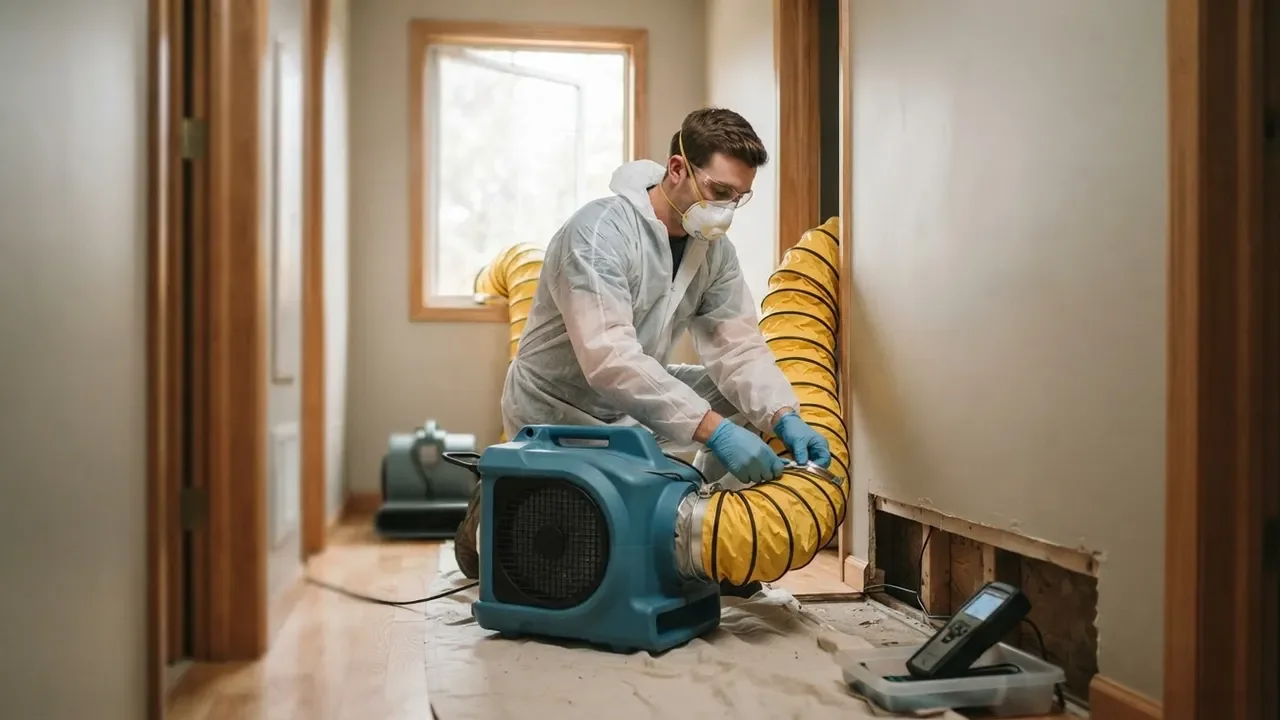
Water damage restoration in Haverhill: professional-grade portable air scrubber with its exhaust ducting running out a

Carpet Extraction Questions

Real answers to the questions we hear most often from local homeowners and property managers.

How much does carpet water extraction cost in Haverhill MA?
Most residential extraction jobs vary depending on room count, water volume, contamination, and drying equipment. A small clean-water spill costs less than a flooded basement with saturated padding. We inspect the affected area and explain the price before work proceeds. Rug size, specialty fibers, furniture moving, and related floor or wall damage can change the total.
Can water damaged carpets and rugs be cleaned in Haverhill?
Yes, many carpets and rugs can be cleaned when the water source and material condition allow safe recovery. We check whether the water was clean, how long the fibers stayed wet, and whether backing, padding, or dyes are affected. A sewage backup requires a different response than a burst pipe. For carpet cleaning after water damage Haverhill, we explain whether extraction, drying, or removal is the practical choice.
How long does carpet water extraction take in Haverhill Massachusetts?
Extraction for one average room often takes 30 to 90 minutes, while drying commonly takes 24 to 72 hours. Room size, carpet density, padding saturation, indoor temperature, and humidity affect the schedule. We check moisture readings during drying rather than relying on a fixed timer. A larger loss or wet subfloor can require additional equipment and follow-up readings.
Does insurance cover carpet water extraction in Haverhill MA?
Insurance coverage depends on your policy and the cause of the water loss; sudden pipe leaks are treated differently from long-term seepage. We document affected areas, moisture readings, and work performed so you have useful information for your claim. Coverage decisions belong to your insurer. Call us to discuss the damage and ask who does rug cleaning and water removal near me in Haverhill.

Related Restoration Services

Water Damage Restoration

When water has reached carpet, walls, or flooring, broader restoration addresses the connected damage. We inspect the affected rooms, extract water, and plan drying for materials beyond the carpet. That helps Haverhill property owners deal with the source and the full wet area instead of treating only the visible floor.

View Water Damage Restoration

Emergency Water Extraction

Active water from a broken pipe or appliance leak needs removal before it spreads through padding and subfloor. Emergency extraction focuses on stopping the immediate accumulation and removing standing water. We then assess whether carpet cleaning and structural drying are required in your Haverhill home or business.

View Emergency Water Extraction

Flood Cleanup

Floodwater can carry debris and contaminants into carpet, rugs, and lower-level rooms. Cleanup begins with water removal and a source-based safety assessment, followed by appropriate material handling. We check whether flooring can be recovered or whether saturated components need removal to support thorough drying.

View Flood Cleanup

Basement Water Removal

A flooded basement can leave carpet soaked across a large area and water trapped near foundation walls. We remove standing water, extract from salvageable carpet, and check the floor assembly. If carpet padding is saturated or water is contaminated, we explain the safer next steps for your Haverhill property.

View Basement Water Removal

Sewage Backup Cleanup

Sewage water changes the response: affected carpet and porous padding often require controlled removal rather than ordinary cleaning. We assess the contamination, protect nearby spaces, and coordinate cleanup of connected surfaces. This service is especially important when a floor drain or sewer line has backed up into a finished room.

View Sewage Backup Cleanup

Storm Damage Restoration

Wind-driven rain or roof damage can wet rugs and carpet before a leak is obvious. We address the wet flooring while the source is contained, then check adjacent materials for moisture. Coordinating extraction with storm repairs helps reduce repeat wetting and prevents a surface-only cleanup.

View Storm Damage Restoration

Call for Carpet Water Extraction Haverhill MA

Water keeps spreading through carpet padding while it sits. Call our team at (833) 546-4116 and tell us what happened, where the water is, and whether it is still entering. We provide upfront pricing before work proceeds.

Call Now Call for Service

Contact Haverhill Restoration

Call (833) 546-4116 when water is entering your home or business, or when a damp room needs inspection. Our referral line is available 24 hours a day to connect you with independent companies serving Haverhill, MA, including areas near 01831 and 01835. Tell us what happened, where the water is, and whether it is still flowing.

Or call us right now at (833) 546-4116 — we answer.
Or email us at hello@haverhillwaterdamagema.com

Haverhill Water Damage Restoration


  • Address

    Haverhill, Massachusetts

  • Hours

    Mon–Fri: 7AM – 7PM
    Sat: 8AM – 4PM
    Sun: Emergency Only
    24/7 Emergency Available

Call (833) 546-4116 Get Quote
Call Quote