Bradford Common
Bradford Common is a recognizable local orientation point for addresses in the Bradford area. Providing it as a nearby reference can help clarify which part of South Main Street you mean; we still confirm the street number.

Water damage restoration in South Main Street is a property recovery service that removes unwanted water, dries affected materials, and addresses damage after leaks, flooding, or sewage events. In homes around Bradford Common and Kenoza Avenue, we trace water beyond the visible stain before setting drying equipment. A damp baseboard can point to wet insulation or a saturated subfloor behind it. We use a moisture meter and thermal imaging camera to map affected areas, then explain the work in plain language. Our service reaches South Main Street addresses in Essex County, including ZIP codes 01835 and 01830. We also handle water damage restoration near South Main Street when the call comes from nearby Bradford or Kenoza Lake. Your first priority is stopping the source safely; ours is extracting standing water and establishing a documented drying plan. Call (833) 546-4116 when water is spreading or a ceiling is actively leaking.
Water damage in South Main Street homes ranges from a small supply-line leak to several inches of basement flooding after heavy rain. We start by locating the source, removing water, and checking nearby materials so your cleanup does not stop at the visible puddle. For urgent losses, ask about 24/7 water damage restoration in South Main Street; we take emergency calls and guide you through safe first steps while help is arranged. Our services cover homes, apartments, and commercial spaces across the Bradford area.
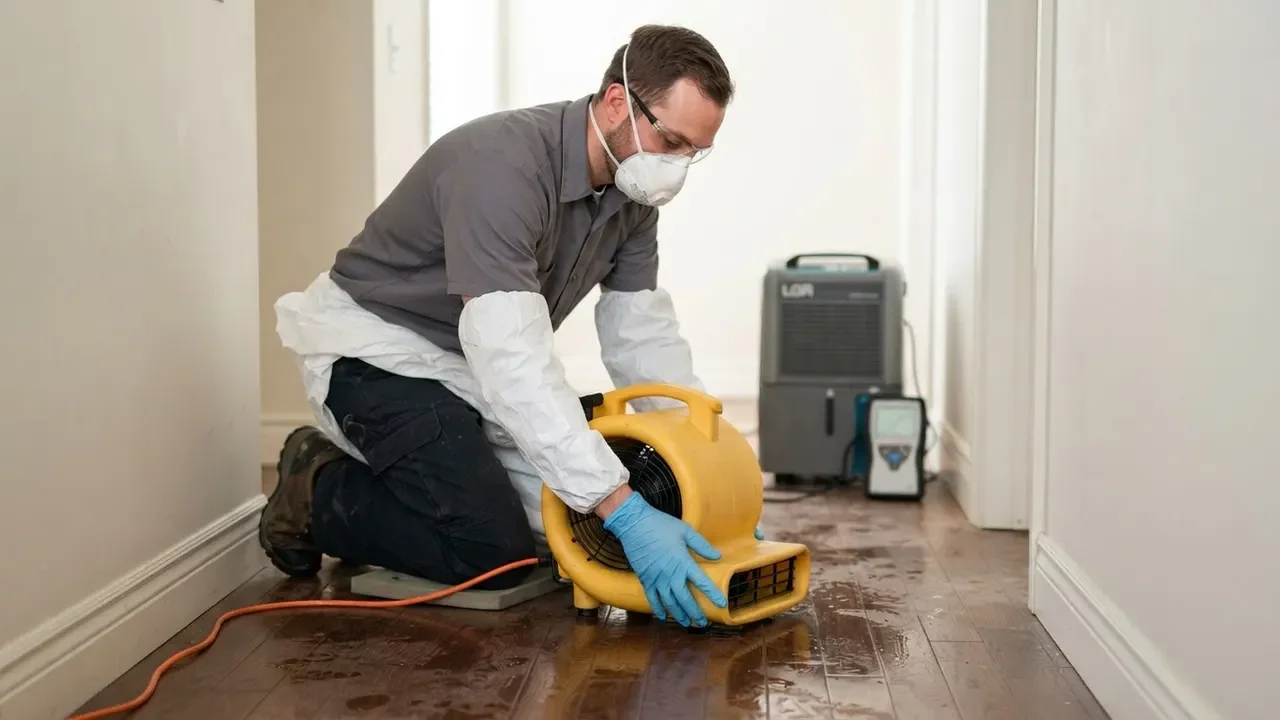
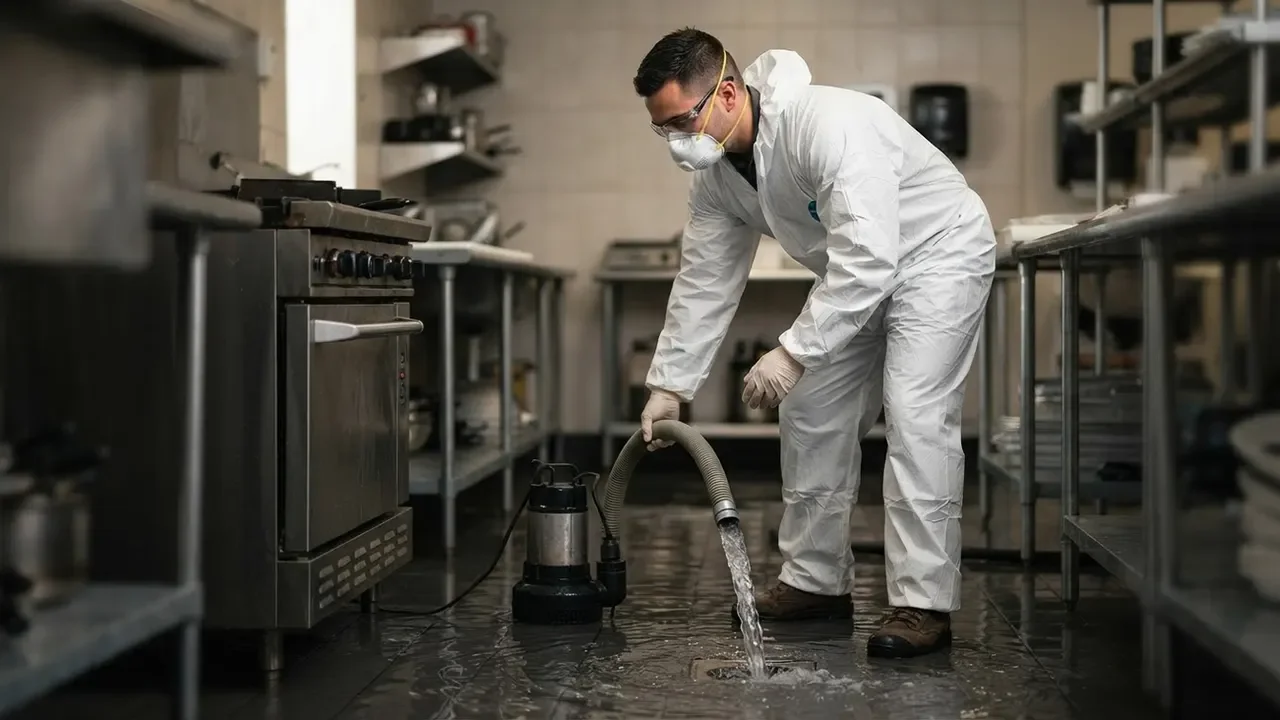
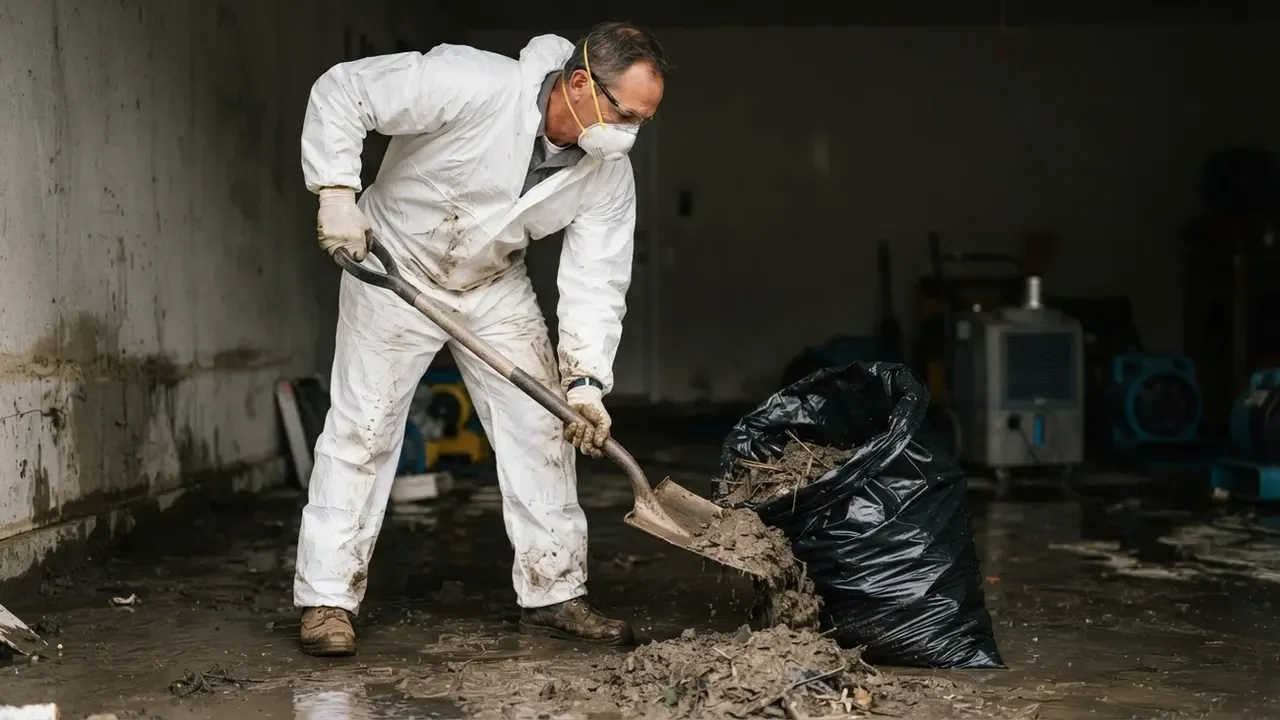
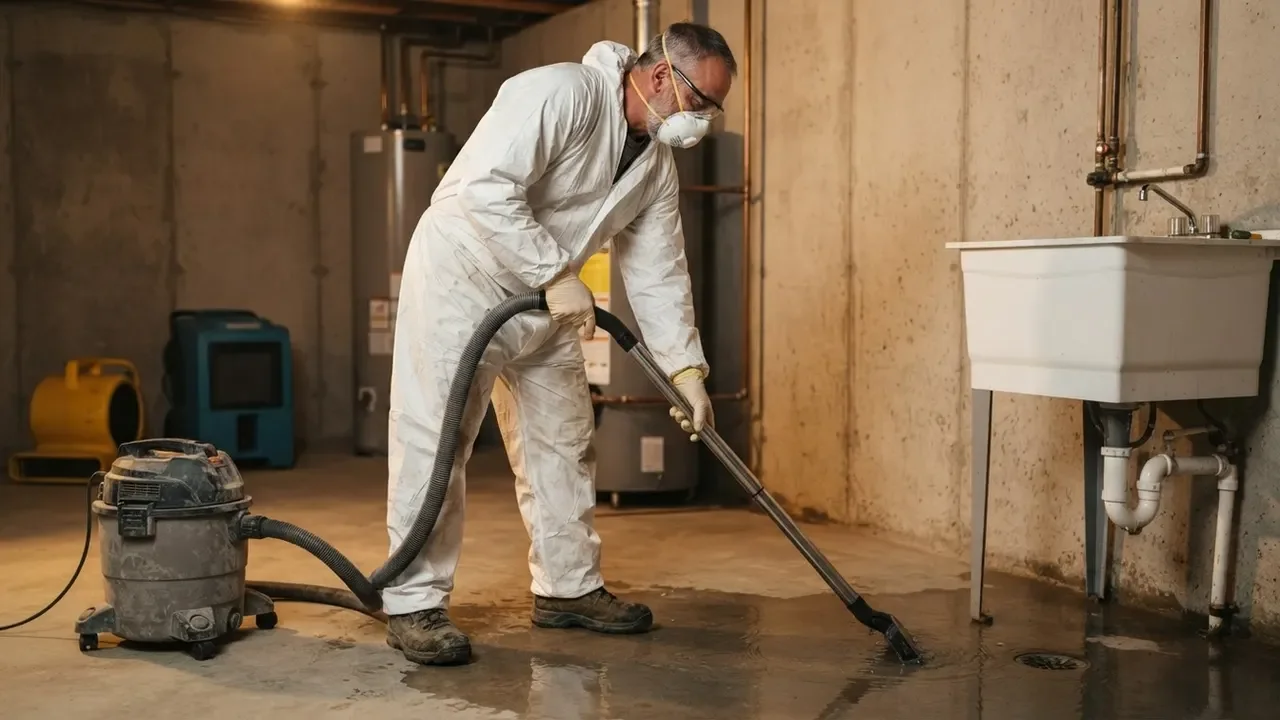
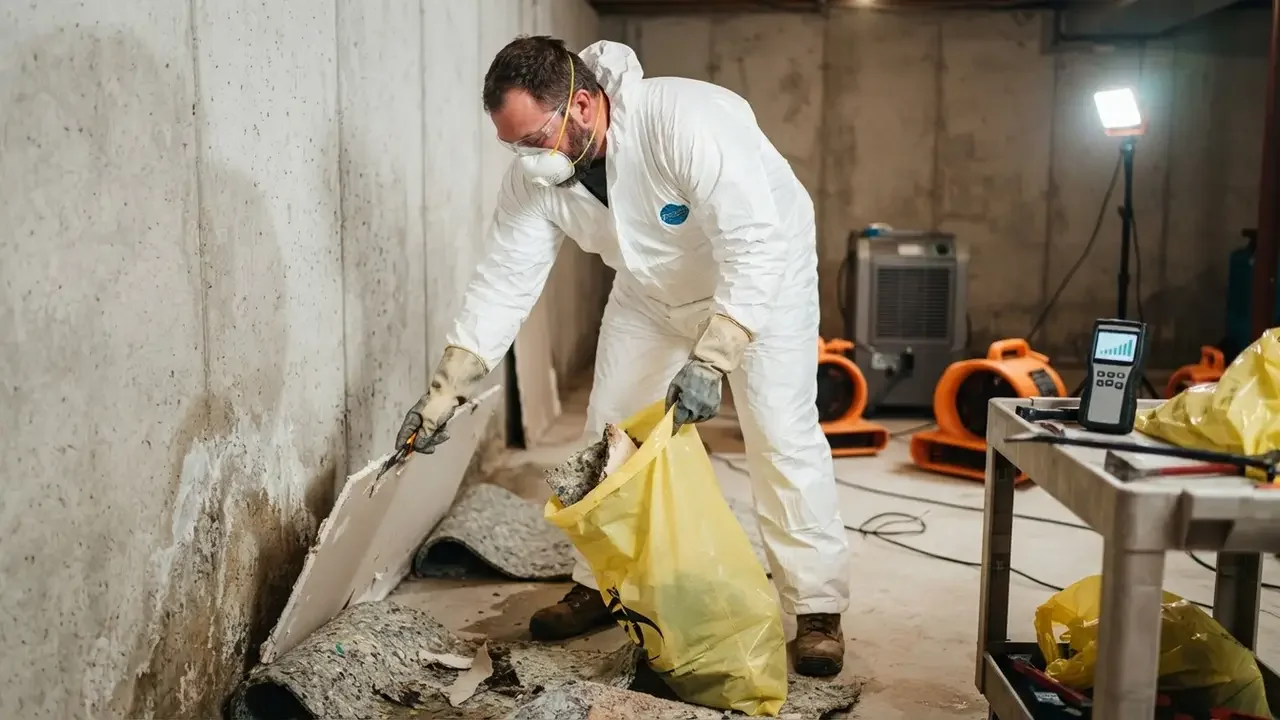
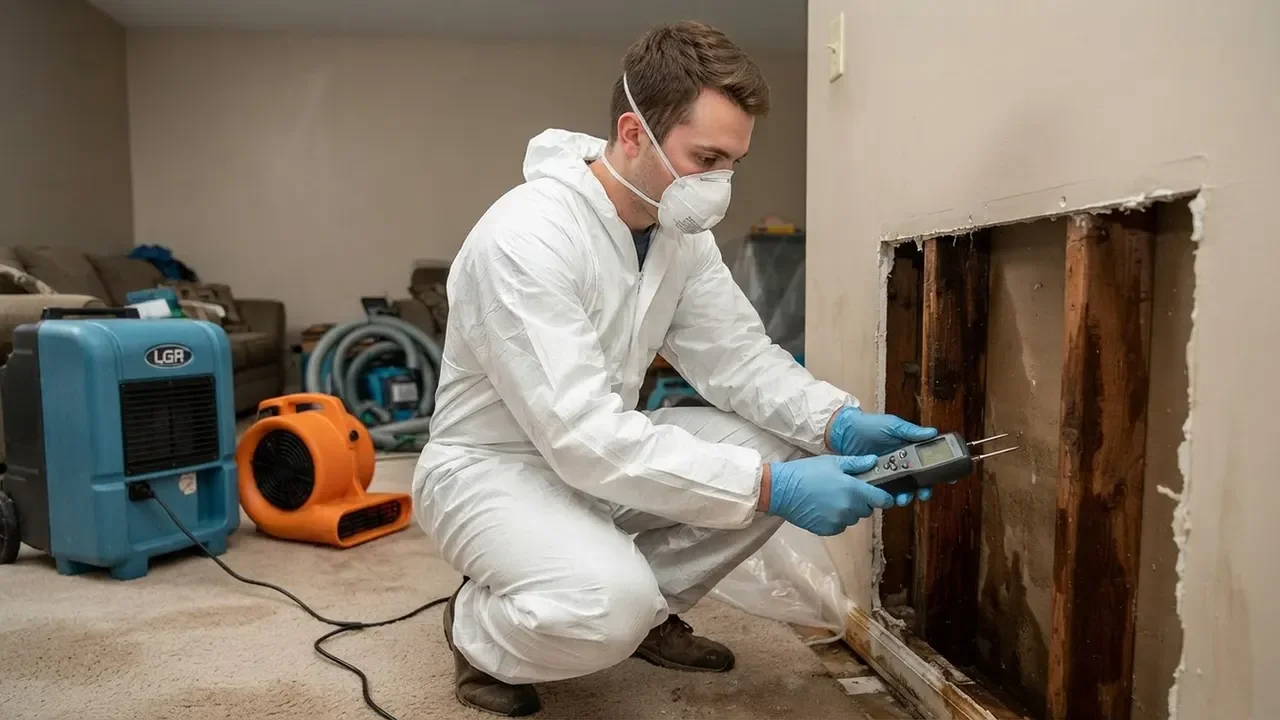
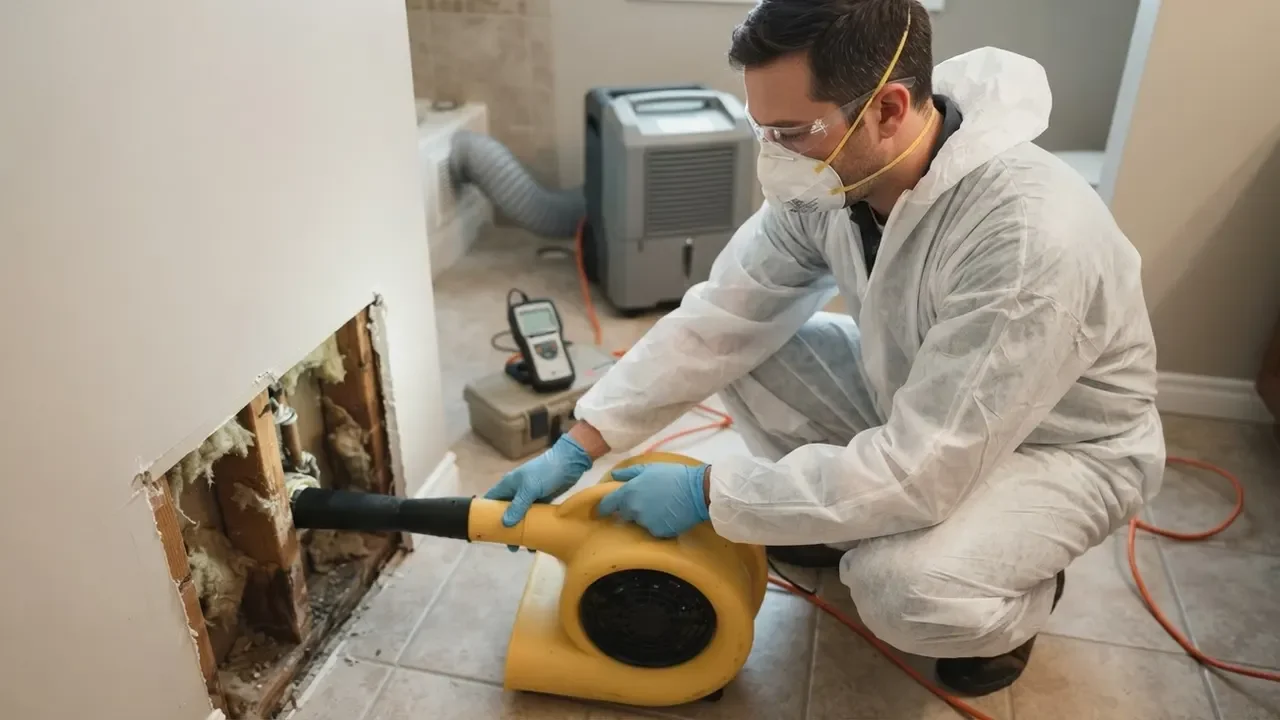
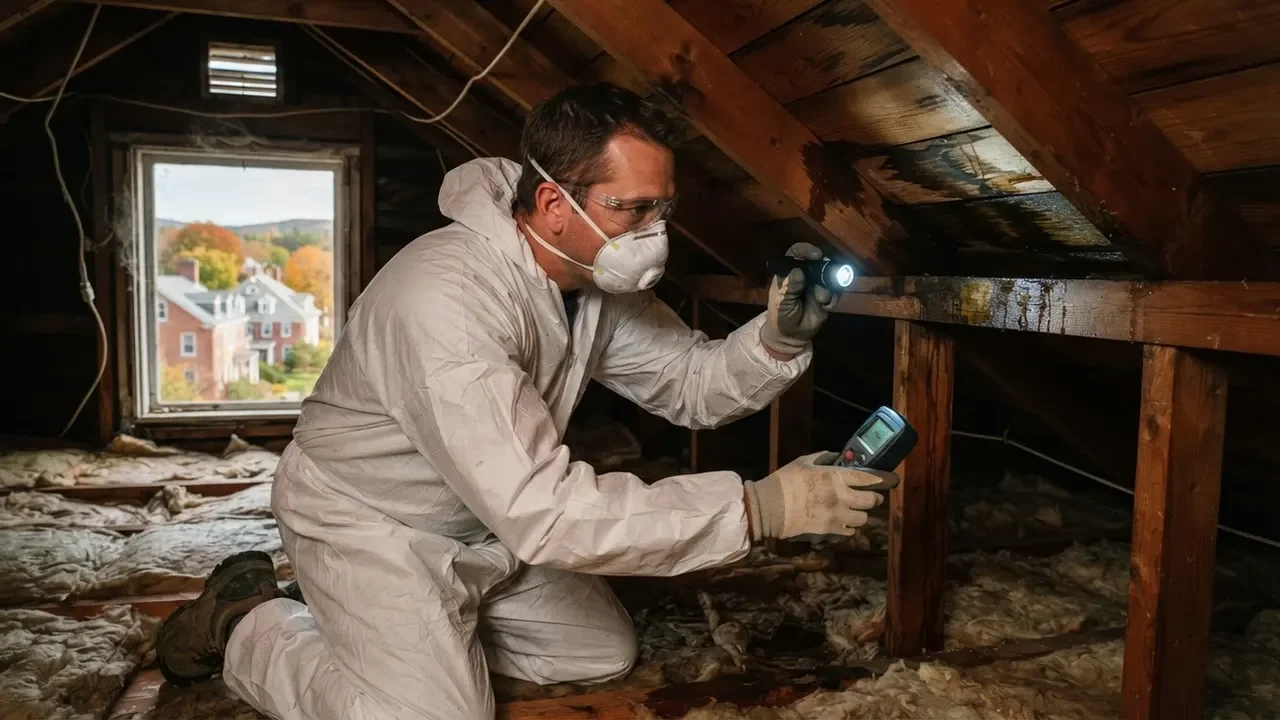
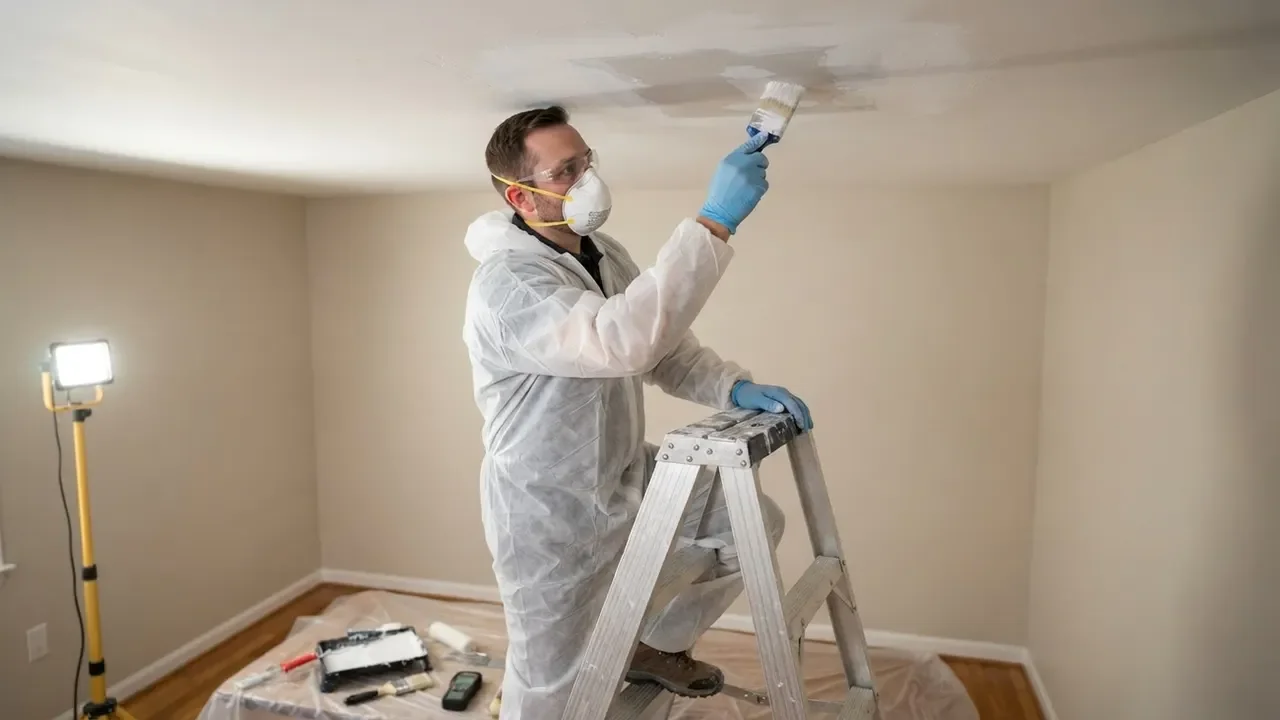
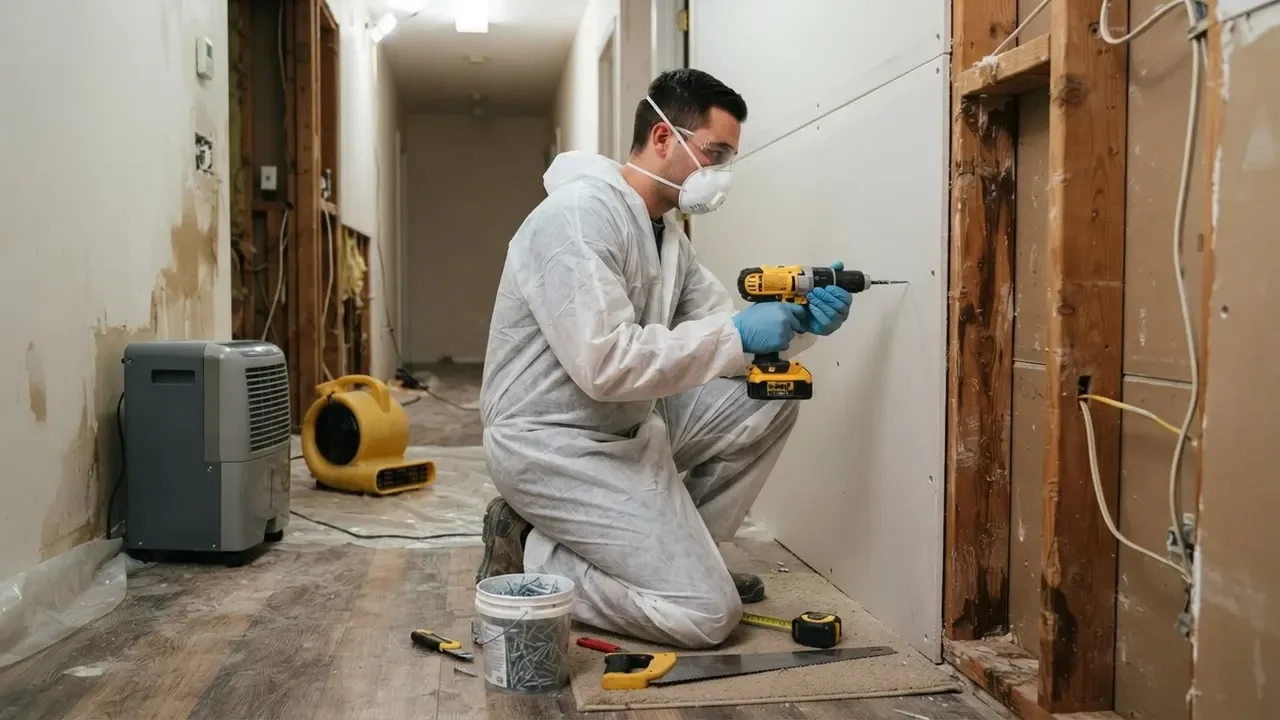
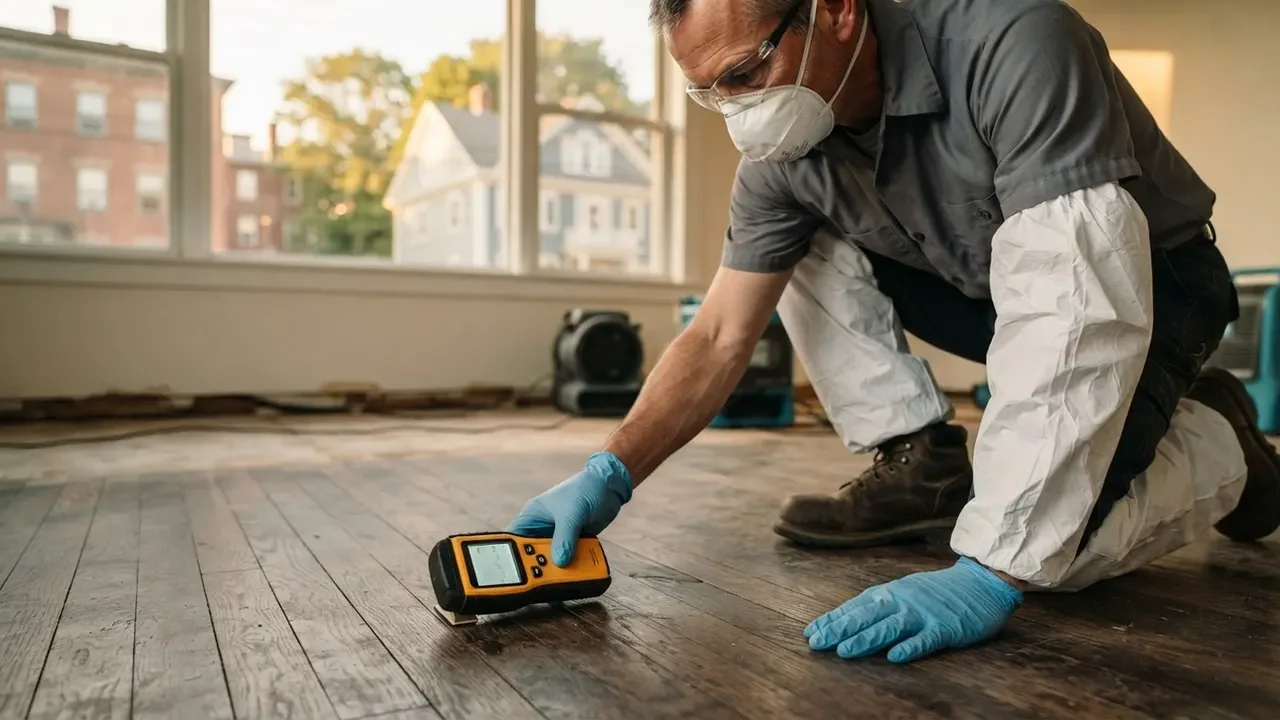
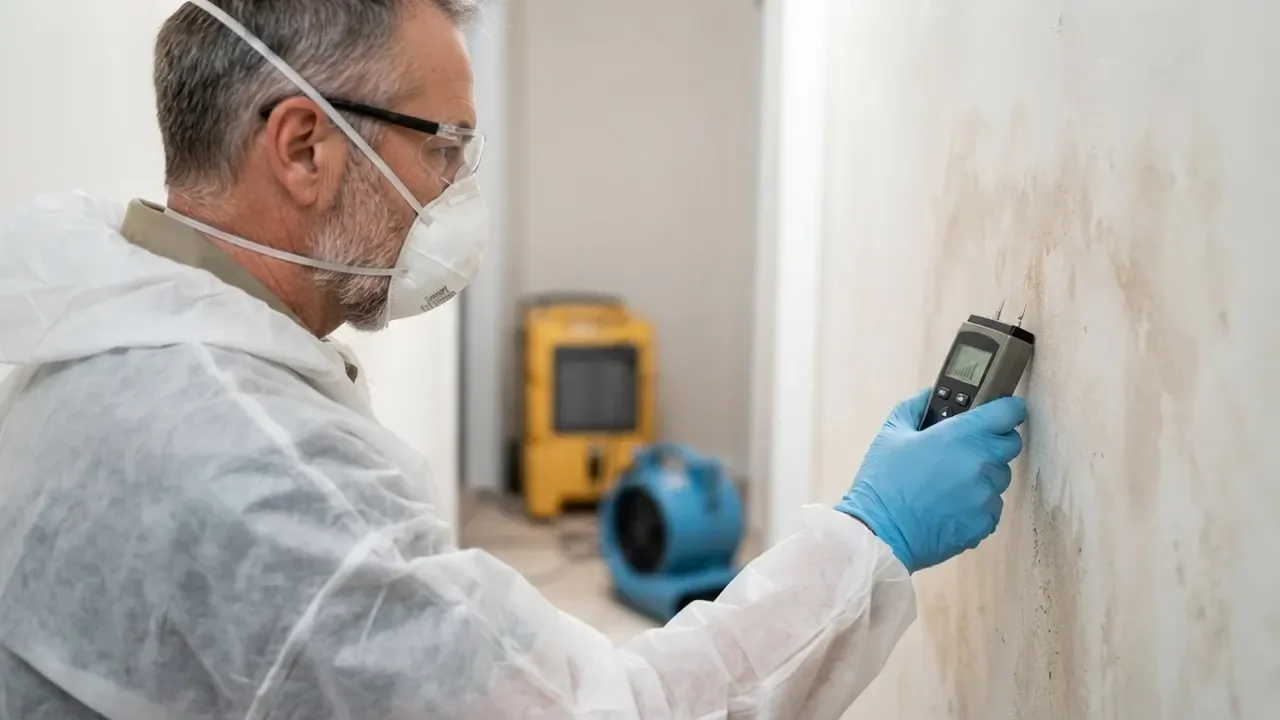
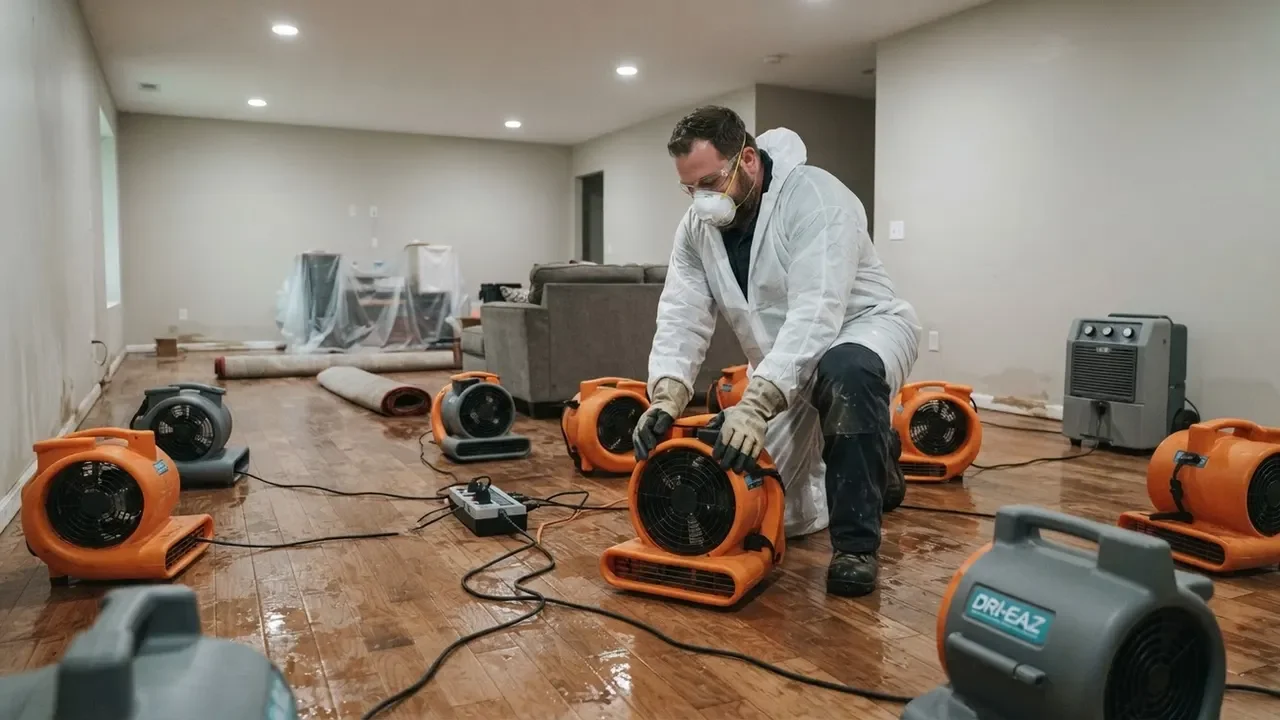
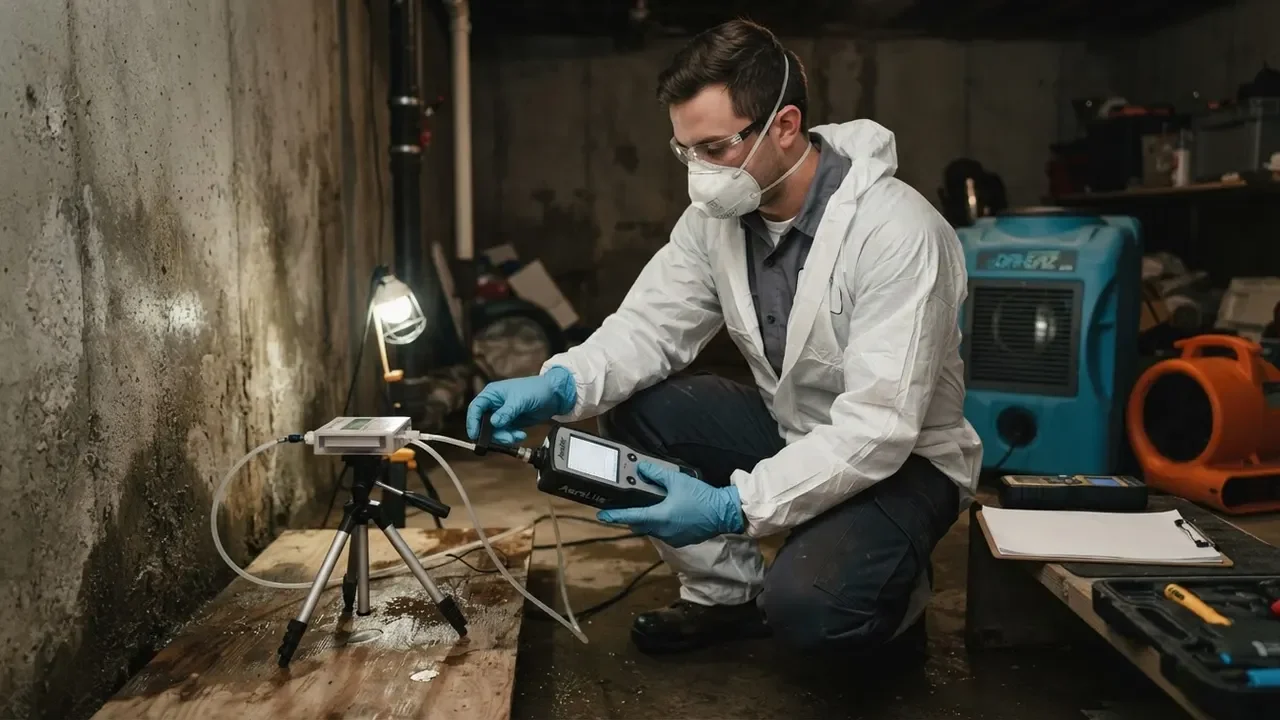
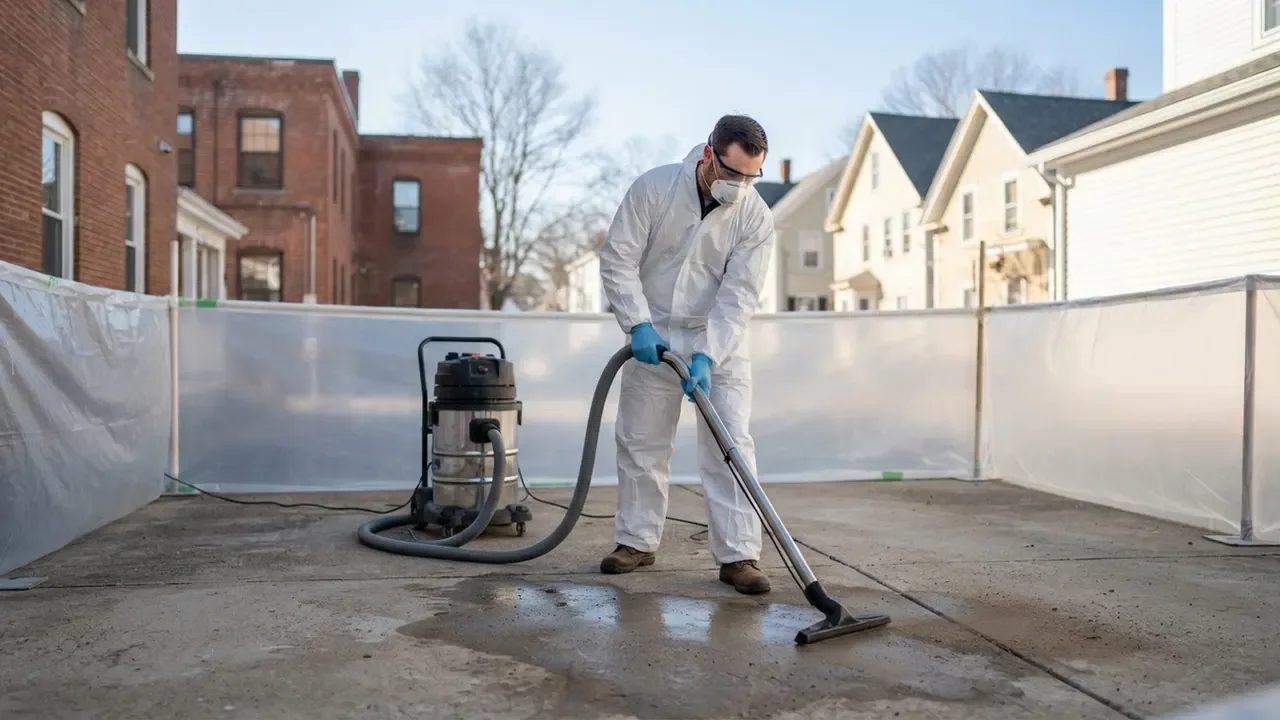
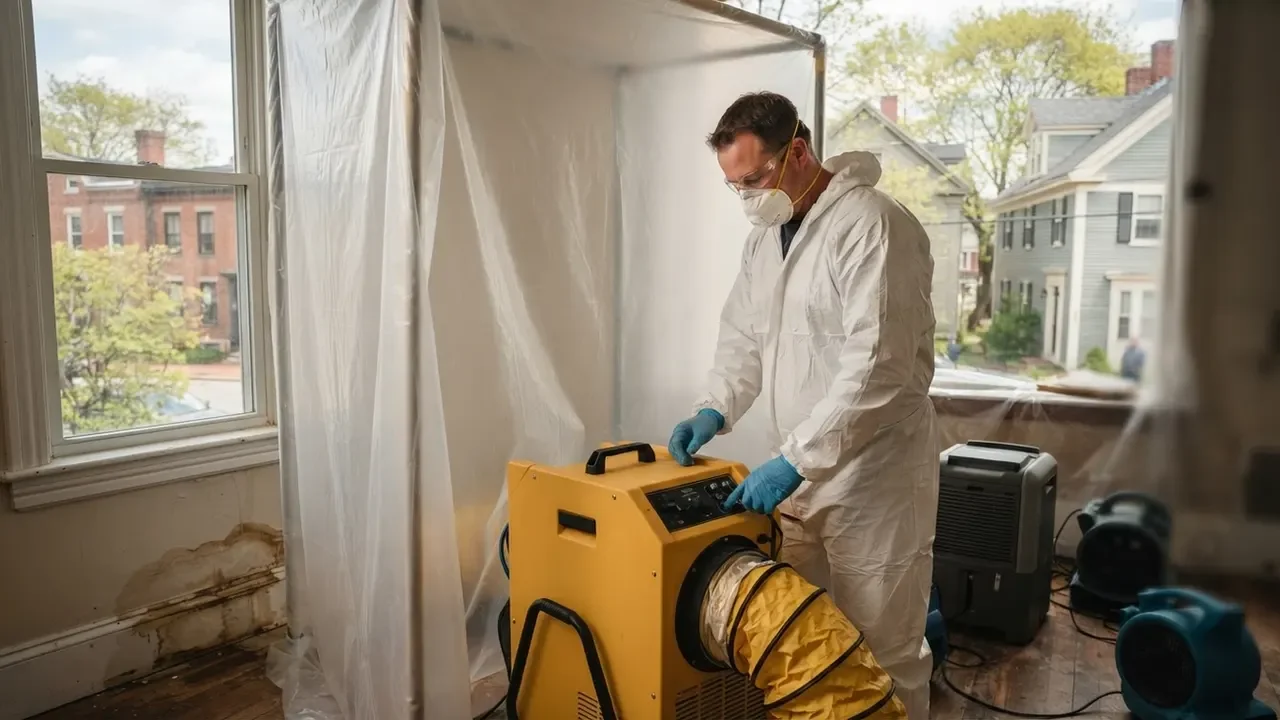
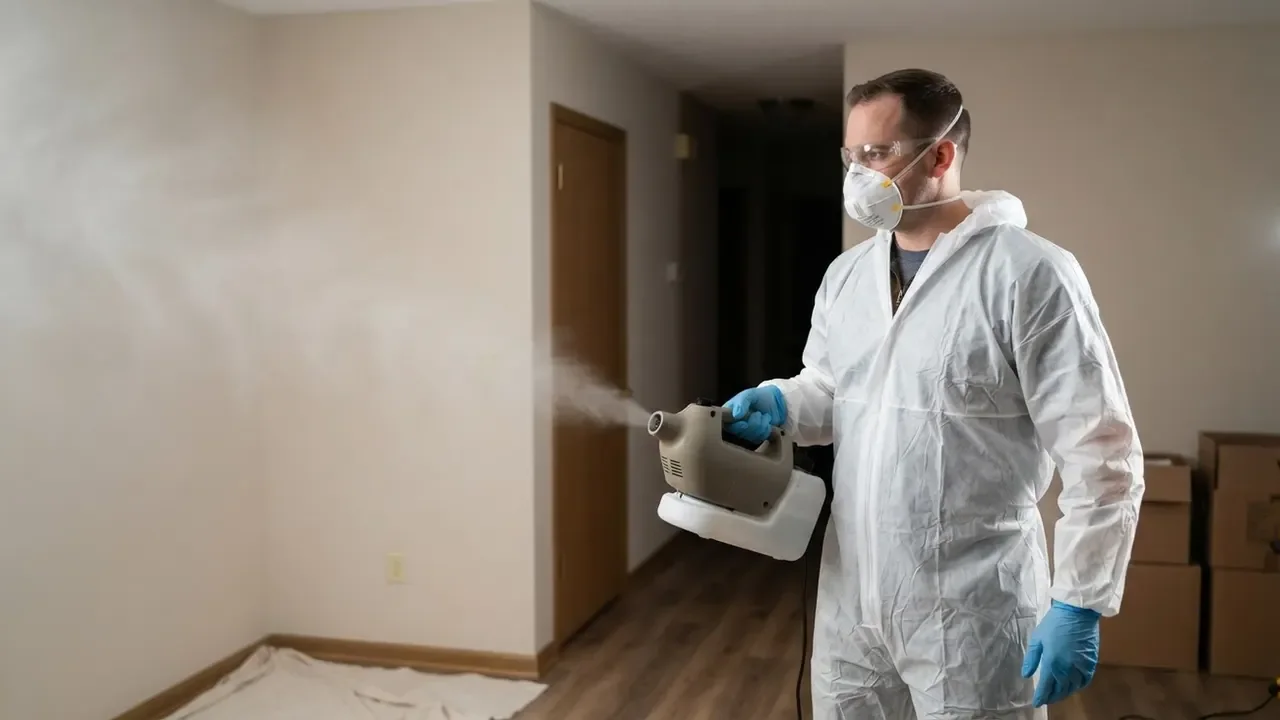
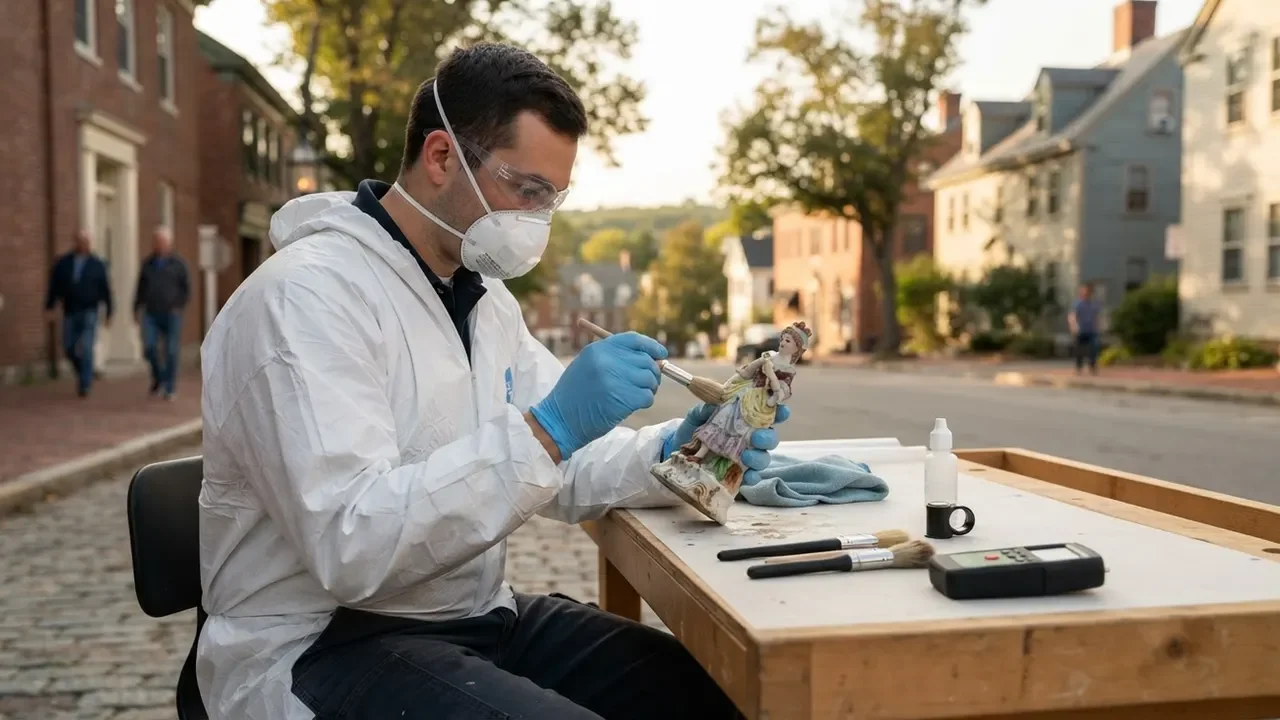
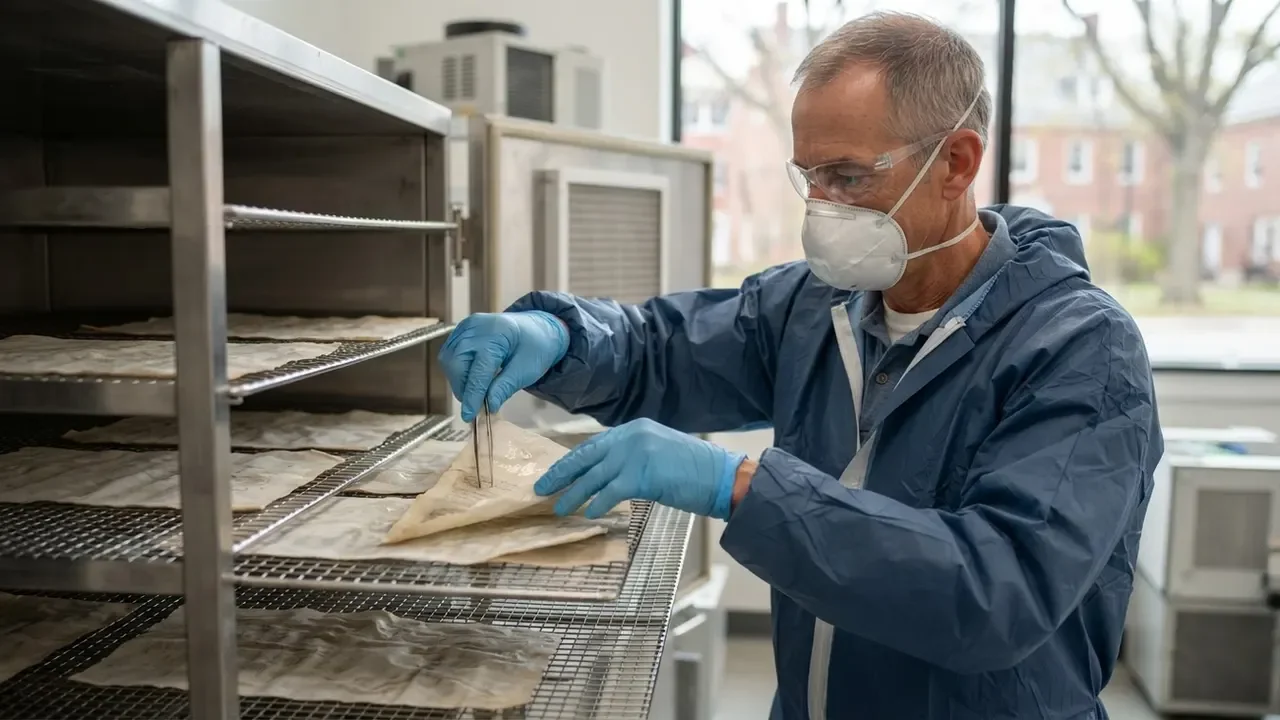
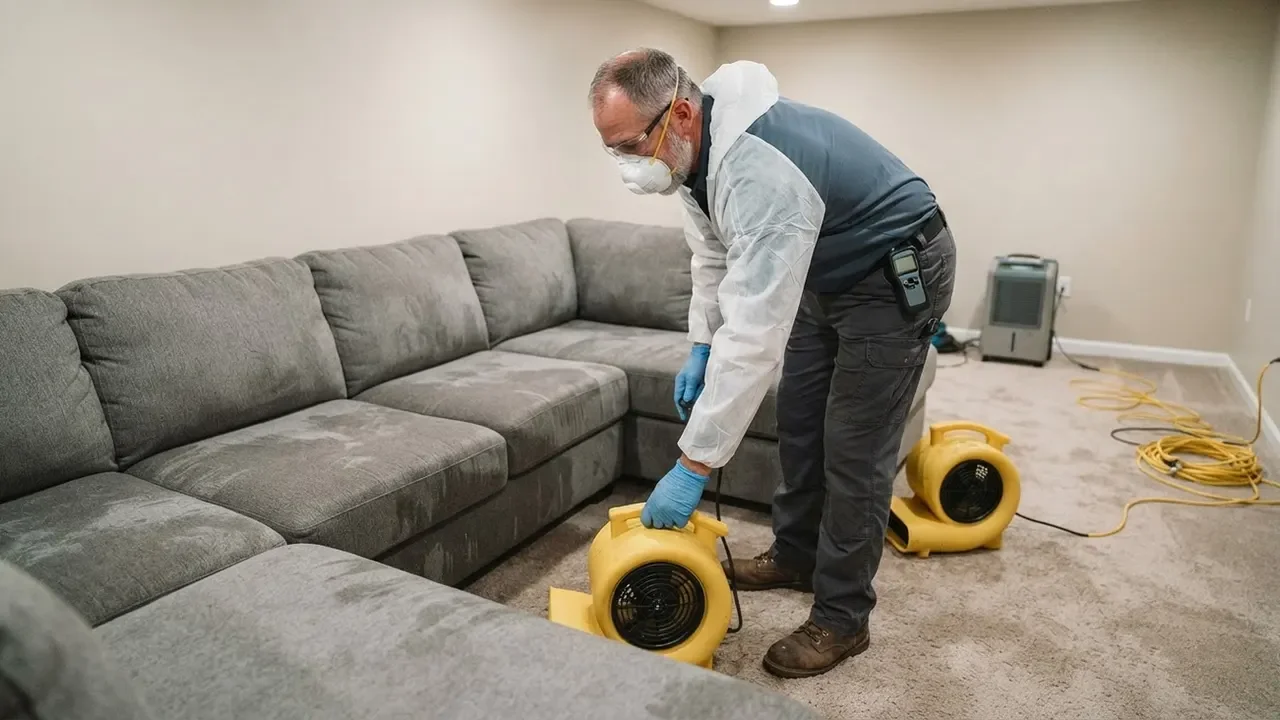
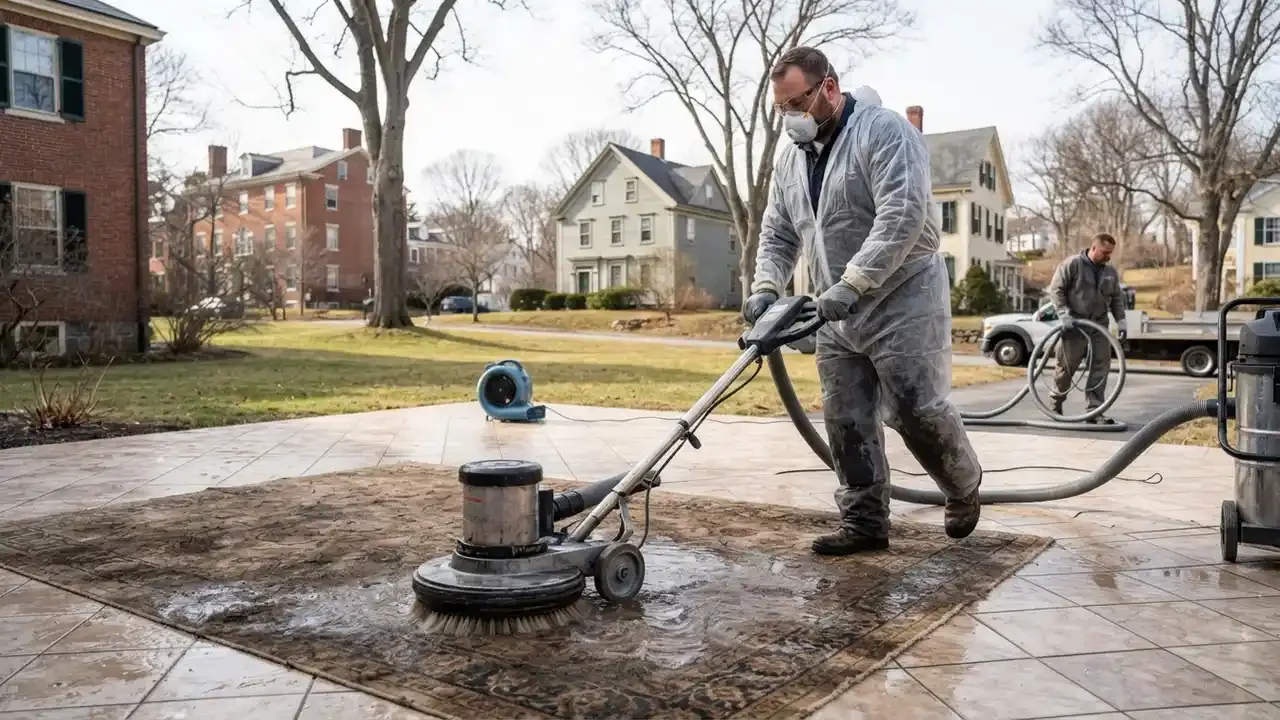
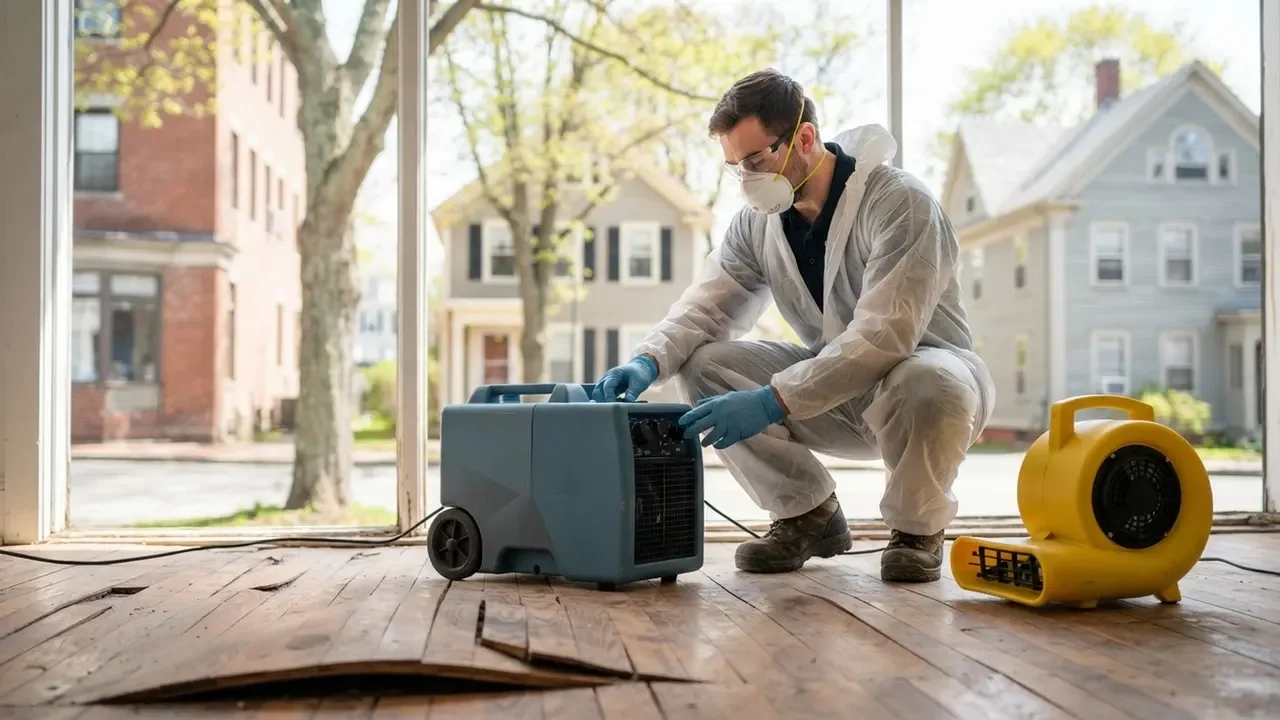
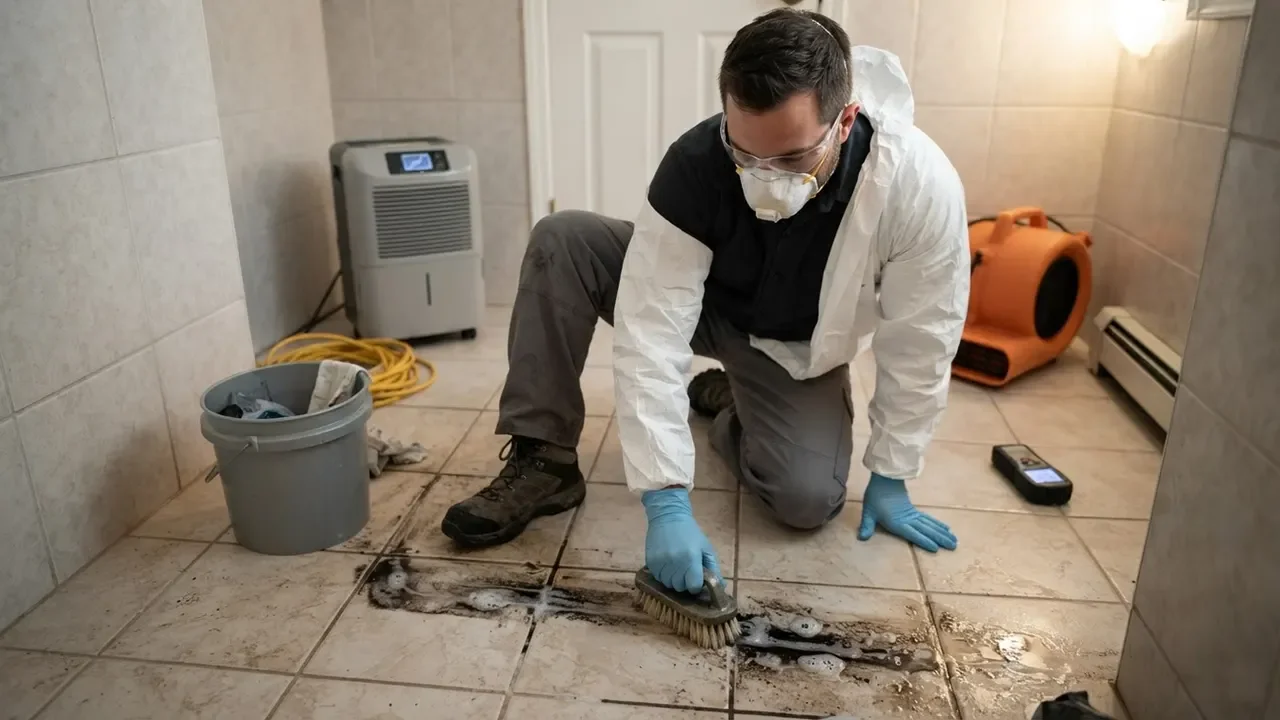
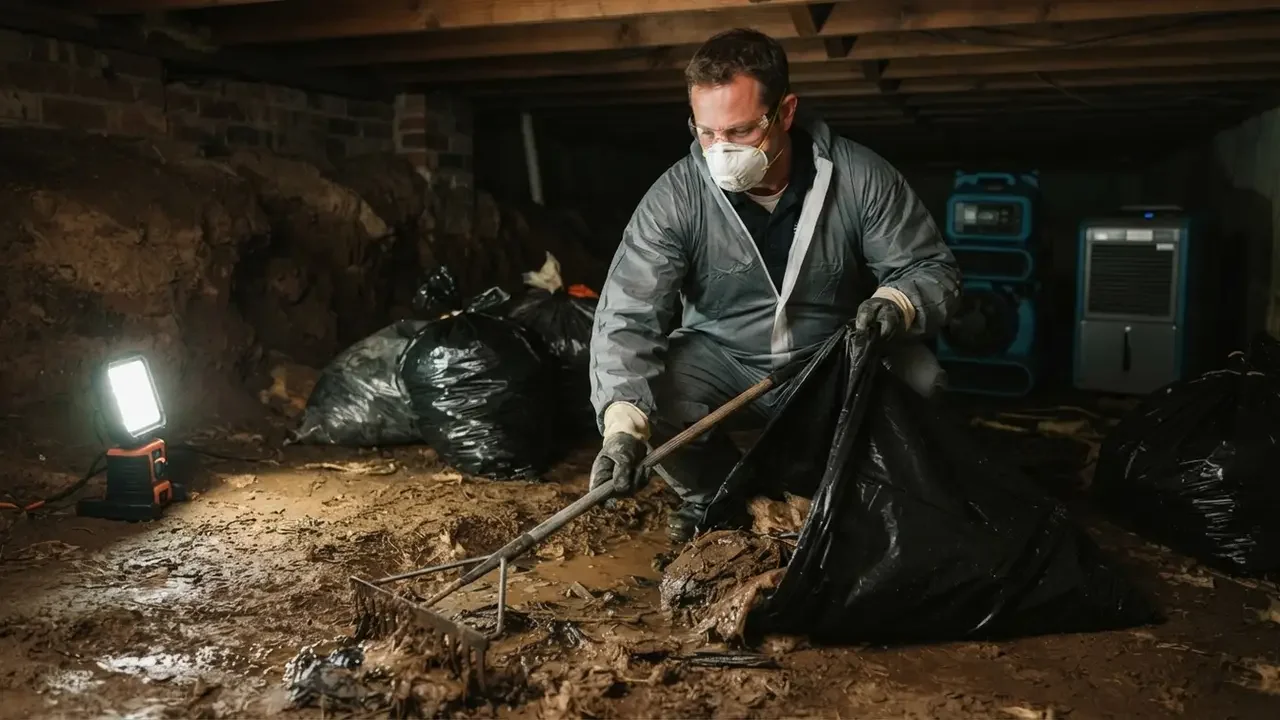
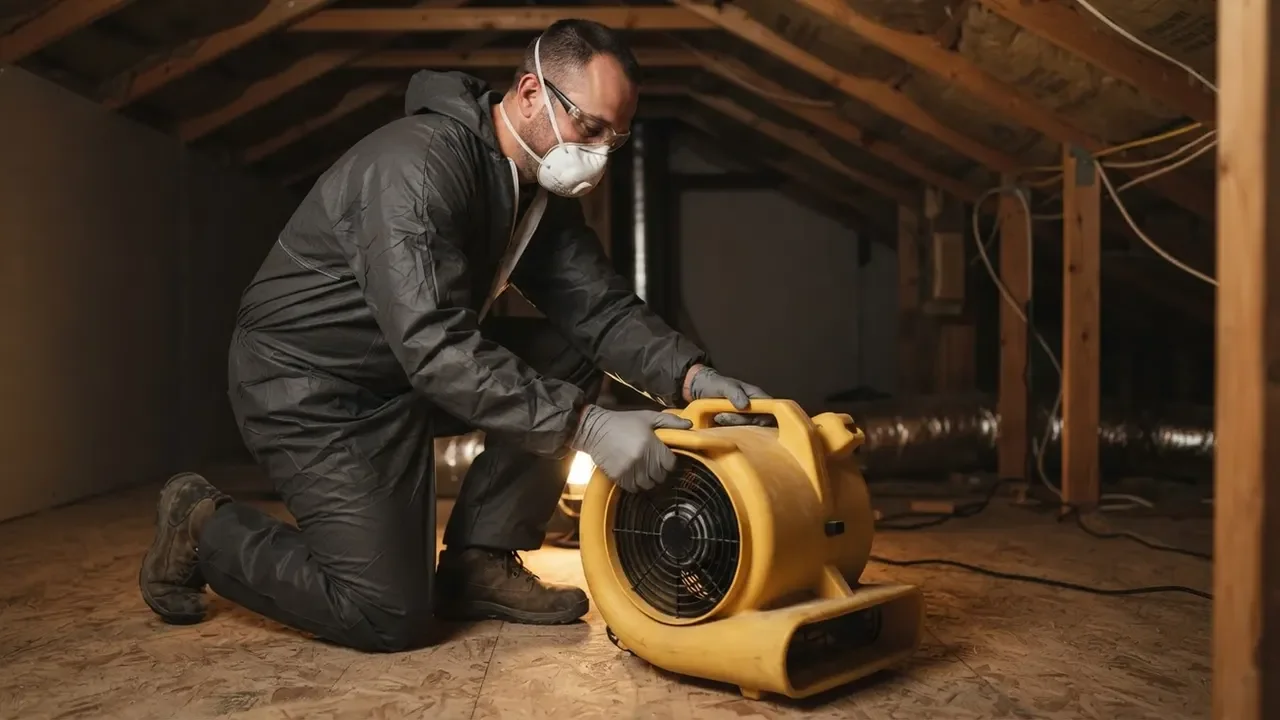
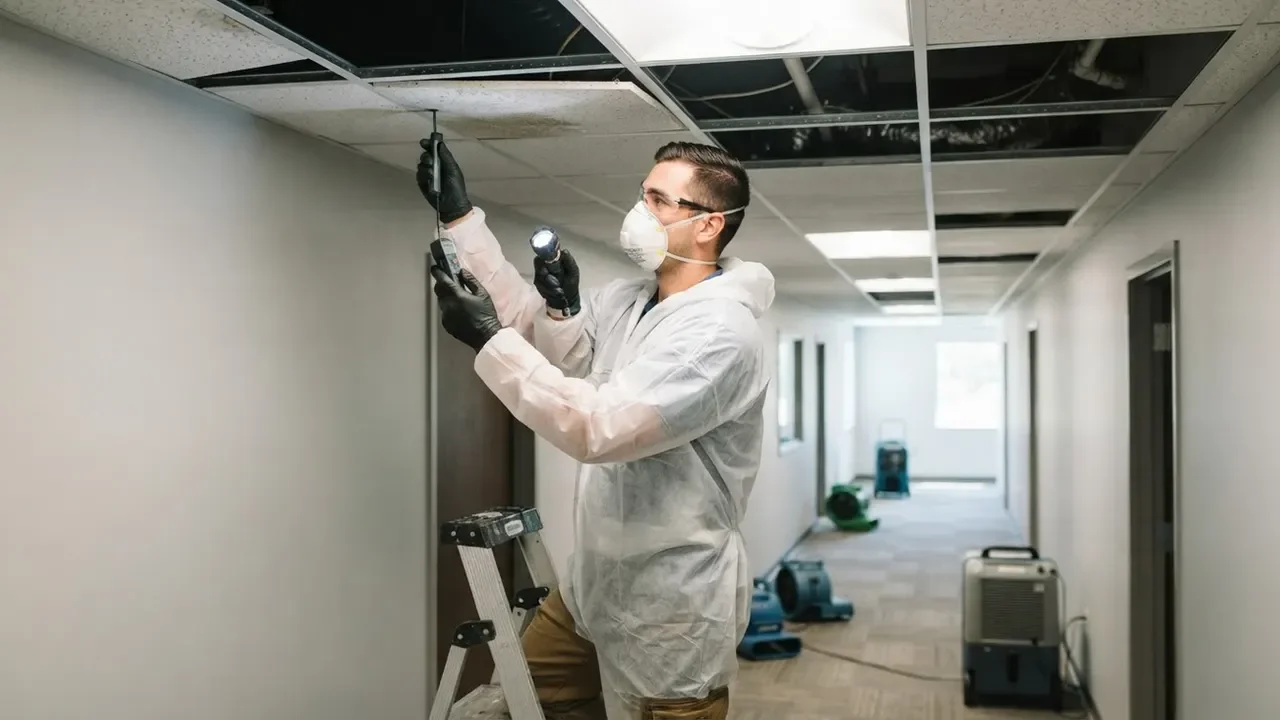
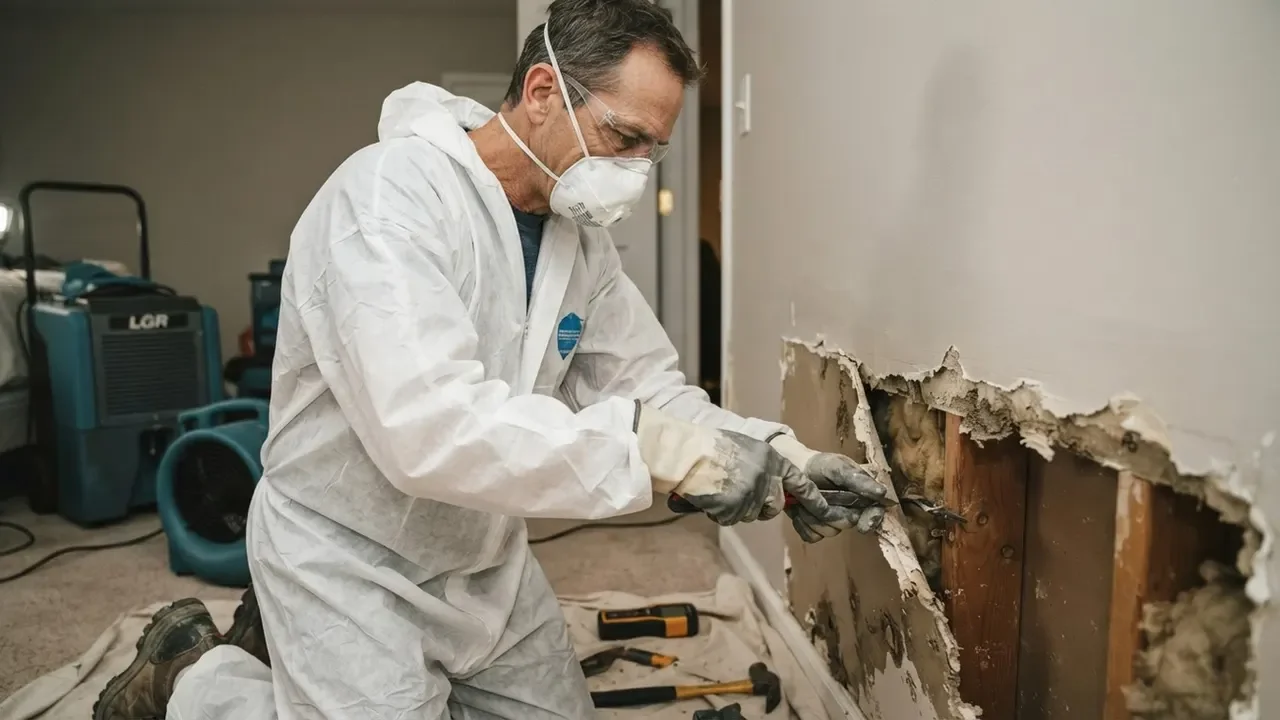
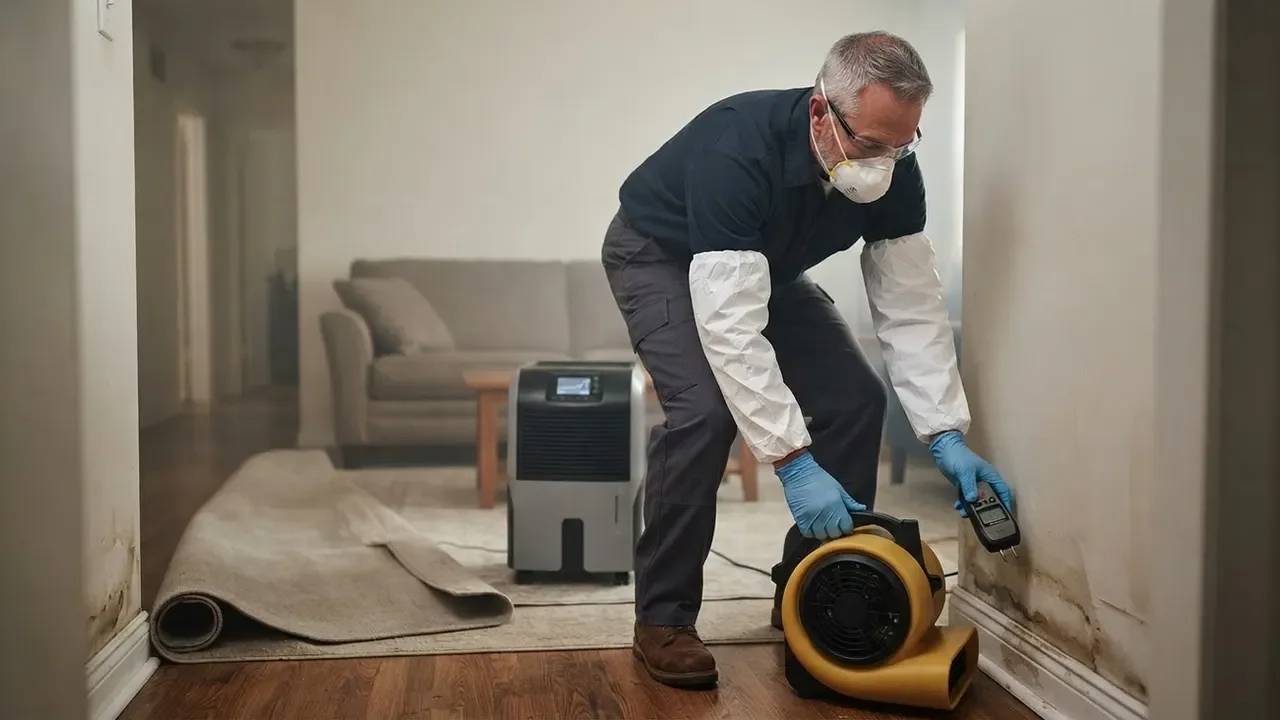
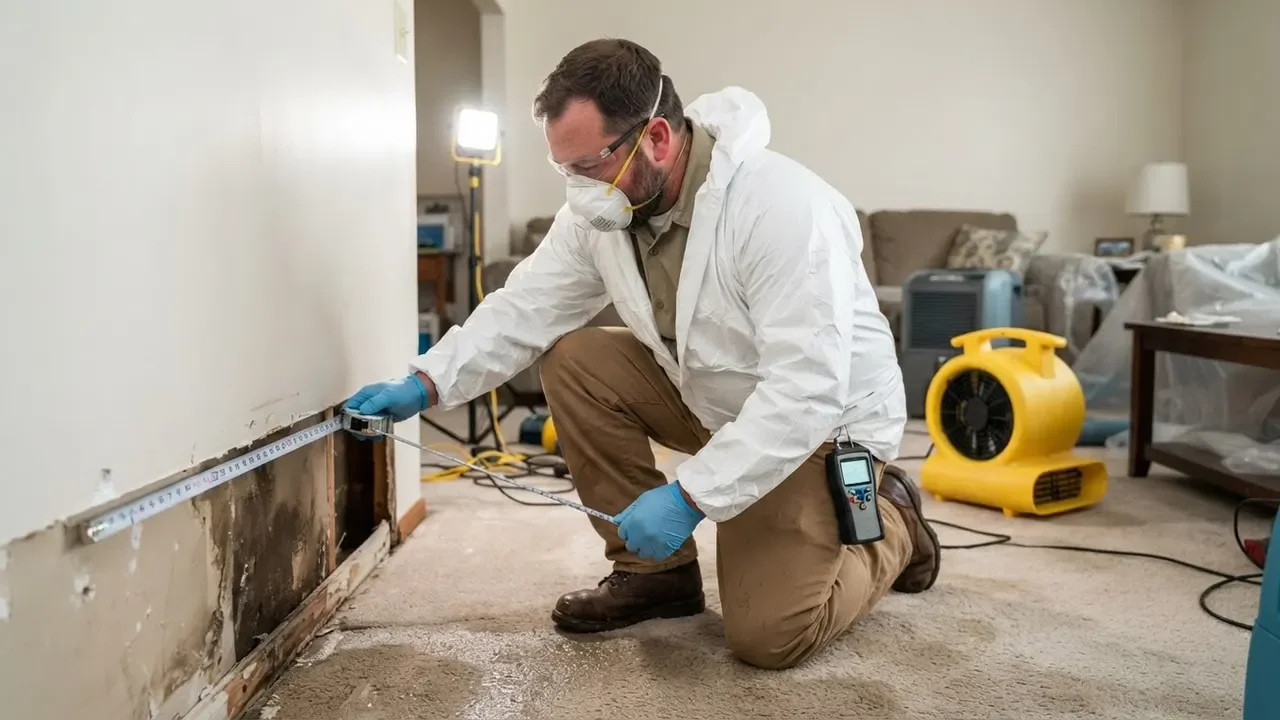
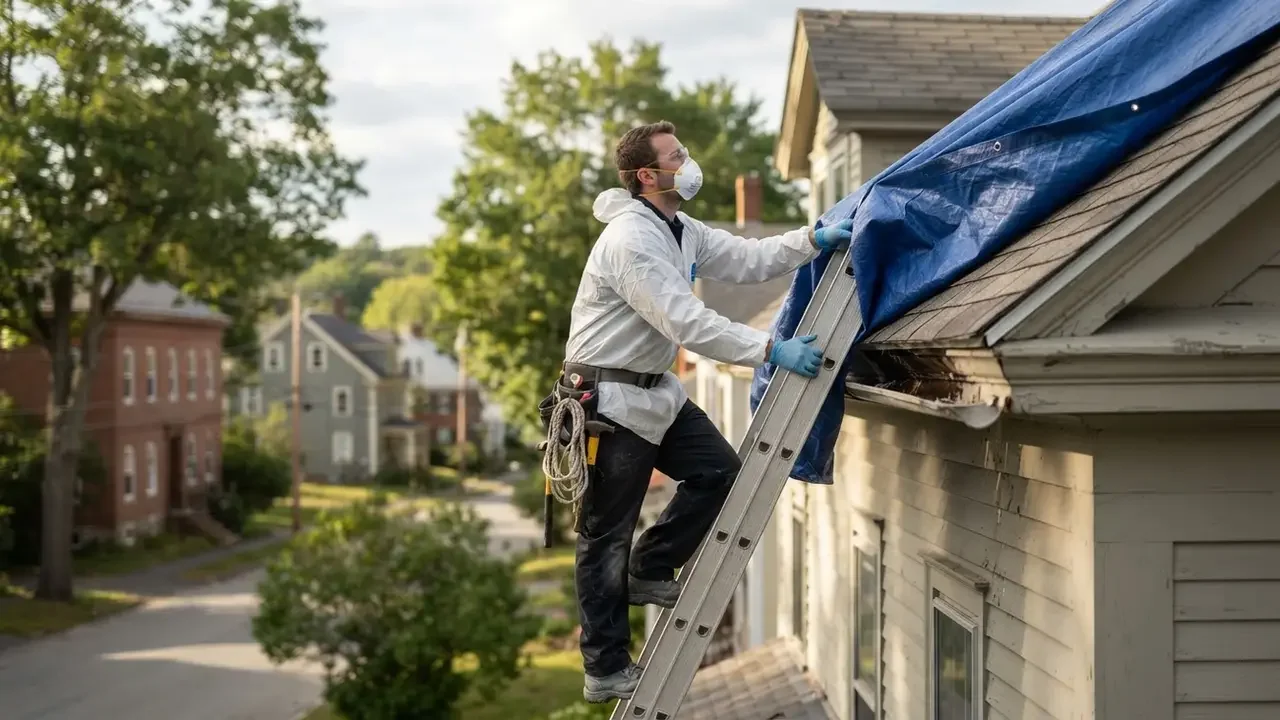
Water damage restoration near South Main Street often starts with a burst pipe, basement flooding, or a roof leak discovered after a storm. South Main Street homes include basements and older plumbing or septic systems, while winter freezes can stress exposed or poorly insulated lines. Storm runoff from surrounding hills is another reason to check low entries after heavy rain, but each property needs an individual source assessment. We inspect visible damage and nearby cavities, then choose extraction, cleaning, or drying based on the water and materials involved.
Cold weather can freeze water in vulnerable plumbing, especially near exterior walls, unheated spaces, or basement ceilings. When a pipe splits and thaws, water may travel inside the wall before appearing in a room. A small stain can hide a broader wet cavity.
Basements in suburban homes can collect water when a sump pump stops, a drain backs up, or runoff reaches a low entry. Stored items and carpet can conceal the extent at floor edges. Water category matters if the entry includes soil or sewage.
Wind-driven rain or a damaged roof area can send water into attic insulation and framing. It may run along a joist before leaving a stain below, so the visible mark does not always identify the entry point. Continued exposure can spread damage to adjacent rooms.
Aging connections, blocked lines, or septic problems can lead to slow leaks or sudden sewage backup. Water can move beneath flooring and into baseboards before the problem is obvious. Contaminated water also creates a different cleanup need from a clean pipe leak.
Call for water damage restoration in South Main Street when water is active, materials are swelling, or a wet area has remained hidden. A puddle is not the only warning; a musty odor, soft drywall, or a ceiling stain can signal moisture behind a finished surface. If you are searching for same day water damage cleanup South Main Street, describe the water source and affected rooms when you call. We can help you decide what to do immediately and whether the situation needs emergency extraction or an inspection.
Ceiling stain grows after rainfall
A spreading stain can mean water is still entering through the roof or traveling along framing. If the ceiling bows or feels soft, keep people clear and do not puncture it. We inspect the area above and below, then address water removal and temporary protection as needed.
Basement floor has standing water
Water in a basement can reach stored items, carpet padding, baseboards, and electrical equipment. If water is near outlets or appliances, stay out and call for guidance. We identify whether the source is a pipe, sump pump failure, or outside entry before cleanup.
Hardwood boards begin to cup
Raised board edges often indicate moisture beneath or within the flooring, even when no puddle remains. Delayed drying can worsen the floor and affect the subfloor. We check the floor and surrounding areas with measurements before selecting a drying approach.
Musty odor returns after cleaning
A recurring odor can point to damp insulation, carpet padding, a crawl space, or a concealed wall cavity. Air freshener will not correct the source. We inspect likely moisture pathways and address the wet material or residual contamination causing the smell.
Pipe leak leaves soft wallboard
Soft or swollen drywall suggests water has entered the material and may have reached insulation or framing. Shut off the water if safe, move belongings, and avoid closing the wall before it is assessed. We trace the affected area and plan drying or removal.
Bradford Common, Haverhill Country Club, and Sacred Hearts Church are useful orientation references when you give us directions near South Main Street. We confirm your street address rather than relying on a landmark alone, especially when equipment must be brought to a basement entrance or side door. Bradford Elementary School and Kenoza Lake also help distinguish the broader Bradford area during a call. Share the closest reference point and any access restriction, and we can plan the approach without treating a landmark as the service address.
Bradford Common is a recognizable local orientation point for addresses in the Bradford area. Providing it as a nearby reference can help clarify which part of South Main Street you mean; we still confirm the street number.
Haverhill Country Club provides a useful geographic reference when describing a nearby South Main Street area address. It helps establish general direction during a call but does not replace a confirmed property address.
Sacred Hearts Church is another local reference residents may use to describe their location. We use the landmark only for orientation and confirm the exact entrance and access instructions with the customer.
Plus surrounding Essex County neighborhoods, with same-day routing on most appointments.
As November brings colder nights, South Main Street homeowners should check vulnerable pipes, basement pumps, and roof drainage before winter conditions deepen. Frozen pipes can release water after thawing, while heavy rain at other times of year can test basement entry points. In spring, inspect lower levels after snowmelt and rain; summer storms can bring sudden roof leaks; fall is a good time to clear drainage paths. If you need emergency water damage restoration in South Main Street Massachusetts, call with the source and any immediate safety concern.
Snowmelt and spring rain can leave basements damp or expose a weak sump pump. Check floor edges, stored boxes, and the area around foundation openings. A recurring musty odor after wet weather deserves an inspection rather than another surface cleaning.
Tip: Test the sump pump before sustained rain and keep its discharge path clear. If water returns, note where it enters and move belongings away from the floor.
Summer storms can damage roofing or push runoff toward low doors and basement windows. Warm, humid air can also slow drying after a leak, especially in a closed basement or crawl space. Inspect ceilings after strong storms and watch for new stains.
Tip: After a storm, look for active drips without climbing onto a wet roof. Cover belongings below a leak and call for extraction if flooring or insulation is wet.
Leaves and debris can obstruct drainage paths, while cooler nights bring the first freeze risk to vulnerable plumbing. A small roof or gutter issue left through fall can show up as interior water during later storms.
Tip: Clear accessible drainage areas and insulate vulnerable pipes before freezing weather. Know where your main water shutoff is and keep a flashlight nearby.
Frozen pipes are a key winter risk for South Main Street homes, particularly near exterior walls and unheated spaces. A burst line can release water behind drywall or into a basement. Thawing may reveal the leak after the coldest hours have passed.
Tip: If a pipe freezes, avoid open-flame thawing and shut off water if safe. Keep clear of wet electrical areas and call for help when a pipe has split or water is spreading.
South Main Street is part of our broader Haverhill service area in Essex County and the Merrimack Valley. We take calls from Bradford and nearby neighborhoods, coordinating work based on the water source, access, and affected materials. If a loss occurs outside South Main Street, use the location pages below to find the closest service-area information. For urgent water entry, call (833) 546-4116 and share the address and conditions.
(City)
Downtown Haverhill is another part of our Haverhill coverage; customers can use the separate area page for location-specific service details.
View Downtown Haverhill(City)
Riverside is included in the wider Haverhill service region, with its own location page for nearby residents and property managers.
View Riverside(City)
Mount Washington sits within the broader Haverhill coverage area; calls are organized around the exact property and water-loss conditions.
View Mount Washington(City)
Bradford surrounds the South Main Street service area and shares local access references such as Bradford Common and Kenoza Avenue.
View Bradford(City)
Ward Hill is part of the Haverhill service region; use its location page for area-specific restoration information.
View Ward Hill(City)
Highlands is another Haverhill service area. We confirm each address and the affected property details when you call.
View HighlandsReal answers from our team for the questions we hear most often before a job starts.
If water is spreading through your South Main Street home, call Haverhill Water Damage Restoration at (833) 546-4116. We take emergency calls 24/7 and will ask about the source, affected rooms, and any immediate safety concern. Our crew can inspect, extract water, and set a measured drying plan for your property. Get the conversation started now.
Call (833) 546-4116 when water is entering your home or business, or when a damp room needs inspection. Our referral line is available 24 hours a day to connect you with independent companies serving Haverhill, MA, including areas near 01831 and 01835. Tell us what happened, where the water is, and whether it is still flowing.
Phone
(833) 546-4116Address
Haverhill, Massachusetts
Hours
Mon–Fri: 7AM – 7PM
Sat: 8AM – 4PM
Sun: Emergency Only
24/7 Emergency Available