
Haverhill Water Damage Restoration
Call (833) 546-4116

Water Damage Restoration in Kenoza Lake, Done Right

When water reaches your floors, walls, or basement, water damage restoration in Kenoza Lake starts with stopping the source and removing water quickly. We serve homes near Kenoza Avenue and Lake Street, including lakefront properties with high water table concerns and older homes with basement seepage. Our Kenoza Lake water damage restoration work includes extraction, moisture checks, and structural drying, with a clear plan for the next step. Call us when a leak cannot wait.

Call For Help Request Inspection
Emergency response Service ZIPs Local dispatch
24/7 Emergency Same-Day Response
Warranty Backed Workmanship Guaranteed in Kenoza Lake
Kenoza Lake

Water Damage Restoration in Kenoza Lake


water damage restoration in Kenoza Lake is a property recovery service that removes unwanted water, dries affected materials, and addresses damage after leaks, flooding, or plumbing failures. We work from Haverhill across this part of Essex County, with calls around Kenoza Avenue, Lake Street, and Bradford Common. Kenoza Lake water damage restoration needs a careful first inspection because a damp basement wall, wet carpet padding, and a hidden pipe leak call for different removal and drying plans. We locate the source, extract standing water, and record moisture readings before deciding what can be dried in place. Our crew uses a moisture meter and air movers to track progress instead of relying on surface appearance alone. We also serve nearby homes toward Chadwick Street and Salem Street, where winter pipe failures and storm runoff can send water into lower levels. If you are searching for water damage restoration near Kenoza Lake, call us with the source, affected rooms, and whether electricity or sewage is involved. That lets us prepare for the right equipment and protect the property during arrival.

  • Serving Kenoza Lake
  • Same-day diagnostics and written estimates
  • Real workmanship warranty in writing
  • Background-checked, in-house technicians

Kenoza Lake Water Damage Services

Kenoza Lake properties need water removal that accounts for basement construction, seasonal cold, and humidity near the water. We handle active leaks, storm water, sewage contamination, wet flooring, and hidden moisture behind drywall. If you are looking for basement water removal in Kenoza Lake MA, tell us whether the water is clean, muddy, or sewage-related before we arrive. That distinction affects safety procedures and equipment. We inspect the affected area, remove water, and set a drying plan based on readings rather than guesswork.

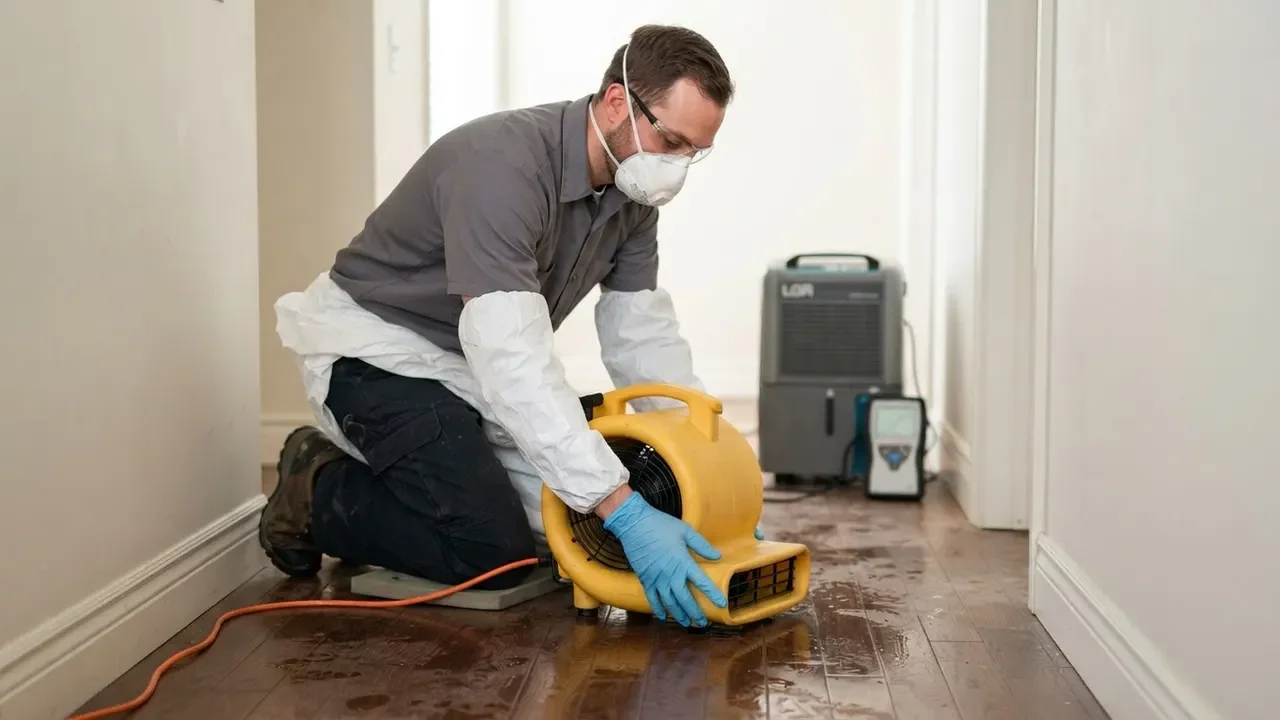
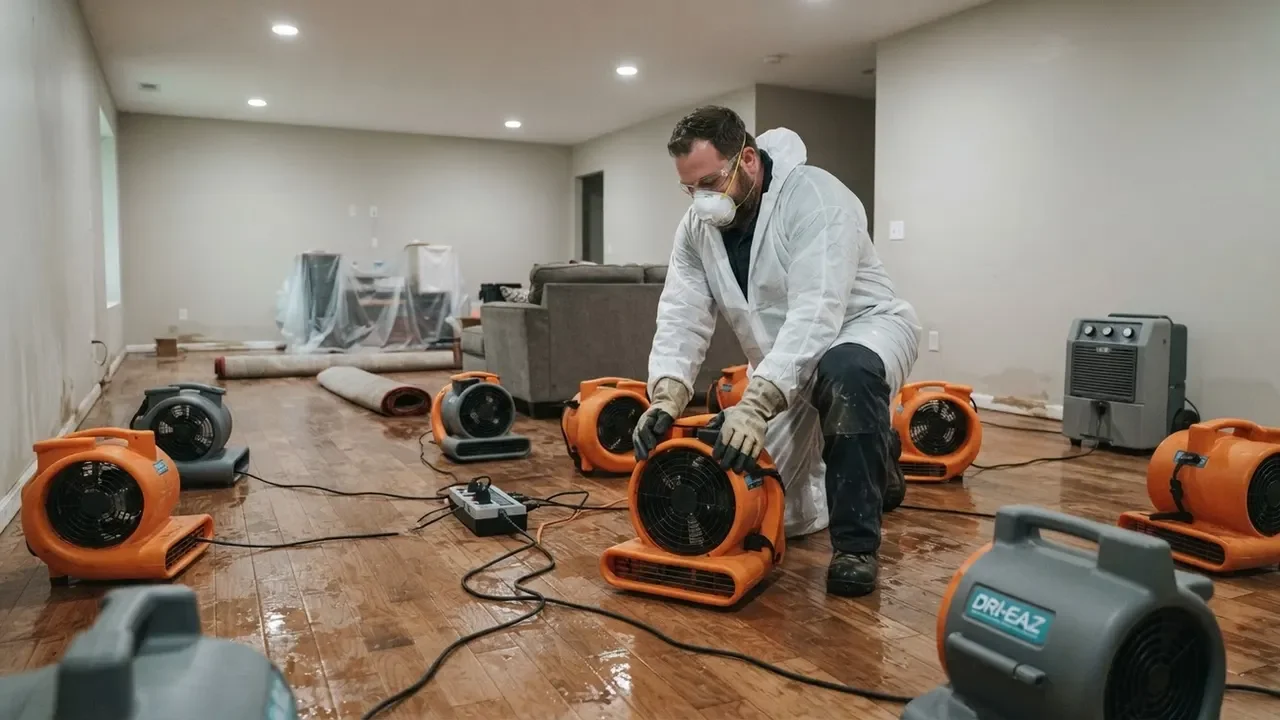
Water Damage Restoration in Haverhill: restoration technician setting up an axial air mover to direct airflow across a damp

Water Damage Restoration

We restore water-damaged rooms around Kenoza Avenue and Lake Street by addressing the source, extracting water, and drying affected building materials. Your plan can include inspection of drywall, insulation, flooring, and baseboards. We document what is wet and explain which materials can be dried and which need removal so you can make decisions based on the actual damage.

View Details
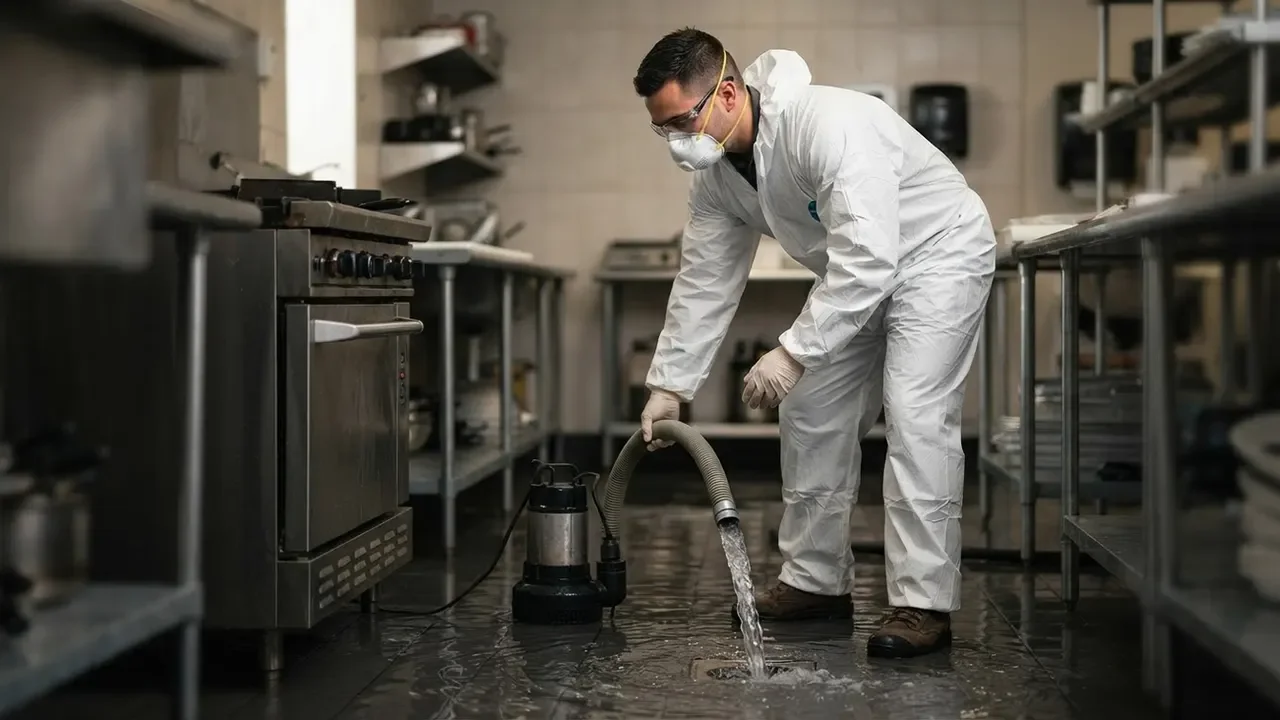
Emergency Water Extraction in Haverhill: restoration technician using a submersible pump to quickly remove a significant

Emergency Water Extraction

When water is spreading across a basement or first floor near Kenoza Lake, we use extraction equipment to remove standing water before it migrates farther into flooring and wall edges. We prioritize active leaks and safety hazards, then check low points and adjoining rooms. Fast removal limits the time water sits in carpet padding, rugs, and other porous materials.

View Details
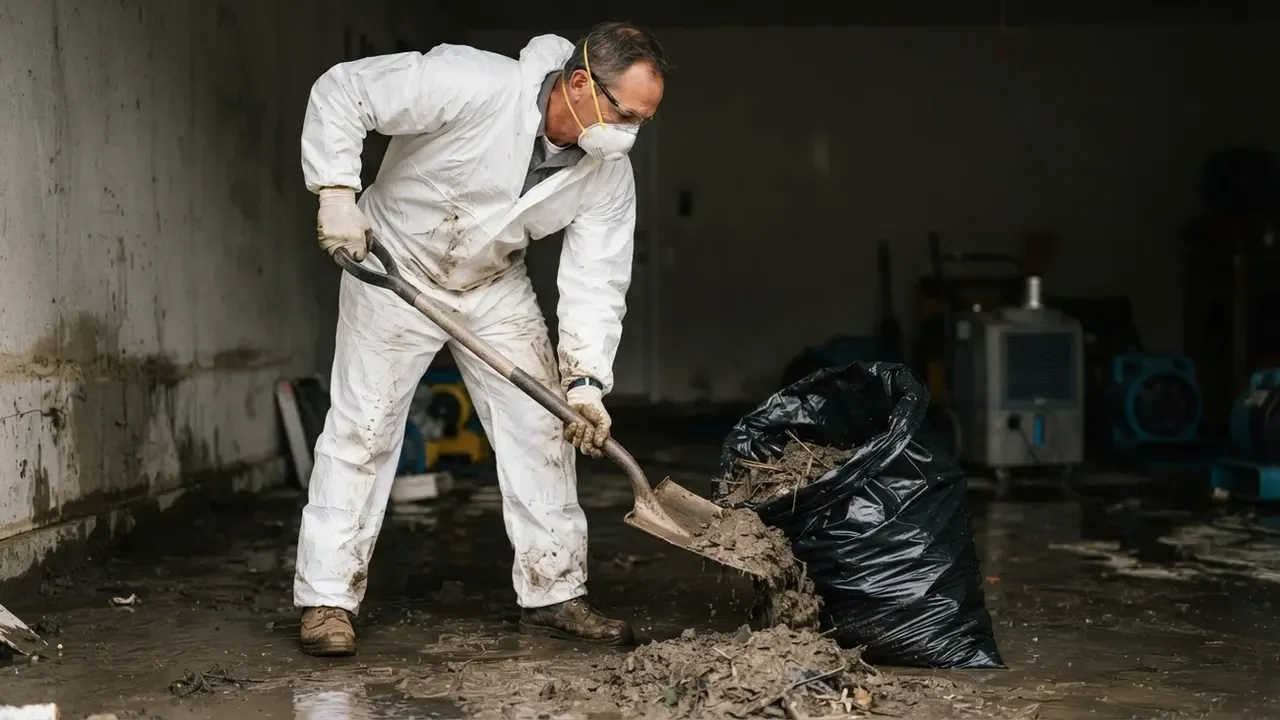
Flood Cleanup in Haverhill: restoration technician shoveling mud and debris into heavy-duty waste bags from a flooded garage

Flood Cleanup

Storm runoff and sudden flooding can leave silt, debris, and contaminated water in lower levels. Our flood cleanup for Kenoza Lake homes starts with a safety assessment, water removal, and separation of salvageable contents from damaged materials. We clean affected surfaces, set drying equipment, and check enclosed spaces where moisture may remain after the visible water is gone.

View Details
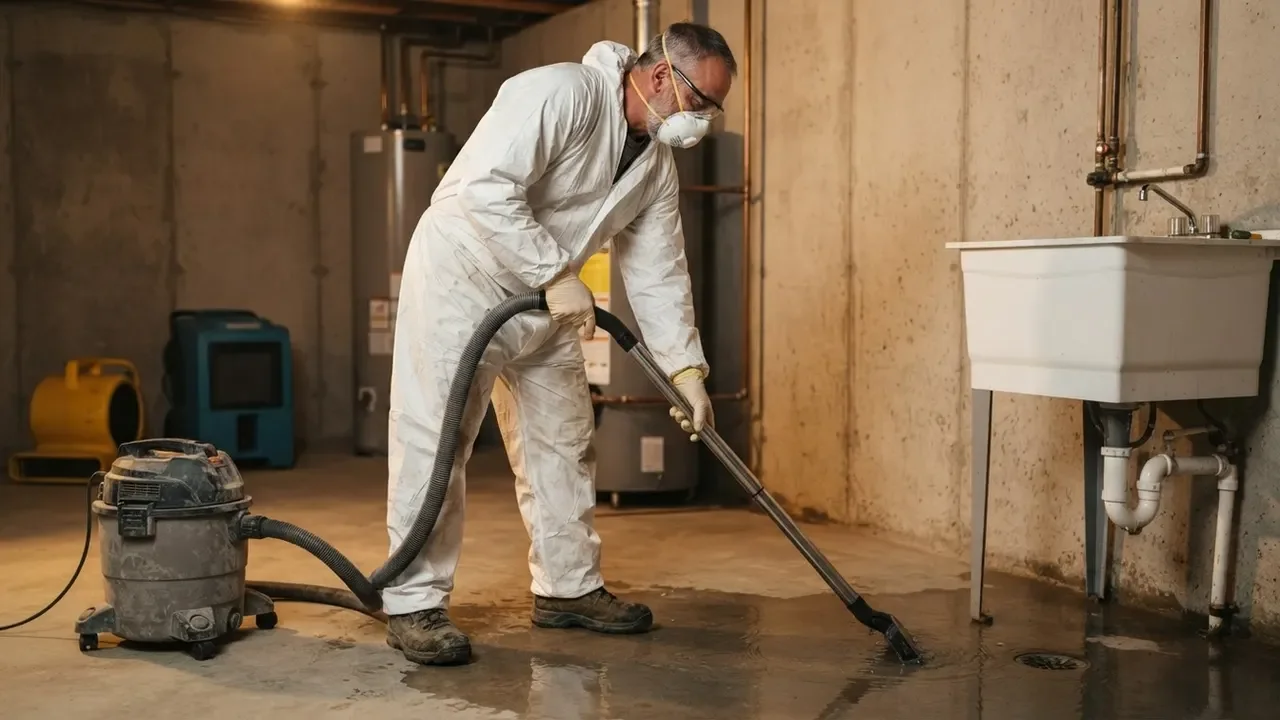
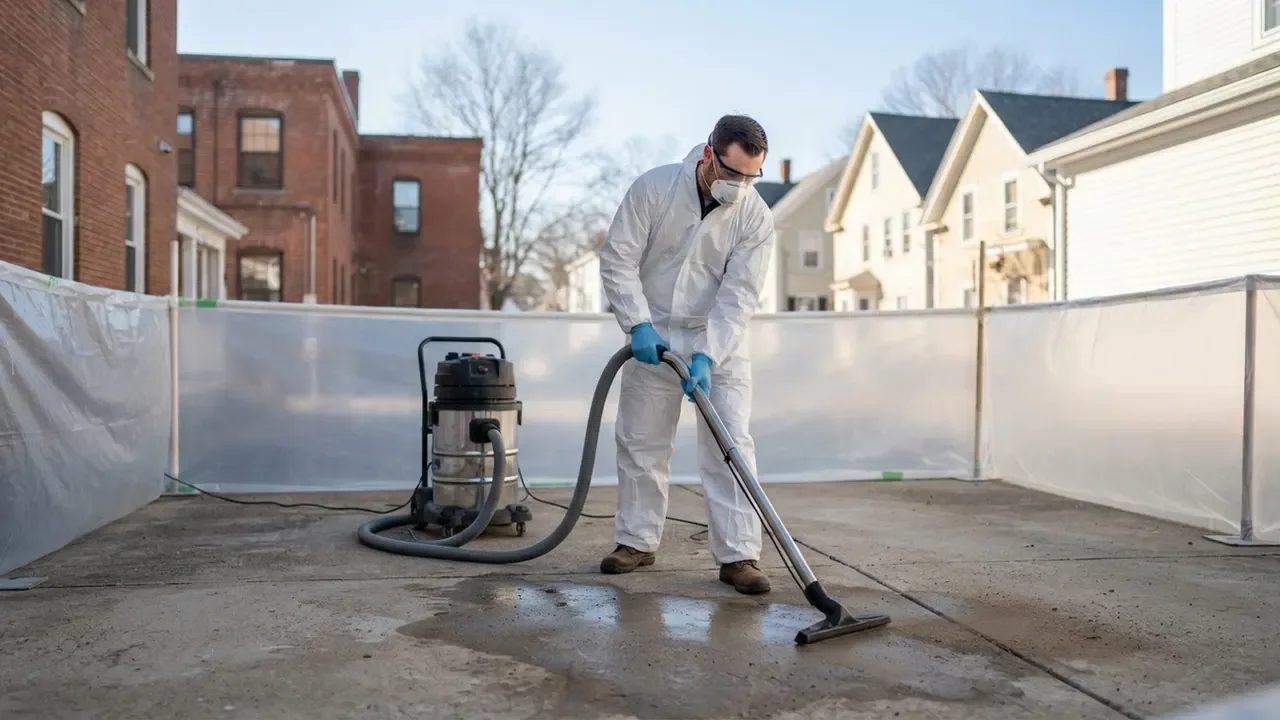
Basement Water Removal in Haverhill: restoration technician using a wet/dry vacuum to remove residual water from a basement

Basement Water Removal

Older homes with basement seepage need more than a wet vacuum. We remove standing water, inspect the floor-wall joint, and check whether a sump pump or drain issue is contributing to the loss. For properties near Bradford Common, we also look for moisture migration into stored belongings, carpet padding, and finished wall cavities before placing drying equipment.

View Details
Sewage Backup Cleanup in Haverhill: restoration technician in full PPE carefully removing and bagging contaminated porous

Sewage Backup Cleanup

A sewage backup needs controlled cleanup, not ordinary household drying. We isolate affected areas, remove contaminated water and porous waste, and clean hard surfaces using appropriate procedures. If a floor drain backs up in your Kenoza Lake basement, keep people and pets away and tell us what rooms are affected so we can plan safe access and disposal.

View Details
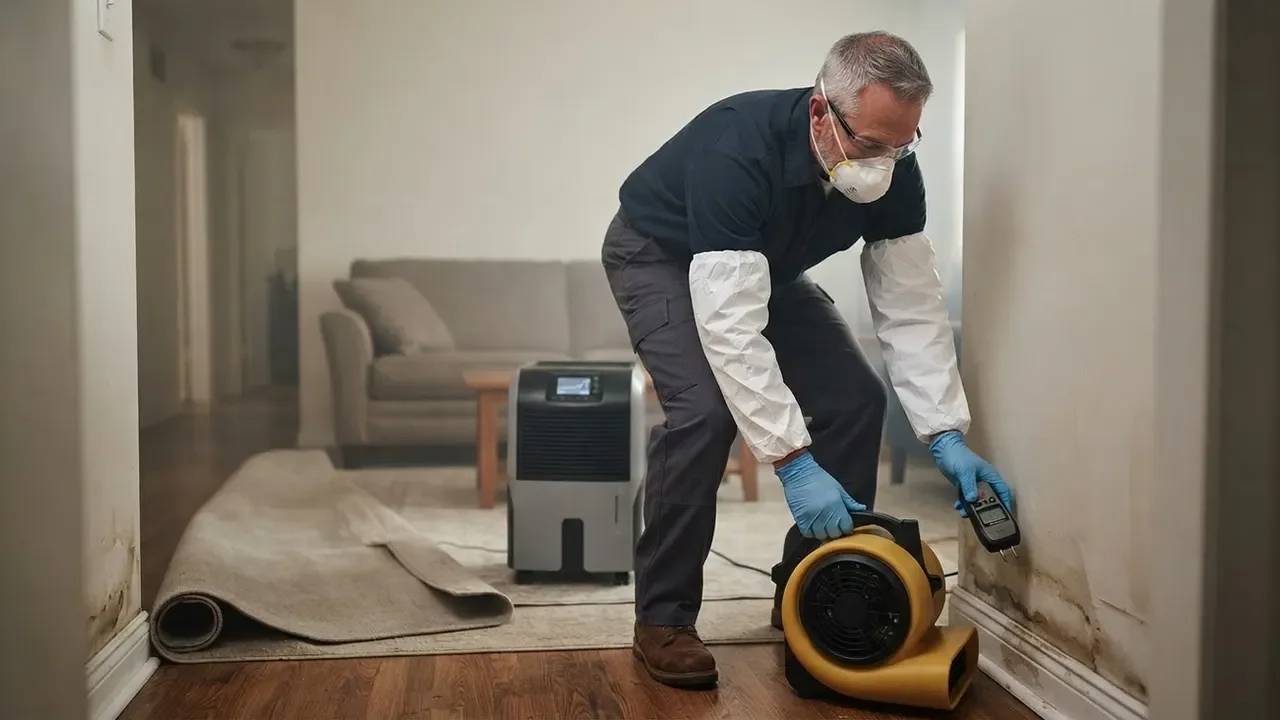
Storm Damage Restoration in Haverhill: restoration technician using a moisture meter to check the moisture content of a wall

Storm Damage Restoration

Wind-driven rain, roof openings, and storm runoff can affect roofs, ceilings, and basements in one event. We document the water path, remove wet materials when needed, and dry the structure after the opening is stabilized. Near Kenoza Lake, we pay attention to water entering at foundation edges and to ceiling stains that continue spreading after rainfall ends.

View Details
Burst Pipe Repair and Cleanup in Haverhill: restoration technician setting up a targeted air mover to dry a wall cavity in a

Burst Pipe Repair and Cleanup

A burst pipe can soak cabinets, walls, and floors before you find the shutoff. We help contain the water loss, extract water, and assess nearby materials after the plumbing source is controlled. For winter calls near Chadwick Street, tell us whether the pipe has been shut off and whether water reached an electrical panel or finished basement.

View Details
Roof Leak Water Damage Repair in Haverhill: restoration technician inspecting water stains on an attic ceiling joist

Roof Leak Water Damage Repair

A roof leak can travel along framing before it appears as a ceiling stain. We trace the visible damage, check nearby insulation and ceiling materials, and dry the affected area after the roof opening is protected. If a leak appears after a storm near Salem Street, take photos from a safe location and avoid disturbing a sagging ceiling.

View Details
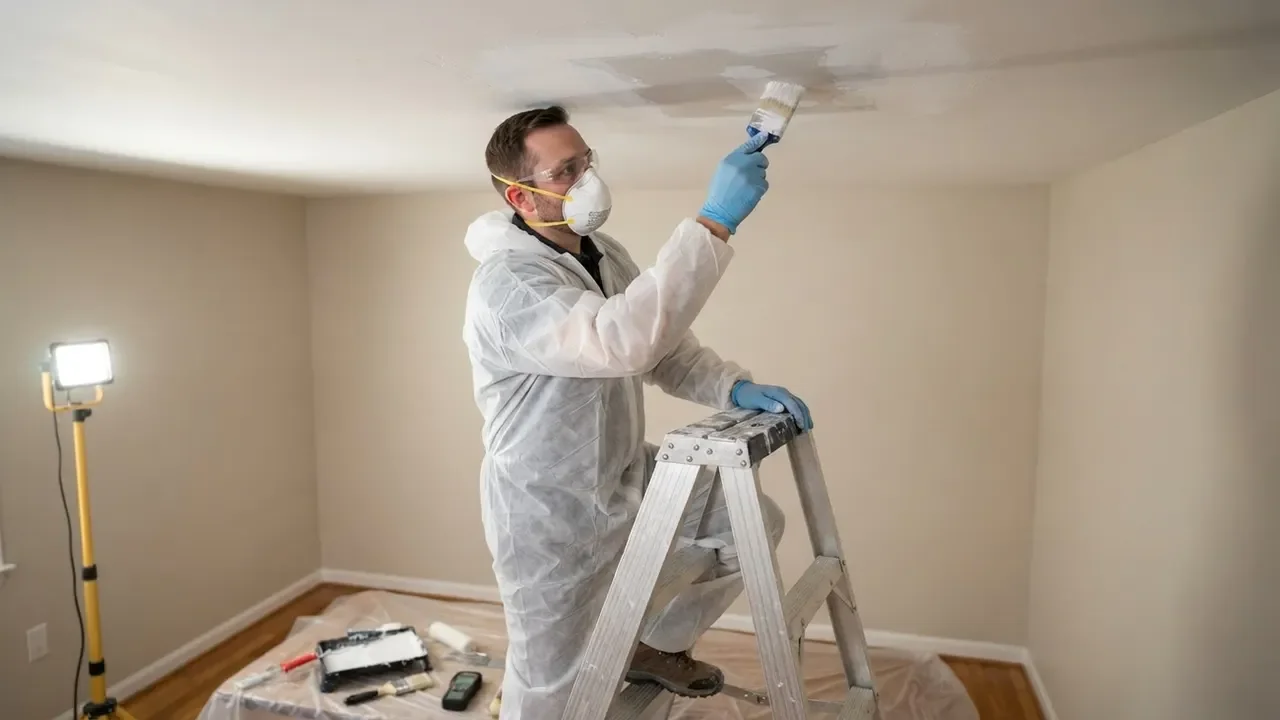
Ceiling Water Damage Repair in Haverhill: restoration technician applying a primer to a dried, repaired section of a

Ceiling Water Damage Repair

We assess ceiling stains, bubbling paint, and soft drywall to find whether water is still entering from above. Our crew checks the surrounding area before removing compromised material and setting drying equipment. If the ceiling is bulging, keep clear of it; trapped water can add weight and make a small leak a larger interior repair.

View Details
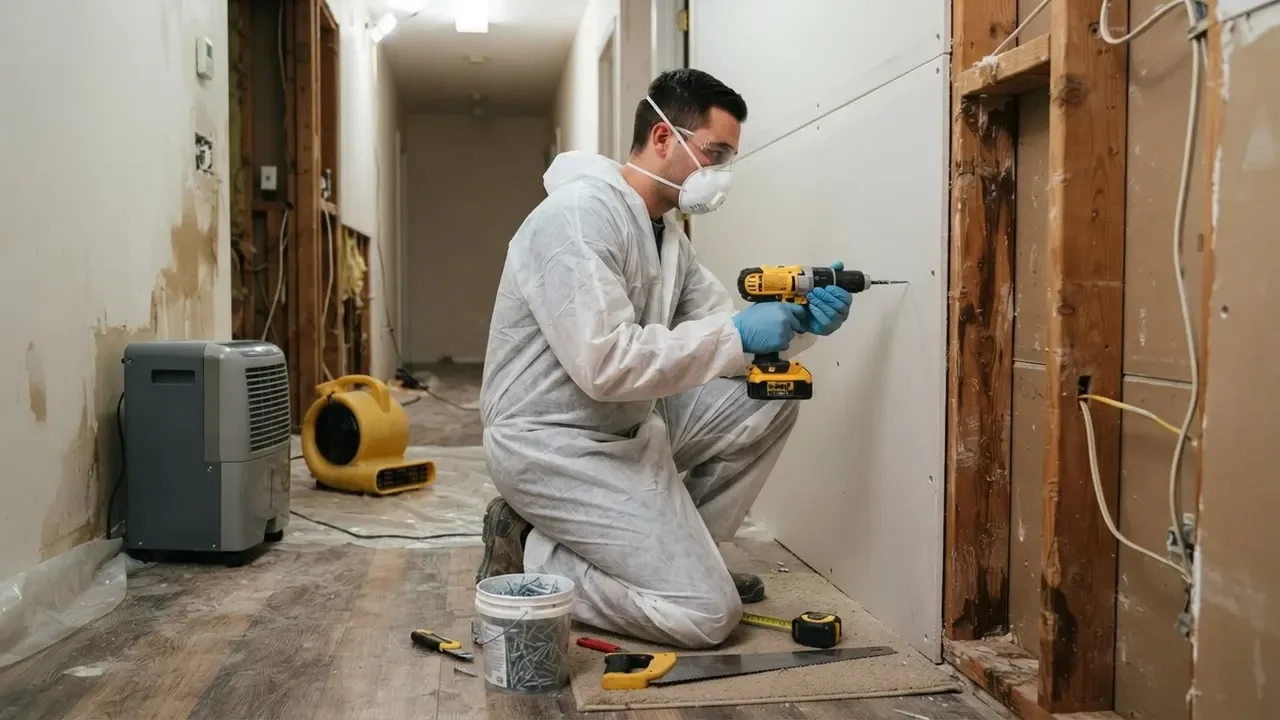
Drywall Water Damage Repair in Haverhill: restoration technician installing a new section of drywall into a previously

Drywall Water Damage Repair

Wet drywall can conceal insulation and framing moisture, especially after a pipe leak inside a wall. We map the affected area, check moisture beyond the visible stain, and dry or remove materials according to their condition. You get a clear record of the wet boundary before repair work, helping prevent a cosmetic patch over a still-damp cavity.

View Details
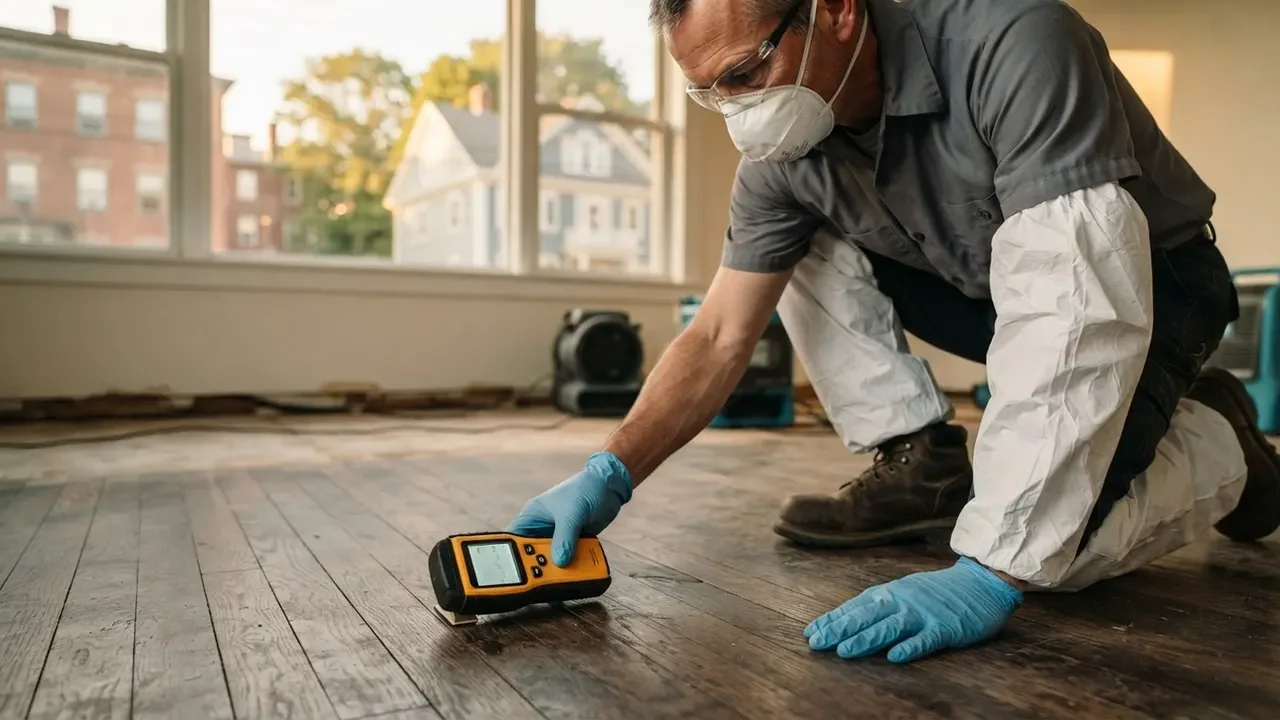
Water Damage Inspection and Assessment in Haverhill: restoration technician using a non-penetrating moisture meter on a

Water Damage Inspection and Assessment

Our inspection documents the water source, affected rooms, material conditions, and moisture readings for Kenoza Lake properties. We check floors, wall edges, ceilings, and accessible cavities, then explain the immediate priorities. This assessment helps distinguish a small surface spill from a leak that has moved under hardwood flooring or behind baseboard.

View Details
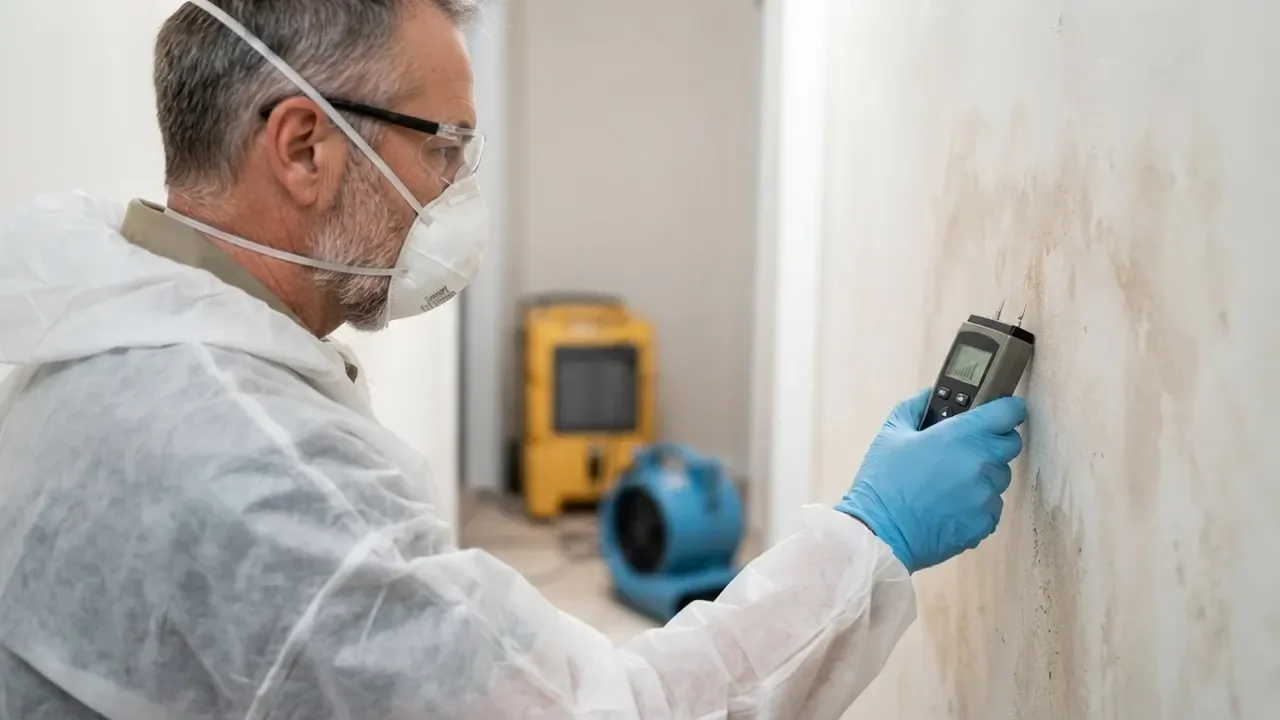
Moisture Detection and Thermal Imaging in Haverhill: restoration technician pressing a pin-type moisture meter into a

Moisture Detection and Thermal Imaging

We use moisture detection to look beyond visible staining when a roof leak or plumbing failure has traveled through a wall or ceiling. Thermal imaging can help locate temperature patterns that warrant closer testing, while direct moisture readings confirm conditions. We explain what each reading means and avoid treating an image alone as proof of hidden water.

View Details
Structural Drying and Dehumidification in Haverhill: restoration technician positioning multiple axial air movers in a grid

Structural Drying and Dehumidification

Structural drying uses controlled airflow and dehumidification to remove moisture from materials that can be saved. We position air movers and a dehumidifier based on room layout, then take follow-up readings to track progress. In humid lake-area conditions, equipment settings and ventilation matter; we adjust the setup as the building responds rather than leaving it unchecked.

View Details
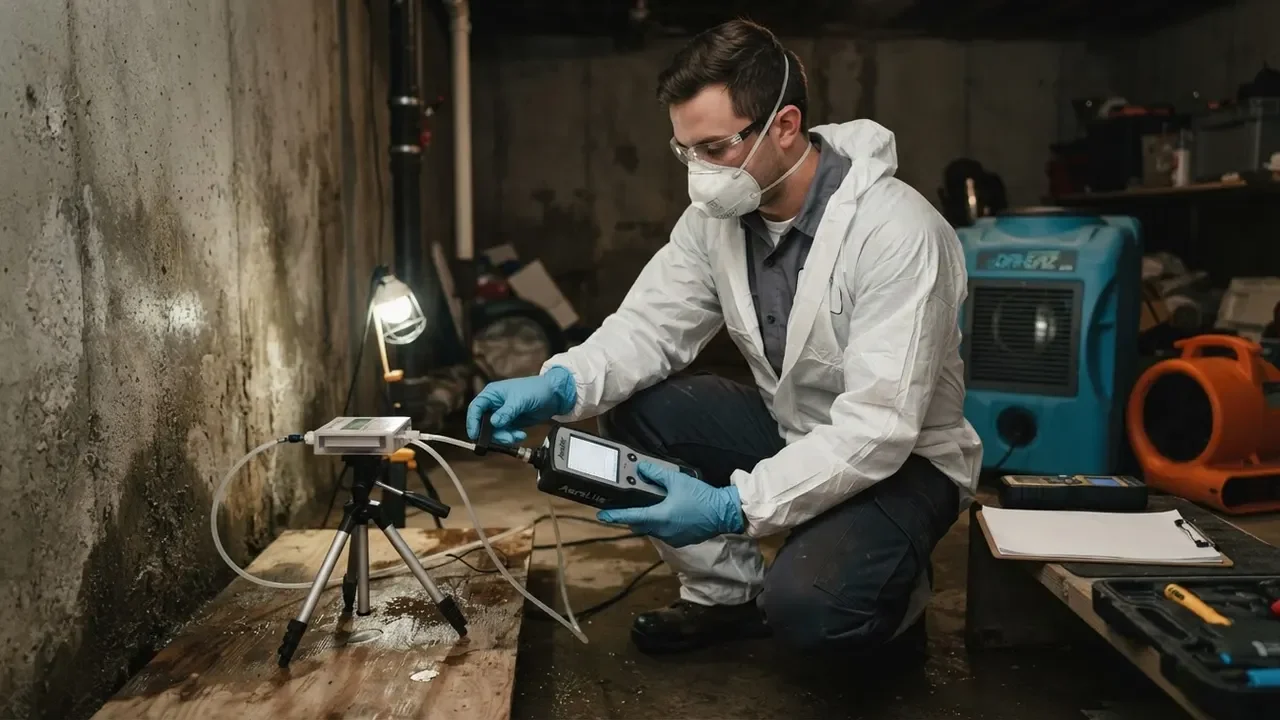
Mold Inspection and Testing in Haverhill: restoration technician carefully collecting an air sample with a specialized pump

Mold Inspection and Testing

If damp materials remained wet or a musty odor persists, we inspect for conditions that support mold growth. We look for moisture sources first and review visible surfaces and affected cavities where access allows. Testing is discussed when it answers a specific question; drying and correcting the water problem remain essential to preventing continued growth.

View Details
Mold Remediation in Haverhill: restoration technician in full PPE using a HEPA-filtered vacuum to clean mold spores from a

Mold Remediation

Mold remediation addresses affected materials and the moisture condition that allowed growth. We isolate work areas where appropriate, remove materials that cannot be cleaned, and clean remaining surfaces using suitable methods. For Kenoza Lake homes with recurring basement dampness, we also identify the water pathway so the cleanup is not treated as a stand-alone cosmetic fix.

View Details
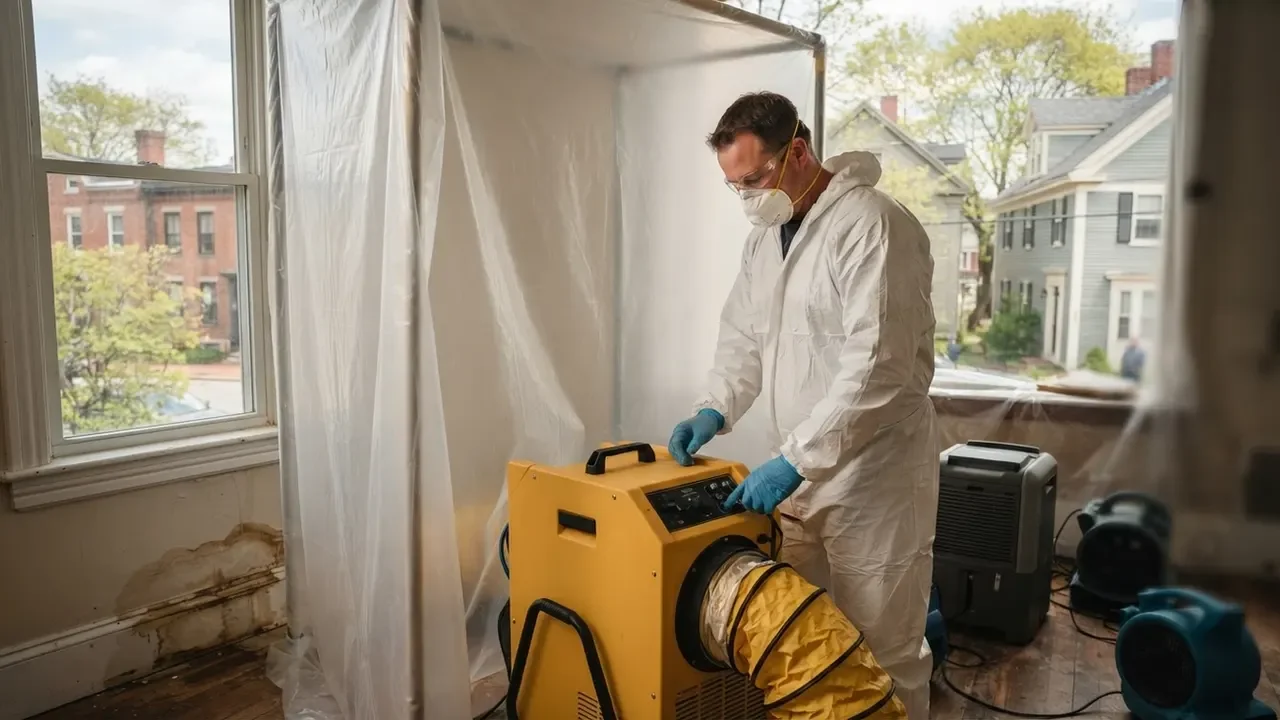
Black Mold Removal in Haverhill: restoration technician in full PPE operating a HEPA air scrubber in a containment zone to

Black Mold Removal

Dark spotting is not enough to identify a mold species, so we assess the affected material and moisture conditions before planning removal. We contain the work area as needed, remove unsalvageable porous materials, and clean remaining surfaces. If you see growth after a leak, avoid dry brushing it and call so the source and extent can be checked.

View Details
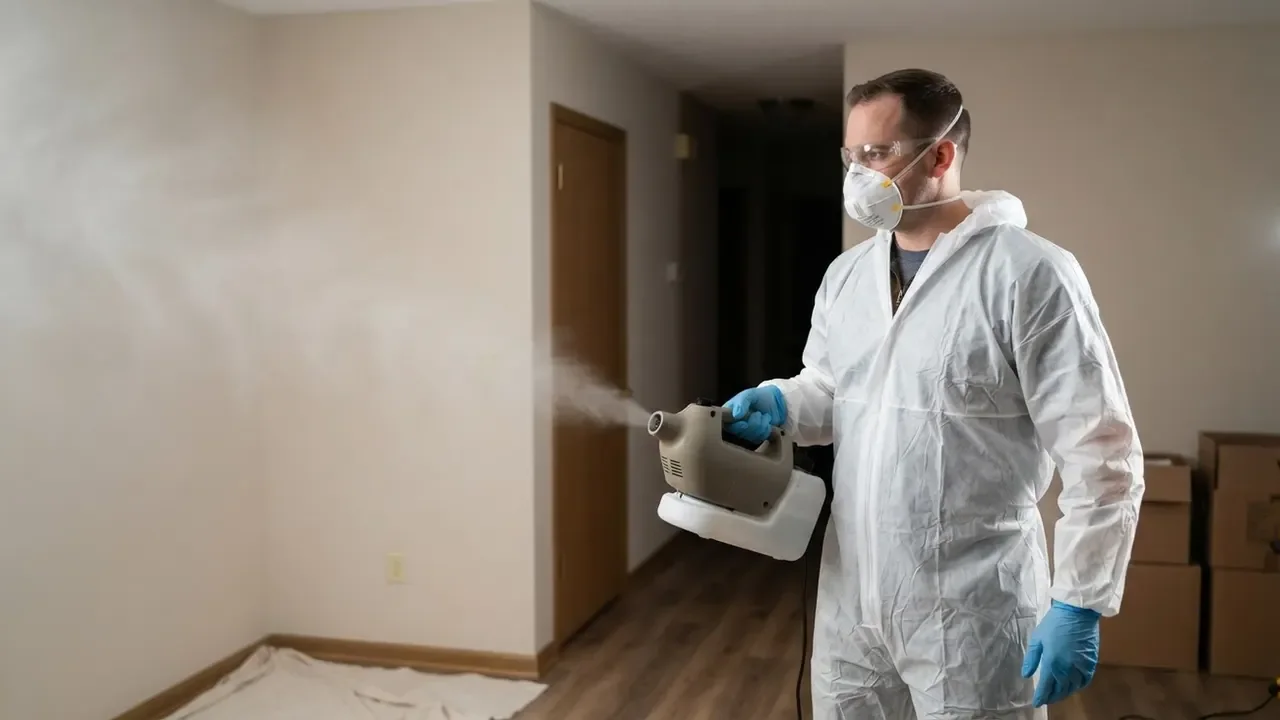
Odor Removal and Deodorization in Haverhill: restoration technician using a fogging machine to dispense an odor-neutralizing

Odor Removal and Deodorization

Musty odors often point to moisture in concealed materials, not just stale air. We look for wet carpet padding, wall cavities, or stored contents before applying odor treatment. Once the source is dry or removed, we clean affected surfaces and use deodorization suited to the material, rather than masking an active moisture problem.

View Details
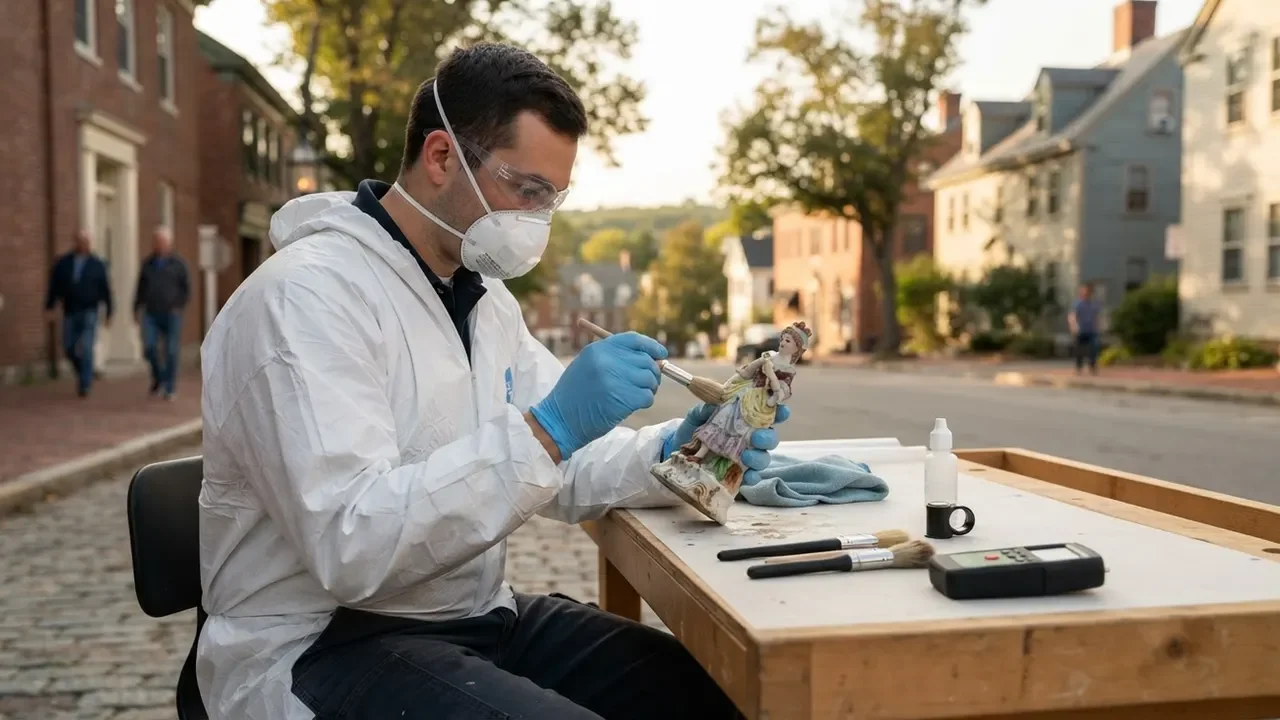
Content Cleaning and Restoration in Haverhill: restoration technician using a small, soft brush to clean intricate details

Content Cleaning and Restoration

We sort water-affected household contents into items for cleaning, drying, or disposal, with attention to contamination and material type. Furniture, boxes, and belongings stored in a Kenoza Lake basement are evaluated separately from structural materials. We label and document items so you can follow what was handled and what needs additional restoration.

View Details
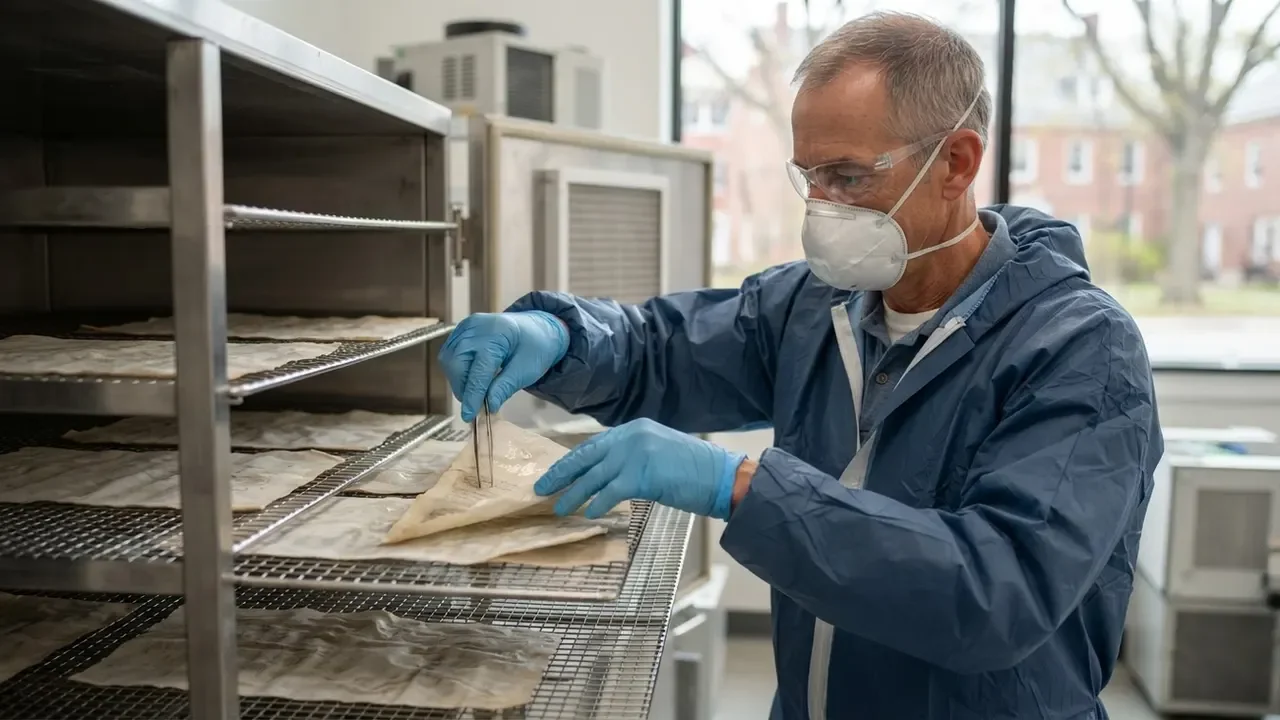
Document Drying and Restoration in Haverhill: restoration technician carefully separating damp paper documents and arranging

Document Drying and Restoration

Wet papers and family documents need careful handling before pages bond or ink transfers. We separate affected items, prioritize items you identify as important, and use appropriate drying methods. If documents were exposed to clean water, keep them cool and avoid stacking them tightly while you arrange help; sewage exposure requires additional precautions.

View Details
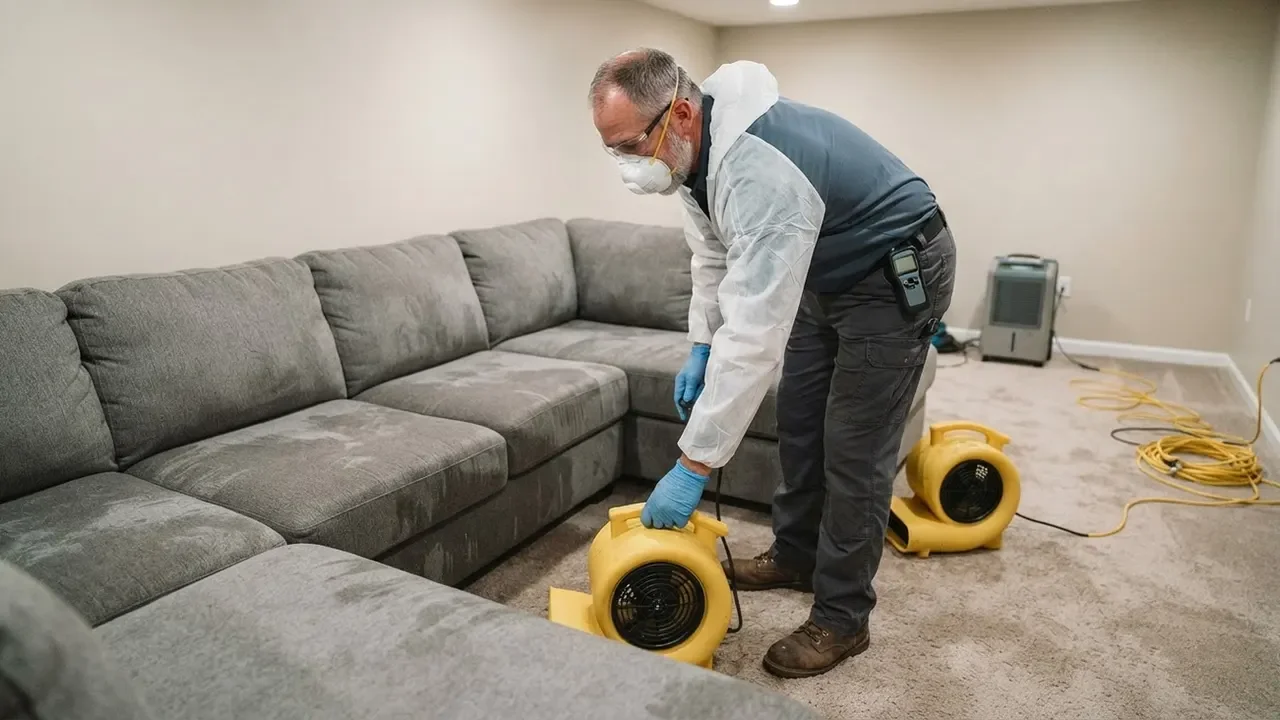
Furniture and Upholstery Water Damage Restoration in Haverhill: restoration technician setting up targeted air movers around

Furniture and Upholstery Water Damage Restoration

Upholstered furniture can hold moisture in cushions and internal layers even after the exterior feels dry. We assess the water category, fabric, and extent of saturation before cleaning or drying. For a basement loss near Kenoza Lake, move unaffected items away from the wet area and leave heavy pieces for trained handling when they are waterlogged.

View Details
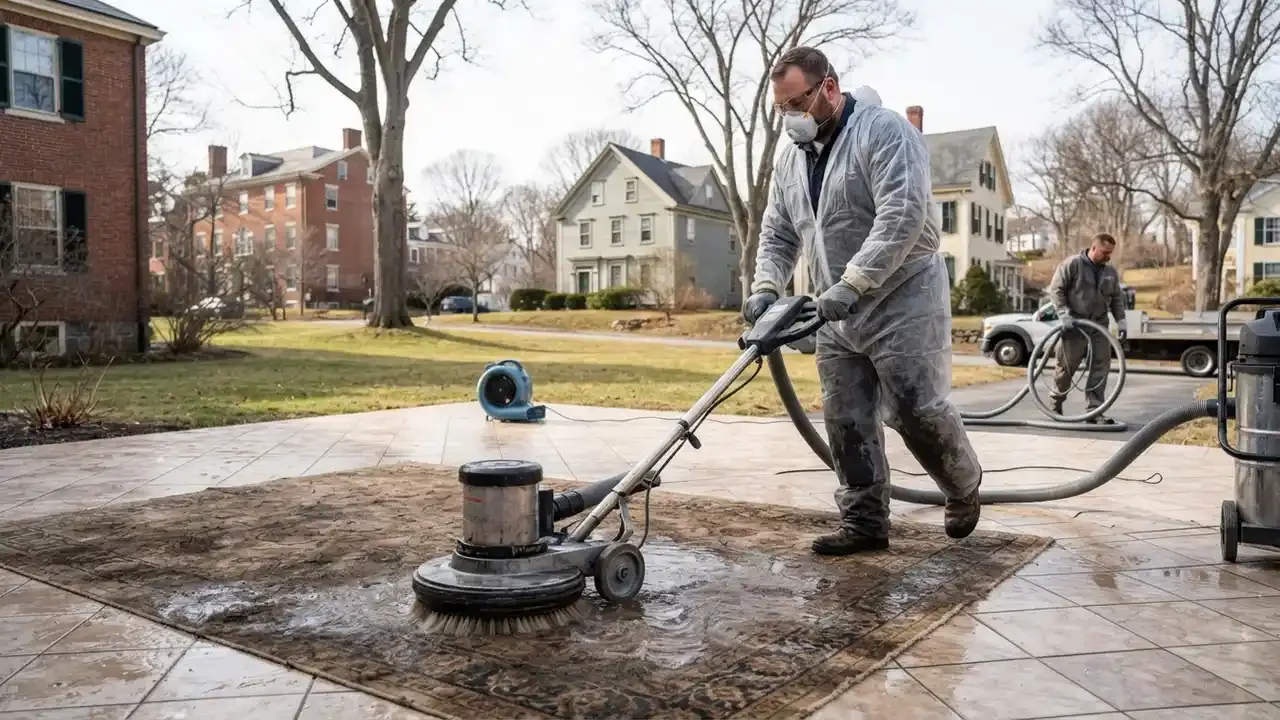
Carpet and Rug Water Extraction and Cleaning in Haverhill: restoration technician using a deep-cleaning rotary machine on a

Carpet and Rug Water Extraction and Cleaning

We extract water from carpet and evaluate the padding and subfloor beneath it. Clean-water exposure may allow some materials to be dried, while contaminated water calls for a different removal plan. Our technicians check edges and transitions rather than judging by the carpet surface alone, then use airflow and dehumidification to dry the remaining structure.

View Details
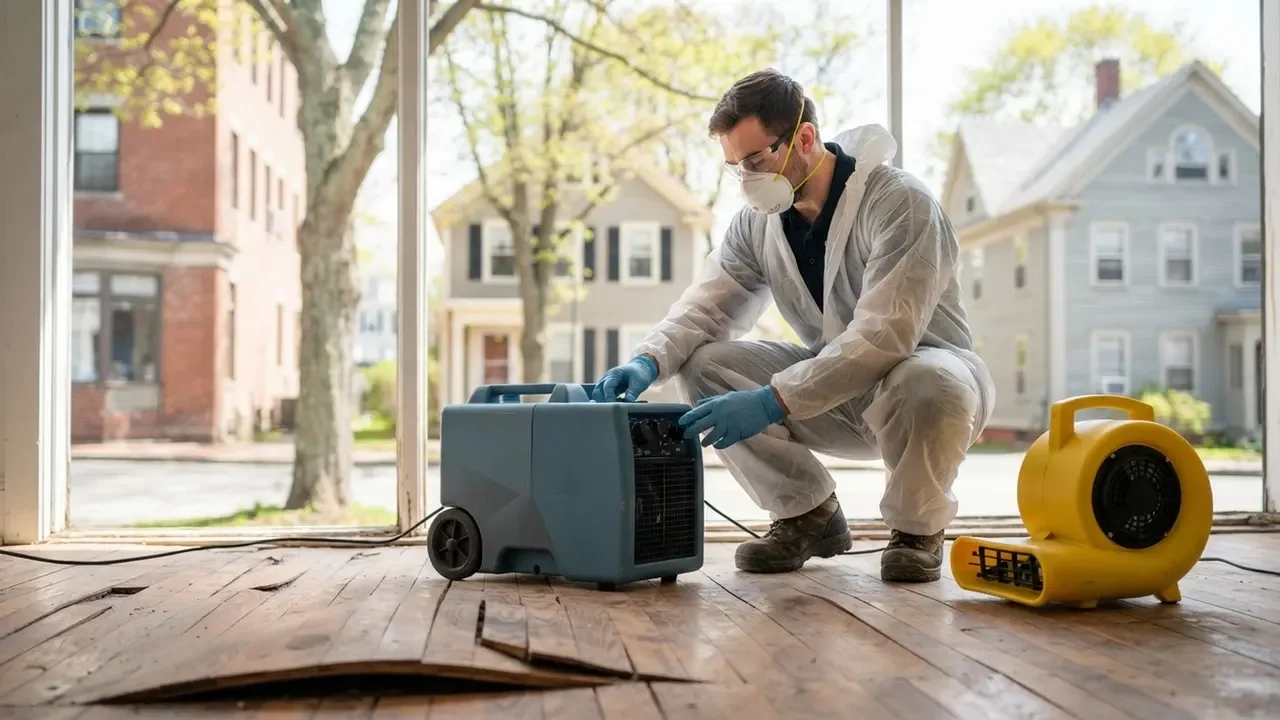
Hardwood Floor Water Damage Restoration in Haverhill: restoration technician setting up an industrial dehumidifier and air

Hardwood Floor Water Damage Restoration

Hardwood can cup, swell, or separate after water reaches the boards or subfloor. We extract surface water, inspect affected edges, and monitor moisture levels before recommending the next step. Avoid aggressive heat or sanding while the floor is wet; controlled drying gives the material time to respond and helps clarify whether boards can be retained.

View Details
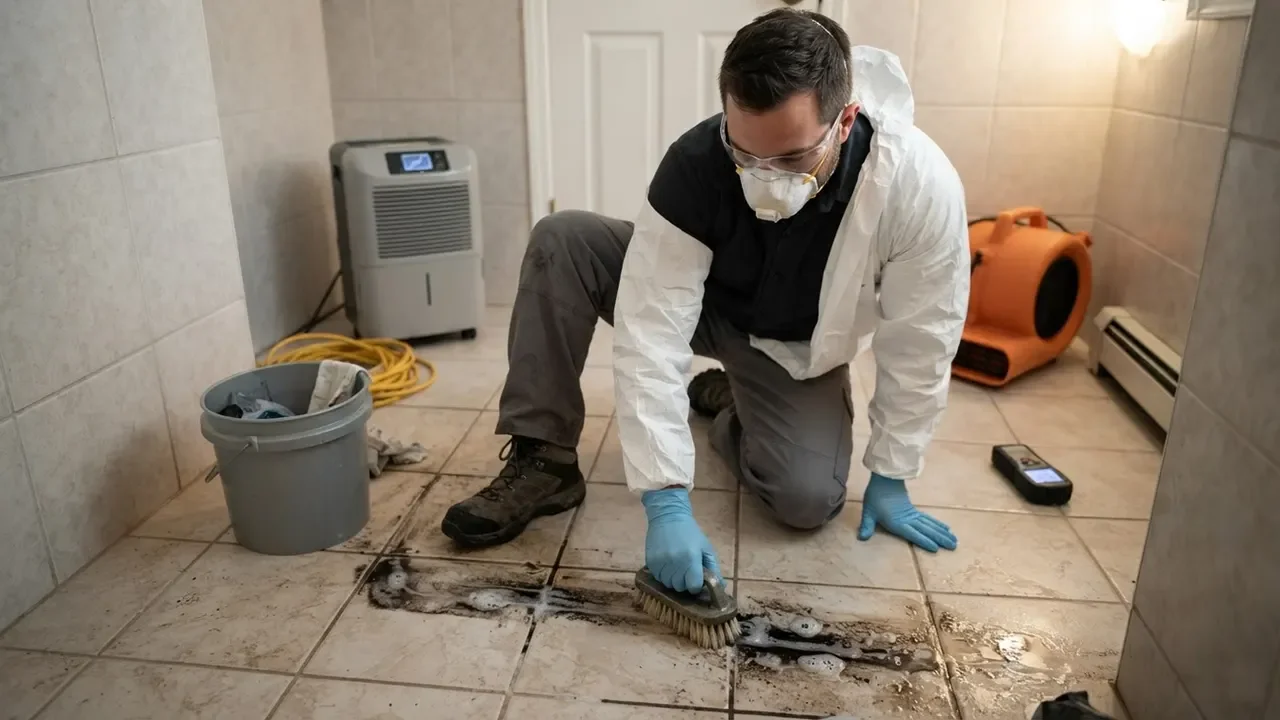
Tile and Grout Water Damage Restoration in Haverhill: restoration technician scrubbing discolored grout lines on a bathroom

Tile and Grout Water Damage Restoration

Tile sheds surface water, but grout lines and the underlayment can hold moisture after a leak or overflow. We check the surrounding baseboard, adjoining flooring, and accessible subfloor to locate migration. If the tile is loose or the grout is darkened, we assess the assembly rather than assuming the surface is the only affected part.

View Details
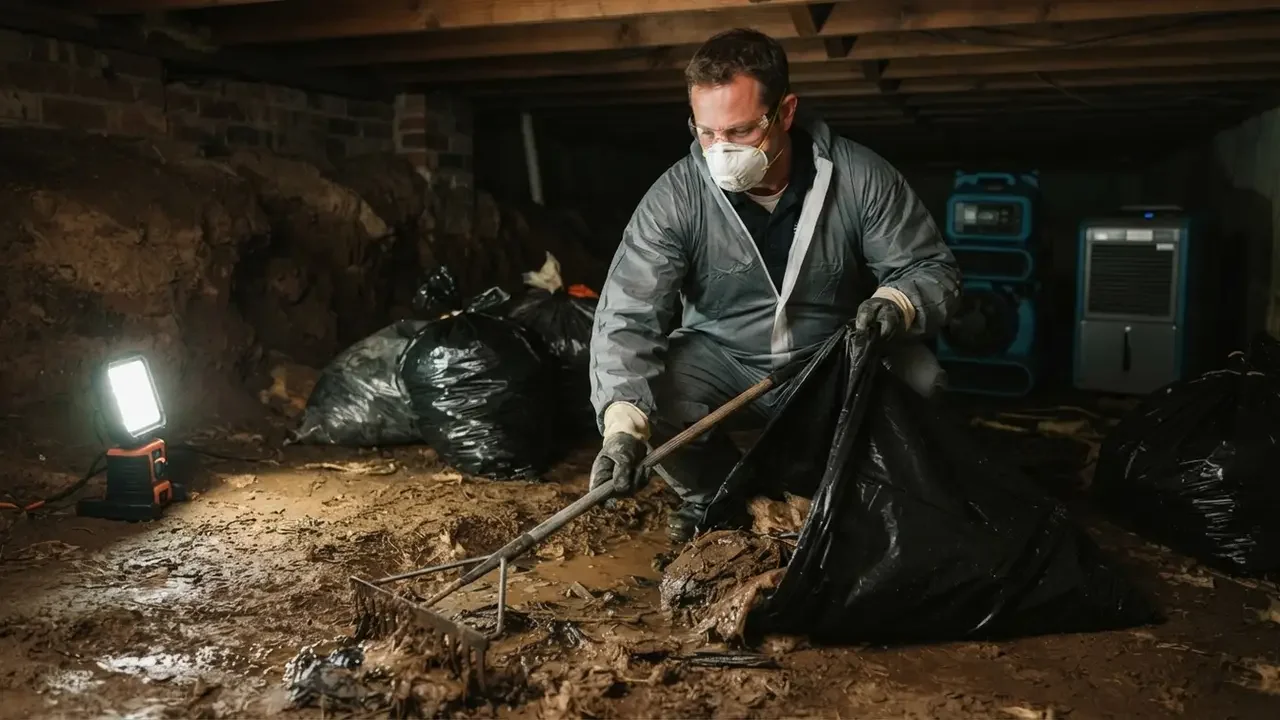
Crawl Space Water Removal and Drying in Haverhill: restoration technician raking away wet debris and mud from the dirt floor

Crawl Space Water Removal and Drying

Standing water or crawl space moisture can affect framing, insulation, and indoor air conditions. We inspect access, remove water where present, and set drying equipment suited to the space. For properties with a vapor barrier, we check whether it is displaced or holding water and record conditions before completing the drying plan.

View Details
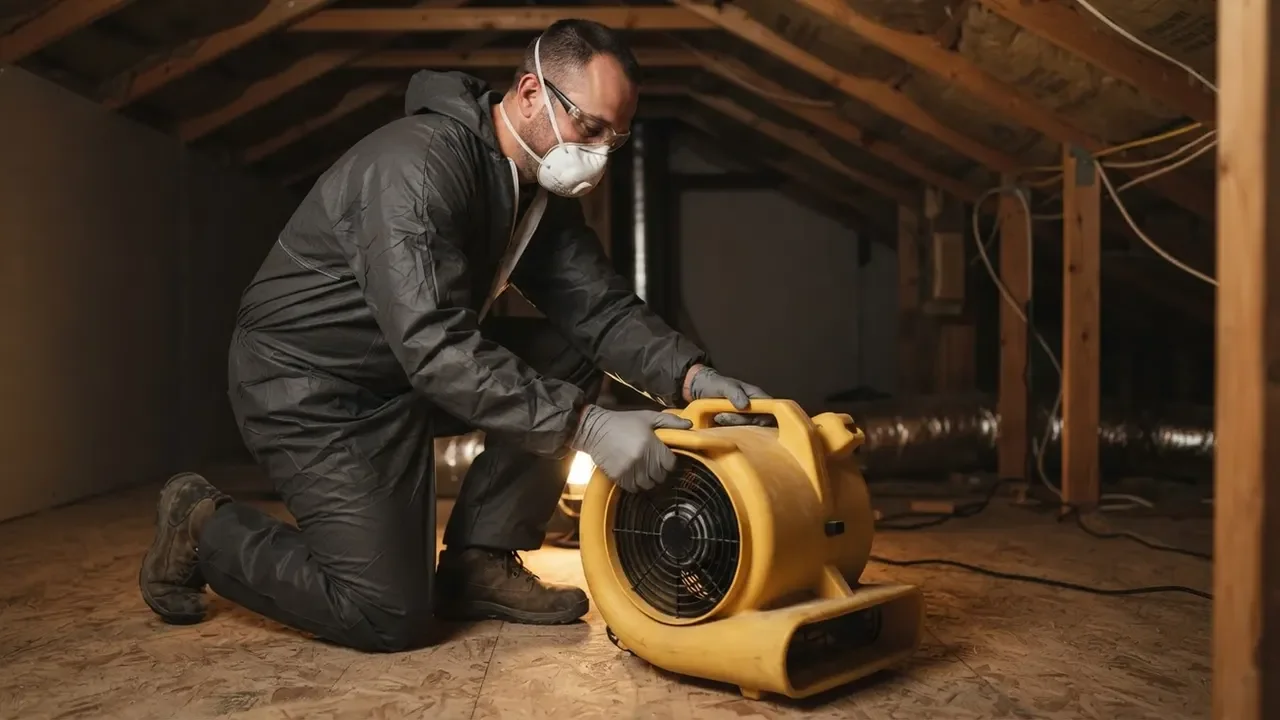
Attic Water Damage Restoration in Haverhill: restoration technician setting up a large industrial fan in a vented attic

Attic Water Damage Restoration

Roof leaks can wet attic insulation and framing before stains appear below. We inspect accessible areas, identify the likely water path, and remove or dry affected materials based on their condition. When you notice ceiling water stains after a storm, avoid entering an unsafe attic and tell us whether the leak is still active.

View Details
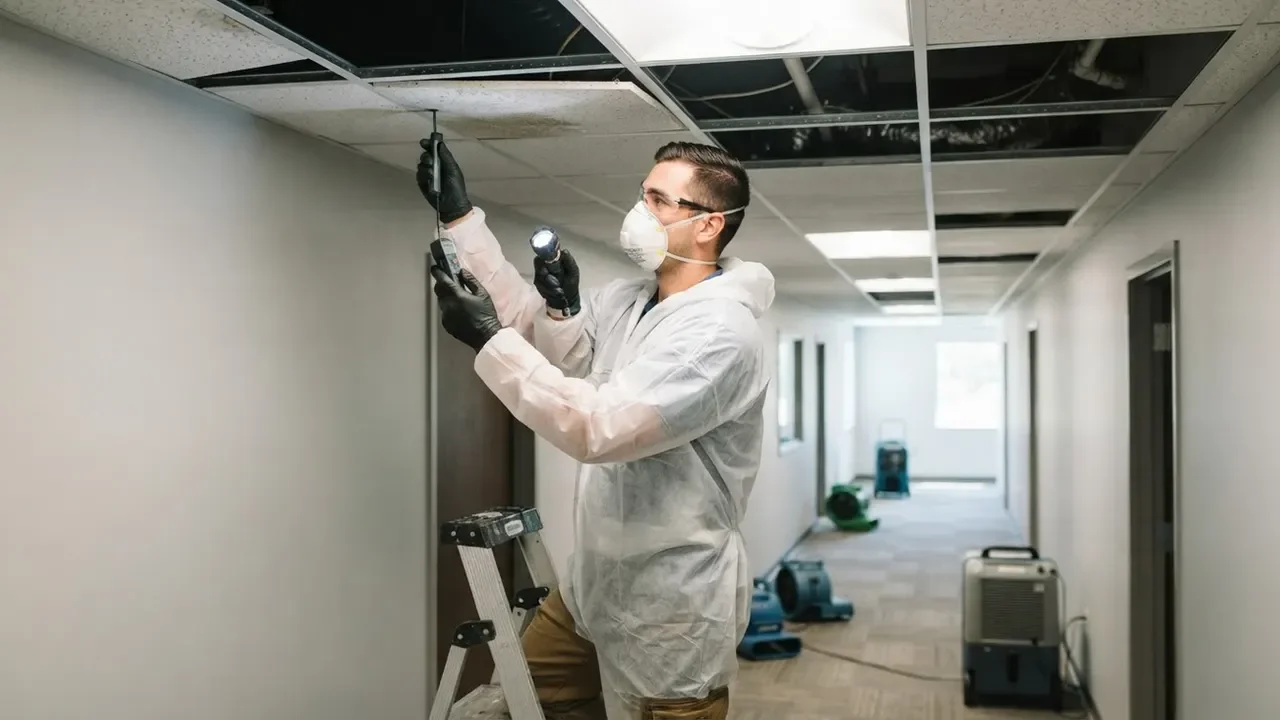
Commercial Water Damage Restoration in Haverhill: restoration technician carefully inspecting a suspended ceiling tile grid

Commercial Water Damage Restoration

A water loss in a small business needs a plan that limits damage while protecting safe access for staff and customers. We identify the affected work areas, remove water, and organize drying equipment around operations where possible. Our Haverhill-area coverage includes commercial calls serving the Kenoza Lake community and nearby business routes.

View Details
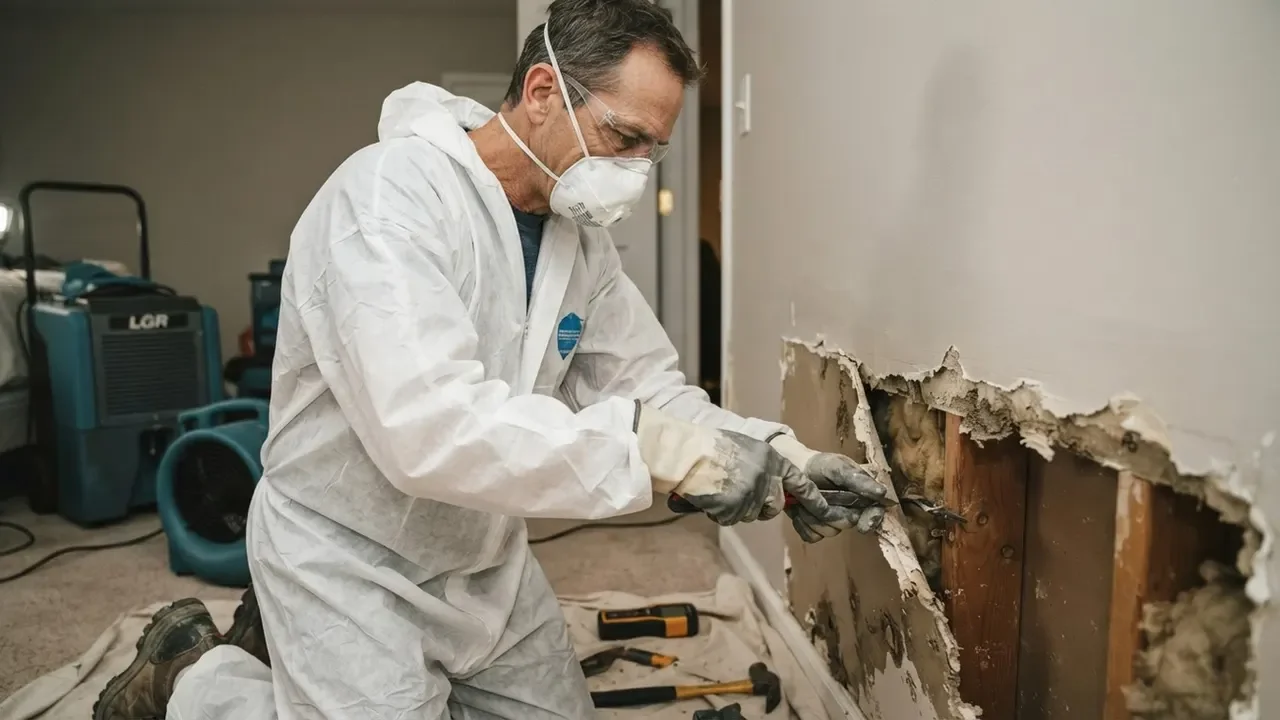
Residential Water Damage Restoration in Haverhill: restoration technician carefully removing a section of water-damaged

Residential Water Damage Restoration

We handle residential water losses from a single wet room to multiple affected floors. Your crew identifies the source, protects unaffected areas, extracts water, and monitors drying. Homes near Kenoza Lake can have finished basements, older plumbing, or mixed flooring materials, so we tailor the work sequence to the construction instead of applying one fixed setup.

View Details
Apartment and Condo Water Damage Restoration in Haverhill: restoration technician deploying a small, quiet air mover and

Apartment and Condo Water Damage Restoration

Water can move between units through ceilings, wall cavities, and shared plumbing chases. We document affected rooms, coordinate access with occupants or property managers, and keep equipment placement clear of common paths. If your unit near Bradford Common has a ceiling leak, report the source and any adjoining units already affected.

View Details
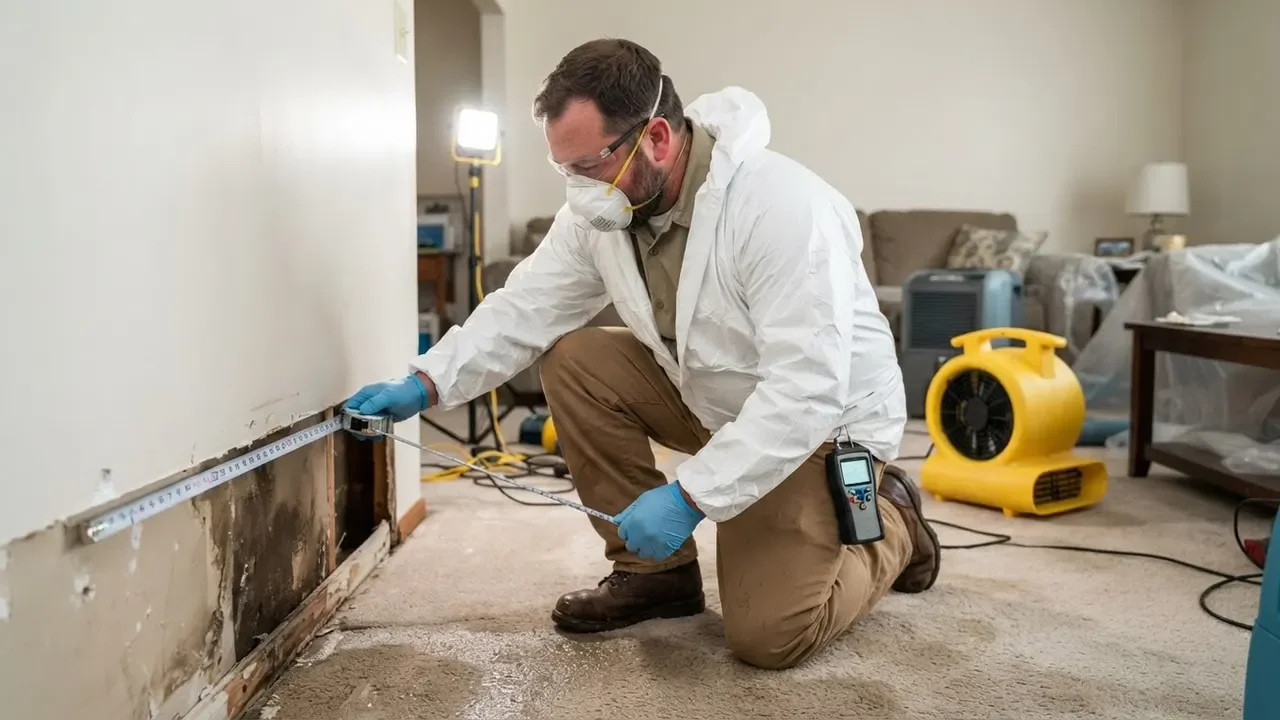
Insurance Claim Assistance in Haverhill: restoration technician carefully measuring the dimensions of a water-affected area

Insurance Claim Assistance

We document damage with photographs, moisture readings, and a clear work record to support your claim discussion. Our team can prepare repair estimates using Xactimate where appropriate, but your policy and carrier determine coverage. Keep receipts and note when you first discovered the loss; we help organize the restoration details for your adjuster.

View Details
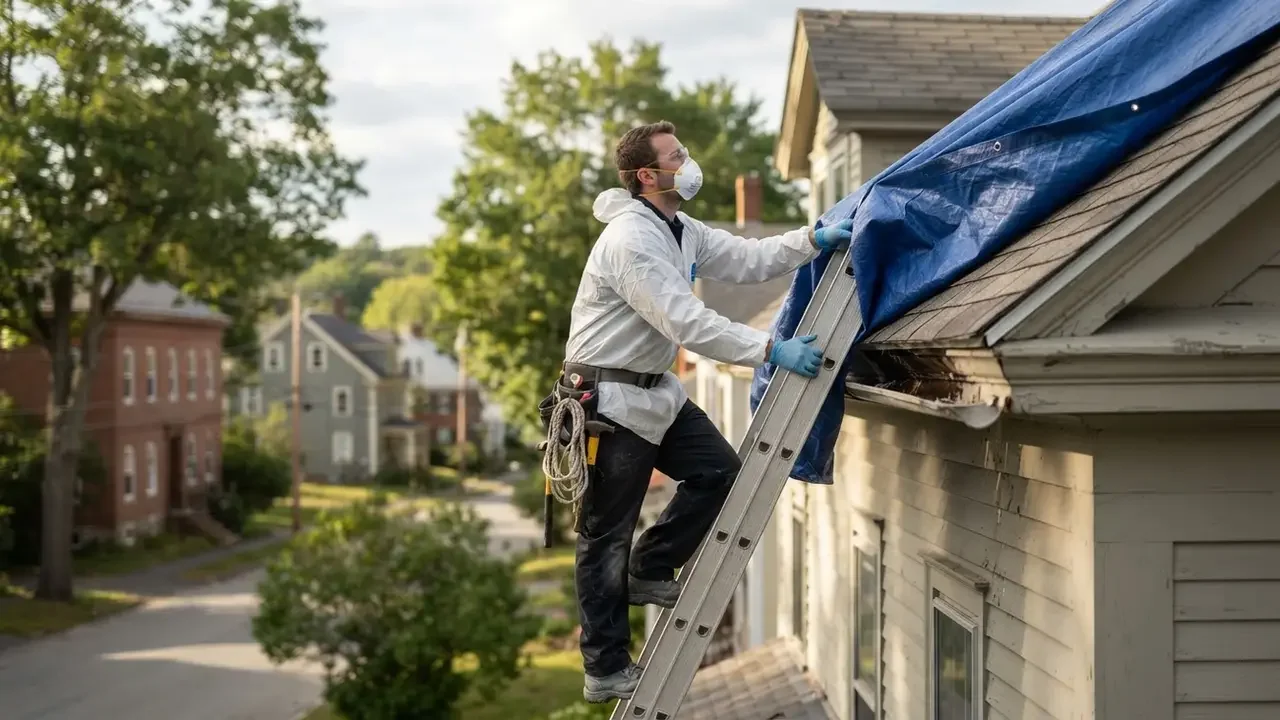
Emergency Board-Up and Tarping in Haverhill: restoration technician carefully climbing a ladder to secure a large blue tarp

Emergency Board-Up and Tarping

When storm damage leaves an opening, temporary protection helps keep additional rain out while permanent repairs are arranged. We assess safe access, cover exposed areas where feasible, and protect nearby contents from further water entry. For a roof opening in Kenoza Lake, share clear photos from the ground and keep away from damaged overhead materials.

View Details

Common Kenoza Lake Water Problems

Kenoza Lake water damage restoration calls often involve basement seepage, pipe leaks, storm water, and moisture hidden in building materials. Lakefront properties with high water table concerns need a source assessment instead of an automatic assumption that the lake caused the problem. Older homes with basement seepage may have finished walls that conceal damp framing. Winter freezes raise the risk of burst pipes, while high humidity near water can slow drying. We inspect the actual materials and water path before setting the work plan.

Older basement seepage reaches finished walls and stored belongings

Older homes can have foundation details and basement finishes that allow moisture to collect at lower wall edges. During wet periods, seepage may appear where the floor meets the wall, then affect baseboard, stored boxes, or carpet. The visible water does not always reveal how far it has traveled.

Frozen pipes release water into ceilings and lower rooms

Cold winter conditions can freeze plumbing in vulnerable areas such as exterior walls, unheated spaces, or poorly protected runs. A pipe may split while frozen and release water when it thaws. Damage can spread before a homeowner sees the first stain or hears water running.

Storm runoff enters basements after heavy rain

Heavy rain can create runoff around a foundation or overwhelm a drainage path, particularly where water has nowhere to move away from the building. Near Kenoza Lake, local weather and site grading vary by property, so the cause must be assessed rather than presumed.

High humidity slows drying after a leak or flood

Moist outdoor air near water and closed-up rooms can keep indoor humidity elevated, reducing evaporation from wet materials. Damp carpet padding, drywall, or subfloor may remain wet even after surface water is gone, increasing the chance of odor or mold growth.

When to Call for Water Restoration

Call when you see water spreading, a ceiling sagging, a pipe that will not stop leaking, or sewage backing into a basement. In Kenoza Lake, older basement seepage and winter frozen pipes can hide damage below finished surfaces. A musty odor after a leak also deserves attention, even if the floor looks dry. If you need water damage restoration near me Kenoza Lake MA, describe the water source, how long it has been present, and whether anyone is at risk. We can then prioritize extraction, inspection, or safe containment.

  • Water keeps appearing after mopping

    Recurring water often means the source is still active or water is migrating from a nearby cavity. Check for a leaking appliance, pipe, or foundation entry without opening walls yourself. If the water is near outlets or a panel, stay clear and call for help rather than stepping into it.

  • Ceiling stain grows or begins to sag

    A spreading stain means water is still entering or trapped above the ceiling. A bulge can hold significant weight and may fail without warning. Keep people out from underneath, avoid puncturing it, and report whether the leak follows rain or plumbing use.

  • Basement smells musty after seepage

    A persistent musty odor can point to damp materials behind baseboard, under carpet, or inside a wall cavity. Surface drying does not confirm the structure is dry. If the odor follows a wet-weather event or plumbing leak, an inspection can locate the moisture before damage expands.

  • Hardwood boards cup or edges lift

    Raised edges or cupping indicate moisture has affected the flooring assembly, which may include the subfloor. Avoid sanding or applying direct heat while the boards are wet. Prompt extraction and measured drying help determine whether the floor can be stabilized or needs repair.

  • Sewage or dirty water enters a room

    Sewage backup is a contamination concern, not a routine spill. Keep children and pets away, do not run fans that could spread contaminated particles, and avoid contact with the water. Call for controlled removal and cleaning, and mention any floor drains or affected rooms.

Local Landmarks and Navigation

Our dispatch team uses familiar Kenoza Lake landmarks to clarify directions and locate the right street without treating a landmark as evidence of a property problem. Kenoza Lake Park and Bradford Common are useful orientation references when you describe where a home sits. For a service call, give us the street address, a cross street, and any driveway or entry constraints. That lets us plan unloading and choose equipment suitable for the route into the building.

Kenoza Lake

The lake is the central geographic reference for this service area. It helps callers describe whether an address is approached from Lake Street or another nearby road, but it does not by itself establish the cause of water entering a property.

Bradford Common

Bradford Common is a recognizable Haverhill-area orientation point for callers explaining their location. Use it with your street name and house number so dispatch can distinguish the destination from other nearby routes.

Kenoza Lake Park

Kenoza Lake Park provides a local reference when giving directions around the lake area. It can help clarify the approach to a nearby street; our crew still confirms the exact address and access instructions before arrival.

Coverage Across Kenoza Lake & Essex County

01832018300183501831

Plus surrounding Essex County neighborhoods, with same-day routing on most appointments.

Kenoza Lake Seasonal Water Risks

In November, winter preparation is the immediate concern: frozen pipes can release water into walls and basements, while earlier storms may leave hidden dampness. As the year turns, spring rain can test drainage and expose seepage; summer humidity can slow drying; fall storms can damage roofs and bring runoff toward foundations. If you need 24/7 water damage restoration in Kenoza Lake, report the water source and safety concerns first. Seasonal conditions shape the response, but readings and building evidence determine the work.

Spring

Spring rain and thaw can increase runoff and reveal seepage at basement floor edges. Stored items and finished walls can hide moisture after water recedes. We inspect the visible entry area and adjacent materials before deciding whether the loss is limited to the floor or has moved into the wall assembly.

Tip: Keep downspouts and drainage paths clear where safe, and move stored items off the basement floor. After seepage, photograph the area and call if water returns or a musty odor develops.

Summer

High humidity near water can make wet materials dry more slowly after a plumbing leak or storm. Carpet padding, subfloor, and enclosed wall spaces may remain damp after the surface feels dry. A dehumidifier and measured follow-up checks help show whether the structure is actually drying.

Tip: Run air conditioning or dehumidification only when equipment is safe and appropriate for the space. Do not cover wet materials or seal a damp basement; report persistent odor or condensation.

Fall

Fall storms can expose roof weaknesses and send water through ceiling assemblies or toward basement entries. Leaves can also obstruct drainage routes around a property. We separate roof intrusion from plumbing leaks by reviewing timing, location, and visible evidence.

Tip: Check ceilings after heavy rain and look for new stains, but do not climb onto a wet roof. Move valuables from an active leak and call if water is entering or the ceiling changes shape.

Winter

Winter is the immediate seasonal risk in November and the months ahead. Frozen pipes can split in cold areas, then release water as they thaw. A burst pipe can affect several rooms quickly, and wet electrical areas create a serious hazard.

Tip: Know where the main shutoff is and keep vulnerable spaces warm when possible. If a pipe bursts, shut off water only if safe, stay clear of electrical hazards, and call for emergency extraction.

Faqs About Kenoza Lake Water Restoration

Real answers from our team for the questions we hear most often before a job starts.

How much does water damage restoration cost in Kenoza Lake?
A small clean-water extraction and drying job often varies while multi-room restoration can vary. Typical pricing depends on water category, affected materials, room count, and drying time. Sewage cleanup or major flooding costs more because of added cleaning and removal steps. We inspect the damage, explain the work, and provide upfront pricing for the agreed scope.
Who is the best water damage restoration company in Kenoza Lake MA?
Choose a company that responds to the actual loss, documents moisture, and explains the drying sequence before equipment is placed. Haverhill Water Damage Restoration serves Kenoza Lake with extraction, inspection, and structural drying for homes and businesses. Ask about water-category procedures, follow-up readings, and claim documentation. If you are searching for water damage restoration company near Kenoza Lake open now, call us at (833) 546-4116 and describe the emergency.
Do you offer 24/7 water damage restoration in Kenoza Lake?
Yes, emergency calls are accepted 24/7 for Kenoza Lake water losses, and urgent active leaks receive priority. We confirm an arrival window after collecting your address, water source, and access details. If a pipe bursts, shut off the main supply only if safe and stay away from wet electrical areas. Call with the affected rooms so we can prepare for extraction or containment.
Does insurance cover water damage restoration in Kenoza Lake Massachusetts?
Coverage depends on your policy, the cause of the loss, and any exclusions or limits; sudden pipe failures are treated differently from gradual seepage in many policies. We document visible damage, moisture readings, and work performed to support your claim discussion. Contact your insurer promptly and keep photos and receipts. Our team can help organize restoration records, but the insurer determines coverage under your policy.
How fast can you get to my water damage in Kenoza Lake?
We dispatch emergency calls 24/7 and confirm an arrival window by phone after getting your street address, source, and access conditions. Same-day assessment is available when routing and job conditions allow. Active water, sewage, or electrical hazards help us determine urgency. For emergency water damage restoration in Kenoza Lake Massachusetts, call (833) 546-4116 and tell us whether the water is still flowing.

Call for Water Damage Restoration in Kenoza Lake

A leak, flooded basement, or sewage backup needs a clear first move. We serve Kenoza Lake from Haverhill and take emergency calls 24/7. Call (833) 546-4116 with your street, the water source, and any safety concern; we will help you identify the next step and arrange an assessment. Our crew checks affected materials and tracks drying with moisture readings, so you know what is happening in your home.

Call Our Team Send a Message

Contact Haverhill Restoration

Call (833) 546-4116 when water is entering your home or business, or when a damp room needs inspection. Our referral line is available 24 hours a day to connect you with independent companies serving Haverhill, MA, including areas near 01831 and 01835. Tell us what happened, where the water is, and whether it is still flowing.

Or call us right now at (833) 546-4116 — we answer.
Or email us at hello@haverhillwaterdamagema.com

Haverhill Water Damage Restoration


  • Address

    Haverhill, Massachusetts

  • Hours

    Mon–Fri: 7AM – 7PM
    Sat: 8AM – 4PM
    Sun: Emergency Only
    24/7 Emergency Available

Call (833) 546-4116 Get Quote
Call Quote