Haverhill Water Damage Restoration
Call (833) 546-4116

Fire Damage Restoration Haverhill MA for Soot, Smoke & Water Cleanup

We clean soot, remove firefighting water, and treat smoke odor.


Fire damage restoration Haverhill MA deals with three kinds of damage at once: heat and flame, soot and smoke that travel through the whole house, and water from hoses or sprinklers used to put the fire out. We inspect the affected rooms, secure the property, remove water, clean soot from surfaces, and treat smoke odor before repairs begin. Our fire damage cleanup Haverhill MA service is built for kitchen fires, electrical fires, and garage fires that leave more than a burned room behind.

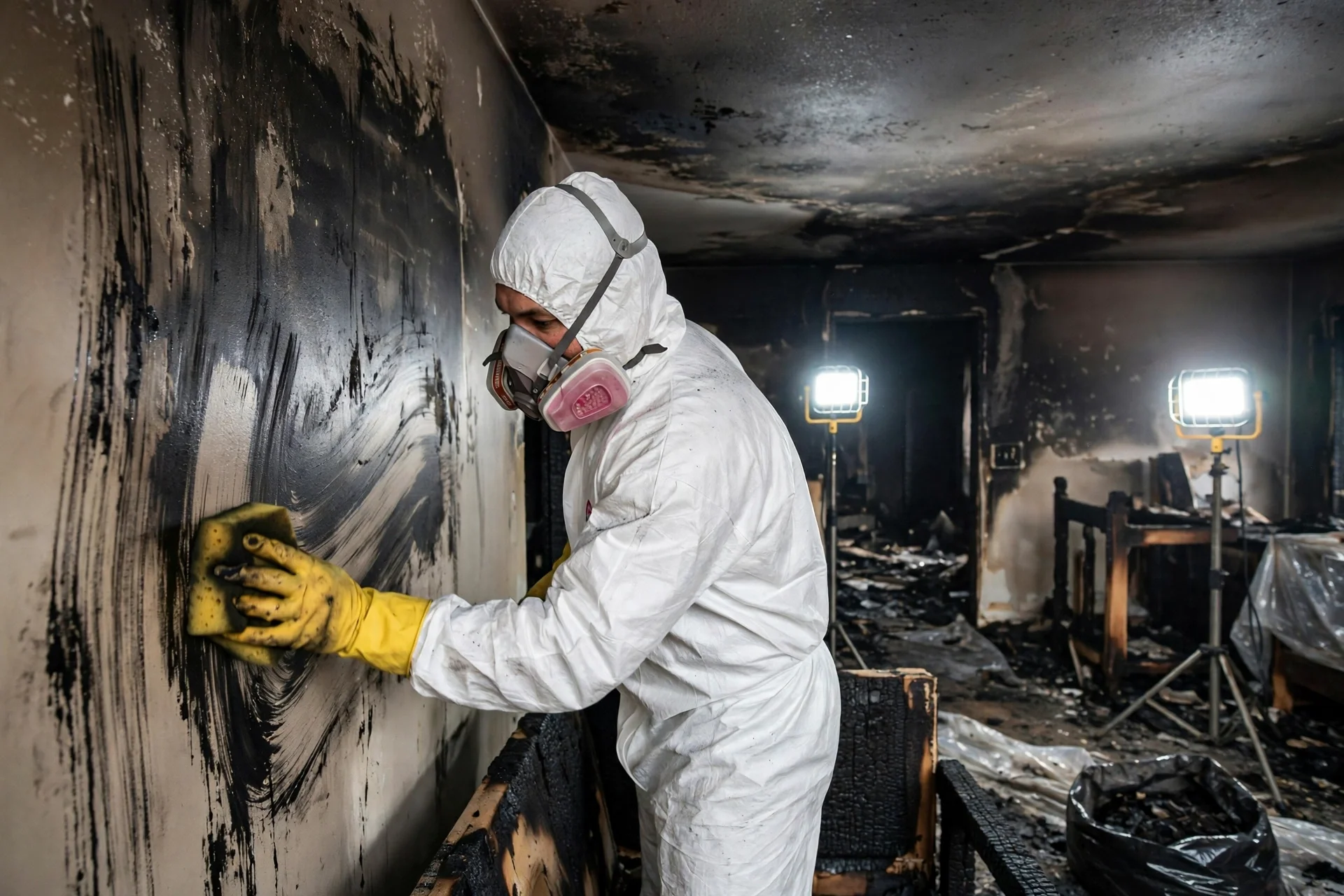
Fire Damage Restoration in Haverhill: restoration technician in protective gear cleaning soot from a wall after a house fire
24/7 Emergency Same-Day Response
Warranty Backed Workmanship Guaranteed in Haverhill

What Fire Damage Restoration Includes

Our fire damage restoration work covers safety checks and damage assessment, board-up of openings, soot and smoke cleaning, water extraction and drying, content cleaning, and odor treatment. We also identify materials that must be removed and coordinate the handoff to repairs. Reconstruction, replacement finishes, and independent testing are separate work when the project calls for them; we explain how those steps fit the cleanup sequence.

Safety and damage assessment

We inspect the affected rooms and check which areas are safe to enter, then map flame, smoke, and water damage across walls, ceilings, and flooring. The assessment focuses on how far soot traveled, not only where the fire burned.

Board-up and site securing

We cover broken windows, doors, and roof openings so weather and intruders cannot add new damage while cleanup is planned. This also protects rooms that were not burned but were exposed to smoke.

Soot and smoke residue cleaning

We clean soot from walls, ceilings, and hard surfaces with methods suited to the residue, using chemical sponges and HEPA vacuums where appropriate. Soot is acidic and can stain permanently if it sits, so affected surfaces are addressed before repainting.

Water extraction and structural drying

Water from hoses or sprinklers is extracted, then air movers and a dehumidifier dry the structure. Repeat moisture readings help show whether walls and flooring are drying before repairs.

Content cleaning and odor treatment

We review furniture, clothing, and other belongings for soot and smoke exposure, clean what can be saved, and treat lingering odor at its source rather than covering it. Items that cannot be cleaned are documented for your records.

Fire Damage Restoration Haverhill MA Explained


Fire damage restoration Haverhill MA is a structured cleanup process that addresses flame damage, soot and smoke residue, and the water left behind by firefighting. We start by checking which areas are safe to enter, then map the damage room by room: soot travels with smoke through vents and open doors, so rooms far from the fire can still need cleaning. A moisture meter helps us find water trapped in drywall and flooring, and readings guide drying rather than guesswork. We then remove unsalvageable material, clean remaining surfaces with suitable methods, and dry the structure. The goal is a documented, cleaner work area and a practical path to repairs.

Haverhill properties can face fire damage from a kitchen fire, an electrical fault, a garage fire, or a heating equipment problem, and each leaves a different pattern of soot and water. Smoke can settle inside cabinets, closets, and air vents, while water from hoses or sprinklers soaks flooring and lower walls. Our fire cleanup services Haverhill process follows the damage from the burned room into adjacent spaces, then verifies drying conditions. If you are searching for fire damage restoration after a house fire Haverhill MA, prompt inspection helps identify soot-affected materials and wet insulation before the damage spreads.
What to Expect During Fire Cleanup

Fire damage restoration Haverhill MA follows a deliberate sequence: secure, assess, extract, clean, and verify drying. We explain each stage before work affects your home or business, keep the work zone controlled, and share what we find as the condition of concealed materials becomes visible.

01

Schedule

Call or book online — a real human picks up and confirms a 2-hour arrival window.

02

Diagnose

A tech inspects flame, smoke, and water damage on-site, then walks you through the cause and your options.

03

Fix

The cleanup is completed to code and done right the first time — no shortcuts, no surprises.

04

Guarantee

Every job backed by a written workmanship warranty — and we stand behind it.

Tools and Fire Restoration Methods

Tools & Equipment

Moisture Meter

We take repeat readings in drywall, trim, and accessible framing to find water left by firefighting and track drying progress. The readings help distinguish a dry-looking surface from a damp assembly.

Thermal Imaging Camera

We use thermal patterns to identify areas that warrant closer moisture checks around burned and water-affected surfaces. It guides inspection; it does not replace direct measurement.

HEPA Air Scrubber

The scrubber filters air in the contained work zone while soot-affected materials are disturbed. Proper placement supports dust control and helps limit movement into adjoining spaces.

Dehumidifier and Air Mover

A dehumidifier removes moisture from room air during structural drying while an air mover encourages evaporation from exposed materials. We position equipment for the room and the affected surfaces.

Chemical Soot Sponge

A dry chemical sponge lifts soot from walls and ceilings without spreading it with water. We work in sections and replace sponges as they load, so residue is removed rather than smeared.

Methods & Standards

Soot cleaning by residue type

We match the cleaning method to the soot: dry soot, wet soot, and oily residue from synthetic materials each need a different approach. The wrong method can drive soot deeper into a surface.

Contained removal and debris handling

We isolate the affected area before disturbing soot-affected materials, then bag debris and move it along a planned route. The method limits dust migration into clean rooms.

Moisture mapping and verification

We record readings at locations relevant to the water path, including affected framing or flooring where accessible. Follow-up checks show whether moisture conditions support the next repair step.

Odor treatment after cleaning

We treat smoke odor at its source with methods suited to the material, such as thermal fogging or ozone treatment in unoccupied spaces. Treatment follows cleaning; it does not replace removing soot and wet material.

When Fire Damage Restoration Is Needed

01

A Riverside Kitchen Fire Spreads Soot Through the House.

What we do: We inspect the kitchen and the rooms beyond it, since smoke travels through open doors and vents. Our team cleans soot from walls and ceilings, extracts water used to control the fire, and checks cabinets and flooring for hidden moisture.

You get a cleaned, dry kitchen area and a clearer plan for correcting the smoke path before replacing finishes or storing belongings again.

02

A Bradford Homeowner Finds Soot and a Smoke Odor After an Electrical Fire in a Bedroom.

What we do: We check the burned room and the adjoining hallway and closets, where soot settles on clothing and surfaces. Containment protects nearby areas during removal, while drying equipment addresses water from firefighting.

The concealed smoke and water damage is addressed rather than covered, and you know which repairs need to happen before new wallboard goes in.

03

A Ward Hill Garage Fire Sends Smoke Into the Living Areas.

What we do: We verify the fire source is fully out and the structure is safe to enter, then inspect the shared wall and ceiling between the garage and the house. Our crew removes charred material, cleans soot from affected surfaces, and uses measured drying to prepare the area for replacement.

You avoid sealing smoke-damaged framing behind a new wall, and you can move from fire cleanup to a dry, inspected assembly with a clear repair sequence.

04

A Downtown Haverhill Rental Unit Has Sprinkler Water After a Small Fire.

What we do: We inspect the affected unit and the wall shared with adjacent units, document moisture and visible damage, and coordinate access with the property representative. Containment protects nearby areas during removal, while drying equipment addresses damp flooring.

The tenant and property manager receive a defined cleanup sequence, a documented work area, and a practical path to restoring the unit.

Fire Damage Restoration Across Haverhill

Haverhill's mix of older homes, multi-unit buildings, finished basements, and newer additions creates different fire and smoke paths. Cold-season heating use and older wiring add to the risk, and smoke can travel through shared vents and open stairways before anyone notices it in the next room. We plan containment and cleaning around the building, not only around the burned room.

Neighborhoods We Serve

  • Riverside

    Older homes near the river corridor often have plaster walls and finished lower levels where soot and water can hide. We check wall bases and stored materials rather than judging conditions from the floor alone.

  • Bradford

    Homes with finished ceilings and wall cavities need careful inspection after a fire, since smoke travels above ceilings and behind walls. We map the affected area before opening anything.

  • Downtown Haverhill

    Multi-unit buildings and closely used spaces call for planned access and containment. We coordinate the work zone so neighboring rooms and units stay usable while cleanup proceeds.

  • Ward Hill

    Attics and exterior-facing rooms can carry smoke through vents and shared walls after a garage or roofline fire. We inspect insulation and adjacent framing before deciding what needs cleaning.

Local Conditions We Plan For

  • Older homes with aging wiring and heating equipment

    Electrical faults and heating equipment are common fire sources in older Haverhill homes. We check the fire origin area and the rooms beyond it, since soot follows the smoke path rather than the floor plan.

  • Cold-weather heating fires

    Space heaters and heating equipment see heavy use through Haverhill winters, and a fire during cold weather also brings firefighting water into a cold house. We assess both the soot and the water path before cleaning.

  • Smoke travels through shared vents in multi-unit buildings

    In downtown buildings, smoke can move through vents, hallways, and stairways into units that never burned. We inspect beyond the fire unit before deciding what needs cleaning.

Fire Cleanup Results in Haverhill

Before

A kitchen fire was put out quickly, but soot had spread through the living room and hallway, and water from the firefighting effort soaked the kitchen floor and lower cabinets. The visible damage measured about 15 square feet of wall, but smoke residue covered surfaces well beyond the kitchen. The homeowner needed to know whether cleaning could save the finishes or if replacement was required.

After

We contained the kitchen, cleaned soot from walls and ceilings in three rooms, and dried the exposed flooring over three days. Follow-up readings showed the treated materials had returned to the drying target, and the odor source was removed with the soot and wet material. The homeowner had a defined area ready for repainting and cabinet repair rather than a house that still smelled of smoke.

Maintenance: Check kitchen wiring and appliances after any small fire, and address soot promptly — it can stain permanently if left on surfaces. Keep the area accessible until repairs are complete, and watch for renewed odor after the room is back in use.

Before

An electrical fault started a fire in a bedroom, damaging the wall around an outlet and filling the room with smoke. The hallway carpet and closet contents carried a strong smoke odor, and water used to control the fire had reached the baseboards. Surface cleaning alone would not have addressed the trapped moisture or the soot inside the closet.

After

We removed the affected drywall section, cleaned soot from the remaining walls and ceiling, and set drying equipment for two days. The work area stayed contained, and moisture checks guided the next repair step. The homeowner could replace damaged finishes after the exposed materials dried, with the electrical source already repaired by a licensed electrician.

Maintenance: After an electrical fire, have the wiring checked before the room is used again. If smoke odor appears in an adjoining room, dry the area promptly and check beneath removable trim rather than waiting for the smell to fade.

Before

A fire in the garage triggered the sprinkler system, soaking stored items and sending water under the shared wall into the laundry room. The garage surfaces showed roughly 20 square feet of flame damage, but smoke had entered the house through the connecting door. The room smelled of smoke, and the owner needed to know whether the water damage or the soot was the bigger problem.

After

Once the fire source was addressed, we contained the garage and laundry room, removed charred material and wet insulation, and dried the exposed structure over four days. Repeat readings showed the cavity was ready for the next repair stage. The owner received a clear transition from restoration to rebuilding instead of an uncertain patch.

Maintenance: After a garage fire, check the shared wall and the rooms beyond it for smoke and water. Keep stored items away from a known fire zone until the area has been inspected and drying is complete.

Problems Fire Damage Restoration Solves

Fire damage restoration after a house fire Haverhill MA addresses more than the burned room: soot that keeps spreading, smoke odor that returns, and water left by firefighting often point to damage that remains inside an assembly. We trace the smoke and water paths, determine what can be cleaned, and remove materials that cannot be returned to a suitable condition.

Problem

Soot Keeps Spreading After the Fire Is Out

The odor can persist because soot has settled on surfaces beyond the burned room, including inside cabinets, closets, and vents, allowing the problem to continue unseen.

Our Fix

We inspect the likely smoke path, check adjacent rooms, and clean affected surfaces before soot sets permanently. Our team removes unsalvageable material, cleans suitable surfaces, and dries the cavity. We also identify whether water from firefighting still needs extraction before the wall is closed. Soot left in place can stain finishes and keep releasing odor.

Problem

Smoke Odor Returns After Surface Cleaning

Smoke odor can linger because soot is trapped inside porous materials, so wiping the surface does not remove the source.

Our Fix

We look beyond the visible surface to find soot trapped in drywall, insulation, or flooring layers. After removing the source, we clean the remaining structure with appropriate containment. Odor treatment addresses the residue rather than covering it. Repeated surface cleaning leaves the soot source untouched, so odor can return.

Problem

Water From Firefighting Soaks Floors and Walls

Hoses and sprinklers can soak flooring, drywall, and insulation far from the flame, and the water keeps working into materials after the fire is out.

Our Fix

We assess the floor layers and edges, extract remaining water where possible, and determine whether padding or other porous material needs removal. We dry the exposed structure and check progress before repairs. This gives you a clear answer about what can remain and what needs replacement. Wet carpet padding or underlayment can stay damp after the top surface dries.

Problem

Hidden Damage Behind Walls After a Fire

Heat and water can travel inside a wall cavity where no stain shows, so the visible damage understates the affected area.

Our Fix

We trace the fire and water paths, inspect the wall cavity, and contain removal if damaged material needs to come down. We dry exposed framing, clean suitable surfaces, and coordinate repairs as appropriate. The wall is ready for rebuilding only after moisture conditions support that next step. Heat and water held inside a wall can affect insulation and framing, while the visible damage understates the area that became wet.

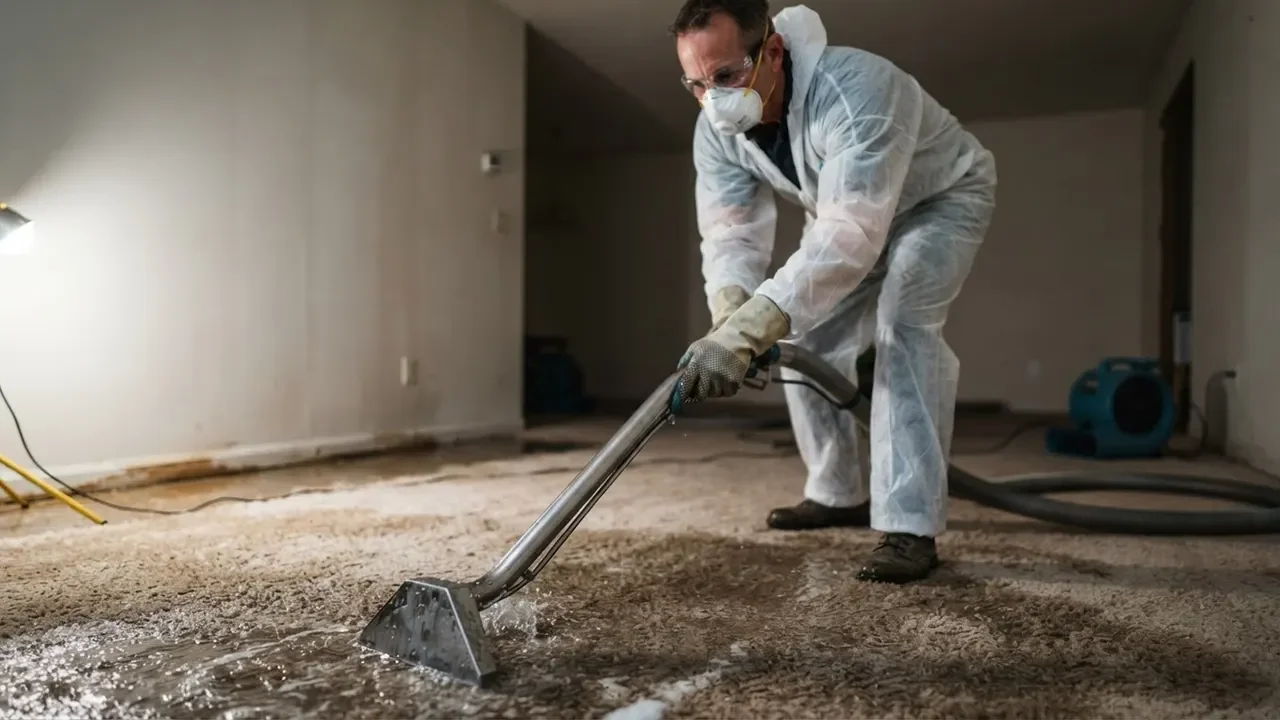
Water damage restoration in Haverhill: restoration technician operating a high-powered water extraction wand across a soaked

A Cleaner, Safer Result After Fire

Fire cleanup works best when soot removal, water extraction, and drying are handled as one job. We focus on the affected building materials and the fire and water paths, so the area is ready for repair rather than covered up.

  • Containment Before Removal

    We separate the affected work zone from occupied rooms before disturbing soot-affected material. A HEPA air scrubber helps capture airborne particles during controlled removal, while protective barriers reduce dust migration. This is especially useful when a bedroom, hallway, or shared business space sits beside the damaged area.

  • Soot Source Addressed

    Cleaning without removing soot leaves the cause in place. We look for where smoke traveled, whether through vents, hallways, or open doors, and clean each affected surface. You receive a clear explanation of what must be cleaned before the room is closed up.

  • Material-Specific Decisions

    Drywall, insulation, carpet padding, and hardwood flooring do not respond to fire and water in the same way. We assess each material and separate salvageable surfaces from items that need removal. That avoids treating every room alike and helps limit unnecessary demolition while keeping soot-damaged porous materials from being concealed.

  • Drying Verified, Not Guessed

    We use moisture readings to track progress in framing and surrounding materials instead of relying on a dry surface. Readings at relevant points show whether the structure is ready for repairs, so rebuilding starts from a known condition.

Industry Standards

Industry Standards

  • IICRC Fire & Smoke Restoration Technician — issued by Institute of Inspection, Cleaning and Restoration Certification
  • IICRC Odor Control Technician — issued by Institute of Inspection, Cleaning and Restoration Certification
  • IICRC Water Damage Restoration Technician — issued by Institute of Inspection, Cleaning and Restoration Certification
  • IICRC Applied Structural Drying — issued by Institute of Inspection, Cleaning and Restoration Certification

Practical Fire Restoration Experience

Fire work calls for controlled soot removal, building-material knowledge, and a clear understanding of how smoke and water move. Our local team applies established restoration principles and documents what was cleaned, removed, and dried.

  • We follow IICRC fire and smoke restoration principles and tailor containment to the affected area.
  • IICRC WRT training informs moisture mapping, material decisions, and structural drying after firefighting water.
  • We check concealed cavities where access allows instead of treating visible soot as the full extent of damage.
  • Our crew separates salvageable framing from porous materials that need removal, keeping demolition focused.
  • We document conditions and completed work so you can discuss the loss with your insurer or repair contractor.
Get Started Today
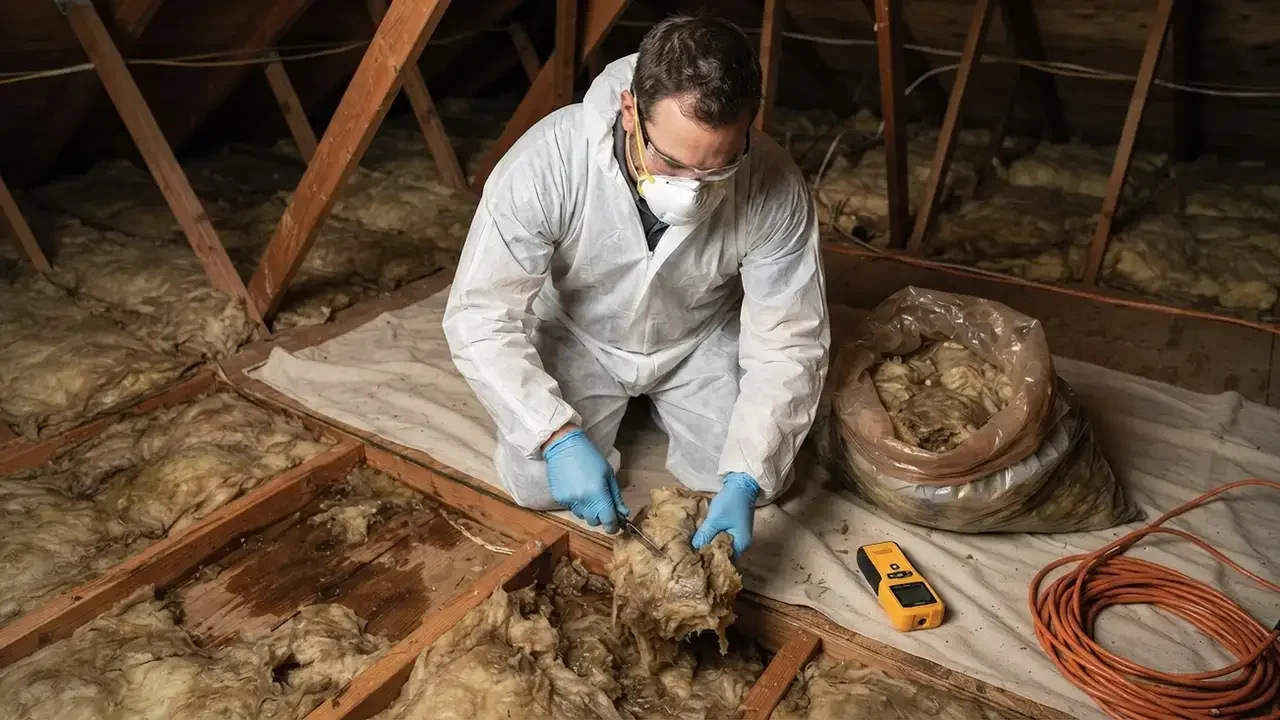
Water damage restoration in Haverhill: restoration technician carefully removing water-saturated insulation from an attic

Fire Damage Restoration Questions

Real answers to the questions we hear most often from local homeowners and property managers.

How much does fire damage restoration cost in Haverhill MA?
A small, contained fire often varies while larger or concealed damage can be higher. Typical pricing in Haverhill depends on affected square footage, soot and smoke extent, water from firefighting, material removal, access, and drying time. We inspect the affected rooms and materials before pricing the work. Testing, reconstruction, or repairs to an active electrical or plumbing problem can add separate costs.
What should I do first after a fire in Haverhill?
Do not re-enter the property until the fire department or authorities say it is safe. Call your insurer promptly, avoid touching soot-covered surfaces, and do not run the heating or cooling system until the ductwork has been checked, since it can spread soot. We inspect the affected rooms, secure openings, and explain the cleanup sequence.
Does fire damage restoration include water removal?
Yes. Water from hoses or sprinklers is extracted as part of the cleanup, and the structure is dried with air movers and a dehumidifier. For fire damage restoration after a house fire Haverhill MA, we also check nearby cavities and floor edges where water can travel. Drying is verified with moisture readings before repairs begin.
Does insurance cover fire damage restoration in Haverhill Massachusetts?
Coverage depends on your policy, the cause of the fire, and how quickly the damage was addressed. A sudden accidental fire is often treated differently from damage linked to long-term maintenance issues. We document visible damage, moisture conditions, and work performed to support your claim file, but your insurer makes the coverage decision. Contact your carrier promptly and keep photos, invoices, and records of any repairs.

Related Restoration Services

Water Damage Restoration

A fire often leaves water behind from hoses or sprinklers. We remove standing water, assess affected building materials, and dry the structure so fire cleanup addresses the water as well as the soot.

View View Water Damage Restoration

Emergency Water Extraction

Standing water left after firefighting can soak flooring and wall edges. Emergency extraction removes bulk water quickly, reducing the amount that migrates into carpet padding and subfloor.

View View Emergency Water Extraction

Structural Drying and Dehumidification

Drying equipment reduces moisture in building materials after firefighting water. We position air movers and a dehumidifier, then take repeat readings to confirm the structure is dry before repairs.

View View Structural Drying and Dehumidification

Odor Removal and Deodorization

Smoke odor often lingers in carpet padding, cabinets, or other materials after a fire. Deodorization follows soot removal and cleaning rather than covering the smell with fragrance.

View View Odor Removal and Deodorization

Content Cleaning and Restoration

Furniture, clothing, and personal belongings can carry soot and smoke odor after a fire. Items are assessed by material and exposure, then cleaned or dried using an appropriate method.

View View Content Cleaning and Restoration

Emergency Board-Up and Tarping

A fire can leave broken windows, doors, or roof openings. Temporary board-up protects the property from weather and intruders while the interior is cleaned and dried.

View View Emergency Board-Up and Tarping

Call for Fire Damage Restoration Haverhill MA

Tell us when the fire occurred, which rooms were affected, and whether the property has been cleared for entry. Our team will help you plan an inspection and cleanup. Call Haverhill Water Damage Restoration at (833) 546-4116 to arrange service for your Haverhill property.

Call Now Call Our Team

Contact Haverhill Restoration

Call (833) 546-4116 when water is entering your home or business, or when a damp room needs inspection. Our referral line is available 24 hours a day to connect you with independent companies serving Haverhill, MA, including areas near 01831 and 01835. Tell us what happened, where the water is, and whether it is still flowing.

Or call us right now at (833) 546-4116 — we answer.
Or email us at hello@haverhillwaterdamagema.com

Haverhill Water Damage Restoration


  • Address

    Haverhill, Massachusetts

  • Hours

    Mon–Fri: 7AM – 7PM
    Sat: 8AM – 4PM
    Sun: Emergency Only
    24/7 Emergency Available

Call (833) 546-4116 Get Quote
Call Quote